
In the landscape of the modern gig economy and real estate investing, few platforms have commanded as much financial influence as Vrbo. Originally an acronym for “Vacation Rentals by Owner,” Vrbo has evolved from a simple digital bulletin board into a sophisticated financial ecosystem. For investors, homeowners, and travelers alike, understanding what Vrbo is requires more than just a surface-level look at a booking app; it requires an analysis of how the platform has reshaped the economics of personal property and established a lucrative niche in the short-term rental (STR) industry.
As a subsidiary of the Expedia Group, Vrbo operates at the intersection of technology and real estate, offering a distinct value proposition that separates it from competitors like Airbnb. While other platforms focus on high-volume, urban, and sometimes shared-space listings, Vrbo has doubled down on the “whole home” experience. This strategic decision has significant implications for those looking to build a side hustle or a full-scale property management business.
The Evolution of Vrbo: From Directory to Real Estate Investment Tool
To understand the current financial standing of Vrbo, one must look at its origins. Founded in 1995, it is one of the oldest players in the digital travel space. Long before the term “sharing economy” became a buzzword, Vrbo was providing a decentralized marketplace for vacation homeowners to list their properties.
The Shift from HomeAway to a Unified Global Brand
The journey of Vrbo is marked by strategic consolidations. In 2006, HomeAway acquired Vrbo, and in 2015, the Expedia Group acquired the entire portfolio for nearly $3.9 billion. For years, the brand operated under a fragmented identity, but a massive rebranding effort in 2019 unified the platforms under the name “Vrbo” (pronounced “ver-bow”). This transition was not merely a marketing exercise; it was a financial consolidation designed to streamline user acquisition and maximize the lifetime value of every customer within the Expedia ecosystem.
How Vrbo Carved a Niche in the High-Value Rental Space
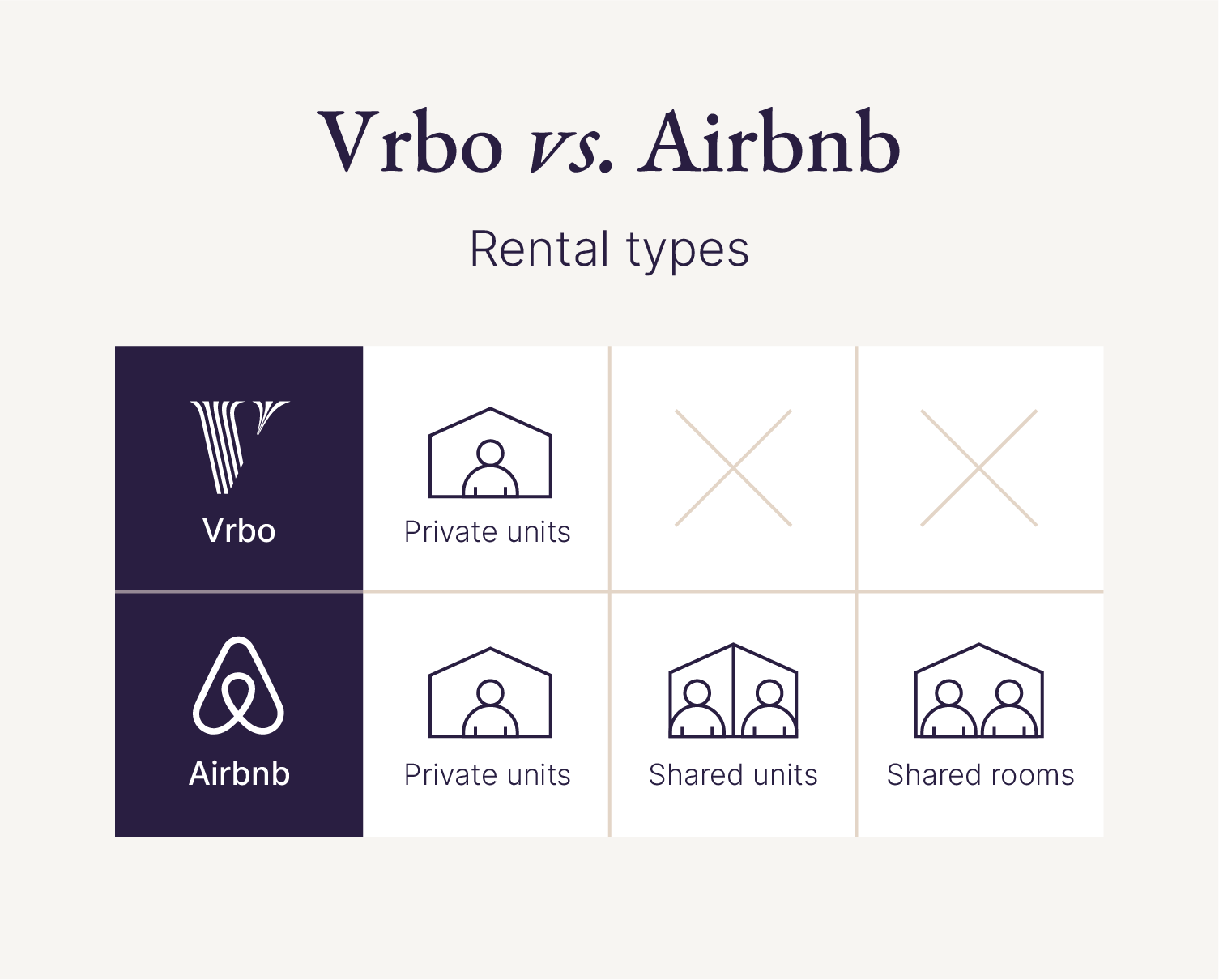
Unlike its competitors who allow for “couch-surfing” or private rooms within a host’s primary residence, Vrbo strictly mandates that every listing must be a “whole home.” From a financial perspective, this narrows the market to higher-income travelers and larger groups, such as multi-generational families. For an investor, this means higher average daily rates (ADR) and longer stays, which translates to lower turnover costs and higher profit margins compared to smaller, high-frequency urban apartments.
The Economics of Vrbo: A Comparative Analysis for Investors
For those viewing Vrbo as a vehicle for online income or business finance, the platform’s fee structure and revenue model are its most critical features. The platform offers a unique flexibility that caters to both the casual side-hustler and the professional real estate investor.
Fee Structures and Revenue Models for Hosts
Vrbo offers two primary ways for property owners to pay for the service, which is a significant differentiator in the market. The first is a pay-per-booking model, typically starting at a 5% commission plus a credit card processing fee. This is ideal for those who only rent their property for a few weeks a year.
The second, and more attractive for serious investors, is the annual subscription model. For a flat fee (usually around $499), owners can list their property for an entire year without paying a commission on each booking. For high-performing properties generating $50,000 to $100,000 in annual revenue, the flat-fee model offers a massive increase in net ROI (Return on Investment) compared to the percentage-based fees found on other platforms.
The “Whole Home” Advantage: Targeting Premium Markets
By focusing exclusively on entire properties, Vrbo attracts a demographic with higher discretionary spending. Financial data suggests that group travel—families, wedding parties, and corporate retreats—tends to be more resilient during economic downturns than solo leisure travel. Investors who leverage Vrbo often see higher “Total Revenue Per Available Room” (RevPAR) because the properties are located in premium vacation destinations like beach towns, ski resorts, and lakeside communities, where supply is limited and demand is consistent.

Vrbo as a Side Hustle: Maximizing ROI in the Gig Economy
With the rise of the “side hustle” culture, many individuals have looked toward short-term rentals as a way to diversify their income streams. Vrbo provides the tools necessary to turn an underutilized asset—like a second home or a vacation cottage—into a cash-flow-positive enterprise.
Capitalizing on the Group Travel Trend
The financial success of a Vrbo listing often hinges on its capacity to host groups. Because the platform’s algorithm favors listings with amenities that cater to families (such as full kitchens, laundry facilities, and multiple bedrooms), hosts can charge a premium. A strategic investor will look for properties with “bedroom counts” that maximize occupancy without violating local regulations. By focusing on the “experience economy,” hosts can also upsell services, such as curated local tours or grocery delivery, further padding their bottom line.
Essential Financial Tools for Managing Vrbo Income
Managing a Vrbo listing requires more than just taking good photos; it requires rigorous financial management. Successful hosts utilize dynamic pricing software that integrates with Vrbo to adjust rates in real-time based on local demand, events, and seasonal trends. Additionally, because Vrbo provides detailed 1099-K forms and comprehensive payout summaries, it integrates seamlessly with accounting software like QuickBooks or Xero. This transparency is vital for owners who need to track deductible expenses—such as cleaning fees, maintenance, and platform subscriptions—to minimize their tax liability at the end of the fiscal year.
Risk Management and Financial Security on the Platform
Every investment carries risk, and the short-term rental market is no exception. Vrbo has implemented several financial safeguards to protect both the asset owner and the traveler, ensuring the long-term sustainability of the marketplace.
Protecting Your Asset with Liability Insurance
One of the most significant concerns for real estate investors is property damage or liability claims. Vrbo provides $1 million in Liability Insurance for all stays booked through their checkout. This is a crucial financial tool because it protects the owner’s primary wealth (the property itself) from lawsuits or major damages. For the investor, this built-in protection reduces the overhead costs of purchasing high-premium commercial insurance independently.
Tax Implications of Short-Term Rental Income
In many jurisdictions, the “14-day rule” (in the US) allows homeowners to rent out their property for two weeks or less without reporting the income to the IRS. However, for those using Vrbo as a serious business, the income is fully taxable. Professional Vrbo investors often structure their holdings as an LLC to benefit from pass-through taxation and to shield personal assets from business liabilities. Understanding the nuances of “Occupancy Taxes,” which Vrbo often collects and remits on behalf of the host, is also essential for maintaining financial compliance and avoiding hefty penalties from local municipalities.
The Future of Short-Term Rentals: Is Vrbo Still a Sound Investment?
As the global economy shifts and interest rates fluctuate, the viability of real estate as a “passive” income source is frequently questioned. However, Vrbo’s position within the Expedia Group provides a level of market stability that many standalone startups lack.
Navigating Market Saturation and Regulation
The primary financial headwind for Vrbo hosts today is the increasing regulation of short-term rentals in major cities. However, because Vrbo focuses on traditional vacation destinations rather than urban centers, its inventory is often more insulated from the “Airbnb bans” seen in cities like New York or Florence. For an investor, the key to long-term financial success on Vrbo is geographic diversification and staying ahead of local zoning laws to ensure the property remains a legal, income-generating asset.
Leveraging the Expedia Group Ecosystem for Growth
One of the most underrated financial benefits of Vrbo is its integration with the One Key™ loyalty program. This program allows travelers to earn and spend rewards across Expedia, Hotels.com, and Vrbo. For the property owner, this means access to a massive pool of loyal, high-spending travelers who are incentivized to book through the platform. This “network effect” ensures a steady stream of demand, reducing the “vacancy risk” that can often sink a real estate investment.
In conclusion, Vrbo is much more than a website for finding a place to stay. It is a sophisticated financial platform that enables property owners to tap into the multi-billion dollar travel industry. By understanding the specific economics of the platform—from its fee structures to its niche market targeting—investors can effectively turn real estate into a powerful engine for wealth creation and financial independence. Whether viewed as a supplemental side hustle or a cornerstone of a real estate portfolio, Vrbo remains a dominant force in the digital and financial landscape of the 21st century.
aViewFromTheCave is a participant in the Amazon Services LLC Associates Program, an affiliate advertising program designed to provide a means for sites to earn advertising fees by advertising and linking to Amazon.com. Amazon, the Amazon logo, AmazonSupply, and the AmazonSupply logo are trademarks of Amazon.com, Inc. or its affiliates. As an Amazon Associate we earn affiliate commissions from qualifying purchases.