
In the vast and often complex world of investing, few names resonate with the same degree of trust, innovation, and philosophical conviction as Vanguard. Founded in 1975 by the legendary John C. Bogle, Vanguard revolutionized the financial industry by relentlessly prioritizing the individual investor. It introduced and popularized low-cost index funds, challenging the prevailing wisdom of active management and high fees. Today, Vanguard stands as one of the largest investment management companies globally, managing trillions of dollars in assets for millions of investors worldwide. But beyond the sheer scale, understanding “what is Vanguard” requires delving into its unique ownership structure, its unwavering investment philosophy, and the extensive suite of financial products and services it offers. It’s not merely an investment firm; it’s a financial movement built on principles designed to empower everyday individuals on their journey to financial security and wealth accumulation.

The Genesis of a Financial Revolution: John Bogle’s Vision
Vanguard’s inception was not just the launch of another financial company; it was the birth of a paradigm shift. John C. Bogle, an investment titan and a fervent advocate for the common investor, envisioned a world where the costs of investing would not erode the vast majority of returns over time. His vision culminated in the creation of Vanguard, an institution designed from the ground up to align its interests directly with those of its clients.
The Birth of Vanguard and Its Mutual Structure
At the core of Vanguard’s distinctiveness is its unique mutual ownership structure. Unlike most publicly traded asset managers that are owned by shareholders and motivated to maximize profits for those shareholders, Vanguard is owned by its funds, which in turn are owned by the investors in those funds. This circular structure means that Vanguard’s primary objective is not to generate profits for external owners but to serve the interests of its fund shareholders by providing investment products and services at the lowest possible cost. Any profits generated by the company are reinvested back into the funds or used to reduce expense ratios, directly benefiting the investors. This structural innovation was radical at the time and remains a cornerstone of its competitive advantage and investor appeal. It directly embodies Bogle’s ethos that “in investing, you get what you don’t pay for.”
Championing Index Investing and Low Costs
John Bogle’s other groundbreaking contribution was the popularization of index investing. In 1976, Vanguard launched the First Index Investment Trust, which would later become the Vanguard 500 Index Fund – the first index fund available to individual investors. At the time, it was derided as “Bogle’s folly.” The prevailing belief was that skilled fund managers could consistently “beat the market” through active stock picking. Bogle, however, argued that over the long term, very few active managers consistently outperform a broad market index after accounting for fees and expenses. His research demonstrated that the cumulative effect of high management fees, trading costs, and taxes significantly eroded investor returns.
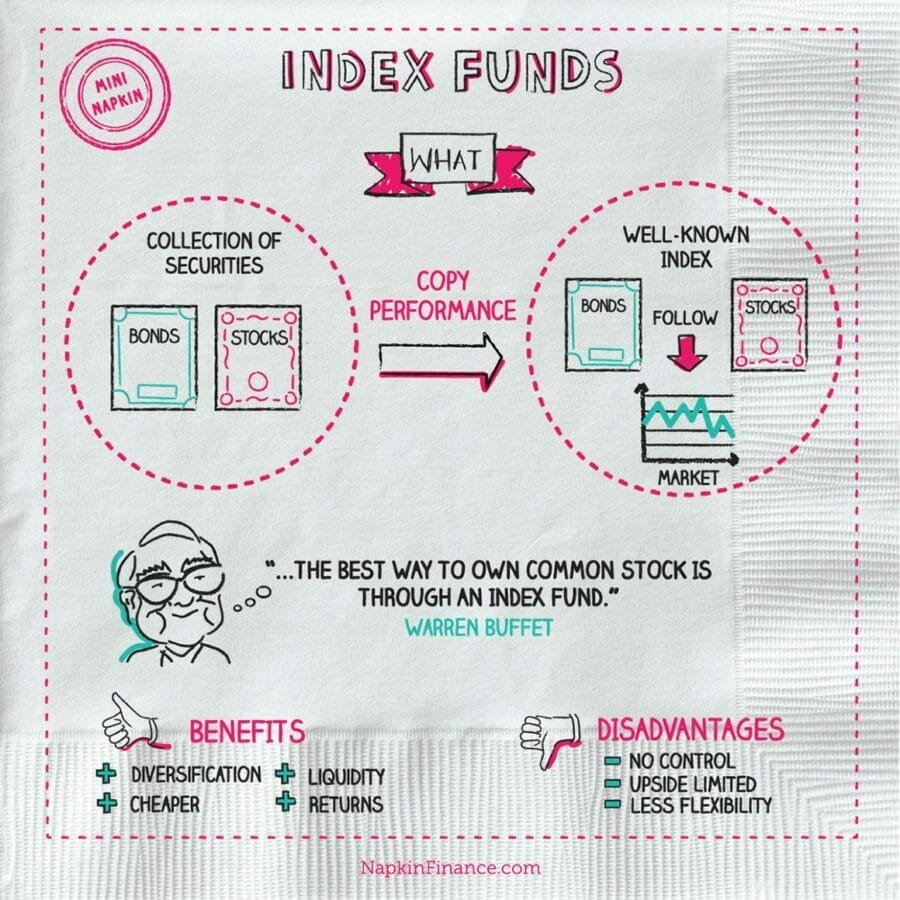
Vanguard’s index funds track specific market benchmarks, such as the S&P 500 or the total U.S. stock market, rather than attempting to outperform them. This passive approach significantly reduces research, trading, and management costs, allowing Vanguard to offer expense ratios that are dramatically lower than those of actively managed funds. This commitment to low costs, coupled with its mutual ownership structure, became the bedrock of Vanguard’s philosophy and its enduring appeal to long-term investors.
Vanguard’s Core Offerings: Empowering Individual Investors
Vanguard’s product lineup is extensive, designed to cater to a broad spectrum of investors, from beginners saving for retirement to seasoned professionals managing complex portfolios. Its primary offerings revolve around mutual funds and exchange-traded funds (ETFs), alongside increasingly sophisticated financial advisory services.
The Power of Vanguard’s Mutual Funds
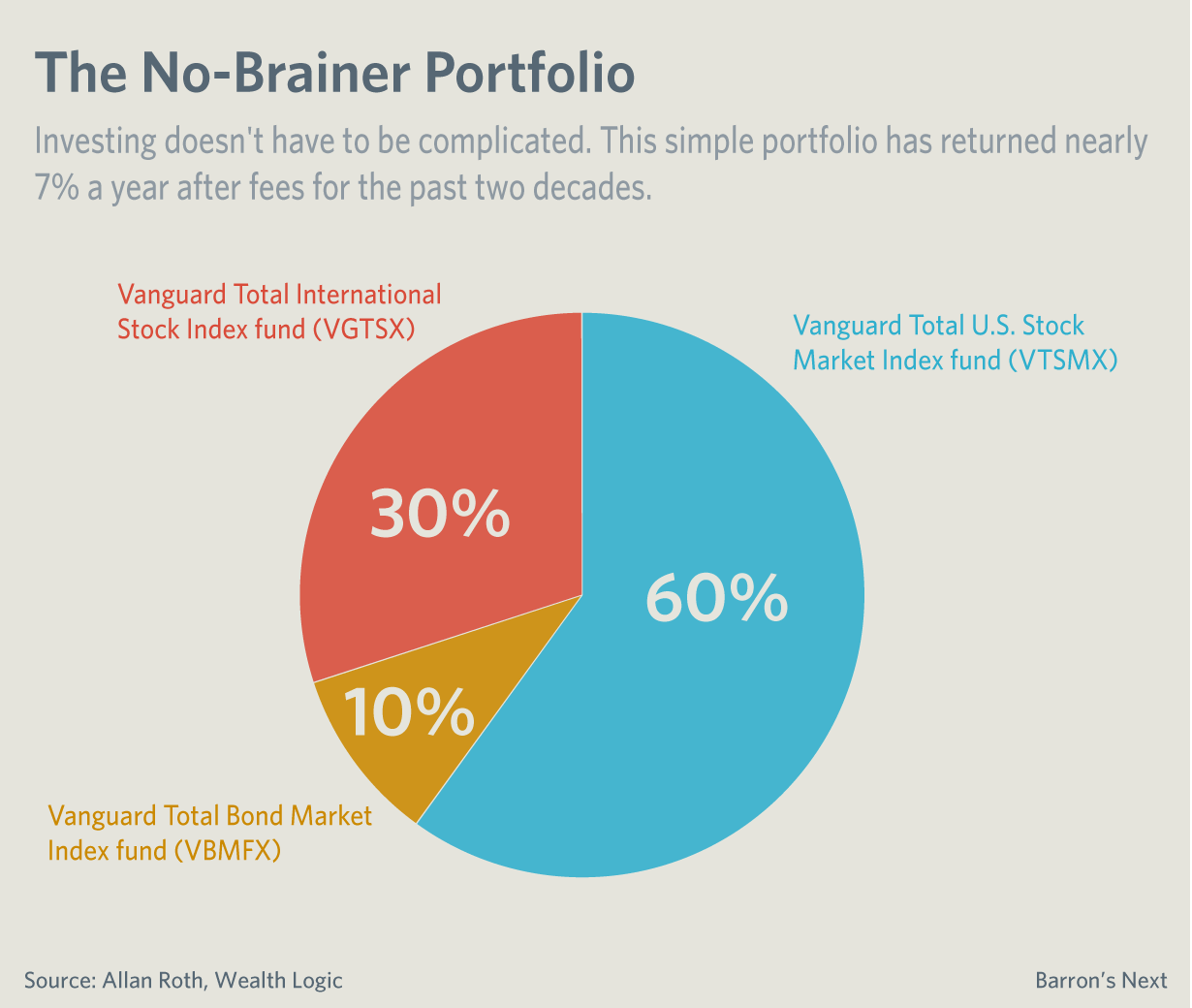
Vanguard is synonymous with mutual funds, particularly its index mutual funds. These funds pool money from many investors to invest in a diversified portfolio of stocks, bonds, or other securities. Vanguard’s index mutual funds are celebrated for their simplicity, broad diversification, and, crucially, their ultra-low expense ratios. Investors can choose from a wide array of funds covering various asset classes, market capitalizations, geographical regions, and investment styles. Examples include total stock market funds, international stock funds, bond funds, and sector-specific funds. For many, a core portfolio often consists of just a few broad-market Vanguard index funds, providing diversified exposure at minimal cost.
Exchange-Traded Funds (ETFs): Flexibility and Efficiency
In response to evolving market demands, Vanguard has also become a major provider of Exchange-Traded Funds (ETFs). Vanguard ETFs are often share classes of its popular index mutual funds, offering the same low-cost, diversified exposure but with the added flexibility of being traded on stock exchanges throughout the day, much like individual stocks. This makes them appealing to investors who prefer the intra-day liquidity and potentially lower trading costs associated with ETFs, especially for those using brokerage accounts that offer commission-free trading on Vanguard ETFs. The appeal of Vanguard ETFs lies in their cost-effectiveness, transparency, and ease of use, making them a staple in many modern investment portfolios.
Beyond Funds: Financial Advice and Planning
While best known for its self-directed investment products, Vanguard has expanded its offerings to include various levels of financial advice. Recognizing that not all investors wish to manage their portfolios entirely independently, Vanguard offers services ranging from automated robo-advisor platforms to personalized advice from certified financial planners.
- Vanguard Digital Advisor: This automated service provides customized investment plans and ongoing management for a low advisory fee, ideal for those seeking a hands-off approach to portfolio management.
- Vanguard Personal Advisor Services: For investors with more significant assets, this hybrid service combines sophisticated algorithms with access to human financial advisors. Clients receive a personalized financial plan, ongoing portfolio management, and guidance on various financial planning topics, including retirement, college savings, and estate planning.
These advisory services uphold Vanguard’s core philosophy by keeping costs competitive while providing professional guidance, ensuring that investors can access expert help without excessive fees eroding their returns.
The Pillars of Vanguard’s Investment Philosophy
Vanguard’s success and enduring appeal are rooted in a clear, consistent, and time-tested investment philosophy that empowers investors to achieve long-term financial goals. This philosophy is based on several key principles that guide every aspect of its operations and product design.
The Unyielding Focus on Low Expense Ratios
Perhaps the most recognized pillar of Vanguard’s philosophy is its relentless pursuit of low costs. Bogle famously argued that investment returns are uncertain, but costs are 100% certain. Every dollar paid in fees, commissions, and expenses directly reduces an investor’s net return. By minimizing these costs, particularly through index investing and its unique ownership structure, Vanguard ensures that more of an investor’s money remains invested and compounds over time. This seemingly simple principle has a profound impact, as even small differences in expense ratios can translate into tens or hundreds of thousands of dollars in foregone returns over several decades. Vanguard consistently ranks among the lowest-cost providers in the industry, making it a powerful choice for long-term wealth accumulation.
Diversification as a Cornerstone of Risk Management
Another fundamental tenet is the importance of diversification. Rather than attempting to pick individual winning stocks or time the market, Vanguard advocates for holding broad, diversified portfolios that capture the returns of entire markets. Diversification helps mitigate risk by spreading investments across numerous companies, industries, and geographies. If one particular stock or sector underperforms, its impact on the overall portfolio is minimized. Vanguard’s index funds naturally embody this principle by holding hundreds or even thousands of individual securities, providing instant and robust diversification to investors.
The Discipline of Long-Term Investing
Vanguard’s philosophy strongly emphasizes a long-term investment horizon. It encourages investors to tune out market noise, resist the temptation to chase hot trends, and avoid emotional reactions to short-term market fluctuations. Instead, it promotes a buy-and-hold strategy, allowing the power of compounding to work its magic over many years. This patient, disciplined approach is crucial for navigating inevitable market downturns and capitalizing on the historical tendency of markets to generate positive returns over extended periods. For Vanguard, successful investing is less about brilliant stock picking and more about consistency, discipline, and keeping costs low over decades.
How Vanguard Impacts Your Financial Journey
Vanguard’s principles and products have profoundly impacted how millions of individuals approach their financial lives, simplifying what often feels like an intimidating endeavor.
Building Wealth Through Simplicity
One of Vanguard’s greatest contributions is the simplification of investing. For many, the sheer number of investment options and the jargon can be overwhelming. Vanguard cuts through this complexity by offering straightforward, low-cost index funds that are easy to understand and implement. An investor can build a highly diversified portfolio with just a few funds (e.g., a total U.S. stock market index fund, a total international stock index fund, and a total bond market index fund). This simplicity empowers investors to take control of their financial future without needing to become market experts, fostering greater participation in capital markets.
Navigating Market Volatility with Vanguard Principles
In times of market volatility, Vanguard’s philosophy provides a calm anchor. By focusing on diversification and the long term, investors are encouraged to resist panic selling during downturns and to view such periods as opportunities to buy more assets at lower prices. The disciplined approach helps investors avoid common behavioral mistakes that often lead to poor returns, such as chasing performance or making impulsive decisions based on fear or greed. This steady hand, guided by Bogle’s wisdom, helps investors stay the course and ultimately achieve their financial objectives.
Considering Vanguard: Benefits and Nuances
While Vanguard’s approach is highly beneficial for a broad base of investors, it’s also important to understand its specific advantages and potential nuances for different investor profiles.
The Advantages for Long-Term Savers
For individuals focused on long-term goals like retirement planning, college savings, or building generational wealth, Vanguard offers compelling advantages. The combination of ultra-low costs, broad diversification, and a philosophy that encourages patience aligns perfectly with these objectives. The cumulative effect of saving even a small percentage on expense ratios over decades can translate into substantial differences in an investor’s final portfolio value. Vanguard’s target-date funds, which automatically adjust their asset allocation over time, are particularly suited for hands-off retirement savers.
Potential Considerations for Specific Investor Profiles
While Vanguard is widely praised, it may not be the optimal fit for every single investor type.
- Active Traders: Investors who frequently trade individual stocks or aim to time the market may find Vanguard’s primary focus on passive, buy-and-hold strategies less aligned with their approach. While Vanguard does offer ETFs that can be traded daily, its ethos is not geared towards short-term speculation.
- Highly Specialized Investments: Investors seeking highly niche or specialized active funds that aim for significant outperformance in specific sectors might explore other fund providers, though they would need to weigh the potential for higher returns against significantly higher fees.
- Complex Tax Situations/Bespoke Planning: While Vanguard offers advisory services, those with extremely complex tax situations or a need for highly bespoke, integrated financial planning across many facets of wealth might seek out independent financial advisors specializing in such areas, potentially coordinating with Vanguard for investment management.
However, for the vast majority of investors seeking a reliable, cost-effective, and straightforward path to building wealth, Vanguard remains an exceptionally strong choice.
Conclusion
Vanguard is far more than just an investment company; it is a testament to a revolutionary idea that puts the investor first. Born from John Bogle’s unwavering commitment to fairness and common sense, its unique mutual ownership structure and pioneering embrace of low-cost index investing have democratized wealth building for millions. By consistently adhering to its core principles of minimizing costs, promoting diversification, and advocating for a long-term perspective, Vanguard has not only amassed trillions in assets but has also fundamentally reshaped the investment landscape. It offers a clear, effective, and empowering pathway for individuals to navigate the complexities of financial markets, build robust portfolios, and confidently pursue their most ambitious financial aspirations. In an industry often perceived as opaque and self-serving, Vanguard stands as a beacon of transparency and investor alignment, solidifying its legacy as a true champion of the everyday saver.
aViewFromTheCave is a participant in the Amazon Services LLC Associates Program, an affiliate advertising program designed to provide a means for sites to earn advertising fees by advertising and linking to Amazon.com. Amazon, the Amazon logo, AmazonSupply, and the AmazonSupply logo are trademarks of Amazon.com, Inc. or its affiliates. As an Amazon Associate we earn affiliate commissions from qualifying purchases.