
In the complex tapestry of employment law and personal finance, few pieces of legislation hold as significant a sway over the financial well-being of a specific demographic as the Uniformed Services Employment and Reemployment Rights Act (USERRA). For millions of Americans who serve in the military, whether in active duty, the Reserves, or the National Guard, USERRA isn’t just a legal acronym; it’s a vital financial safeguard, a protective shield ensuring that their commitment to national service does not come at the cost of their civilian career or their family’s economic stability. This Act directly addresses the intricate financial interplay between military service and civilian employment, offering critical protections that impact everything from immediate income streams to long-term retirement security. Understanding USERRA is paramount for service members to protect their financial future and equally crucial for employers to manage their financial liabilities and uphold their legal obligations.
The Foundational Pillars of USERRA: Protecting Civilian Employment for Military Service
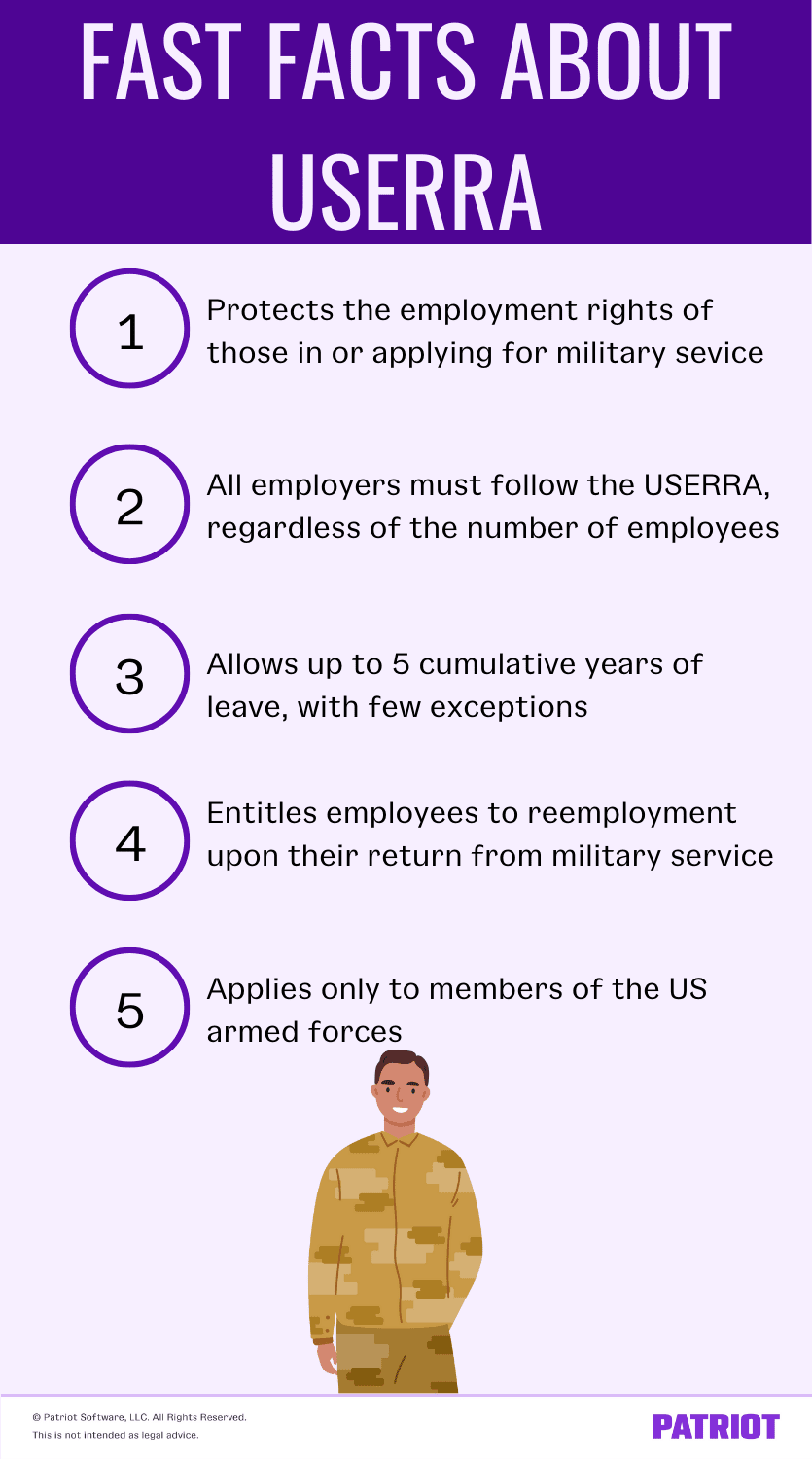
At its core, USERRA is designed to minimize the disadvantages to an individual’s civilian career and employment opportunities that can result from their service in the uniformed services. Passed in 1994, it clarifies and strengthens prior veterans’ reemployment laws, establishing a clear framework for the rights and responsibilities of both service members and their employers. The Act’s foundational principles are deeply intertwined with financial security, ensuring that military service does not lead to a loss of earning potential or career progression.
Who is Covered by USERRA?
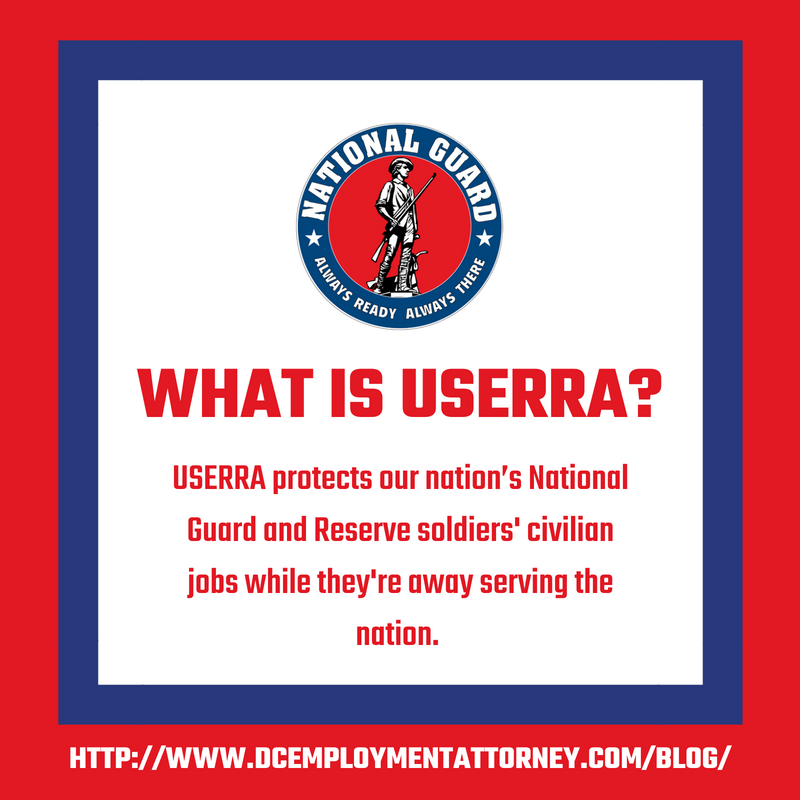
USERRA’s protections extend broadly to individuals who serve in the “uniformed services.” This encompasses not only the active components of the Army, Navy, Air Force, Marine Corps, Coast Guard, and Space Force, but also the Reserves, National Guard (when performing federal or state-ordered duty for training or active service), and commissioned corps of the Public Health Service and the National Oceanic and Atmospheric Administration. Crucially, the law also covers those who apply to join these services, ensuring protection even before active service begins.
From a financial perspective, identifying who is covered is the first step in understanding the vast scope of individuals whose income, benefits, and long-term financial health are directly impacted by this legislation. Whether a Reservist is called to a two-week annual training, or a National Guard member deploys for a year, USERRA ensures their civilian employment remains secure, preventing an abrupt and potentially devastating interruption to their household income.
Key Protections: Reemployment Rights
The cornerstone of USERRA’s financial benefit is its reemployment provisions. The Act provides eligible service members with the right to return to their civilian jobs upon completion of their military service, often under specific conditions designed to prevent financial detriment.
The “escalator principle” is a particularly powerful financial protection. It mandates that a returning service member must be reemployed in the position they would have attained had they not been absent for military service, with the same seniority, status, and pay, as well as other rights and benefits determined by seniority. This means an employer cannot simply offer the old job back if, during the service member’s absence, promotions or pay raises became available to those with similar tenure. The principle aims to ensure that the individual is financially no worse off for having served, effectively “escalating” them to the financial position they would have occupied. This provision directly impacts a service member’s current and future earning potential, ensuring continuity in their career and income trajectory.
There are, of course, certain conditions for reemployment eligibility, such as giving advance notice of service, the cumulative length of service not exceeding five years (with exceptions), and returning to work in a timely manner. However, only in rare circumstances, such as if the employer’s circumstances have changed so drastically as to make reemployment impossible or unreasonable, can an employer deny reemployment. Even then, the employer bears a significant burden of proof, underscoring the strong financial bias in favor of the service member.
Prohibition Against Discrimination
Beyond reemployment, USERRA strictly prohibits discrimination against past, present, or prospective members of the uniformed services. This protection directly safeguards an individual’s financial livelihood at all stages:
- Pre-service: An employer cannot refuse to hire someone because of their military service obligations (e.g., they might be called up). This ensures an individual’s ability to secure employment and an income stream without prejudice.
- During service: An employer cannot terminate or deny benefits to an employee because they are performing military service. This prevents financial penalties or loss of earned benefits while serving.
- Post-service: An employer cannot terminate or discriminate against a returning service member due to their military service. This protects their income, career advancement, and overall financial stability in the long run.
The motivation for discrimination is key; if a person’s military connection is a motivating factor in an adverse employment action, USERRA likely provides protection. This anti-discrimination clause is a critical financial safety net, ensuring that military service does not become a barrier to earning a living or advancing one’s career.
Navigating the Financial Landscape: Benefits and Compensation under USERRA
USERRA’s impact on a service member’s financial well-being extends far beyond just guaranteeing a job. It delves into the specifics of compensation, benefits, and long-term financial planning, ensuring that military service doesn’t create undue financial burdens or gaps in vital coverage.
Health Insurance Continuation
One of the most immediate and significant financial concerns for anyone taking leave from civilian employment is health insurance. USERRA addresses this directly by providing options for health insurance continuation. For service periods of 31 days or more, service members have the right to elect to continue their employer-sponsored health care coverage for up to 24 months, typically by paying the full premium (employer and employee share). This is akin to a COBRA-like benefit, preventing a potentially catastrophic gap in medical coverage for themselves and their families, thereby averting massive out-of-pocket medical expenses.
Upon reemployment, the service member is entitled to immediate reinstatement of their health care coverage, without any waiting periods or exclusions (except for service-connected conditions that are not resolved), as long as the waiting period or exclusion would have been waived had they remained continuously employed. This provision is a powerful financial protection, ensuring uninterrupted access to affordable healthcare benefits.
Pension and Retirement Plan Contributions
Long-term financial security is heavily dependent on retirement savings, and military service can significantly impact an individual’s ability to contribute to and vest in these plans. USERRA provides crucial protections for pension and retirement plan contributions, recognizing the importance of uninterrupted financial growth.
Employers are required to treat service members as if they had remained continuously employed for the purpose of pension benefit accrual. This means that upon reemployment, the service member is entitled to the same benefits under their employer’s pension plan that they would have accrued had they not been absent for military service. Employers must make any missed contributions, and service members are given the opportunity to make up any missed employee contributions within a specific timeframe (usually three times the period of service, not to exceed five years). This provision ensures that military service does not create a financial deficit in an individual’s retirement portfolio, allowing them to accumulate wealth and plan for their post-working years effectively. The financial implications here are substantial, potentially amounting to tens or even hundreds of thousands of dollars over a career.
Other Employee Benefits
USERRA also addresses a range of other employee benefits that contribute to a person’s overall compensation package and financial health. These can include:
- Vacation and Sick Leave: Service members are generally entitled to the vacation and sick leave benefits they would have accrued had they remained continuously employed. This can prevent a financial loss from forfeited leave or a lack of paid time off upon return.
- Bonuses and Merit Pay: If bonuses or merit pay are tied to seniority or performance over a period including military service, USERRA dictates how these should be handled to ensure fair compensation.
- Life Insurance and Disability Benefits: The Act ensures continuity or reinstatement of these vital protections, preventing gaps that could have severe financial consequences for families in the event of unforeseen circumstances.
By ensuring the continuation or reinstatement of these diverse benefits, USERRA paints a comprehensive picture of financial protection, ensuring that military service does not erode the total compensation an individual receives from their civilian employer.
USERRA for Employers: Financial Compliance and Risk Management
While USERRA primarily protects service members, its implications for employers are equally significant, particularly concerning financial compliance, human resources management, and risk mitigation. Navigating USERRA’s requirements correctly is not just a legal obligation but a strategic financial decision for any organization.
Understanding Employer Obligations and Liabilities
Employers have clear obligations under USERRA, which, if not met, can lead to substantial financial liabilities. These obligations include:
- Prompt reemployment of eligible service members.
- Adherence to the escalator principle regarding seniority, status, and pay.
- Continuation of health insurance options and pension contributions.
- Prohibition of discrimination based on military service.
Failure to comply with these obligations can result in significant financial penalties. A service member who believes their USERRA rights have been violated can file a complaint with the Department of Labor (DOL). If a violation is found, the DOL can pursue corrective action, which might include ordering the employer to reemploy the individual, pay lost wages and benefits (including interest), and potentially pay liquidated damages in cases of willful violation. Legal fees, both for defense and potentially for the plaintiff, can quickly escalate, turning a simple oversight into a substantial financial drain for the company. The financial risk of non-compliance is thus a compelling reason for employers to understand and meticulously follow USERRA guidelines.
Best Practices for Financial Management and Reintegration
Proactive financial management and well-structured reintegration strategies are essential for employers to mitigate USERRA-related risks and foster a supportive environment. Best practices include:
- Robust HR Policies: Developing clear, comprehensive HR policies that detail USERRA rights and employer obligations. These policies should be regularly reviewed and communicated to all employees and managers.
- Budgeting for Reemployment: Factoring potential reemployment costs into financial planning. This includes budgeting for back pay if an employee’s salary has increased under the escalator principle, or for potential health insurance contributions.
- Manager Training: Training managers and supervisors on USERRA’s requirements to ensure they understand their role in facilitating military leave and reemployment, preventing accidental discrimination or non-compliance.
- Communication: Maintaining open lines of communication with employees on military leave, where appropriate and within legal bounds, to understand their return timeline and facilitate a smooth transition back into the workforce.
By implementing these best practices, employers can not only avoid costly legal disputes but also foster a positive corporate culture that values military service, which can lead to indirect financial benefits through enhanced employee morale, retention, and a strong brand reputation.
The Cost of Non-Compliance vs. The Value of Support
The financial implications of USERRA extend beyond direct costs and penalties. There’s a clear financial argument for investing in compliance and support for service members:
- Cost of Non-Compliance: Legal battles, fines, back wages, and potential damage to an employer’s reputation can be financially crippling. The negative publicity from a USERRA violation can deter potential talent and impact customer perception, leading to long-term financial consequences.
- Value of Support: Conversely, an employer known for fully supporting its service member employees gains several benefits. These include access to a highly skilled, disciplined, and diverse talent pool, enhanced employee loyalty and retention (reducing turnover costs), and a positive corporate image. While harder to quantify, these “soft” benefits translate into real financial value over time, contributing to a stable and productive workforce. Investing in USERRA compliance is therefore not merely a cost, but an investment in human capital and organizational resilience.
Empowering Service Members: Taking Control of Your Financial Future with USERRA
For service members, USERRA is a powerful tool for financial security, but its effectiveness hinges on their awareness and proactive engagement. Understanding one’s rights and responsibilities is the first step in leveraging this legislation to protect and enhance personal financial well-being.
Knowing Your Rights and Responsibilities
Service members have a crucial role in ensuring their USERRA rights are upheld. Key actions include:
- Providing Notice: Giving their employer advance written or verbal notice of their military service, whenever possible, is a fundamental responsibility. This allows employers to plan for their absence and prepare for their return, minimizing potential friction.
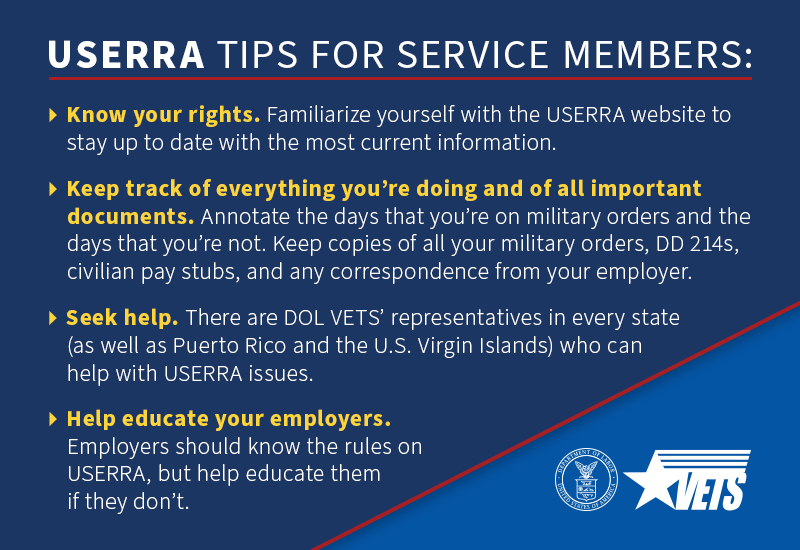
- Maintaining Documentation: Keeping detailed records of their service dates, communications with their employer, and any relevant employment documents. This documentation can be invaluable if a dispute arises.
- Understanding Reemployment Timelines: Being aware of the specific deadlines for applying for reemployment after military service (which vary based on the length of service). Missing these deadlines can jeopardize their rights.
Being informed and proactive about these responsibilities empowers service members to navigate their military and civilian careers without fear of financial reprisal.
Addressing Disputes and Seeking Redress
If a service member believes their USERRA rights have been violated, there are clear avenues for seeking redress, designed to protect their financial interests:
- Informal Resolution: Often, disputes can be resolved informally by communicating directly with the employer, perhaps with the assistance of a human resources representative. This is often the quickest and least costly path.
- Department of Labor (DOL) Assistance: The Department of Labor’s Veterans’ Employment and Training Service (VETS) is authorized to investigate complaints under USERRA. VETS provides free assistance to service members and veterans in resolving reemployment disputes with their civilian employers. This can include mediation, fact-finding, and negotiation.
- Legal Action: If VETS is unable to resolve a complaint, the service member can request that their case be referred to the Department of Justice for potential litigation, or they can pursue private legal action. These steps are critical for recovering lost wages, benefits, and ensuring their financial stability is restored.
Knowing these pathways provides a critical financial safety net, ensuring that service members have recourse to protect their income and benefits if their rights are infringed upon.
Integrating USERRA into Personal Financial Planning
For service members, USERRA should be an integral component of their personal financial planning strategy.
- Emergency Funds: Recognizing the potential (though mitigated by USERRA) for income fluctuations or unexpected delays, maintaining a robust emergency fund is always wise.
- Insurance Reviews: Regularly reviewing health, life, and disability insurance policies, especially before and after periods of military service, to ensure continuity of coverage for their family’s financial protection.
- Retirement Planning: Understanding how USERRA protects retirement contributions allows service members to plan confidently for their long-term financial goals, knowing their military service won’t derail their savings trajectory. They should proactively ensure missed contributions are made up upon reemployment.
By weaving USERRA awareness into their financial planning, service members can build greater resilience and ensure their selfless service does not come at the expense of their financial future.
Conclusion
The Uniformed Services Employment and Reemployment Rights Act stands as a critical pillar of financial protection for America’s service members, directly influencing their personal income, benefits, and long-term financial security. From guaranteeing reemployment under the escalator principle to safeguarding health insurance and retirement contributions, USERRA ensures that the commitment to military service does not result in an economic penalty. For employers, understanding and complying with USERRA is not merely a legal obligation but a crucial element of financial risk management and a strategic investment in a valuable talent pool. For service members, empowering themselves with knowledge of their USERRA rights and responsibilities is paramount to navigating their careers with confidence and securing their financial future. In a world where financial stability is increasingly fragile, USERRA serves as an indispensable safety net, honoring the sacrifices of those who serve by protecting their economic well-being.
aViewFromTheCave is a participant in the Amazon Services LLC Associates Program, an affiliate advertising program designed to provide a means for sites to earn advertising fees by advertising and linking to Amazon.com. Amazon, the Amazon logo, AmazonSupply, and the AmazonSupply logo are trademarks of Amazon.com, Inc. or its affiliates. As an Amazon Associate we earn affiliate commissions from qualifying purchases.