
In an increasingly visual and symbolic world, understanding how images communicate identity, values, and belonging is paramount. While many fields delve into visual communication, there’s a specific, fascinating discipline dedicated to perhaps the oldest and most potent form of collective identity: flags. This specialized study, known as vexillology, offers profound insights not just into history and culture, but also into the very essence of brand identity, strategic design, and emotional connection. For those invested in building powerful brands, comprehending the principles and impact of flags provides a unique lens through which to view corporate identity, marketing, and visual communication.
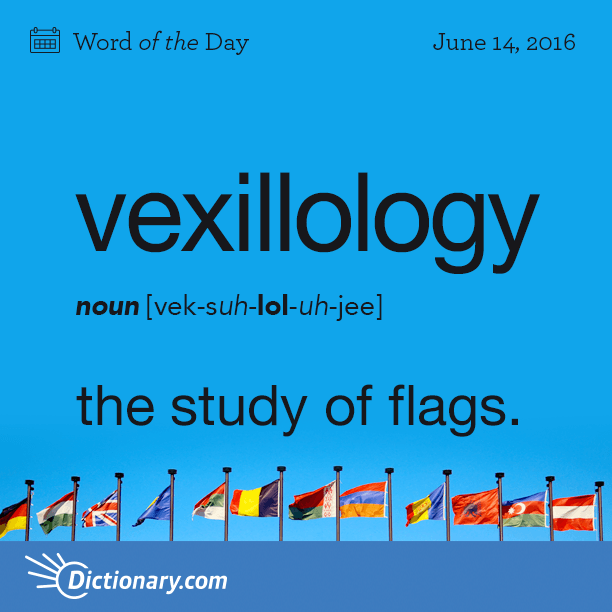
At its core, vexillology is far more than just cataloging national banners; it’s the scientific and systematic exploration of flags in all their forms. From their intricate designs and embedded symbolism to their historical evolution and psychological impact, vexillology unveils how these pieces of fabric become powerful, enduring symbols. When viewed through the lens of branding, flags emerge as masterclasses in visual semiotics, embodying principles of simplicity, memorability, and emotional resonance that every brand strategist strives to achieve. They are, in essence, the ultimate visual shorthand for complex identities, conveying entire narratives in a single glance.
Vexillology: Unpacking the Science of Symbols
The disciplined study of flags, vexillology, traces its roots to the mid-20th century, though humans have been creating, displaying, and studying banners for millennia. Its formalization has allowed for a structured approach to understanding one of humanity’s most universal forms of non-verbal communication.
The Etymology and Scope of Vexillology
The term “vexillology” itself is a hybrid, derived from the Latin word “vexillum,” which referred to a type of standard used by Roman legions (a cloth banner hung from a crossbar on a pole), and the Greek suffix “-logia,” meaning “study of.” Coined in 1957 by American scholar Whitney Smith, who is widely regarded as the father of modern vexillology, the field encompasses a comprehensive examination of flags. This includes their historical development across civilizations, the specific meanings embedded within their colors, shapes, and emblems, the principles governing their design, their diverse uses in different contexts (military, maritime, national, organizational), and their cultural and psychological impact on individuals and groups.
Vexillologists analyze everything from the thread count of historical flags to the political implications of a new national banner’s adoption. They decode the narrative woven into every stripe, star, and symbol, understanding that a flag is never just a piece of cloth; it is a repository of history, aspiration, and identity. This analytical rigor makes vexillology an invaluable resource for anyone seeking to understand the power of visual communication and symbolic representation.
Beyond National Banners: Diverse Applications
While national flags are often the first images that come to mind, vexillology’s scope is far broader. It delves into the vast array of flags used globally, each serving as a distinct identifier and communicator. This includes:
- Sub-national flags: Flags of states, provinces, cities, and regions (e.g., the iconic Chicago city flag, a masterclass in local branding).
- Organizational flags: Banners for international bodies (United Nations, NATO), corporate entities (shipping lines, airlines), and charitable organizations.
- Historical flags: Standards of ancient empires, medieval guilds, and revolutionary movements, offering glimpses into past identities and power structures.
- Signal flags: The intricate systems of maritime signal flags used to convey messages between vessels.
- Sporting flags: Team pennants, championship banners, and fan flags that foster fierce loyalty and identity.
- Personal standards: Royal standards, presidential flags, and other personalized banners signifying authority or presence.
Each of these flags functions as a powerful, non-verbal communication tool, instantly conveying affiliation, status, and message. For a brand strategist, this diversity highlights the universal human need for visual markers of identity and belonging – a need that successful brands tap into every day.
Flags as the Ultimate Brand Identity Markers
In the realm of branding, a logo is often seen as the cornerstone of visual identity. Yet, flags predate modern corporate logos by millennia, perfecting the art of concise, impactful visual communication long before “brand identity” was a recognized concept. They are, quite simply, the ultimate brand identity markers.
Visual Semiotics: Decoding Flag Symbolism
Just as a brand’s logo, color palette, and typography are carefully chosen to convey its essence, every element of a flag is laden with meaning. Vexillology delves into the “visual semiotics” of flags, interpreting how colors, shapes, and emblems combine to tell a story, represent values, and evoke specific emotions.
- Colors: Red often symbolizes courage, sacrifice, or revolution; blue, peace, water, or justice; white, purity or peace; green, nature, agriculture, or Islam. These associations are deeply ingrained in cultural consciousness.
- Shapes and Patterns: Stripes can represent unity, equality, or historical divisions; stars, sovereignty, states, or aspirations; crosses, faith or geographic location.
- Emblems: Animals, plants, tools, or abstract symbols often represent national characteristics, history, or key industries. The Canadian maple leaf, for instance, is an unmistakable symbol of the nation’s natural heritage and identity.
A well-designed flag, like a strong brand logo, transcends language barriers. It communicates instantly and powerfully, creating a shared understanding and emotional connection among its viewers. This makes flags an incredibly rich subject for studying how visual elements coalesce to form a comprehensive, emotionally resonant identity – a lesson critical for any brand attempting to craft a universally recognizable and meaningful presence.
Simplicity and Memorability: Lessons from Flag Design
The principles of good flag design, often articulated by vexillologists, closely mirror those of effective logo and brand design. Ted Kaye’s “Five Basic Principles of Flag Design” are particularly illuminating:
- Keep it Simple: The flag should be so simple that a child can draw it from memory. (Think Nike swoosh, Apple logo).
- Use Meaningful Symbolism: The flag’s images, colors, or patterns should relate to what it symbolizes. (Think FedEx arrow, Amazon smile).
- Use 2-3 Basic Colors: Limit the color palette to those that contrast well and come from the standard color set. (Think Google’s primary colors, Coca-Cola’s red and white).
- No Lettering or Seals: Avoid writing or using intricate seals that are hard to discern from a distance. (Think simple, iconic logos over detailed corporate seals).
- Be Distinctive or Related: The flag should be unique but also evoke associations with other flags if appropriate (e.g., sharing a common pan-African color scheme).
These principles are not just aesthetic guidelines; they are functional requirements for symbols that need to be instantly recognizable, easily reproducible, and meaningful across diverse contexts. A flag flapping in the wind, seen from a distance, or printed in miniature, must still convey its message. This parallels the challenge faced by modern brands whose logos must work across billboards, social media avatars, app icons, and merchandise. Vexillology teaches that simplicity and distinctiveness are not just desirable; they are essential for enduring symbolic power.
Evoking Emotion and Loyalty: The Brand Connection
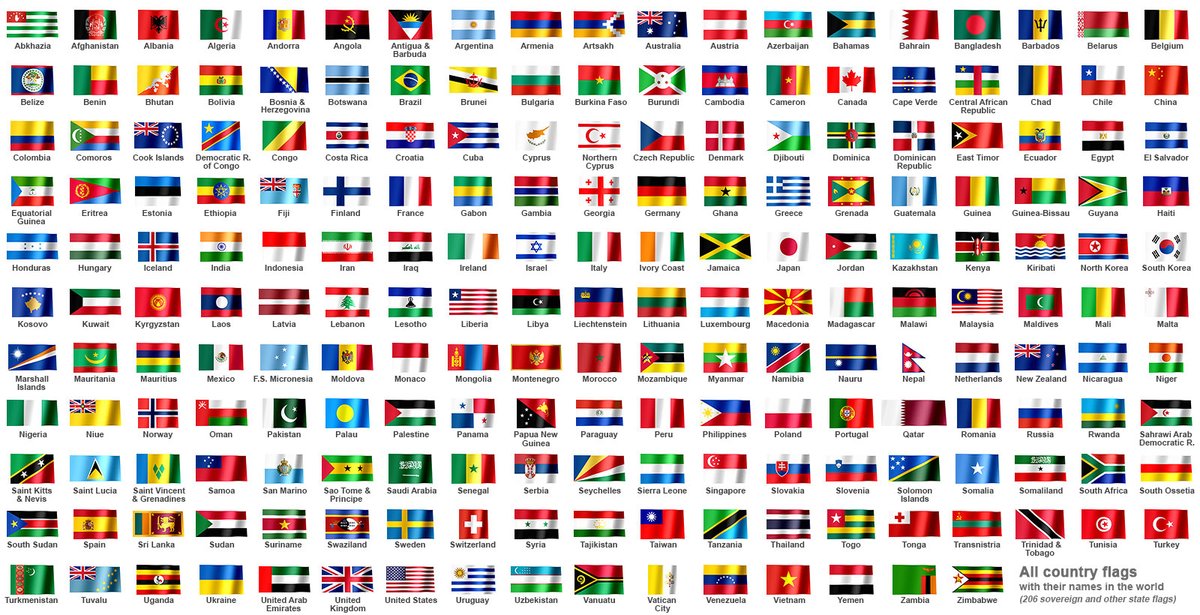
Perhaps the most profound connection between flags and branding lies in their unparalleled ability to evoke deep emotion and foster fierce loyalty. A national flag can inspire pride, unity, sorrow, or defiance. It is saluted, flown at half-mast, celebrated, and sometimes even burned in protest. The emotional weight attached to a flag is immense, far surpassing what most commercial brands can hope to achieve.
This emotional resonance is a direct outcome of the flag’s role as a symbol of collective identity. It represents shared history, values, struggles, and aspirations. When people see their flag, they see themselves, their community, and their place in the world. Successful brands strive for a similar, albeit commercial, level of emotional engagement. They aim to create a sense of belonging, to align with customer values, and to inspire loyalty beyond mere product utility. Studying how flags achieve such potent emotional connection offers invaluable lessons for brand strategists on cultivating deep, meaningful relationships with their audiences.
The Strategic Impact of Flag Design and Evolution
The strategic implications of vexillology extend beyond mere aesthetics. Understanding how flags are designed, evolve, and are perceived provides critical insights into brand longevity, global communication, and the very narrative of identity.
Historical Narrative and Brand Storytelling
Flags are living documents, often evolving to reflect significant shifts in a nation’s or organization’s identity. Changes in a flag’s design – the addition or removal of a star, the alteration of colors, the introduction of a new emblem – tell a powerful story of historical transitions, political changes, or evolving values. For example, the many iterations of the American flag reflect the growth of the nation, while post-colonial African flags often incorporate elements signifying newly gained independence and pan-African unity.
This dynamic evolution is akin to a brand’s ongoing narrative. A brand’s visual identity, messaging, and even its core values can shift over time to reflect market changes, new leadership, or evolving societal norms. Vexillology demonstrates how these visual shifts are not just cosmetic, but are integral to communicating a brand’s evolving story and maintaining its relevance and authenticity in the eyes of its audience.
Global Branding and Cultural Sensitivity
For international brands, understanding the cultural significance of flags is not just beneficial; it is essential for avoiding costly mistakes and leveraging positive associations. Colors, symbols, and even the general layout of a flag carry specific meanings that vary across cultures. What might be an innocuous design in one country could be offensive or carry unintended connotations in another.
A vexillological perspective trains marketers to be acutely aware of these cultural nuances. When designing packaging for global markets, crafting advertising campaigns that feature national symbols, or even selecting color palettes for products, knowledge of flag symbolism can prevent cultural faux pas and ensure that brand messages resonate positively with diverse audiences. It underlines the importance of thorough cultural research in any global branding strategy, treating national symbols with the respect and understanding they command.
Corporate Flags and Organizational Identity
While national flags often dominate discussions, the concept extends directly to corporate and organizational identity. Major shipping companies, for instance, have distinct house flags that fly from their vessels, instantly identifying their fleet across the world’s oceans. International organizations like the United Nations, the Red Cross, or the Olympic Committee all possess instantly recognizable flags that serve as global symbols of their missions, values, and authority.
These corporate and organizational flags perform the same function as national banners: they establish a clear visual identity, communicate affiliation, and foster a sense of shared purpose among employees, members, and external stakeholders. They are visible manifestations of a collective entity’s presence and ethos, reinforcing its brand in a tangible, traditional manner.
Vexillology in the Modern Brand Landscape
Even in the digital age, the principles of vexillology remain profoundly relevant, adapting to new mediums and continuing to influence how we perceive and communicate identity.
Digital Flags and Online Identity
In the hyper-connected world of the internet, flags have found new life as ubiquitous digital icons. Country flags are used as emojis, language selectors on websites, indicators of geographical origin on social media profiles, and national team representations in online gaming. They are compact, instantly recognizable symbols that convey a wealth of information in minimal digital real estate.
This digital prevalence underscores the enduring power of flags as efficient visual communicators. For digital brands, the lesson is clear: simple, meaningful, and instantly recognizable icons are critical for effective communication in crowded digital spaces. The principles of good flag design—simplicity, distinctiveness, and meaningful symbolism—are directly applicable to crafting effective app icons, user interface elements, and other digital brand assets.
The Power of a Distinctive “Brand”: Case Studies from Cities/Regions
Beyond nations, many cities and regions have embraced the power of well-designed flags to cultivate a unique “place brand.” The city of Chicago’s flag, with its four red stars (representing major historical events) and two blue stripes (representing the Chicago River and Lake Michigan) on a white field, is an outstanding example. It’s so beloved and widely adopted that it’s seen everywhere from local businesses to tattoos. This flag has become an integral part of Chicago’s identity, fostering immense local pride and serving as a powerful visual ambassador for the city.
Such examples illustrate how vexillology provides a blueprint for effective place branding. A strong, distinctive flag can encapsulate the essence of a location, create a sense of shared community, and project a compelling image to the world, much like a successful corporate brand does for its products or services.
Conclusion
The study of flags, vexillology, is a niche discipline that offers an unexpectedly rich tapestry of insights for the world of branding and corporate identity. By dissecting the history, design, symbolism, and psychological impact of flags, vexillology provides a masterclass in visual communication, demonstrating how simple yet profound symbols can forge powerful identities, evoke deep emotions, and tell compelling stories across centuries and cultures.
For brand strategists, marketers, and designers, vexillology is not just an academic curiosity; it is a vital lens through which to understand the enduring power of visual symbolism. It teaches us the importance of simplicity, meaningful design, and emotional resonance in crafting identities that captivate, unite, and endure. In a world saturated with visual noise, the elegant effectiveness of a well-designed flag stands as a timeless testament to the art of creating an unforgettable brand. Ultimately, flags are arguably the oldest and most potent forms of branding, and their study continues to illuminate the profound impact of visual identity on human experience.
aViewFromTheCave is a participant in the Amazon Services LLC Associates Program, an affiliate advertising program designed to provide a means for sites to earn advertising fees by advertising and linking to Amazon.com. Amazon, the Amazon logo, AmazonSupply, and the AmazonSupply logo are trademarks of Amazon.com, Inc. or its affiliates. As an Amazon Associate we earn affiliate commissions from qualifying purchases.