
In the traditional landscape of marketing, gender was the primary lens through which products were conceptualized, designed, and sold. We lived in a world of “pink for girls” and “blue for boys,” a binary strategy that simplified consumer segmentation for decades. However, as cultural paradigms shift and consumer values evolve, the concept of “unisex” has migrated from a niche fashion trend to a sophisticated pillar of brand strategy.
In a modern branding context, unisex refers to a strategic approach where a brand identity, product line, or marketing message is intentionally designed to transcend gender boundaries. This is not merely about making a product “neutral”; it is a calculated move toward inclusivity, efficiency, and universal appeal. For businesses, adopting a unisex brand strategy is no longer just a social statement—it is a powerful tool for market expansion and long-term brand equity.

The Shift from Gendered Marketing to Universal Appeal
The history of branding is steeped in gender segmentation. Throughout the 20th century, marketers relied on the “Pink it and Shrink it” philosophy—taking a standard product, making it smaller or pink, and charging a “pink tax” to market it specifically to women. Conversely, products for men were often coded with rugged, dark, or aggressive imagery. While this served a purpose in a more rigid societal structure, it is increasingly seen as an outdated and limiting practice.
The Decline of “Pink it and Shrink it”
Modern consumers are increasingly resistant to overt gender stereotyping. The “Pink it and Shrink it” era failed because it assumed that gender was the most important variable in a purchasing decision. Today, data suggests that functionality, ethics, and aesthetic alignment are far more influential. Brands that continue to rely on lazy gender tropes often find themselves alienated from younger demographics, particularly Gen Z and Millennials, who view gender as a spectrum rather than a binary. By removing these artificial barriers, brands can speak to the “human” rather than the “gendered consumer.”
Understanding the Modern Consumer Psychology
The psychological shift toward unisex branding is driven by a desire for authenticity. Consumers are looking for brands that reflect their personal values of equality and fluidity. When a brand adopts a unisex identity, it signals that it values the individual’s needs over traditional societal expectations. This builds a deeper level of trust. Furthermore, the “unisex” label often carries a connotation of quality and utility; because the product is meant to work for everyone, there is an implicit promise that it has been designed with a focus on core performance rather than superficial styling.
Building a Unisex Brand Identity: Design and Visual Language
Creating a successful unisex brand requires more than just removing gendered pronouns from your copy. It demands a holistic reimagining of the brand’s visual and verbal language. A unisex brand must strike a delicate balance: it needs to be inclusive without being bland, and universal without losing its distinct character.
Minimalist Aesthetics and Color Theory
One of the most effective ways to establish a unisex brand identity is through minimalism. By stripping away the ornamental flourishes traditionally associated with “masculine” or “feminine” design, brands can achieve a timeless, neutral aesthetic.
Color theory plays a crucial role here. Instead of the binary of pastels versus dark tones, unisex brands often lean into a palette of earthy neutrals (beige, sage, terracotta), sophisticated monochromes (black, white, slate), or vibrant primary colors that feel energetic rather than gendered. For example, a brand using a deep forest green and cream palette communicates organic quality and sophistication—traits that appeal across the board.
Typography and Non-Binary Imagery
Typography is another powerful tool in the brand strategist’s arsenal. Scripted, delicate fonts have long been coded as feminine, while bold, heavy serifs were seen as masculine. Unisex branding often utilizes clean, geometric sans-serif fonts or modern slabs that feel balanced and objective.
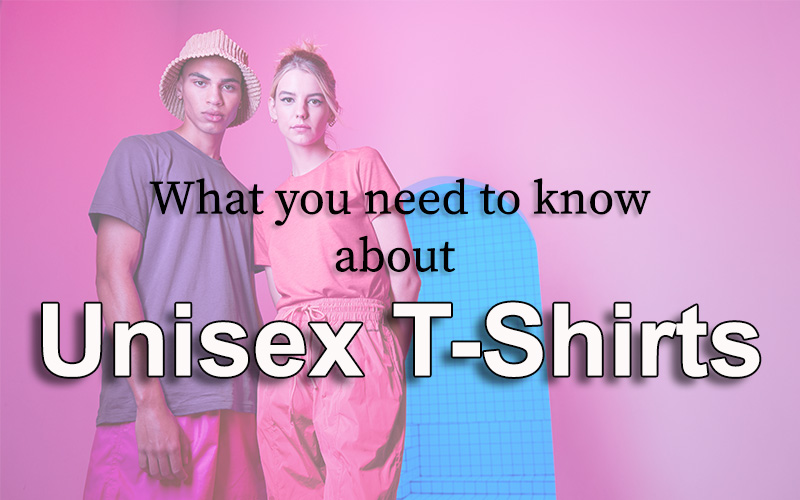
Similarly, imagery must move away from traditional archetypes. Instead of featuring a lone male athlete or a female model in a domestic setting, unisex branding focuses on lifestyle imagery that emphasizes the product’s use-case. Photography often features diverse groups, focus on the product’s textures, or uses abstract compositions that allow the consumer to project their own identity onto the brand.
Strategic Implementation: Case Studies in Unisex Success
To understand how unisex branding functions in the real world, we can look at industries that have successfully pivoted away from gendered silos. These brands have demonstrated that a “one-size-fits-all” psychological approach can lead to significant market dominance.
Beauty and Skincare: The Ordinary and Aesop
The beauty industry was arguably the most gender-segregated market in existence. However, brands like Aesop and The Ordinary have revolutionized the space by focusing on “skin health” rather than “beauty.”
Aesop uses clinical, apothecary-style packaging and a sophisticated, literary tone of voice. Their stores look like high-end laboratories or art galleries. By focusing on the science of the ingredients and the sensory experience of the product, Aesop attracts all genders equally. The Ordinary took a similar path, using minimalist, lab-grade dropper bottles and technical names. This “functional branding” removes the gendered “prestige” typically associated with skincare, making it accessible and appealing to a universal audience.
Fashion and Apparel: The Rise of Fluid Collections
While unisex clothing has existed for decades, it was often relegated to basic hoodies and t-shirts. Today, high-fashion and streetwear brands are integrating “gender-fluid” collections into their core identity. Brands like Telfar and 69 Worldwide do not categorize their websites by “Men” or “Women.”
This strategy does more than just simplify the shopping experience; it creates a “community brand.” When a brand like Telfar releases a bag that is marketed as “not for you, for everyone,” it creates a powerful sense of belonging. The brand becomes a symbol of a shared philosophy rather than a gendered accessory. This has allowed Telfar to achieve “it-bag” status with a much wider audience than traditional luxury houses that segment their handbags strictly for women.
The Economic and Social Impact of Unisex Positioning
Beyond the aesthetic and cultural benefits, unisex branding offers tangible economic advantages. From a corporate strategy perspective, a unisex approach can streamline operations and maximize profitability.
Expanding Market Reach and ROI
The most immediate benefit of a unisex brand is the doubling of the potential target market. When a product is marketed to everyone, the Return on Investment (ROI) for marketing campaigns increases significantly. You no longer need two separate creative teams to design two separate campaigns for the same product.
Furthermore, unisex branding reduces SKU (Stock Keeping Unit) complexity. In industries like fragrance or apparel, producing one high-quality unisex line instead of two gendered lines reduces manufacturing costs, simplifies inventory management, and minimizes the risk of overstocking a product that only appeals to half the population. This operational efficiency is a major driver for startups and established corporations alike.

Future-Proofing Brands Against Societal Shifts
We are currently witnessing a historic shift in how society perceives identity. According to various studies, a significant percentage of Gen Z consumers do not believe that gender should define a person’s choices or purchases. By adopting a unisex brand strategy now, companies are future-proofing themselves.
A brand that is built on universal principles is less likely to become obsolete as societal norms continue to evolve. It allows the brand to remain agile. If a company’s identity is tied to a specific “masculine” or “feminine” ideal, any shift in what those terms mean can threaten the brand’s relevance. A unisex brand, however, is built on more stable foundations: quality, utility, and inclusivity.
In conclusion, “unisex” in the world of branding is much more than a label; it is a sophisticated strategic framework. By moving beyond the binary, brands can create more meaningful connections with their customers, streamline their operations, and build a visual identity that is both modern and timeless. In the future of commerce, the most successful brands won’t be the ones that tell us who we should be based on our gender, but the ones that provide us with the tools to be whoever we want to be.
aViewFromTheCave is a participant in the Amazon Services LLC Associates Program, an affiliate advertising program designed to provide a means for sites to earn advertising fees by advertising and linking to Amazon.com. Amazon, the Amazon logo, AmazonSupply, and the AmazonSupply logo are trademarks of Amazon.com, Inc. or its affiliates. As an Amazon Associate we earn affiliate commissions from qualifying purchases.