
In an increasingly interconnected world driven by rapid technological advancement, precision, standardization, and universal understanding are not merely advantageous – they are critical. At the heart of this global technical ecosystem lies the metric system, also known as the International System of Units (SI). Far more than just a collection of measurement units, the metric system is a coherent, decimal-based framework that provides the indispensable language for science, engineering, manufacturing, and digital innovation worldwide. Its logical structure and universal adoption by the vast majority of nations make it the bedrock upon which modern technology is built, facilitating everything from the minute calculations of semiconductor design to the vast logistical operations of global supply chains. Understanding “what is the metric system” is, therefore, to grasp a fundamental enabler of today’s technological landscape and a prerequisite for tomorrow’s breakthroughs.
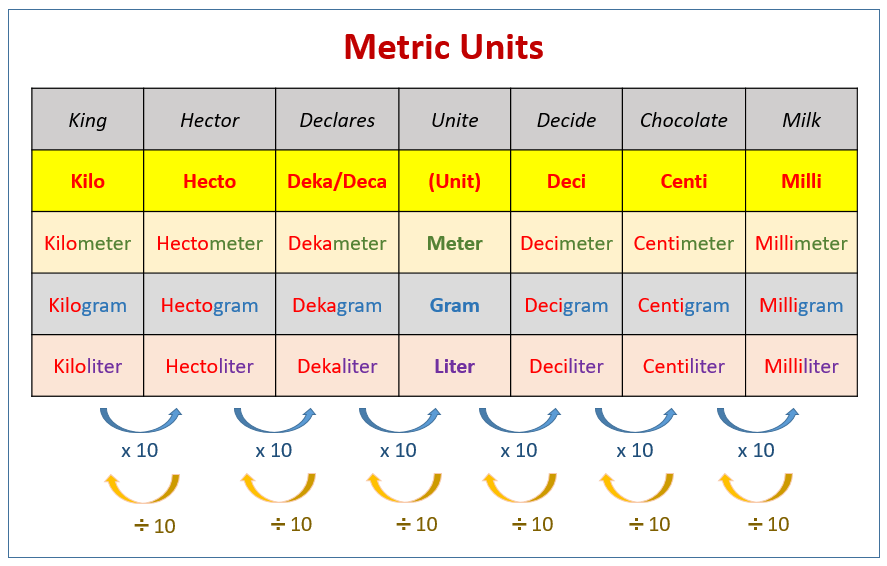
The Precision Imperative: Why Tech Relies on Metric Units
The very essence of technology hinges on accuracy and predictability. From the earliest machines to the most advanced AI systems, every component, every process, and every data point requires precise measurement. The metric system provides this exactitude, making it an indispensable tool for engineers, scientists, and developers across every tech domain. Its logical structure, based on powers of ten, inherently minimizes errors and simplifies calculations, accelerating iterative design and ensuring functional reliability.
Engineering and Manufacturing Excellence
In the realm of engineering and manufacturing, the metric system is the undisputed standard for achieving precision and interoperability. Modern engineering design, whether for aerospace components, automotive parts, or microprocessors, relies on CAD (Computer-Aided Design) software that predominantly operates in metric units. This uniformity allows engineers across different companies and countries to collaborate on complex projects, sharing designs and specifications without ambiguity. CNC (Computer Numerical Control) machines, robots, and automated assembly lines are calibrated and programmed using metric dimensions, ensuring that parts are manufactured to exact tolerances. The ability to specify dimensions in millimeters, meters, or kilograms eliminates conversion errors that could otherwise lead to costly reworks, product failures, or even catastrophic incidents. This foundational reliance on metric units is what enables the intricate assemblies of smartphones, the robust structures of bridges, and the precise movements of medical devices.
Scientific Research and Development
Science is the precursor to technology, and for centuries, the scientific community has embraced the metric system as its universal language. From particle physics experiments requiring measurements at the nanoscale to astronomical observations spanning light-years, the SI system provides the consistency needed to record, share, and validate discoveries. In fields like materials science, biotechnology, and quantum computing – areas driving much of today’s technological innovation – every experiment, every observation, and every simulation is quantified using metric units. This standardization ensures that research findings are reproducible and comparable across international laboratories, fostering global collaboration and accelerating the pace of discovery. Without a common measurement framework, scientific progress would be fragmented, hindering the development of new technologies that emerge directly from fundamental research.
Software and Data Management
In the digital age, software is the interface through which we interact with, design, and analyze technology. For applications ranging from scientific simulations and engineering software to IoT (Internet of Things) platforms and data analytics tools, handling units correctly is paramount. The metric system simplifies unit management within software by providing a coherent framework where conversions between different scales (e.g., millimeters to meters) are straightforward decimal shifts. This coherence reduces the complexity of programming unit conversion functions and minimizes the risk of errors that can arise from inconsistent unit handling. Data collected from sensors, whether measuring temperature, pressure, or distance, is often natively recorded and processed in metric units, streamlining data integration and analysis. Furthermore, in fields like geospatial technology and mapping, metric units (like meters for altitude and distance) provide the precise spatial context necessary for accurate navigation and data visualization.
A Universal Language for Global Collaboration and Innovation
The metric system transcends national borders, serving as a common idiom that facilitates international cooperation and drives global innovation. In an era where technological projects are increasingly multinational, and supply chains span continents, a shared understanding of measurements is not just convenient but essential for efficiency, safety, and progress.
International Standards and Interoperability
The global technology ecosystem relies heavily on international standards to ensure interoperability and compatibility between products and systems from different manufacturers and countries. Organizations like the International Organization for Standardization (ISO) and the International Electrotechnical Commission (IEC) develop thousands of technical standards, virtually all of which are anchored in the metric system. These standards govern everything from data communication protocols and software interfaces to manufacturing processes and safety specifications. By mandating metric units, these bodies ensure that a component manufactured in Asia can seamlessly integrate into a system assembled in Europe, or that software developed in North America can correctly interpret data generated by sensors in Africa. This foundational standardization, enabled by the metric system, is a cornerstone of globalization in technology, fostering open markets and accelerating the adoption of new innovations.
Supply Chain and Logistics in a Connected World
The intricate web of modern technology supply chains demands flawless coordination across geographical distances. From the raw materials mined in one country to the finished products assembled in another and distributed globally, every step involves precise measurement. The metric system is critical for optimizing global logistics, ensuring that container ships, cargo planes, and trucks are loaded efficiently, and that components fit perfectly into their designated spaces. Standardized metric dimensions for shipping containers, pallets, and packaging streamline customs procedures and reduce transit times. Furthermore, the mass of goods, often measured in kilograms, is crucial for calculating shipping costs and ensuring load limits are respected, preventing damage and improving safety. Without the metric system providing a consistent language for these operations, the global flow of technological components and products would be plagued by inefficiencies and significant delays.
Education and Workforce Development
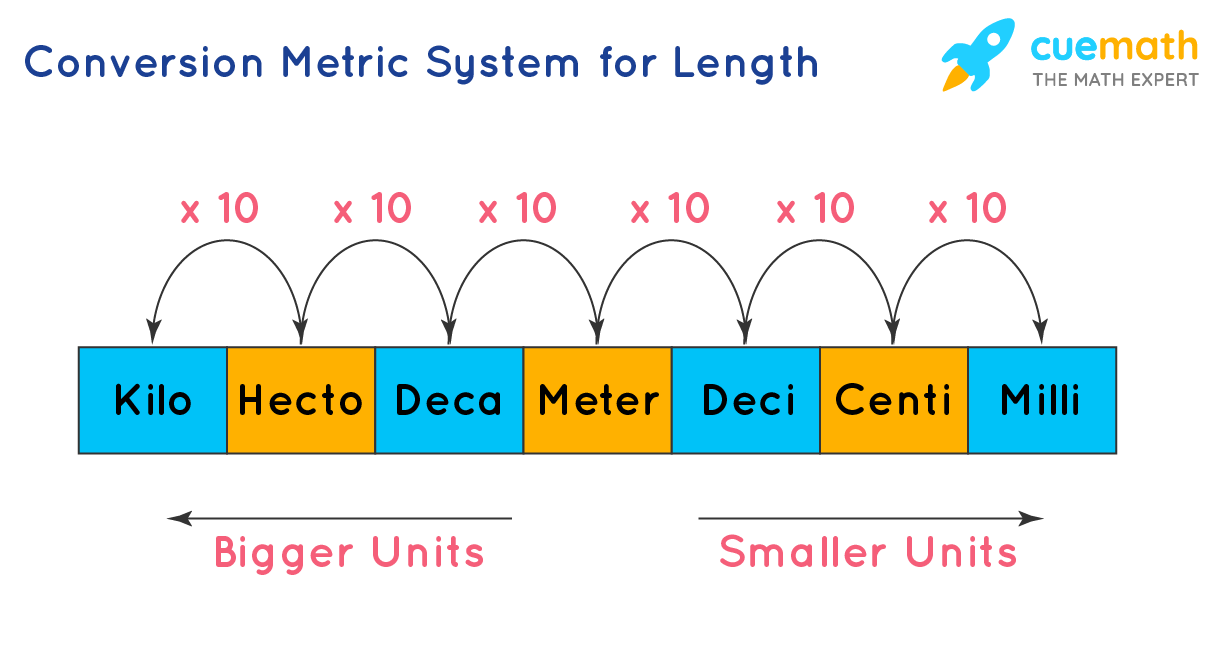
For the global technology sector to thrive, it requires a highly skilled workforce capable of understanding and applying complex technical principles. The widespread adoption of the metric system simplifies STEM (Science, Technology, Engineering, and Mathematics) education globally. Students in most countries learn foundational physics, chemistry, and engineering concepts using metric units from an early age, creating a common educational baseline. This consistency enables easier knowledge transfer, facilitates academic exchange programs, and ensures that graduates are prepared for a globalized workforce. A unified system of measurement reduces the cognitive load associated with learning multiple, disparate systems, allowing educators to focus on deeper conceptual understanding rather than rote conversion. This global alignment in education is crucial for fostering collaboration among future scientists, engineers, and tech innovators, enabling them to communicate seamlessly and contribute to international projects.
Bridging the Divide: Adopting Metric in a Hybrid World
While the metric system is the international standard for technology, a few nations, most notably the United States, still predominantly use customary units in everyday life. This creates a fascinating challenge for tech companies operating globally, necessitating strategies to bridge this measurement divide and ensure consistency in a hybrid world.
Historical Resistance and Economic Inertia
The persistence of non-metric systems in a few key economies, such as the United States, stems from a combination of historical inertia, significant conversion costs, and cultural familiarity. For established industries, the wholesale conversion of manufacturing equipment, documentation, and operational processes to metric can be a daunting and expensive undertaking. This legacy environment creates a unique challenge for tech companies, particularly those with a significant presence in these markets. They must often maintain dual measurement systems, or at least robust conversion protocols, for domestic operations while adhering to metric standards for international partners and products. This duality adds layers of complexity to design, production, and supply chain management, underscoring the ongoing impact of these historical choices on the modern tech landscape.
Software Conversion and Legacy Systems
In a world increasingly reliant on software, managing unit conversions is a critical aspect of system design. Tech companies frequently encounter legacy software or hardware that was originally developed using non-metric units. Integrating these systems with newer, metric-centric platforms requires sophisticated unit conversion engines and robust data validation protocols. Errors in conversion algorithms or overlooked unit discrepancies can lead to significant functional failures or misinterpretations of data. Software developers must employ careful programming practices, utilize comprehensive unit libraries, and implement thorough testing to ensure that all measurements are handled correctly, regardless of their origin. This ongoing task highlights the practical challenges of migrating towards a fully metric digital ecosystem, requiring constant vigilance and smart architectural design.
The Cost of Inconsistency: Examples of Metric-Related Errors
The risks associated with measurement inconsistencies are not theoretical; they have real-world, often costly, consequences. One of the most famous examples is the 1999 Mars Climate Orbiter, which was tragically lost due to a navigation error caused by a mismatch in measurement units. One team used metric units for force, while another used imperial units, leading to incorrect trajectory calculations. This catastrophic failure underscores the absolute necessity of strict adherence to a single, universally understood measurement system in high-stakes technological endeavors. Even less dramatic errors, such as misordered parts due to incorrect dimensions or flawed product specifications, can lead to significant financial losses, reputational damage, and delays in product development and deployment. These incidents serve as powerful reminders of why the metric system’s coherence is paramount in the precise world of technology.
The Future of Measurement: Digital Metrology and Advanced Tech
The metric system is not static; it is a living standard that continually evolves to meet the demands of cutting-edge technology. As science pushes the boundaries of precision and new digital tools emerge, the SI system remains at the forefront, adapting to enable the next generation of technological breakthroughs.
Digital Transformation in Metrology
The field of metrology—the science of measurement—is undergoing a profound digital transformation, further enhancing the power and application of the metric system in tech. Advanced sensors, high-speed data acquisition systems, and AI-powered analytics are revolutionizing how measurements are taken, processed, and utilized. Digital metrology allows for continuous, real-time monitoring of manufacturing processes, enabling predictive maintenance and significantly improving quality control. The creation of “digital twins”—virtual replicas of physical assets—relies on incredibly precise metric measurements to accurately model their real-world counterparts. This integration of advanced digital tools with the metric framework allows tech industries to achieve unprecedented levels of precision, efficiency, and insight, driving innovation from smart factories to intelligent infrastructure.
Redefining the Base Units: A Leap for Precision
A landmark event in the evolution of the metric system occurred in 2019, when the SI base units were redefined not by physical artifacts but by fundamental constants of nature. For example, the kilogram is no longer defined by a physical prototype but by the Planck constant, and the meter is defined by the speed of light. This redefinition significantly enhances the stability, universality, and precision of the SI system, making it independent of any physical object and inherently accessible to anyone with the right equipment. For advanced technology, this means even greater accuracy and reproducibility in fundamental measurements, which is crucial for fields requiring ultra-high precision, such as quantum computing, nanotechnology, and advanced materials engineering. This re-anchoring of the SI system in the fabric of the universe ensures its continued relevance and robustness for future technological challenges.
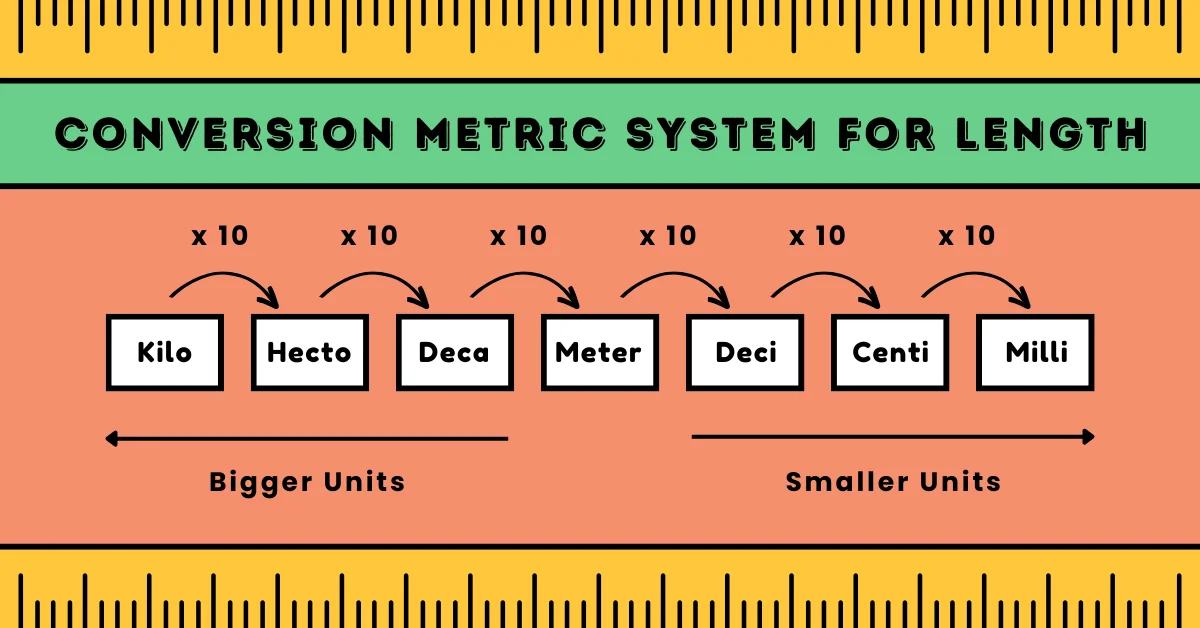
Emerging Technologies and Metric Relevance
As humanity ventures into new frontiers, the metric system remains an indispensable tool. In space exploration, where every gram and millimeter counts, the SI system provides the essential framework for designing spacecraft, calculating trajectories, and conducting experiments in microgravity. Nanotechnology, dealing with structures at the atomic and molecular scale, inherently relies on metric prefixes like nanometers, providing the precise language to describe and manipulate matter at these minuscule dimensions. The development of quantum computing, with its need for extreme precision in controlling quantum states, hinges on the ability to measure and control phenomena with extraordinary accuracy, again enabled by the SI system. As new technologies emerge, pushing the boundaries of what is possible, the logical coherence and universal applicability of the metric system will continue to provide the foundational measurement language necessary for innovation and discovery.
In conclusion, the metric system is far more than just a set of units; it is a foundational pillar of modern technology. Its intrinsic precision, logical structure, and global acceptance make it the universal language through which engineers design, scientists discover, and innovators create. From enabling seamless international collaboration and robust supply chains to driving advancements in digital metrology and supporting the cutting edge of scientific research, the metric system’s role in technology is indispensable. As we look towards a future of ever-increasing complexity and interconnectedness, the metric system will undoubtedly remain at the core, empowering the next wave of technological evolution and global progress.
aViewFromTheCave is a participant in the Amazon Services LLC Associates Program, an affiliate advertising program designed to provide a means for sites to earn advertising fees by advertising and linking to Amazon.com. Amazon, the Amazon logo, AmazonSupply, and the AmazonSupply logo are trademarks of Amazon.com, Inc. or its affiliates. As an Amazon Associate we earn affiliate commissions from qualifying purchases.