
In an age dominated by on-demand content and personalized algorithms, the concept of “live TV” might seem like a relic, yet it remains a powerful and evolving force in media consumption. Far from being a static definition, “live TV” has transformed dramatically over decades, propelled by relentless technological innovation. At its core, live TV refers to content broadcast and received in real-time, unfolding simultaneously for viewers as events occur. This immediate, shared experience distinguishes it from pre-recorded or on-demand content, fostering a unique sense of collective engagement and immediacy. Understanding what TV live means today requires a journey through its technological evolution, from rudimentary terrestrial broadcasts to sophisticated global streaming networks, and a deep dive into the intricate systems that make instantaneous content delivery possible across diverse platforms.
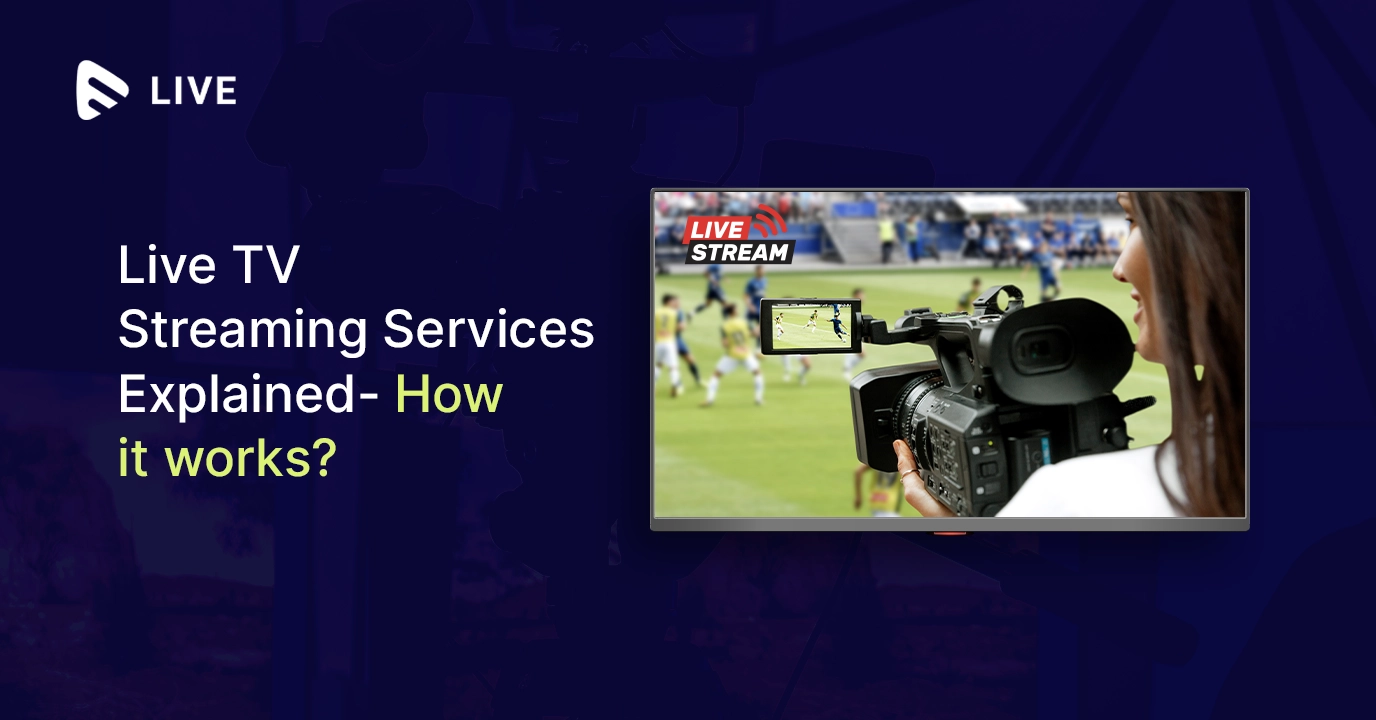
The Enduring Essence of Live Television
Live television, in its fundamental sense, captures the raw, unfiltered present. It’s the thrill of a decisive moment in a sports match, the breaking news story as it develops, or a live concert shared with millions simultaneously. This immediate connection to events as they happen is the defining characteristic that has kept live TV relevant, even as technology offers myriad alternatives for content consumption.
Defining Live TV in the Digital Age
Historically, live TV was synonymous with linear broadcast schedules – tuning in at a specific time to watch a program on air. Today, while linear channels persist, the definition has broadened considerably to encompass live streaming over the internet, interactive broadcasts, and even user-generated live content. The critical element remains the synchronicity: the content is being generated and transmitted at the same time it is being consumed. This real-time transmission demands robust technological infrastructure capable of handling instantaneous capture, encoding, transmission, and decoding across vast geographical distances and diverse devices. It’s no longer just about electromagnetic waves carrying signals, but complex data packets traversing global fiber optic networks and content delivery systems, all optimized for minimal latency. The ‘digital age’ definition extends to the technical process, emphasizing not just the ‘when’ but the ‘how’ – the digital conversion, compression, and distribution that allows live events to reach a smart TV, a laptop, or a mobile phone screen with unprecedented fidelity and speed.
Historical Roots and Technological Shifts
The journey of live television began with rudimentary mechanical scanning systems in the 1920s, quickly advancing with the advent of electronic television in the 1930s and 40s. Early live broadcasts were localized affairs, limited by the range of terrestrial transmitters. The iconic images of the moon landing or the coronation of Queen Elizabeth II represent monumental leaps, enabled by the nascent satellite technology of the 1960s, which expanded live TV’s reach globally. The transition from analog to digital broadcasting in the late 20th and early 21st centuries marked another pivotal shift, allowing for higher fidelity, more efficient use of spectrum, and new interactive possibilities. This digital transformation laid the groundwork for the internet’s eventual integration, paving the way for the contemporary streaming landscape where live content flows not just over airwaves or cables, but through the global network of the internet, fundamentally changing how content is packaged, delivered, and consumed. Each technological shift built upon the last, progressively reducing latency, increasing reach, and improving the quality and accessibility of real-time media.
The Technological Backbone of Live Broadcasting
Delivering live content, especially on a global scale, is an immense technological undertaking. It involves a complex chain of capture, processing, transmission, and reception technologies, each optimized for speed and reliability.
From Terrestrial Waves to Satellite Signals
The initial era of live television relied on terrestrial broadcasting – signals transmitted from ground-based towers via electromagnetic waves, picked up by antennas. This method, while fundamental, had inherent limitations in range and quality. The introduction of geostationary communication satellites revolutionized live TV in the mid-20th century. Satellites could receive signals from an uplink station, amplify them, and retransmit them over vast areas, making intercontinental live broadcasts a reality. This technology became the cornerstone for global news, sports, and major events, enabling millions across continents to share a live experience simultaneously. Cable television further refined delivery by bringing signals directly to homes via coaxial or fiber optic cables, offering more channels and a more robust signal than over-the-air broadcasts. Each of these methods represents distinct technological approaches to signal distribution, overcoming geographical and environmental barriers to extend the reach of live media.
The Rise of Digital Broadcast Technologies
The transition from analog to digital broadcasting significantly enhanced the capabilities of live TV. Digital television (DTV) standards like ATSC (Advanced Television Systems Committee) in North America, DVB (Digital Video Broadcasting) in Europe, and ISDB (Integrated Services Digital Broadcasting) in Japan allowed for more efficient use of spectrum, enabling higher-definition video (HDTV, UHDTV), multi-channel broadcasts, and improved audio quality. Digital encoding and compression technologies (such as MPEG-2 and later H.264/AVC and H.265/HEVC) became crucial, reducing the bandwidth required to transmit high-quality video streams without significant loss of information. This efficiency is not just about picture quality; it’s about the ability to deliver more data, including interactive elements, subtitles, and alternative audio tracks, all within the same transmission pipeline. These digital advancements are foundational to modern live TV, whether delivered over the air, via satellite, cable, or the internet, establishing a common language for media encoding and decoding.
The Internet’s Role: Streaming Protocols and CDNs
The internet has ushered in the latest revolution for live TV, moving beyond dedicated broadcast infrastructure to leverage the global data network. Live streaming over the internet relies on a sophisticated stack of technologies. Video content captured live is first encoded and compressed into digital formats suitable for streaming. This often involves real-time transcoding to adapt the stream for various devices and network conditions.
Streaming protocols like HLS (HTTP Live Streaming) and MPEG-DASH (Dynamic Adaptive Streaming over HTTP) are critical. These protocols break down the live video feed into small, playable segments, often just a few seconds long, and deliver them over standard HTTP connections. This approach allows for adaptive bitrate streaming, where the client device can dynamically request higher or lower quality segments based on its current internet bandwidth, ensuring a continuous playback experience.
Content Delivery Networks (CDNs) are indispensable for global live streaming. CDNs are geographically distributed networks of servers that cache content closer to end-users. For live streams, CDNs receive the primary feed from the source and then distribute it through their vast network, minimizing latency and buffering for viewers regardless of their location. Without CDNs, a single server would be overwhelmed by millions of simultaneous requests, leading to widespread service degradation. Together, these technologies form the robust internet backbone that enables high-quality, low-latency live streaming to a global audience.
Live TV in the Streaming Era: A New Paradigm
The internet’s pervasive reach and the ubiquity of smart devices have reshaped how we access and consume live television. No longer confined to a living room TV, live content is now a mobile, personalized, and often interactive experience.
The Evolution of Live Streaming Platforms
Dedicated live streaming platforms have emerged as key players, offering everything from traditional linear channels delivered over IP (IPTV) to platforms specializing in user-generated content, gaming, or niche events. Services like YouTube Live, Twitch, Facebook Live, and various sports streaming platforms have democratized live broadcasting, allowing individuals and organizations alike to host real-time events. These platforms often provide sophisticated tools for content creators, including live chat integration, monetization options, and analytics, blurring the lines between traditional broadcasters and independent producers. The technological infrastructure behind these platforms is immense, involving scalable cloud computing resources, robust transcoding engines, and sophisticated stream management systems to handle millions of concurrent viewers and dynamic content types. They have also driven innovation in areas like real-time analytics and content moderation, crucial for managing the dynamic nature of live, interactive streams.

Interactivity and Personalization in Live Content
Modern live TV extends beyond passive viewing. Interactive elements are becoming standard, from live polls and Q&A sessions during broadcasts to integrated social media feeds. This interactivity is powered by real-time data processing and communication technologies that allow audience feedback and participation to influence the live experience. Furthermore, the streaming era is pushing towards personalization even in live content. While the core event remains the same, viewers might have choices for different camera angles, commentary tracks, or supplementary data overlays (e.g., sports statistics). This requires sophisticated multi-stream synchronization and dynamic user interface technologies. Algorithms, traditionally used for on-demand recommendations, are also beginning to play a role in suggesting live events that align with a viewer’s past preferences, creating a more tailored “live discovery” experience within a vast ocean of real-time content.
The Challenge of Low Latency and Synchronicity
One of the biggest technical challenges in live streaming over the internet is achieving low latency – minimizing the delay between an event happening and a viewer seeing it. Traditional broadcast TV often has lower latency than internet streaming, which introduces delays due to encoding, buffering, and network hops. For certain content, like sports betting or breaking news, even a few seconds of delay can be critical. Engineers are constantly developing new protocols and optimization techniques (e.g., WebRTC for ultra-low latency, or specialized low-latency HLS/DASH extensions) to reduce this gap.
Synchronicity is another crucial aspect, especially when multiple viewers are watching the same event. Differences in network conditions and buffering can lead to viewers seeing slightly different moments in time, which impacts shared experiences, especially if real-time social interaction is involved. Advanced synchronization algorithms and distributed time-stamping mechanisms are being deployed to ensure that the “live” experience is as uniform as possible across a diverse audience. The goal is to bring internet streaming latency down to levels comparable with or even surpassing traditional broadcast, unlocking new interactive possibilities.
Beyond Traditional Broadcasts: New Frontiers for Live Experiences
The future of live TV is not just about faster delivery but also about more immersive and intelligent experiences, integrating cutting-edge technologies like VR, AR, and AI.
Immersive Live Events (VR/AR)
Virtual Reality (VR) and Augmented Reality (AR) are poised to revolutionize live events. Imagine watching a concert not just on a screen, but as if you’re standing on stage, or attending a sports game with AR overlays displaying real-time player stats and strategic diagrams directly on your field of view. These technologies require immense bandwidth for high-resolution 360-degree video streams and precise synchronization for a truly immersive experience. The challenge lies in real-time stitching of multiple camera feeds, rendering complex 3D environments, and delivering interactive elements with minimal latency to VR/AR headsets. This will move “live” from a flat screen to a spatial, interactive environment, fundamentally altering the viewer’s relationship with the content. The underlying tech involves advanced computer vision, powerful edge computing for localized rendering, and optimized wireless transmission for untethered experiences.
AI-Driven Personalization of Live Feeds
Artificial Intelligence is set to take personalization in live TV to new heights. Beyond recommending what to watch, AI could dynamically alter the live feed itself based on individual viewer preferences. For instance, in a live football match, an AI might automatically switch camera angles to follow a viewer’s favorite player, or highlight replays focusing on specific tactical plays a viewer has shown interest in. AI could also provide real-time, personalized commentary, adjust the audio mix, or even generate contextual information overlays. This requires real-time video analysis, object recognition, and natural language processing, all operating on the live stream. The challenge is processing massive amounts of data in milliseconds to provide a truly dynamic and adaptive live experience without introducing noticeable latency or computational overhead for the end-user.
The Future of Live Content Delivery
Looking ahead, live content delivery will continue to evolve, driven by advancements in network infrastructure (e.g., 5G and beyond), edge computing, and new compression standards. 5G networks, with their extremely low latency and high bandwidth, are ideal for enabling mobile live VR/AR experiences and high-quality user-generated live content. Edge computing will bring processing power closer to the viewer, reducing latency for complex AI-driven personalization and immersive rendering. Furthermore, new video codecs (like AV1, VVC) will offer even greater compression efficiency, allowing for higher quality streams with less bandwidth. The convergence of broadcast and IP delivery will likely continue, with hybrid systems offering the best of both worlds – reliability of traditional broadcasts with the flexibility and interactivity of internet streaming. The ultimate goal is a seamless, high-fidelity, and truly global live experience that is indistinguishable from being physically present at the event.
The Value Proposition and Technical Complexities of Live TV
Despite the allure of on-demand content, live TV maintains a critical role, driven by unique value propositions and underpinned by constant technological innovation to overcome its inherent complexities.
Real-time Engagement vs. On-Demand Convenience
The primary value of live TV lies in its ability to foster real-time, collective engagement. Major live events – whether global sporting competitions, breaking news, or cultural milestones – create shared cultural moments. This communal experience, often amplified by social media interactions, is something on-demand content cannot replicate. Technically, on-demand content benefits from extensive buffering, re-encoding, and optimized distribution without time constraints, allowing for perfect playback regardless of network fluctuations. Live TV, however, must balance immediate delivery with quality and reliability. Every millisecond counts, every packet must arrive on time, and every server must be ready for instantaneous peak loads. The technical infrastructure for live must be significantly more robust and fault-tolerant, as there is no “rewind” button for a live broadcast experiencing a technical glitch.
Ensuring Reliability and Quality of Service
The demand for uninterrupted, high-quality live streams presents significant technical challenges. Broadcasters and streaming platforms invest heavily in redundant systems, robust disaster recovery plans, and sophisticated monitoring tools to ensure continuity. This includes backup power sources, alternative transmission paths (e.g., satellite and fiber redundancy), and geographically diverse data centers. Quality of Service (QoS) is paramount, encompassing not just video resolution and frame rate, but also minimal latency, stable audio, and seamless playback free from buffering. Achieving this requires continuous real-time monitoring of network performance, server load, and content delivery health across thousands of global nodes, alongside proactive adjustments and automated failovers. Any disruption can lead to a direct impact on millions of viewers, making the technical reliability of live TV infrastructure a top priority.
Monetization Models and Technological Infrastructure
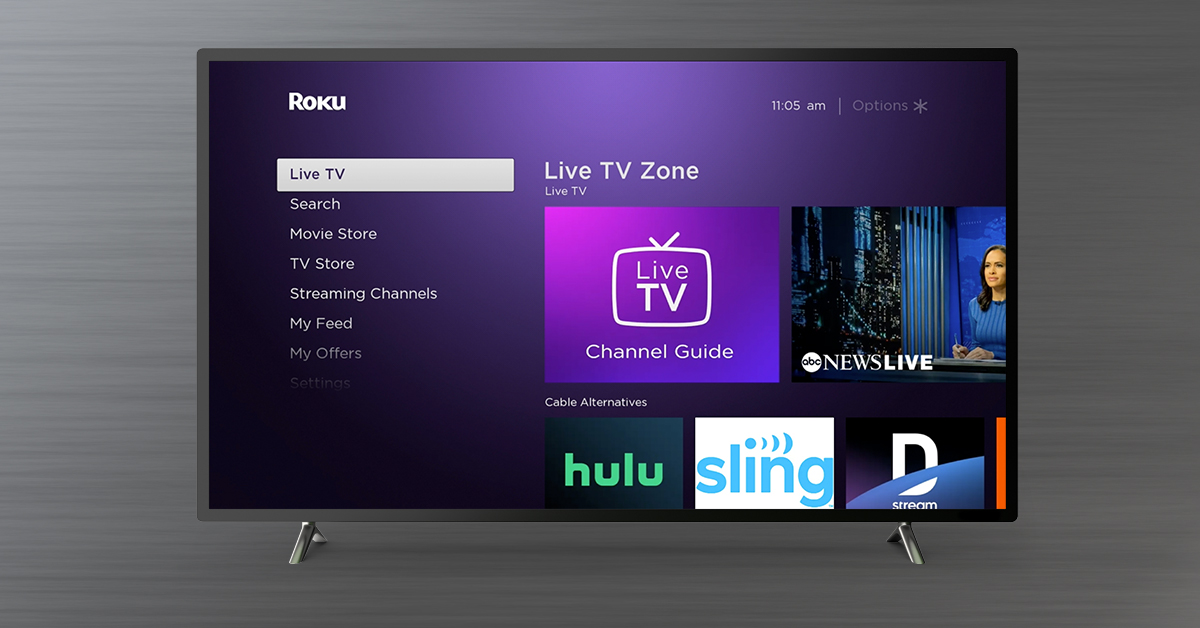
The monetization of live TV has also evolved with technology. Beyond traditional advertising during linear broadcasts, live streaming platforms employ various models: subscription services (e.g., sports packages), pay-per-view events, and ad-supported free tiers. Each model has its own technological implications. Ad-supported models require sophisticated ad insertion technologies that can dynamically place personalized ads into a live stream without disrupting playback. Subscription models rely on robust digital rights management (DRM) and authentication systems to control access. Pay-per-view demands secure payment gateways and scalable entitlement systems. All these require integration with backend analytics platforms to track viewership, engagement, and revenue, providing critical data for optimizing both content and delivery. The infrastructure must not only deliver the content but also support the entire business ecosystem around it, from secure transactions to real-time analytics for advertisers and content creators.
In conclusion, “what is TV live” is far more than a simple definition; it’s a constantly evolving narrative of technological innovation. From its early days as a localized broadcast phenomenon to its current manifestation as a global, interactive, and increasingly immersive streaming experience, live television continues to push the boundaries of real-time media delivery. The intricate dance between capture, encoding, transmission, and reception technologies, coupled with the relentless pursuit of lower latency and higher quality, ensures that the shared, immediate experience of live TV remains a cornerstone of our digital lives.
aViewFromTheCave is a participant in the Amazon Services LLC Associates Program, an affiliate advertising program designed to provide a means for sites to earn advertising fees by advertising and linking to Amazon.com. Amazon, the Amazon logo, AmazonSupply, and the AmazonSupply logo are trademarks of Amazon.com, Inc. or its affiliates. As an Amazon Associate we earn affiliate commissions from qualifying purchases.