
For anyone navigating the complex landscape of the United States immigration system, the USCIS A-Number—formally known as the Alien Registration Number—is more than just a seven-to-nine-digit identification code. In the context of personal finance and economic stability, this number serves as the foundational key to unlocking a participant’s role in the American economy. Whether you are aiming to secure legal employment, open a high-yield savings account, or apply for your first mortgage, understanding the utility and management of your A-Number is a critical step in your financial journey.
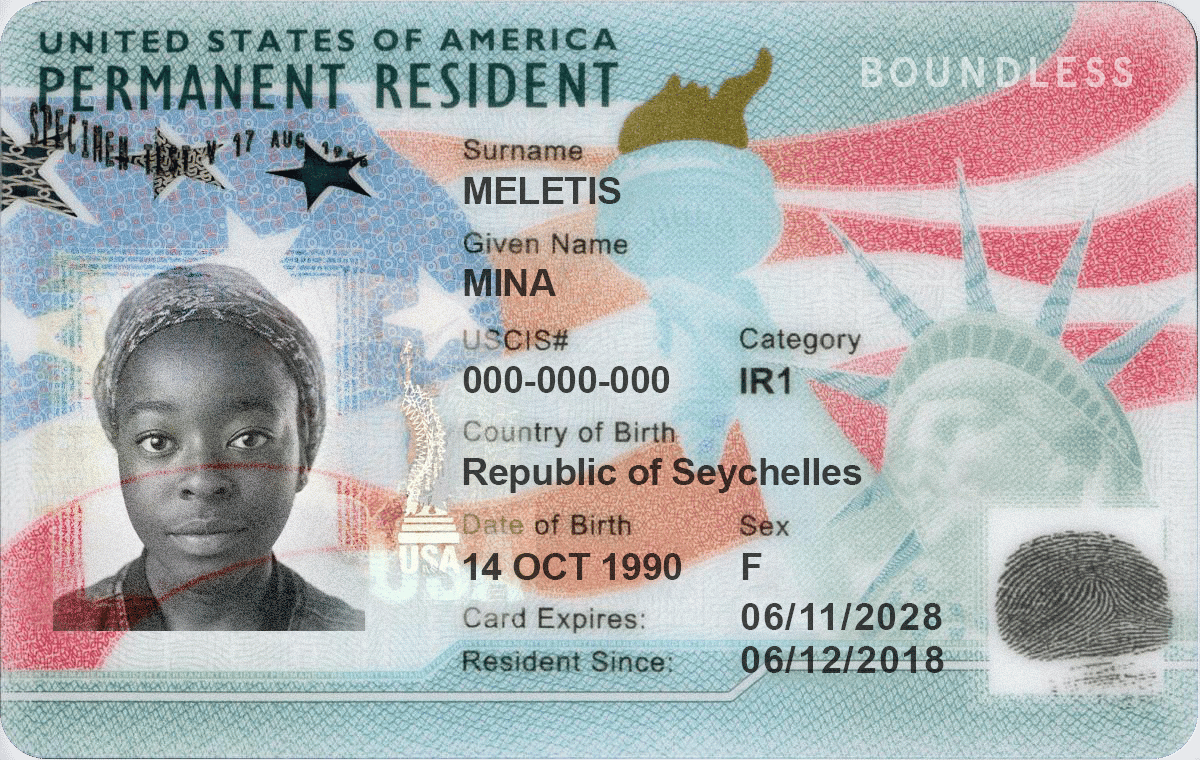
The USCIS A-Number as a Financial Identity Foundation
The Alien Registration Number is assigned by the Department of Homeland Security (DHS) to non-citizens at the time their immigration file is created. While its primary purpose is administrative tracking for U.S. Citizenship and Immigration Services (USCIS), its secondary purpose is arguably more impactful for the individual: it serves as a primary identifier for legal participation in the U.S. financial system.
Defining the Alien Registration Number
The A-Number is a unique identifier typically beginning with the letter “A,” followed by seven, eight, or nine digits. Unlike a Social Security Number (SSN), which is primarily for tax and credit tracking, the A-Number is the legal proof of your presence and status. From a financial perspective, this number is the precursor to obtaining a Social Security Number. Without it, the “Know Your Customer” (KYC) protocols used by major financial institutions would be nearly impossible to satisfy for non-citizens, effectively locking them out of the formal economy.
The Role of the A-Number in Legal Employment
In the realm of personal finance, income is the engine of growth. To earn that income legally in the U.S., most non-citizens must provide an A-Number during the I-9 Employment Eligibility Verification process. Employers use this number to verify via the E-Verify system that a candidate is authorized to work. For the individual, the A-Number is the gatekeeper to a steady paycheck, employer-sponsored 401(k) plans, and the ability to contribute to the U.S. tax base, which builds eligibility for future federal benefits.
Why Employers and Financial Institutions Require It
Transparency is the bedrock of modern finance. Banks, credit unions, and fintech platforms are required by federal law to verify the identity of their clients to prevent money laundering and fraud. For those who do not yet possess an SSN, the A-Number (often used in conjunction with a passport or a Form I-766 Employment Authorization Document) provides the necessary verification to establish an account. This number proves to a financial institution that the individual is a documented resident with a legal right to engage in financial transactions.
Navigating the Intersection of Immigration and Personal Finance
The transition from a newcomer to a financially stable resident involves several milestones, most of which require your A-Number as a reference. This number bridges the gap between your legal status and your financial goals.
Accessing the Banking System
A common hurdle for non-citizens is the “unbanked” status, which can lead to high fees for check cashing and a lack of security for personal savings. By using your A-Number to secure an Employment Authorization Document (EAD) or a Green Card, you gain the documentation required to open traditional bank accounts. Once banked, individuals can move away from cash-based living, allowing for the automation of savings, the use of debit cards for safer transactions, and the ability to earn interest on deposits.
Building Credit as a Non-Citizen
Credit history is perhaps the most significant asset in American personal finance. It dictates your ability to rent an apartment, get a car loan, or receive favorable insurance rates. While you eventually need a Social Security Number to build a comprehensive credit report with bureaus like Experian or Equifax, the A-Number is often the prerequisite for getting that SSN. Furthermore, some specialized “newcomer” credit cards and loans use your immigration documentation—linked to your A-Number—as a proxy for creditworthiness when traditional scores are unavailable.
Investment Opportunities and Tax Implications
To participate in the U.S. stock market or invest in real estate, you must have a clear tax identity. The A-Number allows you to apply for an Individual Taxpayer Identification Number (ITIN) if you aren’t yet eligible for an SSN, or it facilitates the issuance of your SSN. This allows you to file federal and state tax returns, a requirement for anyone looking to build wealth in the U.S. Additionally, demonstrating a history of tax compliance (linked back to your A-Number and subsequent SSN) is often a requirement for future financial milestones, such as qualifying for a Small Business Administration (SBA) loan.
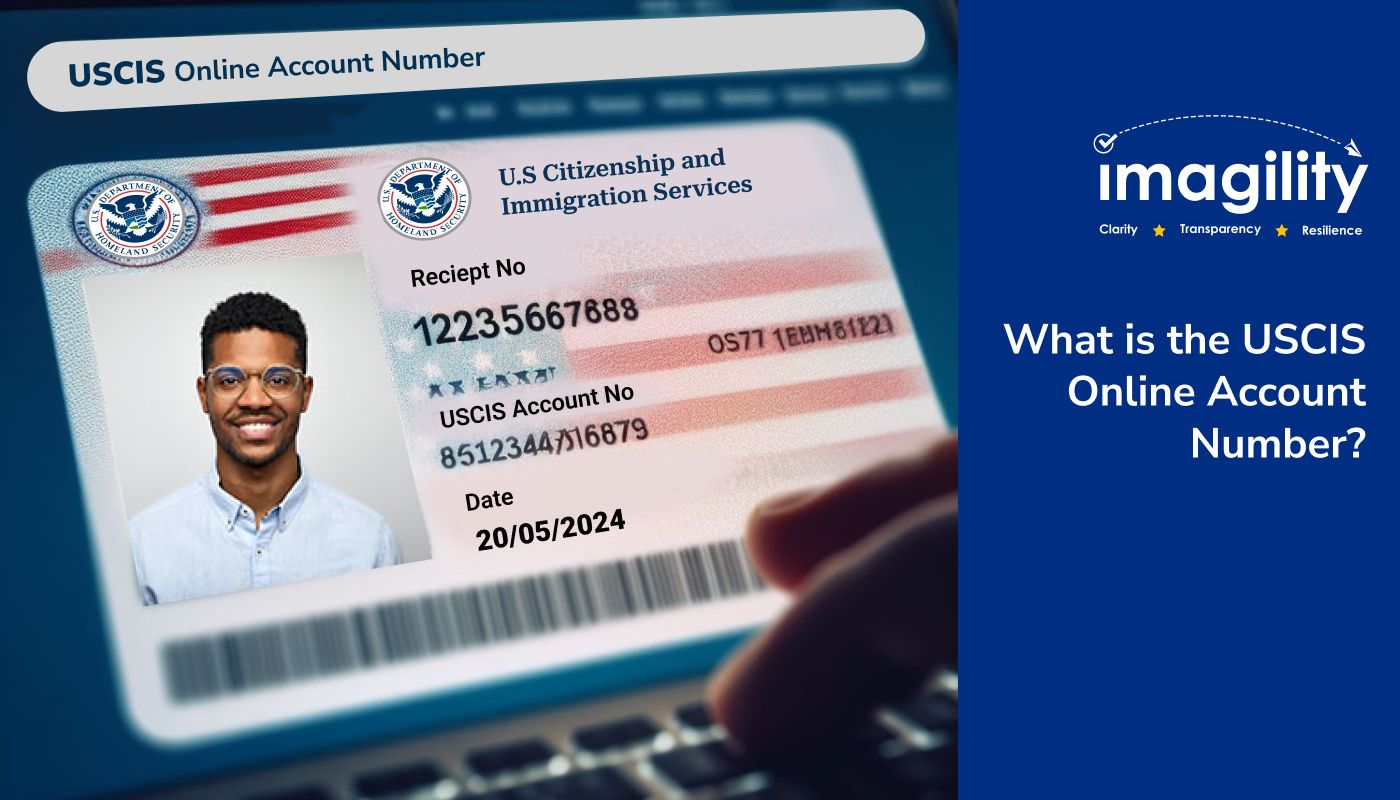
Locate and Manage Your A-Number for Financial Success
Effective financial management requires meticulous record-keeping. Because the A-Number is required for so many high-stakes financial applications, knowing where to find it and how to use it is a vital skill.
Identifying Your Number on Official Documents
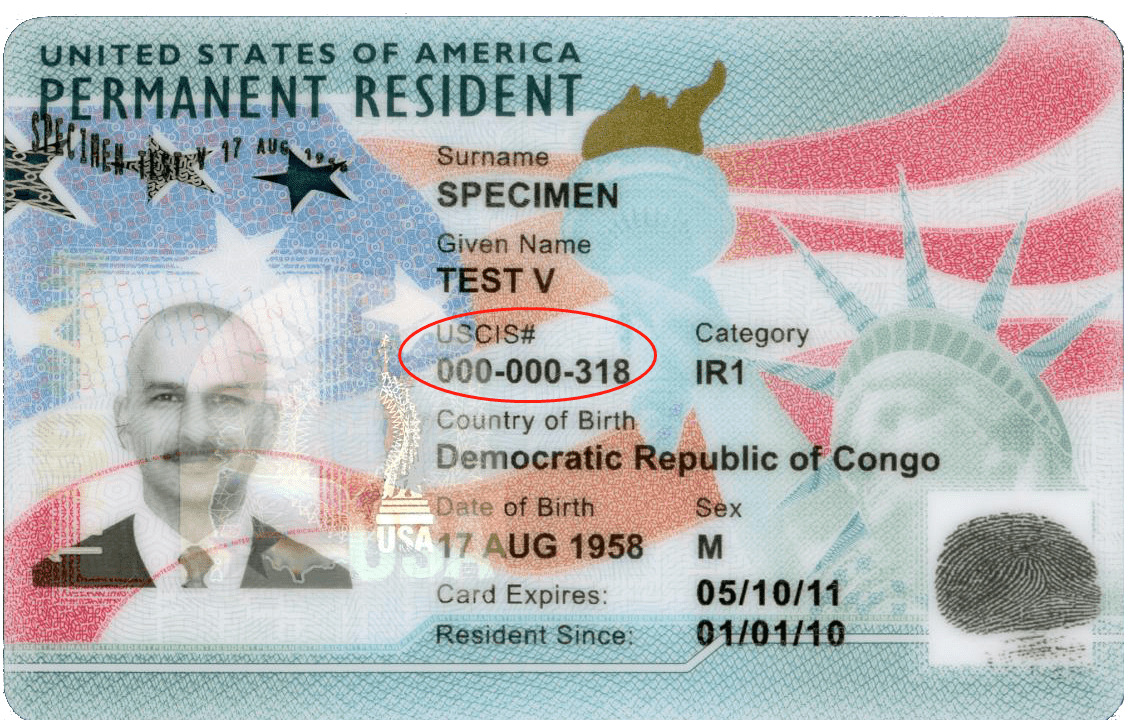
Your A-Number is not hidden; it is prominently displayed on almost all USCIS-issued documents. If you have a Permanent Resident Card (Green Card), the number is listed under “USCIS#.” If you have an Employment Authorization Document (Work Permit), it is also clearly labeled. For those with pending applications, the A-Number can be found on the “Notice of Action” (Form I-797C) sent by the government. Keeping a secure digital and physical copy of these documents is essential for when you need to provide proof of status to a lender or a new employer.
Maintaining Accurate Financial Records
When applying for credit or a lease, consistency is key. Ensure that the name and information associated with your A-Number on government documents exactly match your financial records. Discrepancies between your immigration filings and your bank accounts can trigger “red flags” in automated fraud detection systems, leading to frozen accounts or rejected loan applications. Periodic audits of your own documents can prevent these costly delays.
Transitioning from A-Number to Social Security Number
As your financial journey progresses, you will likely move from relying on your A-Number for identification to using an SSN. It is important to understand that while your A-Number stays with you for life (as your “Alien File” identifier), the SSN becomes your primary tool for credit and taxes. When you receive your SSN, you must update your records with your bank, your employer, and the credit bureaus. This ensures that the financial “reputation” you’ve built—perhaps initially verified by your A-Number—is correctly attributed to your permanent tax identity.
Protecting Your Financial Identity and Avoiding Fraud
In the digital age, your A-Number is a sensitive piece of Personally Identifiable Information (PII). In the wrong hands, it can be used to facilitate identity theft, which can ruin your credit and jeopardize your financial future.
Safeguarding Sensitive Personal Data
Just as you would never share your bank PIN or your SSN with a stranger, you must protect your A-Number. Avoid carrying your Green Card or Work Permit in your wallet daily unless absolutely necessary. Instead, keep them in a fireproof safe. When providing your A-Number for financial applications, ensure you are using a secure, encrypted connection and that the institution is reputable.
Common Scams Targeting Newcomers
Non-citizens are often targeted by predatory “notarios” or scammers posing as USCIS officers. These individuals may demand payment over the phone and ask for your A-Number to “verify” your status. It is crucial to remember that USCIS will never call you to demand money. Giving your A-Number to a scammer provides them with a veneer of legitimacy they can use to open fraudulent accounts or commit other financial crimes in your name.
Recovery Steps After Identity Theft
If you suspect that your A-Number or the documents containing it have been compromised, you must act quickly to protect your finances. First, report the loss or theft to USCIS to prevent the fraudulent use of your immigration identity. Second, place a “fraud alert” on your credit reports. Even if you do not have a long credit history, a fraud alert notifies lenders that they must take extra steps to verify your identity before issuing new credit. Finally, notify your bank and any other financial institutions where your A-Number was used as an identifier.
Conclusion: The Path to Financial Prosperity
The USCIS A-Number is far more than a bureaucratic label; it is a vital instrument in the toolkit of any non-citizen striving for financial success in the United States. By understanding its role in the employment verification process, its necessity in the banking and credit systems, and its importance in establishing a tax identity, you can leverage this number to build a solid economic foundation.
Managing your A-Number with the same care you would give to an investment portfolio or a high-value asset ensures that you remain compliant with U.S. law while maximizing your opportunities for wealth creation. As you move from your first paycheck to your first home purchase, let your A-Number be the anchor that secures your place in the American financial landscape. With the right knowledge and protective measures, this simple string of digits becomes the starting point for a lifetime of financial security and growth.
aViewFromTheCave is a participant in the Amazon Services LLC Associates Program, an affiliate advertising program designed to provide a means for sites to earn advertising fees by advertising and linking to Amazon.com. Amazon, the Amazon logo, AmazonSupply, and the AmazonSupply logo are trademarks of Amazon.com, Inc. or its affiliates. As an Amazon Associate we earn affiliate commissions from qualifying purchases.