
Understanding how to calculate price increase percentage is a fundamental skill, whether you’re managing personal finances, analyzing business costs, or simply trying to make sense of the economic landscape. This metric provides a clear, quantifiable measure of how much a price has risen over a specific period, enabling informed decisions, better budgeting, and strategic planning. From the rising cost of groceries to escalating supplier prices for a business, tracking these changes is crucial for financial health and stability.
The Core Formula for Calculating Price Increases
The methodology for determining a price increase percentage is straightforward, relying on just two data points: the original price and the new price. This simple calculation provides a powerful insight into inflationary pressures and cost fluctuations.
The Basic Calculation
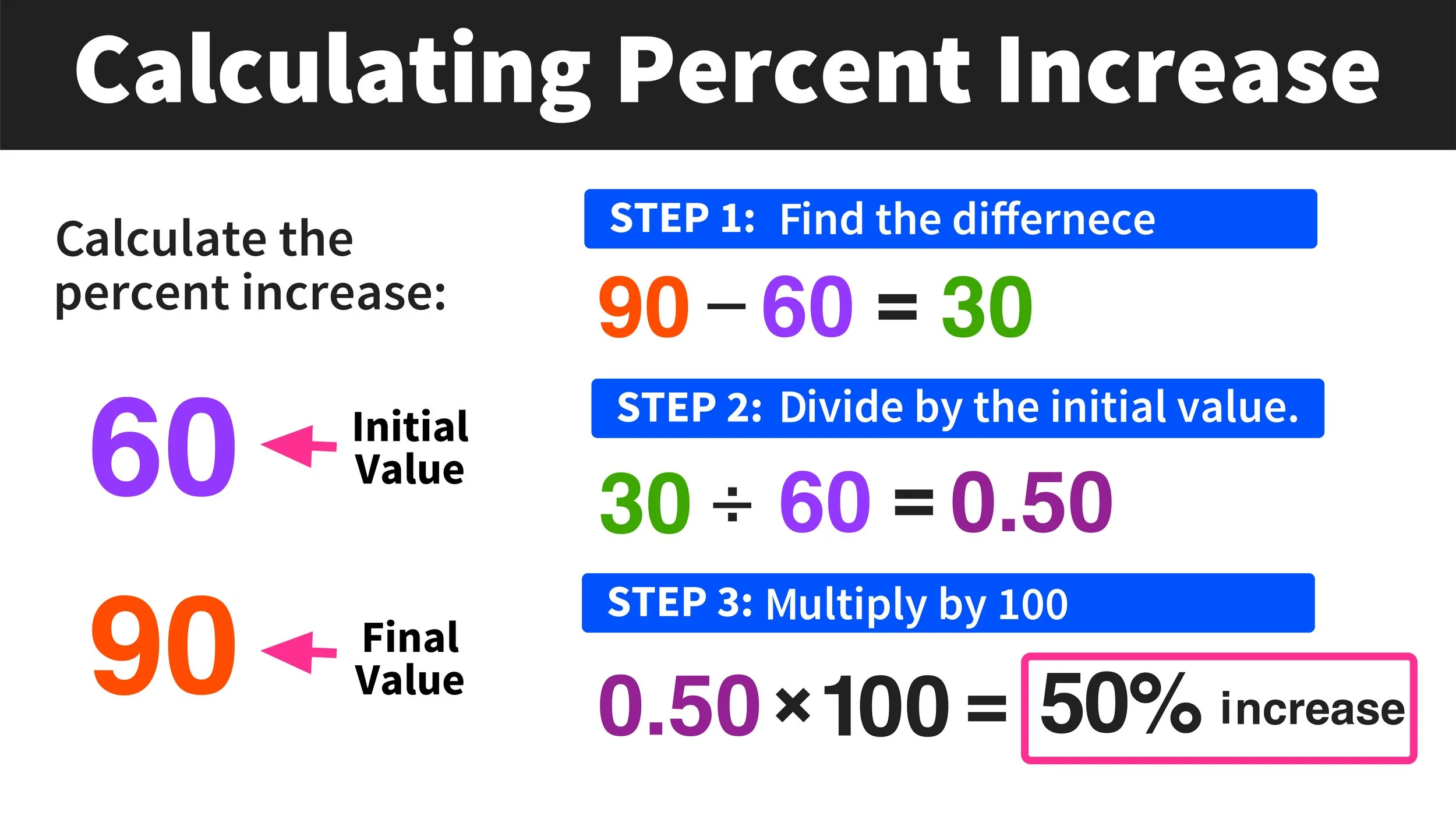
To find the price increase percentage, you follow these steps:
-
Find the absolute increase: Subtract the original price from the new price.
- Absolute Increase = New Price – Original Price
-
Divide by the original price: This gives you the increase as a decimal.
- Decimal Increase = Absolute Increase / Original Price
-
Multiply by 100: Convert the decimal into a percentage.
- *Price Increase Percentage = (Decimal Increase) * 100%*
Combining these steps, the formula can be written as:
- Price Increase Percentage = ((New Price – Original Price) / Original Price) * 100%
Let’s illustrate this with practical examples.
Personal Finance Example: The Cost of Groceries
Imagine your favorite brand of coffee cost $10.50 last month. This month, you notice the price has jumped to $11.75. To calculate the percentage increase:
-
Absolute Increase: $11.75 – $10.50 = $1.25
-
Divide by Original Price: $1.25 / $10.50 ≈ 0.1190
-
Multiply by 100: 0.1190 * 100% = 11.90%
In this scenario, the price of your coffee has increased by approximately 11.90%. This seemingly small change can accumulate across multiple items, significantly impacting a household budget over time.
Business Context Example: Supplier Costs
A small manufacturing business purchases raw materials. Last quarter, a critical component cost $250 per unit. Due to supply chain issues, the supplier now charges $275 per unit.
-
Absolute Increase: $275 – $250 = $25
-
Divide by Original Price: $25 / $250 = 0.10
-
Multiply by 100: 0.10 * 100% = 10%
The cost of this raw material has increased by 10%. For a business, understanding such increases is vital for adjusting pricing, managing inventory, and maintaining profit margins. If this increase isn’t accounted for, it directly erodes profitability.
Why Tracking Price Increases Matters for Financial Health
Beyond simple arithmetic, tracking price increase percentages offers critical insights for both individual financial planning and robust business strategy. It’s not just about knowing a number; it’s about understanding its implications and making proactive adjustments.
For Personal Financial Health

For individuals, diligently monitoring price increases empowers better budgeting and financial decision-making:
-
Accurate Budgeting: Knowing the percentage increase in recurring expenses like rent, utilities, insurance premiums, or groceries allows you to adjust your budget proactively rather than reacting to dwindling funds. This helps prevent overspending and ensures you allocate sufficient money to essential categories.
-
Inflation Awareness: Price increases are the tangible manifestations of inflation. By calculating these percentages, you gain a personal understanding of how inflation erodes your purchasing power. This knowledge can influence decisions about savings accounts (seeking higher interest rates), investment strategies (considering inflation-hedging assets), and even career choices (negotiating salary increases to keep pace with the cost of living).
-
Smart Consumer Choices: When comparing products or services, a percentage increase can reveal the true cost evolution. For instance, a “sale” might look attractive, but if the original price before the sale had significantly increased, the effective discount might be less impressive. It helps identify value and avoid being swayed by marketing gimmicks.
-
Debt Management: Higher prices mean that every dollar you spend has less buying power. If your income isn’t increasing at a comparable rate, managing debt can become more challenging. Tracking price increases underscores the importance of minimizing high-interest debt and building emergency savings.
For Business Profitability and Strategy
For businesses, understanding price increase percentages is indispensable for maintaining competitiveness and ensuring long-term viability:
-
Pricing Strategy Adjustments: When input costs (raw materials, labor, shipping) rise, businesses must evaluate whether to absorb these costs, adjust their own selling prices, or find efficiencies elsewhere. Calculating the percentage increase in costs directly informs these crucial pricing decisions. Raising prices too much can deter customers, while not raising them enough can lead to losses.
-
Profit Margin Protection: Every cost increase, if not managed, reduces a business’s profit margin. By quantifying these increases, businesses can project their impact on profitability and implement strategies to mitigate the damage, such as seeking alternative suppliers, negotiating better terms, or optimizing production processes.
-
Supplier Negotiations: When engaging with suppliers, having concrete percentage increase data strengthens a business’s negotiation position. It allows for objective discussions about cost drivers and potential compromises, fostering more equitable supplier relationships.
-
Financial Forecasting and Planning: Accurate financial forecasting relies heavily on anticipating future costs. Historical data on price increase percentages, combined with macroeconomic indicators, helps businesses create more realistic budgets, cash flow projections, and long-term strategic plans. This includes planning for capital expenditures, expansion, or even potential scaling back.
-
Competitive Analysis: Understanding how competitor prices are changing, and by what percentage, is key to positioning a business effectively in the market. It helps determine if a price increase is industry-wide or specific to a particular supplier or product line, informing decisions about market share and competitive advantage.
Key Factors Driving Price Changes
Price increases are rarely arbitrary; they are usually a reflection of various economic forces and market dynamics. Identifying these underlying factors provides a deeper understanding of why costs are rising and helps anticipate future changes.
Macroeconomic Influences
-
Inflation: This is perhaps the most pervasive driver of price increases. Inflation, typically measured by indices like the Consumer Price Index (CPI), represents the general rise in prices across an economy over time, leading to a decline in purchasing power. Central bank policies, government spending, and money supply can all influence inflationary trends.
-
Currency Fluctuations: For businesses involved in international trade, changes in exchange rates can significantly impact the cost of imported goods and raw materials. A weakening domestic currency means that foreign goods become more expensive when converted into local currency, directly leading to price increases.
-
Government Policies and Taxes: New tariffs, increased excise taxes, or changes in regulatory compliance costs can directly translate into higher prices for consumers and businesses. Environmental regulations, for example, might increase production costs for manufacturers, which are then passed on.
Supply-Side Pressures
-
Raw Material Costs: Fluctuations in the prices of primary commodities like oil, metals, agricultural products, or energy can have a cascading effect throughout supply chains. If the cost of steel rises, it impacts industries from automotive to construction.
-
Labor Costs: Increases in wages, benefits, or minimum wage legislation can raise operational costs for businesses. If these labor cost increases are substantial and cannot be absorbed through efficiency gains, they are often passed on to customers through higher prices.
-
Supply Chain Disruptions: Events such as natural disasters, geopolitical conflicts, pandemics, or even logistical bottlenecks (e.g., port congestion, driver shortages) can reduce the availability of goods and components. This scarcity, combined with sustained demand, inevitably pushes prices upward.
-
Production Capacity Limitations: If demand for a product or service outstrips the available production capacity, businesses can raise prices without losing customers. This often occurs when there are barriers to entry for new competitors or significant lead times for expanding capacity.
Demand and Market Dynamics
-
Increased Demand: A surge in consumer or business demand for a particular product or service, often driven by economic growth, seasonal trends, or changing preferences, can allow sellers to increase prices. When many buyers are competing for limited goods, prices naturally rise.
-
Market Power and Monopoly: In industries where a few companies dominate, or where a single entity holds a monopoly, those entities may have the power to dictate prices and implement increases without significant competitive pressure.
-
Brand Value and Differentiation: Companies that have built strong brands or offer highly differentiated products or services often have greater pricing power. Customers may be willing to pay a premium for perceived quality, unique features, or brand loyalty, allowing for strategic price increases.
-
Technological Advancements vs. Obsolescence: While new technology can sometimes lower production costs over time, initial investment costs for advanced machinery or R&D can temporarily contribute to higher prices. Conversely, older, less efficient technologies might become more expensive to maintain or operate, indirectly pushing up costs.
Leveraging the Data for Smarter Financial Decisions
Calculating price increase percentages is just the first step. The real value comes from interpreting this data and using it to inform strategic financial planning and adjustments.
Adjusting Personal Budgets and Savings
Armed with the knowledge of how much essential goods and services have increased, individuals can make more accurate adjustments to their personal budgets. If grocery costs have risen by 10%, you might need to allocate an extra 10% to that category, or find areas to cut back. This helps prevent budget shortfalls. Furthermore, understanding the real impact of inflation on your purchasing power can motivate you to increase your savings rate or explore investment vehicles that offer returns designed to outpace inflation, such as inflation-indexed bonds or certain equities. For long-term goals like retirement, accounting for a conservative average annual price increase is critical for ensuring your future savings will still meet your needs. Regularly reviewing bank statements and credit card bills against past records can help identify hidden or creeping price increases on recurring subscriptions, services, and everyday purchases.
Strategic Business Adjustments
For businesses, the analysis of price increase percentages across various inputs and outputs is foundational to maintaining profitability and competitive advantage.
-
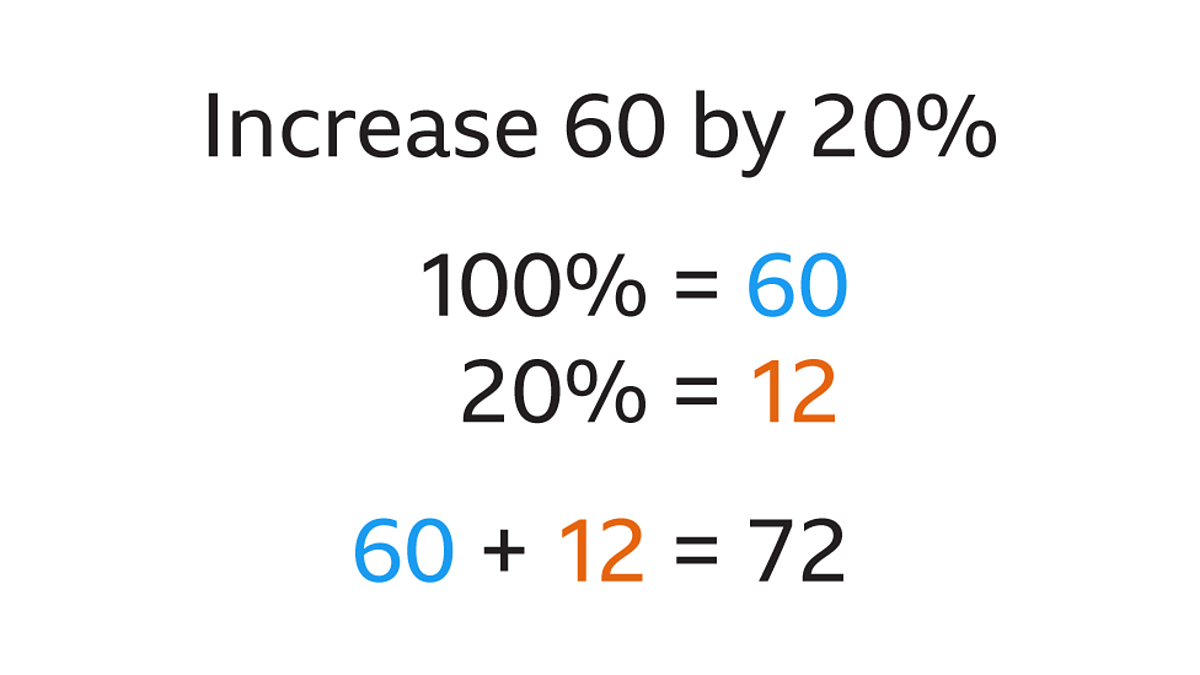
Pricing Strategy Refinement: Businesses must constantly evaluate whether their current pricing reflects their costs, market value, and competitive landscape. If supplier costs increase by 5%, a business might decide to raise its own product prices by 3% to absorb some of the increase and maintain customer loyalty, or by 7% if market conditions allow. This involves careful elasticity analysis.
-
Cost Management and Efficiency: Significant price increases in raw materials or operational expenses can trigger a search for cost-saving measures. This might involve renegotiating contracts with suppliers, exploring alternative vendors, investing in automation to reduce labor costs, or optimizing production processes to minimize waste.
-
Product Development and Innovation: Persistent price increases for certain components might signal an opportunity to innovate. Could a product be redesigned using more readily available or less expensive materials? Could a service be streamlined to reduce operational overhead? Strategic innovation can mitigate the impact of rising costs and even create new revenue streams.
-
Communication with Stakeholders: Transparent communication is key. If a business must implement a price increase, understanding the percentage increase allows them to clearly articulate the reasons to customers, investors, and employees. This can help manage expectations and minimize negative reactions. For example, explaining that raw material costs have risen by X% provides a justifiable context for a product price adjustment.
-
Leveraging Financial Tools: Modern financial software and spreadsheet tools can automate the tracking and calculation of price increases. Integrating these calculations into enterprise resource planning (ERP) systems or accounting software provides real-time insights, allowing for quicker responses to market changes and more robust financial reporting. These tools can highlight trends, identify outliers, and forecast future cost impacts, moving beyond manual calculations to sophisticated financial modeling.
Ultimately, mastering the calculation and interpretation of price increase percentages transforms raw financial data into actionable intelligence. It’s a critical tool in the arsenal of anyone serious about managing money effectively, whether for a household budget or a multinational corporation.
aViewFromTheCave is a participant in the Amazon Services LLC Associates Program, an affiliate advertising program designed to provide a means for sites to earn advertising fees by advertising and linking to Amazon.com. Amazon, the Amazon logo, AmazonSupply, and the AmazonSupply logo are trademarks of Amazon.com, Inc. or its affiliates. As an Amazon Associate we earn affiliate commissions from qualifying purchases.