
The term “haute” frequently surfaces in discussions about luxury, fashion, cuisine, and exclusive experiences. More than just a simple adjective, it encapsulates a profound set of values and characteristics that are central to brand identity, marketing, and the very definition of premium quality. Understanding what “haute” truly means is essential for brands aiming to position themselves at the pinnacle of their respective industries, communicate unparalleled value, and cultivate a coveted image of distinction and aspiration. It’s a concept deeply ingrained in the psychology of desire and the strategic art of brand building, extending far beyond its literal translation to denote an enduring commitment to excellence, artistry, and exclusivity. For any entity striving to differentiate itself in a crowded marketplace, particularly within the luxury segment, grasping the nuances of “haute” is not merely academic; it is a strategic imperative. This exploration delves into the etymology, evolution, and contemporary relevance of “haute,” illuminating its critical role in shaping brand perception and consumer desire.
The Etymology and Core Meaning of “Haute”
At its root, “haute” is a French adjective meaning “high,” “elevated,” or “superior.” However, its significance in branding and cultural discourse transcends this literal translation, evolving to represent a much richer tapestry of qualities. It speaks to a level of craftsmanship, quality, and exclusivity that places something in a league of its own, often characterized by meticulous attention to detail, bespoke creation, and a heritage of excellence.
From French Roots to Global Influence
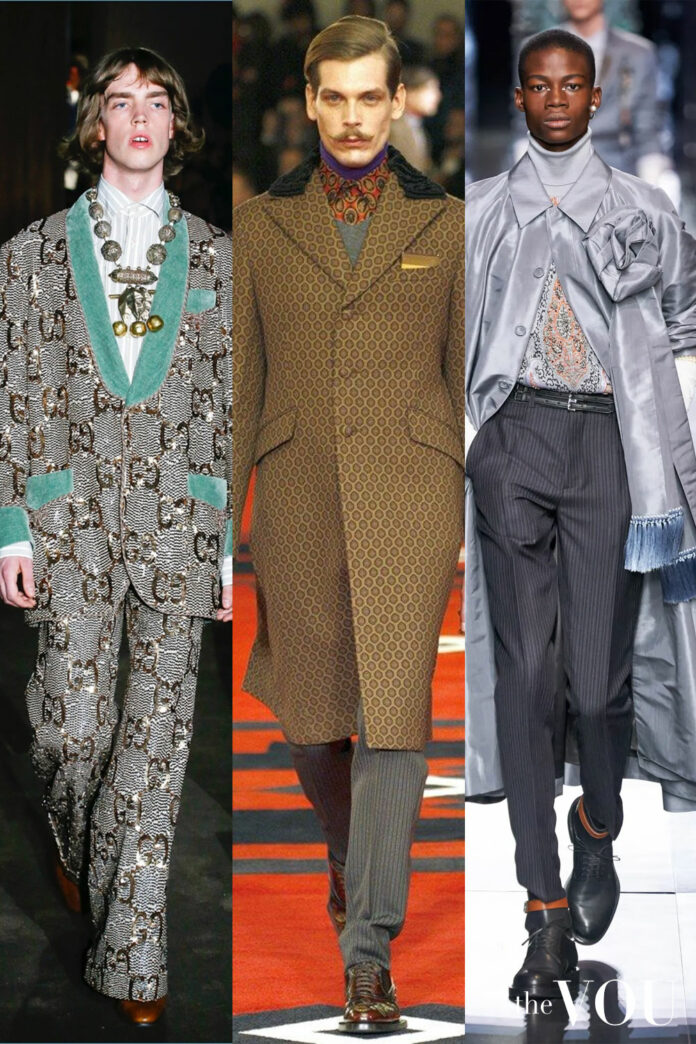
The journey of “haute” from a common French adjective to a global signifier of luxury began with its application in specific, highly esteemed fields. Its most famous pairing, “haute couture” (high sewing or high fashion), emerged in 19th-century Paris, setting the standard for custom-fitted, handcrafted clothing made from the highest quality fabrics and exquisite embellishments. This term didn’t just describe expensive clothes; it denoted garments that were works of art, produced by master artisans for an elite clientele. Similarly, “haute cuisine” referred to sophisticated, artful cooking practiced in the finest restaurants, emphasizing rare ingredients, complex techniques, and impeccable presentation. These early applications established “haute” as a prefix that automatically elevated the noun it modified, signaling not just height in a physical sense, but height in quality, status, and artistic merit. The French cultural dominance in fashion, culinary arts, and luxury goods ensured that “haute” permeated international vocabulary, becoming synonymous with the ultimate in refinement and exclusivity. It became a shorthand, universally understood among discerning consumers, to denote unparalleled prestige and a commitment to the highest standards, regardless of the industry.
Beyond Literal Translation: Quality, Exclusivity, and Aspiration
While “high” is the direct translation, the true power of “haute” in a branding context lies in its implicit connotations: uncompromised quality, unparalleled exclusivity, and inherent aspirational value. A “haute” product or service is not merely expensive; it is perceived as an investment in superior craftsmanship, enduring value, and often, a piece of heritage or artistry. Quality, in this sense, encompasses not only the materials used but also the skill of the artisans, the rigorous processes, and the unwavering pursuit of perfection. Exclusivity is another hallmark; “haute” items are often limited in production, custom-made, or accessible only to a select few, fostering a sense of privilege and distinctiveness among their owners. This scarcity inherently fuels aspiration, making “haute” brands desirable targets for those who seek to align themselves with excellence, status, and discerning taste. It’s about owning something that embodies a story, a tradition, and a mastery that mass-produced alternatives simply cannot replicate. For brands, therefore, employing the “haute” concept is about communicating a narrative of exceptionalism that resonates deeply with consumers seeking more than just a product, but an experience and a statement of identity.
“Haute” as a Pillar of Luxury Branding
In the realm of luxury, “haute” is not just a descriptor; it is a foundational principle. Brands that successfully embody the “haute” spirit differentiate themselves by focusing on aspects that transcend mere utility, appealing instead to desires for beauty, heritage, craftsmanship, and a unique experience. This approach transforms products into symbols of status and personal expression.
Defining Luxury: Craftsmanship, Heritage, and Scarcity
The essence of luxury branding, deeply intertwined with the concept of “haute,” rests on three pillars: unparalleled craftsmanship, rich heritage, and carefully managed scarcity. Craftsmanship refers to the meticulous skill and artistry involved in creating a product, often employing traditional techniques passed down through generations. It emphasizes human touch over machine automation, resulting in items that are unique and imbued with a story. Heritage provides a brand with depth and authenticity, linking its present offerings to a storied past of innovation, iconic designs, and a consistent commitment to excellence. This historical narrative builds trust and reinforces the brand’s enduring value. Scarcity, whether achieved through limited production runs, bespoke services, or high price points, creates an aura of exclusivity. It signals that the product is not for everyone, thereby increasing its desirability for those who can acquire it. These three elements collectively establish the perception of high value and prestige that defines luxury, positioning “haute” brands as stewards of artistry and tradition.
Haute Couture: The Quintessential Example of Brand Excellence
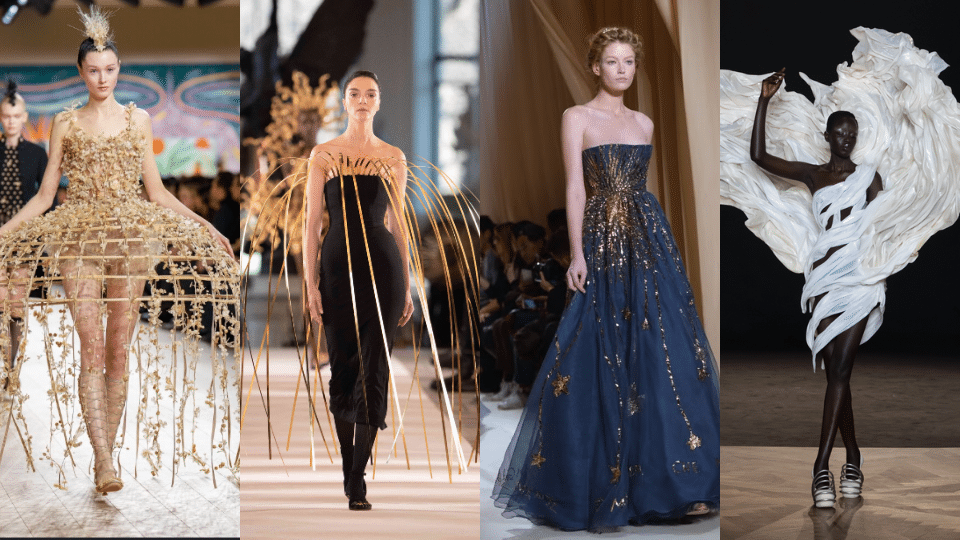
Haute Couture remains the gold standard for expressing “haute” brand excellence. Governed by strict rules set by the Chambre Syndicale de la Haute Couture in Paris, it signifies bespoke fashion handcrafted in Parisian ateliers, requiring thousands of hours of skilled labor. Brands like Chanel, Dior, and Valentino, operating within this exclusive sphere, exemplify extreme attention to detail, innovative design, and personalized service. Each garment is a unique work of art, tailored to the individual client, showcasing the pinnacle of textile artistry and sartorial innovation. The power of Haute Couture, from a brand perspective, lies not only in the exquisite garments themselves but also in its ability to elevate the entire brand ecosystem. The halo effect of a couture collection lends prestige and aspiration to a brand’s ready-to-wear lines, accessories, and fragrances. It reinforces the brand’s commitment to artistry, pushing creative boundaries and maintaining a leadership position in style and sophistication, even if only a tiny fraction of clients will ever purchase a couture piece. It’s a powerful statement of a brand’s foundational values and creative spirit.
Haute Horlogerie and Haute Joaillerie: Precision, Artistry, and Status
Beyond fashion, “haute” finds equally powerful expressions in “Haute Horlogerie” (high watchmaking) and “Haute Joaillerie” (high jewelry). Haute Horlogerie refers to the intricate, precision-engineered mechanical watches created by master watchmakers, often involving hundreds of minuscule, hand-finished components and complex movements. Brands such as Patek Philippe, Audemars Piguet, and Vacheron Constantin represent the pinnacle of this art, where technical innovation meets aesthetic brilliance. These timepieces are not merely instruments for telling time; they are miniature sculptures of engineering and design, coveted for their legacy, craftsmanship, and investment value. Similarly, Haute Joaillerie involves the creation of unique, often one-of-a-kind, jewelry pieces using the rarest and most exquisite gemstones, meticulously set by master jewelers. Houses like Cartier, Van Cleef & Arpels, and Tiffany & Co. in their high jewelry divisions craft pieces that are true artistic expressions, embodying extraordinary beauty, rarity, and historical significance. Both categories underscore the “haute” principle by marrying unparalleled technical skill with artistic vision, producing items that are not just possessions but treasured heirlooms and powerful symbols of status and cultivated taste, cementing their brands’ positions at the apex of luxury.
Leveraging “Haute” in Brand Strategy and Positioning
For brands aspiring to transcend the ordinary, strategically embracing the principles of “haute” is crucial. It’s about meticulously crafting every aspect of the brand experience to convey exclusivity, superior quality, and a compelling narrative that resonates with discerning consumers. This involves a delicate balance of communication, design, and controlled access.
Crafting a “Haute” Brand Narrative: Storytelling and Legacy
A powerful “haute” brand strategy begins with a compelling narrative rooted in storytelling and legacy. Brands must articulate their unique history, the inspiration behind their creations, and the values that drive their pursuit of excellence. This narrative is not just marketing jargon; it’s an authentic reflection of the brand’s identity, often highlighting the founders’ vision, traditional techniques, and significant milestones. For instance, a watch brand might emphasize its centuries-old Swiss heritage, detailing the generations of master watchmakers who honed their craft. A fashion house might recount the revolutionary vision of its founder and the iconic designs that shaped an era. This rich storytelling imbues products with emotional depth and cultural significance, making them more than just objects but rather tangible pieces of history and artistry. By connecting consumers to a profound legacy, brands can foster a sense of belonging and exclusivity, inviting them into a world where quality, tradition, and enduring value are paramount. This narrative forms the bedrock of customer loyalty and differentiates “haute” brands from mere luxury imitators.

The Role of Design and Aesthetics in “Haute” Appeal
Design and aesthetics are indispensable in conveying a “haute” appeal. Every visual and tactile element—from product design to packaging, retail environments, and digital interfaces—must exude sophistication, elegance, and meticulous attention to detail. “Haute” design is characterized by its timelessness, understated elegance, and often, a minimalist approach that highlights the quality of materials and craftsmanship rather than overt embellishment. Colors are carefully selected, textures are rich, and forms are harmonious. The packaging itself often becomes a prized object, reflecting the luxury within. Consider the iconic blue box of Tiffany & Co. or the understated yet opulent boutiques of Hermès; these are not just containers or stores, but integral components of the brand experience that communicate prestige and quality. Furthermore, “haute” aesthetics often extend to the sensory experience, incorporating bespoke fragrances in stores or unique tactile qualities in materials. This holistic design approach ensures that every interaction with the brand reinforces its commitment to excellence, creating an immersive and desirable world that captivates and delights its exclusive clientele, making the brand instantly recognizable and deeply aspirational.
Exclusivity and Accessibility: The Delicate Balance
One of the most complex challenges for “haute” brands is managing the delicate balance between exclusivity and strategic accessibility. Exclusivity is crucial for maintaining the brand’s elite status; it implies rarity, limited availability, and a discerning clientele. This can be achieved through high price points, limited edition releases, invitation-only events, or a selective distribution network. However, complete inaccessibility can limit brand awareness and growth. The strategic challenge is to create sufficient “aspirational accessibility” — allowing a broader audience to engage with the brand’s allure, even if they cannot afford the pinnacle products. This might involve offering entry-level luxury items like fragrances, accessories, or small leather goods that embody the brand’s aesthetic and quality at a more attainable price point. These “gateway” products serve as touchpoints, drawing new consumers into the brand’s orbit and potentially converting them into future high-end buyers. Simultaneously, brands must meticulously control their image, ensuring that mass exposure does not dilute their core message of exclusivity. Managing this balance effectively requires a sophisticated understanding of market dynamics, brand perception, and a consistent commitment to upholding the brand’s “haute” identity across all touchpoints, from digital presence to flagship stores.
The Evolving Landscape of “Haute”: Modern Interpretations
While traditionally rooted in fashion and artisanal crafts, the spirit of “haute” is increasingly permeating diverse sectors, adapting to modern sensibilities and technological advancements. This evolution reflects a growing consumer demand for elevated experiences and meticulously crafted products across a wider spectrum of industries.
“Haute” Beyond Traditional Luxury: Tech, Cuisine, and Experiences
The concept of “haute” is no longer confined to the historical bastions of couture or jewelry. It has expanded into new domains, reflecting a broader consumer appreciation for superior quality, innovation, and bespoke experiences. In the tech world, “haute tech” refers to premium devices that combine cutting-edge innovation with exquisite design, high-quality materials, and exclusive features, such as luxury smartphones, high-end audio equipment, or bespoke smart home systems. These products offer not just functionality but an elevated user experience and a statement of status. Similarly, “haute cuisine” has evolved beyond traditional French gastronomy to encompass molecular gastronomy, farm-to-table movements, and experiential dining where the food, ambiance, and service create a theatrical, unforgettable occasion. Even in travel, “haute experiences” involve highly personalized, exclusive itineraries, luxury accommodations, and private access to unique cultural events, catering to discerning travelers seeking unparalleled levels of comfort and adventure. These modern interpretations demonstrate that “haute” is fundamentally about transcending the ordinary, offering superior quality, unique design, and an elevated experience, regardless of the industry.
Sustainability and Ethics in the “Haute” Future
As global consciousness shifts towards environmental and social responsibility, the “haute” future is increasingly intertwined with sustainability and ethics. Modern luxury consumers, while still valuing exclusivity and quality, are also scrutinizing the origins of products, the production methods, and the impact of brands on the planet and its people. This has led to a paradigm shift where “haute” brands are integrating sustainable practices throughout their supply chains, from sourcing ethically produced raw materials (e.g., conflict-free diamonds, organic cotton) to adopting eco-friendly manufacturing processes and ensuring fair labor practices. Transparency about these efforts is becoming a new marker of authenticity and prestige. A “haute” brand in the 21st century not only offers exceptional products but also embodies a responsible and forward-thinking ethos. Brands that fail to adapt risk being perceived as outdated or out of touch with contemporary values. Thus, sustainability and ethical conduct are no longer mere optional add-ons but essential components of maintaining a “haute” identity, appealing to a new generation of conscious luxury consumers who seek beauty and quality without compromising their values.
Digital Transformation and Preserving “Haute” Authenticity Online
The digital age presents both unprecedented opportunities and significant challenges for “haute” brands aiming to preserve their authenticity and exclusivity online. The internet offers vast reach for brand storytelling, allowing “haute” brands to showcase their craftsmanship, heritage, and unique narratives to a global audience. High-quality visuals, virtual experiences, and immersive digital content can effectively convey the intricate details and emotional depth of their products. However, the democratizing nature of the internet can also threaten the carefully cultivated aura of exclusivity. “Haute” brands must meticulously curate their online presence, ensuring that digital platforms reflect the same level of sophistication and personalized service found in their physical boutiques. This means investing in premium e-commerce experiences, personalized digital customer service, and exclusive online content that reinforces brand values. Furthermore, managing intellectual property and combating counterfeiting online is crucial for protecting brand integrity. The challenge lies in leveraging digital tools to enhance engagement and broaden awareness without diluting the brand’s core identity or making it seem overly accessible. Successfully navigating this digital transformation requires a strategic blend of technological innovation, meticulous content curation, and an unwavering commitment to the “haute” principles of quality, rarity, and exceptional customer experience.
Why Understanding “Haute” Matters for Contemporary Brands
In an increasingly competitive global marketplace, distinguishing a brand goes beyond offering quality products. Understanding and strategically applying the principles of “haute” can elevate a brand from being merely good to being iconic, fostering deep loyalty and enduring value.
Inspiring Brand Aspirations Across Industries
The concept of “haute” provides a powerful framework for inspiring brand aspirations, not just within traditional luxury but across a multitude of industries. By embodying characteristics such as unparalleled craftsmanship, innovative design, and a commitment to excellence, brands can position themselves as leaders and trendsetters. For a software company, this might mean designing intuitive, aesthetically pleasing user interfaces and offering highly personalized support, creating a “haute tech” experience. For a hospitality brand, it could translate into bespoke services, unique architectural design, and an unwavering focus on personalized guest experiences, creating “haute hospitality.” This pursuit of “haute” encourages brands to continuously innovate, refine their processes, and set new benchmarks for quality and customer satisfaction. It prompts them to think beyond basic functionality and consider the emotional connection, aspirational value, and overall experience they provide. By aspiring to be “haute,” brands can motivate their teams, attract top talent, and differentiate themselves in ways that resonate deeply with discerning consumers who seek the very best, inspiring a sense of desire and admiration that transcends mere utility.
Building Lasting Customer Loyalty and Perceived Value
Brands that successfully embody the “haute” spirit are adept at building lasting customer loyalty and significantly enhancing perceived value. When a product or service is associated with “haute,” it suggests a meticulous creation process, a heritage of excellence, and an exclusive experience. Consumers are willing to pay a premium for these attributes, not just for the intrinsic utility of the item, but for the intangible benefits it confers: status, self-expression, and a sense of belonging to an exclusive group. This perceived value extends beyond the initial purchase, contributing to higher resale values for certain items and fostering a deeper emotional connection with the brand. Customers of “haute” brands often become fervent advocates, valuing the consistent quality, personalized service, and the timelessness of their purchases. They see their acquisitions as investments, not just in an object, but in a lifestyle and an identity. This emotional investment creates a powerful bond, leading to repeat purchases and referrals, ultimately building a sustainable business model based on trust, authenticity, and an unwavering commitment to delivering exceptional experiences that resonate on a profound personal level.
Differentiating in a Crowded Market
In today’s saturated market, where countless brands vie for consumer attention, understanding and implementing the “haute” philosophy offers a critical competitive advantage. Differentiation is no longer solely about price or basic features; it’s about creating a unique identity and an irresistible allure. “Haute” principles enable brands to carve out a distinctive niche by emphasizing qualities that are difficult to replicate: genuine craftsmanship, a rich historical narrative, bespoke personalization, and a commitment to extraordinary quality that permeates every touchpoint. This creates a barrier to entry for competitors who cannot easily replicate the years of tradition, the skilled artisans, or the carefully cultivated brand mystique. For example, a “haute” artisanal bakery differentiates itself from a mass-market chain through its unique recipes, hand-sourced ingredients, traditional baking methods, and the personalized experience it offers. By focusing on these elevated aspects, brands can avoid competing solely on price and instead attract a clientele that values unparalleled quality and a distinctive brand story. Ultimately, leveraging “haute” allows brands to stand out, command premium pricing, and cultivate a strong, enduring presence in a world increasingly starved for authentic, exceptional experiences.
In conclusion, “haute” is far more than a simple French adjective; it is a foundational concept in the architecture of luxury and premium branding. From its roots in French couture and cuisine, it has evolved into a global signifier of ultimate quality, meticulous craftsmanship, exclusivity, and aspiration. For brands across diverse sectors, embracing the principles of “haute” means committing to an unwavering standard of excellence, crafting compelling narratives, perfecting design and aesthetics, and strategically balancing exclusivity with accessibility. In a world craving authenticity and distinction, understanding what “haute” means and how to embody its spirit is not just an advantage; it is a strategic imperative for building lasting brand loyalty, inspiring aspiration, and achieving unparalleled differentiation in a crowded marketplace. It empowers brands to transcend the ordinary, creating not just products or services, but enduring legacies of artistry and desire.
aViewFromTheCave is a participant in the Amazon Services LLC Associates Program, an affiliate advertising program designed to provide a means for sites to earn advertising fees by advertising and linking to Amazon.com. Amazon, the Amazon logo, AmazonSupply, and the AmazonSupply logo are trademarks of Amazon.com, Inc. or its affiliates. As an Amazon Associate we earn affiliate commissions from qualifying purchases.