
The seemingly simple question, “What is the TV schedule tonight?”, once conjured images of flipping through a physical newspaper or a dedicated TV Guide magazine. Today, the answer is far more complex, dynamic, and inextricably linked to an intricate web of technology. We’re no longer passive recipients of broadcast signals but active navigators in a vast, personalized digital content universe. The evolution from rigid, linear programming to on-demand, algorithm-driven consumption represents a seismic shift, powered by advancements in software, AI, connectivity, and hardware. This article delves into the technological underpinnings that define how we discover, access, and consume television content in the 21st century, making “tonight’s schedule” a concept vastly different from its analog predecessor.

The Technological Transformation of Content Discovery
The journey from a printed schedule to an interactive digital interface is a testament to rapid technological innovation. What began as a convenience has evolved into a fundamental shift in how we relate to television. The “schedule” is no longer a static blueprint but a fluid, personalized, and often predictive recommendation system.
From Static Listings to Dynamic EPGs: An Overview
The earliest forms of TV scheduling were, by modern standards, rudimentary. Broadcasters simply aired programs at fixed times, and viewers learned about them through print media. The first significant technological leap came with the advent of the Electronic Program Guide (EPG). Initially basic text-based overlays on cable boxes, EPGs allowed viewers to browse upcoming programming directly on their screens. This was a revolutionary step, freeing viewers from paper guides and offering the first taste of interactive content discovery. Modern EPGs are sophisticated interfaces, often integrated directly into smart TVs or set-top boxes, featuring rich metadata, high-resolution imagery, and increasingly, direct links to streaming options. They leverage internet connectivity to update in real-time, displaying not just what’s next but also offering synopsis, cast information, and even options to record or start from the beginning. This digital transformation laid the groundwork for the current era of personalized content access.
The Rise of Streaming Platforms and On-Demand Libraries
Perhaps the most impactful technological change to “tonight’s schedule” has been the ascendancy of streaming platforms. Services like Netflix, Hulu, Disney+, and Amazon Prime Video have fundamentally altered viewer expectations. Rather than waiting for a specific time slot, content is available “on demand,” accessible anytime, anywhere, on virtually any internet-connected device. This paradigm shift required massive advancements in internet infrastructure, video compression codecs, cloud computing, and content delivery networks (CDNs). CDNs distribute content globally, ensuring high-quality, low-latency streaming regardless of geographical location. The underlying software architectures of these platforms manage enormous content libraries, user accounts, subscription models, and complex licensing agreements, all while delivering a seamless user experience that belies the intricate technological processes at play. The concept of “tonight’s schedule” for many now means browsing an infinite library rather than tuning into a specific channel.
The Blurring Lines: Live TV, Catch-Up, and Time-Shifted Viewing
Technology has not only brought on-demand content but also redefined how we interact with traditional live broadcasts. Time-shifted viewing, enabled by Digital Video Recorders (DVRs) and cloud-based recording services, allows viewers to pause, rewind, or record live television for later consumption. This capability, once a premium feature, is now standard for many cable and live TV streaming services. Furthermore, “catch-up TV” features, often integrated into broadcaster apps and smart TV platforms, make recently aired programs available on-demand for a limited period. This technological convergence means that “tonight’s schedule” is no longer solely about what’s airing right now but also what’s available from tonight or from yesterday. The boundaries between live and recorded, linear and on-demand, have become increasingly permeable, offering unparalleled flexibility to the modern viewer, all powered by sophisticated backend systems and user-facing applications.
Essential Tech Tools for Real-Time TV Schedule Access
In an era defined by content abundance, the tools we use to navigate “tonight’s schedule” are as crucial as the content itself. These technological aids range from the operating system embedded in our televisions to powerful AI-driven assistants, all designed to make content discovery effortless.
Smart TV Operating Systems and Built-in Guides
The modern smart TV is far more than just a display; it’s a sophisticated computing device running a proprietary operating system (e.g., Android TV, webOS, Tizen, Roku OS, Fire TV). These OS platforms come equipped with advanced Electronic Program Guides (EPGs) that aggregate linear broadcast schedules, integrate with popular streaming apps, and often provide universal search functionality. The EPGs on smart TVs are highly interactive, allowing users to filter by genre, search by title or actor, set reminders, and directly launch streaming content. Their processing power and network connectivity enable seamless updates and rich, graphical interfaces, effectively turning the TV itself into the primary portal for schedule information. Beyond EPGs, smart TVs also support app ecosystems, allowing users to download and install third-party applications from broadcasters or aggregators, further enhancing their capability to access schedule information and content.
Mobile Applications and Web Aggregators
For those away from their television screens, dedicated mobile applications and web aggregators serve as invaluable tools for checking “tonight’s schedule.” Broadcasters often provide their own apps, offering detailed schedules, catch-up options, and live streaming capabilities. Beyond these, independent aggregators and universal remote apps (like Peel Smart Remote, TV Guide, or IMDb TV) pull schedule data from multiple sources, presenting a consolidated view across broadcast, cable, and even some streaming platforms. These apps leverage cloud services and APIs to fetch real-time data, offering personalized alerts, watchlists, and integration with calendar apps. Their ubiquity on smartphones and tablets means that detailed TV schedule information is literally at one’s fingertips, facilitating content discovery and planning whether at home or on the go. The sophistication of their user interfaces, data parsing capabilities, and cross-platform integration relies heavily on robust software engineering and efficient data management.
Voice-Activated Assistants and AI Search
Perhaps the most intuitive way to inquire about “tonight’s schedule” in recent years has emerged from the realm of artificial intelligence and natural language processing: voice-activated assistants. Devices like Amazon Alexa, Google Assistant, and Apple Siri, as well as integrated voice commands on smart TVs and streaming devices (like Roku or Apple TV), allow users to simply ask, “What’s on TV tonight?” or “When is the next episode of [show name]?” These AI tools leverage sophisticated speech recognition and semantic understanding to interpret queries and pull relevant schedule information from vast databases. They can recommend content based on past viewing habits, remind users when a show is about to start, or even directly launch an app and begin playing content. This hands-free interaction significantly streamlines the content discovery process, transforming a multi-step search into a single voice command and representing a pinnacle of human-computer interaction in the context of television consumption.
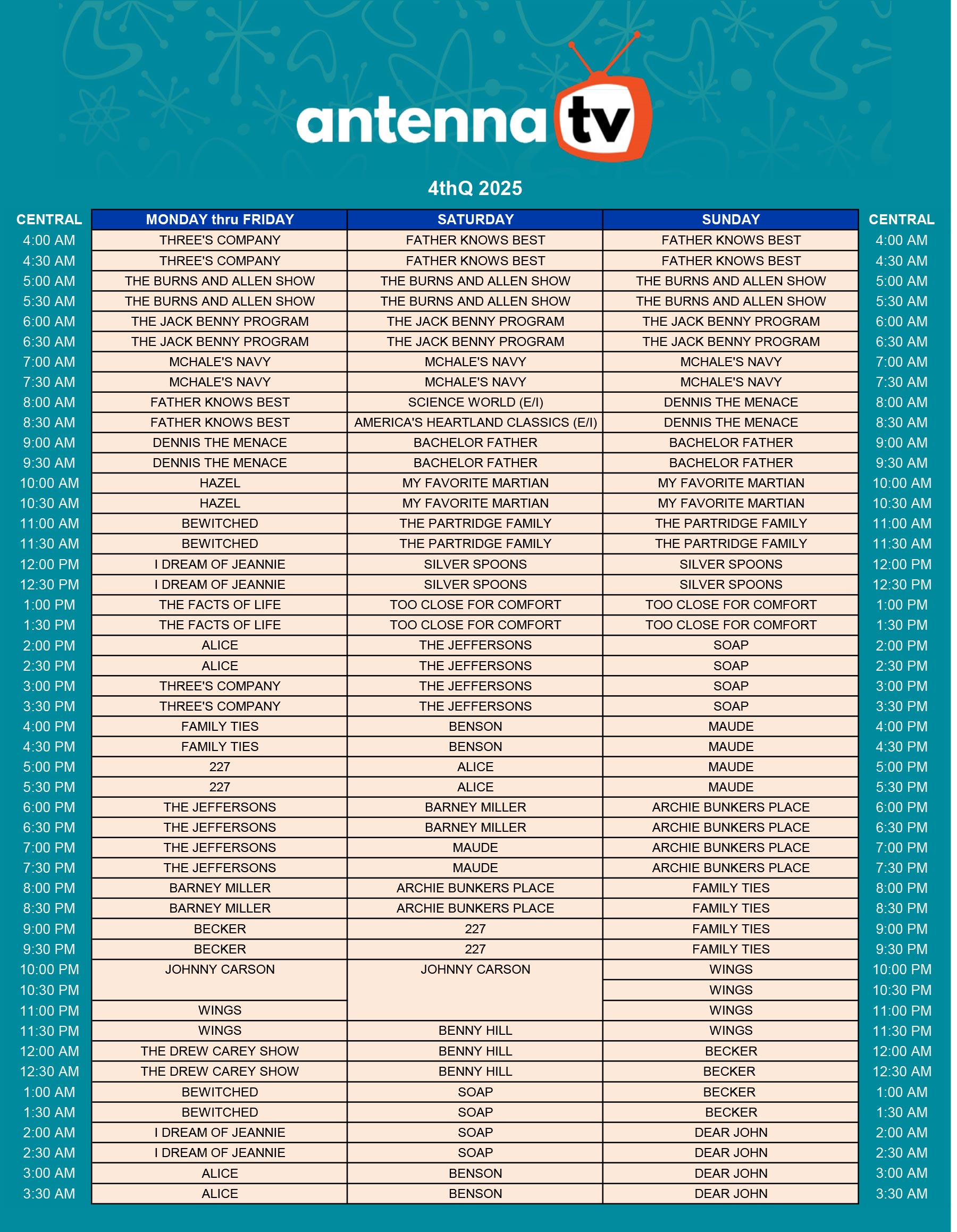
Digital Video Recorders (DVRs) and Cloud-Based Recording Solutions
While not strictly a schedule access tool, DVRs and their cloud-based counterparts (cDVRs) play a crucial role in managing “tonight’s schedule” by providing unparalleled control over live content. Traditional DVRs, once bulky hardware devices, record broadcast signals to a local hard drive, enabling viewers to pause, rewind, and fast-forward live TV, or record entire series. Their integrated EPGs facilitate the scheduling of recordings. Cloud DVRs, offered by many live TV streaming services, take this concept further by storing recordings in the cloud. This eliminates the need for physical hardware, allows access to recordings from any device, and often supports simultaneous recording of multiple shows. Both technologies, through sophisticated scheduling algorithms and storage management systems, empower viewers to essentially create their own personalized “tonight’s schedule” by curating and time-shifting content according to their preferences, ensuring they never miss a desired program.
The Influence of Algorithms and Personalization on “Tonight’s Watchlist”
The question “What is the TV schedule tonight?” no longer exclusively refers to broadcast lineups. For many, it’s about what their personalized streaming platform recommends. This shift is entirely driven by advanced algorithms and machine learning, which have become the invisible architects of our viewing habits.
Recommendation Engines: Shaping Your Viewing Habits
At the heart of modern content discovery are recommendation engines, powerful AI systems that analyze a user’s viewing history, ratings, watch patterns, and even explicit preferences (e.g., genres, actors) to suggest relevant content. These algorithms compare individual user data with broader community trends, identifying patterns and similarities to deliver highly personalized “tonight’s watchlist.” Techniques like collaborative filtering, content-based filtering, and hybrid approaches are employed to predict what a viewer might enjoy next. This technology goes beyond simply showing what’s popular; it aims to introduce users to new content they might genuinely love, subtly guiding their choices and expanding their entertainment horizons. The effectiveness of these engines directly impacts user engagement and retention, making them a critical component of every major streaming platform’s technological infrastructure.
Predictive Analytics for Content Discovery
Beyond mere recommendations, platforms are increasingly leveraging predictive analytics to anticipate user demand and even influence content acquisition and production. By analyzing vast datasets of user behavior, platforms can forecast trends, identify potential breakout hits, and understand the lifespan of different content types. For individual users, this translates into “what you might like next” features, trending sections, and tailored alerts for upcoming releases that align with their inferred interests. Predictive models help curate the “tonight’s schedule” experience by proactively highlighting content that is most likely to resonate, reducing the paradox of choice in an overwhelming library. This proactive approach, built on complex statistical models and machine learning, ensures that the most relevant content is always surfaced, minimizing the time spent searching and maximizing viewing time.
Customization Features: From Profiles to Watchlists
The concept of a personalized “tonight’s schedule” is further refined through various customization features. User profiles, a staple of most streaming services, allow different household members to maintain separate viewing histories, preferences, and recommendations, ensuring that children’s content doesn’t skew an adult’s suggestions, for example. Watchlists or “My List” features enable users to explicitly save content they wish to view later, acting as a self-curated schedule. Furthermore, many platforms offer options to hide content, specify disliked genres, or follow specific actors/directors, allowing users to fine-tune their algorithmic experience. These features, powered by robust database management and user interface design, empower individuals to actively shape their content environment, making “tonight’s schedule” a truly bespoke experience crafted by both algorithms and personal choice.
Beyond Broadcast: Emerging Technologies Redefining TV Engagement
The trajectory of television is one of continuous technological innovation. Looking forward, the question of “what is the TV schedule tonight?” will increasingly be shaped by technologies that push the boundaries of immersion, interactivity, and content delivery itself.
Immersive Experiences: VR, AR, and Interactive Content
The next frontier for TV engagement involves technologies that move beyond the flat screen. Virtual Reality (VR) and Augmented Reality (AR) are poised to offer deeply immersive viewing experiences. Imagine watching a sports game from a virtual seat in the stadium, or having AR overlays provide real-time stats and player information directly into your living room. Interactive content, where viewers make choices that influence the narrative, is already emerging (e.g., Netflix’s choose-your-own-adventure specials), and this technology is set to become more sophisticated. These advancements leverage powerful rendering engines, high-speed connectivity, and advanced sensor technology to create dynamic, personalized content experiences that transcend traditional passive viewing, blurring the line between viewer and participant.
Cross-Device Sync and Multi-Screen Integration
The modern viewer often consumes content across multiple devices. Emerging technologies are focusing on seamless cross-device synchronization, allowing a user to start a show on their smart TV, pause it, and resume exactly where they left off on their smartphone or tablet. This multi-screen integration extends to companion apps that provide additional content, interactive polls, or social media feeds synchronized with the main broadcast. This sophisticated interplay requires robust cloud infrastructure, secure user authentication, and real-time data exchange protocols to ensure a fluid and uninterrupted viewing experience across an ecosystem of personal devices. The “schedule” thus becomes less about a single screen and more about a unified, personal viewing journey.

The Future of Content Delivery: Web3, Decentralization, and Blockchain
While still nascent, Web3 technologies, including blockchain and decentralized networks, hold intriguing potential for redefining content delivery and ownership. Imagine a future where content creators can distribute their work directly to viewers without intermediaries, using blockchain for transparent royalty distribution and content verification. Non-Fungible Tokens (NFTs) could represent ownership of digital content, unlocking exclusive access or interactive experiences. While the mainstream application is still evolving, these technologies promise greater creator autonomy, new revenue models, and potentially more direct viewer-creator relationships, fundamentally altering the infrastructure behind “what’s available tonight” and who controls it. This shift represents a move towards a more open, transparent, and user-centric content ecosystem.
In conclusion, “What is the TV schedule tonight?” is no longer a simple query. It is a portal into a vast and continuously evolving technological landscape. From the advanced algorithms that curate our personalized recommendations to the immersive virtual realities that promise to redefine storytelling, technology is not just facilitating content consumption—it is actively shaping its future. The modern viewer is an active participant in this digital frontier, empowered by an array of sophisticated tools and platforms that make every night’s viewing a uniquely tailored experience.
aViewFromTheCave is a participant in the Amazon Services LLC Associates Program, an affiliate advertising program designed to provide a means for sites to earn advertising fees by advertising and linking to Amazon.com. Amazon, the Amazon logo, AmazonSupply, and the AmazonSupply logo are trademarks of Amazon.com, Inc. or its affiliates. As an Amazon Associate we earn affiliate commissions from qualifying purchases.