
The pulse of global finance often beats loudest in New York City, a metropolis synonymous with economic power and innovation. For one of the world’s most enduring and influential financial institutions, Citibank, its headquarters in the heart of Manhattan serves not merely as an address but as the strategic command center for a vast global network. Understanding the location and significance of Citibank’s headquarters is to grasp a fundamental aspect of its corporate identity, its operational strategy, and its profound impact on the landscape of business finance and international banking.
The Epicenter of a Global Financial Giant
Citibank, a subsidiary of the larger financial services conglomerate Citigroup, anchors its primary global operations within the bustling financial district of New York City. This strategic placement is no accident; it is a testament to the city’s unparalleled status as a world financial capital, offering proximity to critical markets, regulatory bodies, and a deep pool of financial talent. The headquarters functions as the central nervous system for Citigroup’s diverse financial services, coordinating everything from corporate banking and investment strategies to consumer financial products and wealth management solutions across more than 160 countries and jurisdictions.

New York City: A Strategic Financial Hub
New York City’s role as Citibank’s headquarters offers a multitude of strategic advantages directly impacting its business finance capabilities. Situated at the nexus of global capital markets, the headquarters provides immediate access to the New York Stock Exchange, NASDAQ, and other pivotal financial trading platforms. This proximity facilitates rapid decision-making, efficient execution of large-scale financial transactions, and real-time responsiveness to market shifts – all critical components of effective business finance and investment banking operations.
Moreover, New York City is home to key regulatory bodies such as the Federal Reserve Bank of New York, the Office of the Comptroller of the Currency (OCC), and the Securities and Exchange Commission (SEC). Being physically close to these entities fosters a direct line of communication, ensuring that Citigroup’s operations remain compliant with the intricate web of financial regulations governing its global activities. This centralized regulatory engagement is vital for managing risk and maintaining the trust essential for a global financial institution.
The Significance of 388 Greenwich Street
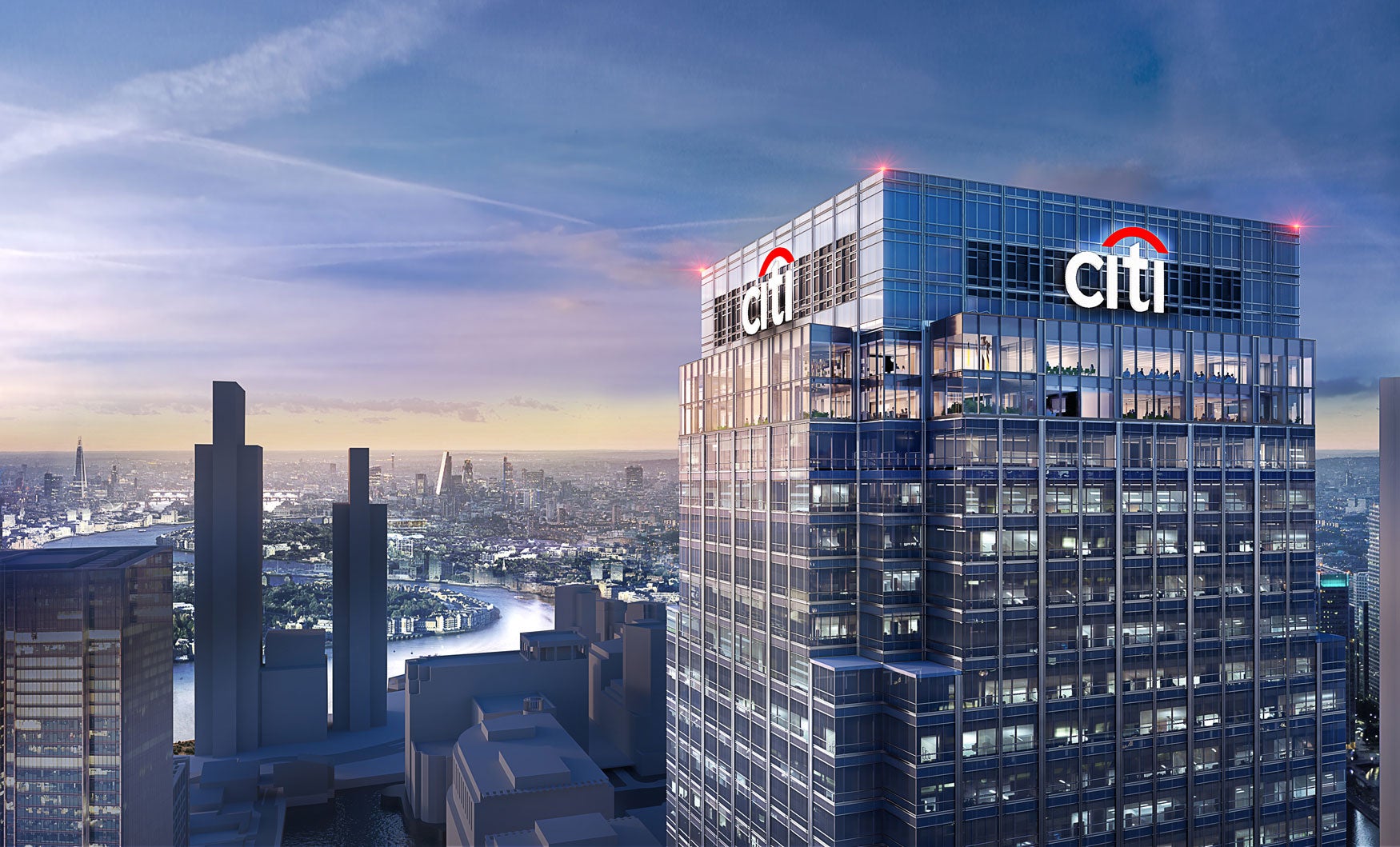
While Citigroup has maintained a significant presence in Lower Manhattan for decades, its primary global headquarters is located at 388 Greenwich Street. This imposing structure, once the North American headquarters for Salomon Brothers, became the consolidated home for many of Citigroup’s senior leadership and critical operational teams after substantial renovations and strategic reorganization. The move to consolidate operations at 388 Greenwich Street was more than just a logistical shift; it was a strategic decision to enhance internal collaboration, streamline decision-making processes, and foster a more integrated corporate culture.
This headquarters building symbolizes Citigroup’s commitment to efficiency and its forward-looking approach to corporate governance. Within its walls, strategic initiatives for global growth, technological advancements in financial tools, and innovative solutions for business finance are conceptualized and executed. It represents the central point from which Citigroup manages its vast global balance sheet, oversees its extensive risk management framework, and orchestrates its response to an ever-evolving global economic landscape.
From Humble Beginnings to Wall Street Powerhouse
Citibank’s journey from a local bank to a global financial behemoth is deeply intertwined with its New York origins, demonstrating a legacy of adaptability and strategic vision that has consistently positioned it at the forefront of the financial industry. The headquarters, in its various iterations over the centuries, has always been a beacon reflecting its evolving corporate strategy and financial ambitions.
A Legacy of Financial Innovation and Growth
Established in 1812 as the City Bank of New York, the institution initially focused on serving the local merchant community and facilitating trade in New York Harbor. Its early presence in lower Manhattan laid the groundwork for what would become a formidable financial empire. Over two centuries, the bank navigated numerous economic cycles, including panics, depressions, and wars, consistently emerging stronger through strategic acquisitions, expansion of services, and a relentless pursuit of innovation.
From pioneering foreign exchange services in the 19th century to introducing automated teller machines (ATMs) and advanced digital banking platforms in the 20th and 21st centuries, Citibank has repeatedly demonstrated a commitment to enhancing financial tools and accessibility. Its headquarters has historically served as the incubator for many of these innovations, translating strategic vision into tangible financial products and services that have reshaped personal and business finance alike. This continuous drive for innovation, orchestrated from its central hub, has been a key factor in its sustained growth and influence.
Navigating Economic Shifts from NYC
The stability and strategic decision-making emanating from Citibank’s New York headquarters have been crucial in its ability to weather significant economic storms. During the Great Depression, the oil crises of the 1970s, the dot-com bust, and the global financial crisis of 2008, the leadership at the headquarters faced immense pressures. It was from this central location that critical decisions regarding asset management, restructuring, and capital allocation were made, allowing the institution to not only survive but often emerge with renewed vigor.
The proximity to central banks, government institutions, and other major financial players in NYC during these crises allowed for coordinated responses and strategic partnerships, underscoring the importance of a well-positioned headquarters. The ability to quickly convene, assess, and act on critical financial information within a leading global financial center has been invaluable in steering Citigroup through tumultuous periods, ensuring its continued role as a pillar of the global financial system.
Corporate Governance and Strategic Operations
The headquarters at 388 Greenwich Street is far more than an administrative office; it is the ultimate locus of corporate governance, strategic planning, and operational oversight for a global financial services giant. Every major decision that impacts Citigroup’s vast network, from risk management frameworks to significant investment banking deals and consumer banking strategies, ultimately traces back to the directives and leadership housed within these walls.
The Command Center for Global Business Finance
Within the headquarters, senior executives, board members, and departmental heads collaborate to define and execute Citigroup’s global financial strategy. This includes setting targets for business finance divisions, allocating capital across different business lines (such as corporate and investment banking, private banking, and consumer banking), and managing the bank’s extensive balance sheet. The headquarters serves as the nerve center for:
-
Investment Banking Decisions: Orchestrating major mergers and acquisitions, initial public offerings, and debt capital market activities for corporate clients worldwide.
-
Corporate Banking Strategy: Developing and implementing lending, treasury, and trade solutions for multinational corporations.
-
Risk Management: Designing and enforcing comprehensive risk management policies to safeguard the institution against market, credit, operational, and reputational risks.
-
Technology and Innovation: Overseeing investments in financial technology (FinTech) to enhance existing financial tools, develop new digital services, and improve operational efficiencies.
The consolidation of these critical functions within a single headquarters fosters a synergistic environment where cross-departmental collaboration is optimized, leading to more cohesive and effective financial strategies.
Regulatory Oversight and Compliance
Operating a global financial institution like Citigroup involves navigating an incredibly complex and ever-changing regulatory landscape. The headquarters plays a pivotal role in ensuring that Citigroup adheres to the myriad of banking laws, financial regulations, and compliance standards across all jurisdictions where it operates. From its New York base, the company coordinates with international regulators and sets internal policies that reflect best practices and legal requirements.
This central oversight includes:
-
Anti-Money Laundering (AML) and Know Your Customer (KYC) compliance: Implementing robust systems and procedures to detect and prevent financial crime globally.
-
Capital Requirements: Ensuring the bank maintains adequate capital buffers as mandated by Basel Accords and national regulators to absorb potential losses.
-
Consumer Protection: Establishing policies and practices that protect consumer interests, particularly in its extensive consumer banking operations.
The headquarters functions as the central point for audits, examinations, and reporting to governmental and financial authorities, reinforcing Citigroup’s commitment to transparency and sound financial governance.
Impact on Global Financial Markets and Business
The strategic decisions and operational directives originating from Citibank’s headquarters in New York ripple across global financial markets, influencing everything from the availability of credit for businesses to the stability of international trade. As one of the world’s Systemically Important Financial Institutions (SIFIs), its actions have significant macroeconomic consequences.
Driving Business Finance and Capital Flow
From its NYC base, Citigroup plays a crucial role in facilitating global capital flows. Through its corporate and investment banking arms, it connects businesses seeking funding with investors, enabling expansion, innovation, and job creation across industries. The headquarters is where major lending decisions are approved, complex financial instruments are structured, and strategic advice is offered to multinational corporations, governments, and institutional investors.
This influence extends to:
-
Trade Finance: Supporting international trade through letters of credit, guarantees, and other financial mechanisms that reduce risk for importers and exporters.
-
Project Finance: Funding large-scale infrastructure and industrial projects globally, requiring intricate financial structuring and risk assessment, often coordinated from the central hub.
-
Market Making: Providing liquidity in various financial markets, which is essential for efficient price discovery and the smooth functioning of global commerce.
The sheer scale of Citigroup’s operations, orchestrated from its headquarters, ensures that it remains a critical engine driving economic activity worldwide.

Adapting to the Future of Financial Services
The leadership at Citibank’s headquarters is acutely focused on the future of financial services, particularly in an era defined by rapid technological advancement and evolving customer expectations. The drive for innovation in financial tools and digital platforms is a core strategic priority, aimed at maintaining competitiveness and relevance.
This forward-looking approach includes:
-
Investing in Digital Transformation: Developing cutting-edge mobile banking apps, online platforms, and AI-powered financial advisory tools.
-
Embracing Blockchain Technology: Exploring applications for distributed ledger technology in areas like cross-border payments and trade finance.
-
Focusing on ESG (Environmental, Social, and Governance): Integrating sustainability into its lending and investment strategies, reflecting a growing global demand for responsible finance.
The headquarters serves as the central forum where these strategic imperatives are debated, designed, and deployed, ensuring that Citigroup remains at the vanguard of the financial industry. Its position in New York City, a hub of both finance and technology, allows it to attract top talent and collaborate with innovative partners, securing its enduring influence in the global financial landscape for decades to come.
aViewFromTheCave is a participant in the Amazon Services LLC Associates Program, an affiliate advertising program designed to provide a means for sites to earn advertising fees by advertising and linking to Amazon.com. Amazon, the Amazon logo, AmazonSupply, and the AmazonSupply logo are trademarks of Amazon.com, Inc. or its affiliates. As an Amazon Associate we earn affiliate commissions from qualifying purchases.