
The financial markets are a dynamic realm, constantly fluctuating in response to economic indicators, corporate performance, geopolitical events, and investor sentiment. Among the various benchmarks, the S&P 500 stands as one of the most widely followed and critical barometers of the U.S. stock market’s health. When this index reaches an “all-time high,” it’s often heralded as a sign of robust economic growth and investor confidence, sparking both excitement and caution among market participants.
An all-time high for the S&P 500 refers to the highest point the index has ever reached in its history, based on its closing price or intra-day trading peak. This isn’t a static number, as the market is perpetually moving. Instead, it’s a living record, challenged and potentially surpassed on a daily basis. Understanding what constitutes these peaks, what drives them, and what they signify for investors is crucial for anyone engaging with personal finance and investing. This article delves into the concept of the S&P 500 all-time high, exploring its historical context, the forces behind market surges, and how investors can interpret and respond to these monumental moments.
Understanding the S&P 500: America’s Economic Barometer
Before dissecting the concept of an all-time high, it’s essential to grasp what the S&P 500 truly represents. It’s more than just a number; it’s a window into the broader American economy and corporate landscape.
A Benchmark for the U.S. Economy
The S&P 500, or the Standard & Poor’s 500, is a stock market index that represents the performance of 500 of the largest publicly traded companies in the United States. These companies are selected by a committee based on criteria like market size, liquidity, sector representation, and public float. Unlike some other indices that are purely market-capitalization weighted, the S&P 500 also considers factors that ensure it is truly representative of the broader economy. Because it includes companies from a diverse range of sectors – from technology and finance to healthcare and consumer staples – it’s widely regarded as the best single gauge of large-cap U.S. equities and a proxy for the overall health of the American economy.
Composition and Weighting
The S&P 500 is a market-capitalization-weighted index. This means that companies with larger market caps (share price multiplied by the number of outstanding shares) have a greater impact on the index’s value. For instance, a movement in a trillion-dollar company like Apple or Microsoft will have a significantly larger effect on the S&P 500’s performance than an equivalent percentage move in a company with a market cap of a few billion dollars. This weighting method ensures that the index reflects the overall economic contribution and influence of its largest constituents. Periodically, the S&P Dow Jones Indices committee reviews and adjusts the index’s composition, adding new companies and removing others to maintain its relevance and representative nature.
Price Return vs. Total Return
When discussing an S&P 500 all-time high, it’s typically referring to the price return index, which only accounts for the capital appreciation of the underlying stocks. However, investors also consider the total return index, which reinvests dividends paid out by the constituent companies. Over the long term, the total return index will always outperform the price return index due to the compounding effect of reinvested dividends. While the price return often makes headlines for reaching new highs, savvy investors pay close attention to total return as a more accurate measure of wealth creation.
Tracing the Peaks: Historical All-Time Highs
The S&P 500 has a rich history of growth, punctuated by periods of significant market downturns, or bear markets, and subsequent recoveries that lead to new record highs. Identifying the exact “all-time high” is a daily exercise, but understanding the journey to these peaks provides valuable context.
The Dynamic Nature of Market Records
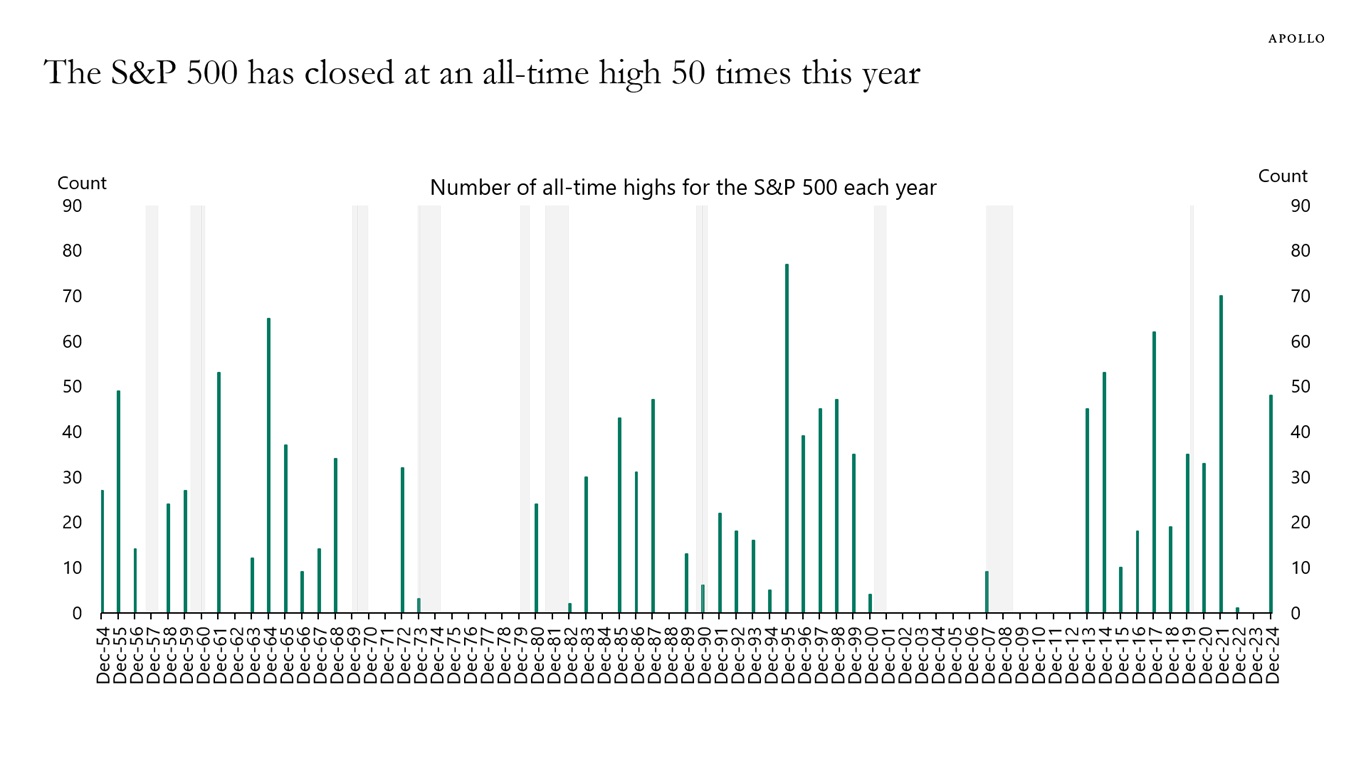
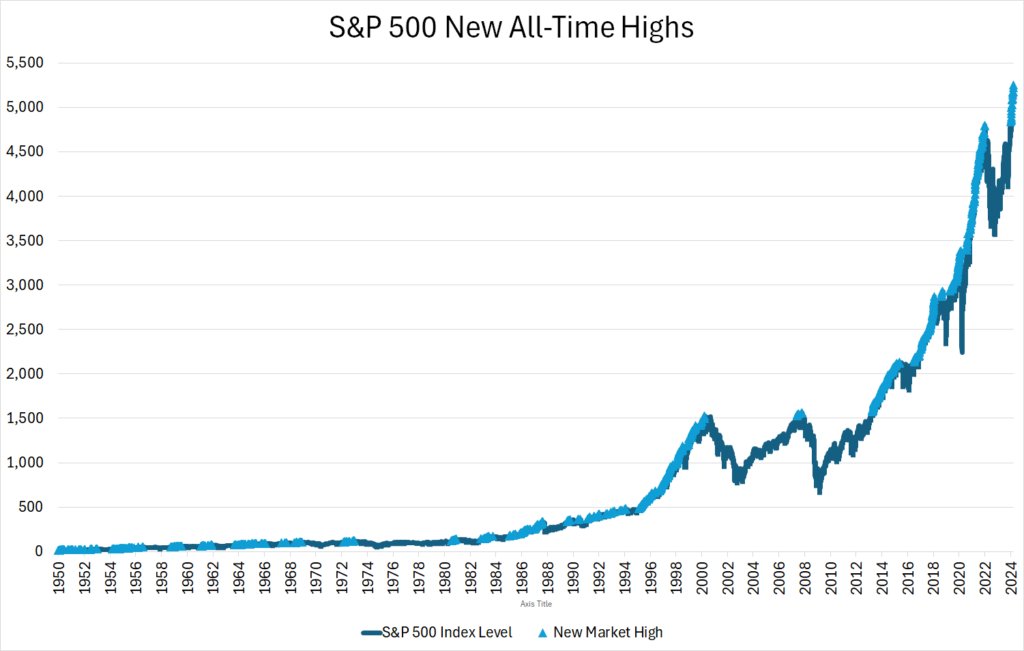
The S&P 500’s all-time high is not a fixed historical anecdote; it’s a dynamic figure that shifts with each trading day. A new all-time high is established when the index’s closing value surpasses its previous highest close. Intra-day highs can also occur, where the index briefly touches a new peak during trading hours but closes below that level or even below the previous all-time close. When financial news outlets report a new all-time high, they are almost always referring to a new closing record. This continuous upward progression, despite temporary setbacks, reflects the long-term growth trajectory of the U.S. economy and corporate profits.
Notable Past Milestones and Recoveries
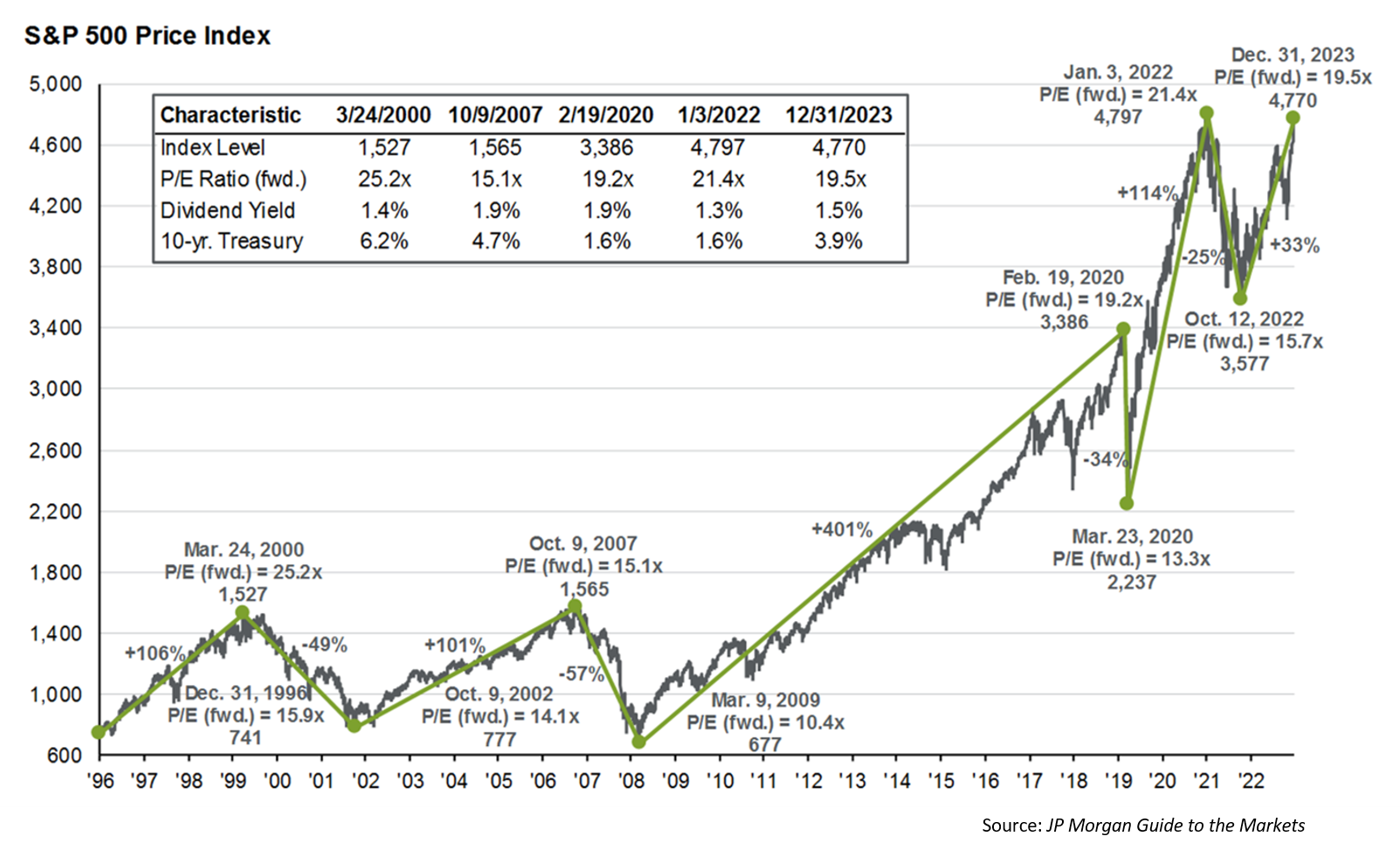
The S&P 500 has experienced numerous cycles of boom and bust throughout its history. Major milestones include breaking through 1,000 points in 1998 during the dot-com bubble, soaring past 2,000 points in 2014, and continuing its ascent to record highs in subsequent years. Each market downturn, whether it was the dot-com crash of 2000-2002, the Great Financial Crisis of 2008, or the COVID-19 pandemic shock of 2020, eventually gave way to a recovery that saw the index not only regain its previous losses but also establish new all-time highs. This resilience is a testament to the adaptive capacity of American businesses and the broader economy. These recoveries often take time, sometimes years, but the long-term trend of the S&P 500 has historically been upward.
Identifying the Current All-Time High
Pinpointing the exact current all-time high requires checking real-time market data, as it can change daily. As of my last update, the S&P 500 has consistently pushed into new high territory, reflecting strong corporate earnings, technological advancements, and a relatively stable economic environment (though this is subject to ongoing change and interpretation). Investors can find the latest figures on financial news websites, investment platforms, or directly from index providers. It’s crucial to remember that while the number itself is significant, the context surrounding it – the economic drivers and investor sentiment – are equally, if not more, important for making informed investment decisions.
Factors Driving Market Peaks
Achieving an all-time high is never the result of a single factor but rather a confluence of economic, corporate, and psychological forces that align to propel asset values higher.
Corporate Earnings and Economic Growth
At its core, the stock market reflects the earning power of companies. Sustained growth in corporate profits is perhaps the most fundamental driver of rising stock prices. When companies report strong earnings, it signals robust business health, efficient operations, and effective management, which in turn attracts more investment. Coupled with a strong overall economy – characterized by low unemployment, healthy GDP growth, and increasing consumer spending – the environment becomes ripe for stock market appreciation. Economic growth expands the pie for everyone, leading to higher revenues and profits for the S&P 500 companies.
Technological Innovation and Sector Leadership
Throughout history, technological advancements have been powerful catalysts for market growth. From the industrial revolution to the internet boom and now the era of artificial intelligence and biotechnology, innovation creates new industries, enhances productivity, and unlocks unprecedented value. The S&P 500’s composition naturally shifts to reflect these dominant trends, with leading technology companies often holding significant weight and driving much of the index’s performance. When these innovative sectors flourish, they can pull the entire market to new heights.
Monetary Policy and Interest Rates
Central bank policies, particularly those of the U.S. Federal Reserve, play a crucial role in influencing market performance. Historically, periods of accommodative monetary policy, characterized by low interest rates and quantitative easing, have tended to support higher stock valuations. Lower interest rates reduce the cost of borrowing for companies, stimulating investment and expansion. They also make bonds and other fixed-income investments less attractive, encouraging investors to seek higher returns in equities. Conversely, rising interest rates can make borrowing more expensive and fixed-income assets more competitive, potentially putting downward pressure on stock prices.
Investor Confidence and Capital Inflows
Market psychology is an often underestimated factor. When investor confidence is high, driven by positive economic news, strong corporate outlooks, or a general sense of optimism, more capital tends to flow into the stock market. This increased demand for equities drives up prices. A positive feedback loop can emerge where rising prices further fuel confidence, attracting even more capital. This “bullish” sentiment can sometimes lead to market exuberance, but in healthy markets, it reflects a belief in the long-term prospects of the underlying businesses and the economy.
Navigating New Peaks: Investing Strategies in a High Market
For many investors, an all-time high can evoke mixed feelings – excitement over portfolio gains but also anxiety about whether the market is “too high” and due for a correction. It’s crucial to maintain a disciplined approach rather than succumbing to emotional decision-making.
Is It Too Late to Invest?
A common misconception is that investing at an all-time high means you’ve missed the boat and are guaranteed to buy at the top. History, however, suggests otherwise. The S&P 500 spends a significant amount of time near or at new all-time highs as it continues its long-term upward trend. For long-term investors, trying to “time the market” by waiting for a dip is notoriously difficult and often leads to missing out on significant gains. A consistent investing strategy, such as dollar-cost averaging, where you invest a fixed amount regularly regardless of market levels, can be highly effective. This approach smooths out your average purchase price over time and allows you to benefit from both market dips and subsequent recoveries.
Diversification and Risk Management
Whether the market is at an all-time high or not, diversification remains a cornerstone of prudent investing. Spreading investments across various asset classes (stocks, bonds, real estate), different sectors, and geographic regions helps mitigate risk. If one segment of your portfolio underperforms, others may compensate. At market highs, it might be an opportune time to review your portfolio’s asset allocation and ensure it still aligns with your risk tolerance and financial goals.
Long-Term Perspective
The S&P 500’s journey is characterized by short-term volatility but long-term growth. Reacting to every market peak or trough can be detrimental to long-term returns. Investors with a long-term horizon (e.g., 10, 20, 30 years or more) should focus on their financial goals and stick to their investment plan. Historical data shows that those who remain invested through market cycles tend to fare better than those who try to jump in and out. Time in the market is often more important than timing the market.
Rebalancing Your Portfolio
When the market hits new highs, certain assets in your portfolio might have grown disproportionately, shifting your asset allocation away from your target. For example, if stocks have surged, they might now constitute a larger percentage of your portfolio than you initially intended. Rebalancing involves selling a portion of your overperforming assets and reinvesting in underperforming ones to bring your portfolio back to your desired allocation. This helps manage risk and can also be a disciplined way to “buy low and sell high” (in relative terms within your portfolio).
The Significance of Market Records
Beyond the immediate financial implications, S&P 500 all-time highs carry broader significance for the economy and investor psychology.
A Barometer of Economic Health
New S&P 500 highs are often interpreted as a positive sign for the economy. They reflect corporate profitability, investor confidence, and often, a robust economic environment. This can foster a sense of optimism, encouraging consumer spending and business investment, which in turn further supports economic growth. However, it’s also important to remember that the stock market is a forward-looking indicator, sometimes anticipating future economic conditions rather than perfectly reflecting the present.
Psychological Impact on Investors
All-time highs can have a powerful psychological effect. For those already invested, they provide a sense of validation and wealth accumulation. For those on the sidelines, it can ignite a fear of missing out (FOMO), potentially prompting them to invest. While positive sentiment is generally good, extreme euphoria can sometimes lead to irrational exuberance and speculative bubbles, making it crucial for investors to maintain a rational and data-driven approach.
Implications for Retirement and Savings
For individuals saving for retirement, an S&P 500 at an all-time high can mean significant growth in their 401(k)s, IRAs, and other investment accounts. This can accelerate their progress towards retirement goals or other long-term financial objectives like funding a child’s education or a down payment on a house. However, it also underscores the need for periodic review and adjustments to ensure the portfolio remains aligned with their specific timeline and risk tolerance as they approach withdrawal phases.
In conclusion, an S&P 500 all-time high is a testament to the long-term growth potential of the U.S. economy and its leading companies. While it’s a headline-grabbing event, smart investors understand that it’s a dynamic benchmark that requires a disciplined, long-term approach, careful diversification, and a commitment to their financial plan, regardless of daily market fluctuations.
aViewFromTheCave is a participant in the Amazon Services LLC Associates Program, an affiliate advertising program designed to provide a means for sites to earn advertising fees by advertising and linking to Amazon.com. Amazon, the Amazon logo, AmazonSupply, and the AmazonSupply logo are trademarks of Amazon.com, Inc. or its affiliates. As an Amazon Associate we earn affiliate commissions from qualifying purchases.