
Setting up a budget is more than just tracking numbers; it’s about gaining control, understanding your financial flow, and charting a course toward your most ambitious financial aspirations. In an increasingly complex economic landscape, a well-structured budget transforms abstract desires into tangible plans, offering clarity and peace of mind. This comprehensive guide will demystify the budgeting process, providing you with a step-by-step framework to create a robust financial plan that truly works for you.
The Foundational Pillars of Budgeting: Why and What
Before diving into the mechanics, it’s crucial to grasp the fundamental ‘why’ and ‘what’ of budgeting. A budget is not a restrictive measure designed to deprive you; rather, it’s an empowering tool that allocates your financial resources strategically, ensuring every dollar has a purpose.
Unpacking the ‘Why’: The Irrefutable Benefits
The reasons for adopting a budget are compelling and far-reaching:
- Financial Clarity and Awareness: Many people operate with a vague understanding of where their money goes. A budget forces you to confront your spending habits, revealing precisely how much you earn versus how much you spend, and on what. This awareness is the first step toward informed financial decisions.
- Debt Reduction and Avoidance: One of the most common drivers for budgeting is the desire to escape debt. By identifying surplus funds or areas for reduction, you can allocate more money towards paying down high-interest loans, credit card balances, and mortgages, accelerating your path to debt freedom.
- Goal Achievement: Whether it’s saving for a down payment on a house, funding a child’s education, planning a dream vacation, or building a retirement nest egg, a budget provides the roadmap. It helps you earmark specific amounts for these goals, making them attainable rather than mere fantasies.
- Reduced Financial Stress: Money worries are a leading cause of stress. When you know exactly where you stand financially, and have a plan for unexpected expenses, the anxiety dissipates. A budget instills confidence and peace of mind.
- Empowered Decision-Making: With a clear financial picture, you’re better equipped to make sound decisions about major purchases, career changes, or investment opportunities. You move from reactive spending to proactive financial management.
- Emergency Preparedness: Life is unpredictable. A well-designed budget includes provisions for an emergency fund, acting as a crucial safety net for unforeseen events like job loss, medical emergencies, or car repairs, preventing you from falling into debt during crises.
Defining Your Financial Landscape: Income and Expenses
At its core, a budget balances your income against your expenses. Understanding these two components in detail is non-negotiable.
- Income: This includes all the money flowing into your household. For most, it’s their net pay (after taxes and deductions). However, it also encompasses other sources like freelance income, rental property income, alimony, child support, investment dividends, or side hustle earnings. It’s crucial to use net income (what actually hits your bank account) for budgeting purposes, as gross income can be misleading.
- Expenses: These are all the outgoings. Expenses can be broadly categorized into:
- Fixed Expenses: These are costs that largely stay the same month to month. Examples include rent/mortgage payments, loan payments (car, student), insurance premiums, subscription services, and some utility bills (if they are a fixed amount). They are predictable and often contractual.
- Variable Expenses: These fluctuate based on usage or choice. Examples include groceries, dining out, entertainment, clothing, transportation (gas), personal care, and gifts. Managing variable expenses is often where the most significant budgeting gains can be made.
- Periodic/Irregular Expenses: These are expenses that don’t occur monthly but are predictable annually or quarterly, such as annual insurance premiums, vehicle registration, property taxes, or holiday spending. These are often overlooked but can derail a monthly budget if not accounted for.
Step-by-Step Guide to Crafting Your Budget
With the foundational understanding established, let’s break down the practical steps to build your budget.
Capturing Your Cash Flow: Income Assessment
Your first step is to accurately calculate your total monthly income.
- List all sources: Include your primary salary, any part-time work, freelance gigs, rental income, etc.
- Use Net Income: Always use the amount that actually lands in your bank account, after taxes, retirement contributions, and benefits deductions. If your income varies (e.g., commission-based or freelance), average your income over the past 3-6 months to get a realistic figure, or budget conservatively using your lowest expected income.
Deconstructing Spending: Tracking and Categorization
This is often the most revealing and sometimes uncomfortable part, but it’s essential.
- Track Everything: For at least one month (preferably two or three to capture variations), meticulously track every single dollar you spend.
- Manual Method: Keep receipts and log them daily in a notebook or spreadsheet.
- Digital Method: Use banking apps, credit card statements, or dedicated budgeting apps (which often link directly to your accounts).
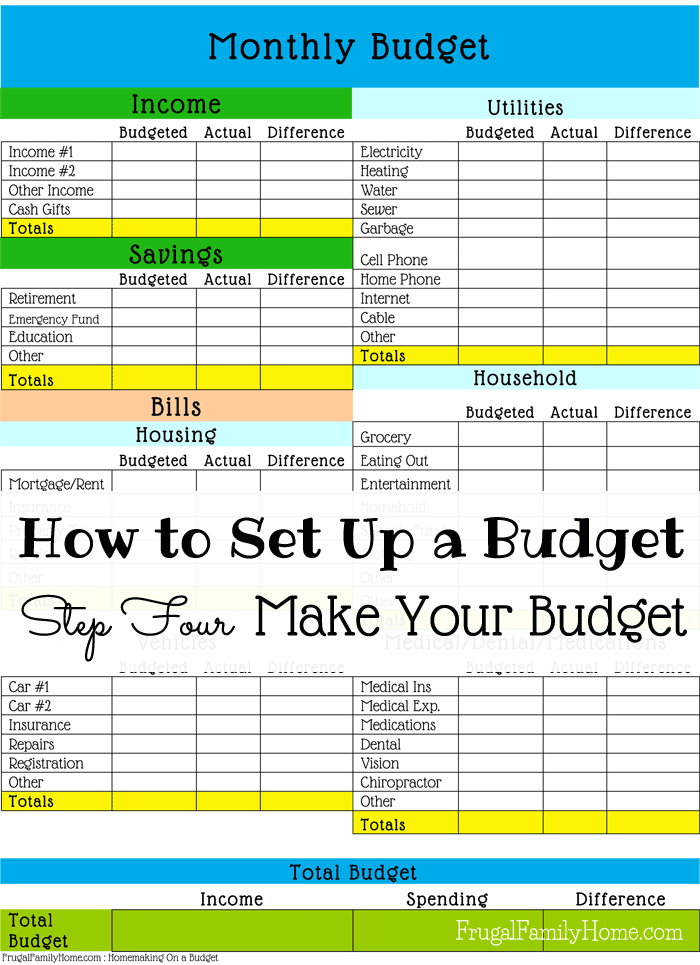
- Categorize Your Spending: Once tracked, assign each expense to a category (e.g., housing, utilities, groceries, transportation, dining out, entertainment, savings, debt payments). Be specific. This reveals where your money is actually going. This step is crucial for identifying areas where you might be overspending.
Establishing Financial Targets: Short-Term and Long-Term Goals
Your budget needs a purpose beyond just existing. Goals give it direction.
- Define Your Goals:
- Short-term (1-3 years): Building an emergency fund (3-6 months of living expenses), paying off a specific credit card, saving for a down payment, or a significant purchase.
- Long-term (5+ years): Retirement planning, children’s education, paying off your mortgage, starting a business.
- Quantify Your Goals: Assign a dollar amount and a timeline to each goal. For example, “Save $10,000 for a down payment in 2 years” means you need to save approximately $417 per month.
- Prioritize: You may have many goals. Rank them to understand where your money should be allocated first.
Choosing Your Budgeting Blueprint: Methods and Models
There isn’t a one-size-fits-all budget. Choose a method that resonates with your personality and financial situation.
- The 50/30/20 Rule:
- 50% Needs: Housing, utilities, groceries, transportation, minimum debt payments, insurance.
- 30% Wants: Dining out, entertainment, hobbies, travel, shopping, subscription services.
- 20% Savings & Debt Repayment: Emergency fund, retirement, investments, extra debt payments.
- Best for: Those seeking a simple, flexible framework.
- Zero-Based Budgeting:
- Every dollar of income is assigned a job (spent, saved, or invested) until your income minus your expenses equals zero. You literally budget down to zero.
- Best for: Those who want maximum control over every dollar and want to ensure no money is left unaccounted for.
- Envelope System (Cash Budgeting):
- Allocate cash into physical envelopes for specific variable spending categories (e.g., groceries, entertainment). Once an envelope is empty, you stop spending in that category until the next budgeting period.
- Best for: Visual learners, those who struggle with impulse spending, or those who prefer a tangible approach. Can be adapted digitally.
- Pay Yourself First:
- Prioritize savings and debt repayment by allocating funds to these goals immediately after receiving your paycheck, often through automated transfers. Whatever is left is then available for spending.
- Best for: Those who struggle with saving consistently and want to ensure their financial goals are met first.
Implementing and Maintaining Your Budget with Modern Tools

Once you’ve chosen a method, the next step is to put it into action and ensure its longevity.
Leveraging Digital Solutions: Apps, Spreadsheets, and Software
Modern technology has revolutionized budgeting, making it more accessible and less cumbersome.
- Budgeting Apps: Apps like YNAB (You Need A Budget), Mint, Personal Capital, PocketGuard, and Simplifi link directly to your bank accounts and credit cards, automatically tracking and categorizing transactions. They offer real-time insights, goal tracking, and often provide visual reports.
- Spreadsheets: For those who prefer a hands-on approach, a custom Excel or Google Sheets spreadsheet offers unparalleled flexibility. You can design it exactly to your needs, incorporating formulas for automatic calculations. Many free templates are available online.
- Online Banking Tools: Most banks offer robust online platforms with budgeting features, spending analysis, and goal-setting tools, often integrated seamlessly with your accounts.
The key is to choose a tool you’ll actually use consistently. The best tool is the one that fits your personal workflow and keeps you engaged.
The Art of Adjustment: Review and Refinement
A budget is a living document, not a static decree. It needs regular attention to remain effective.
- Weekly Check-ins: Briefly review your spending against your budget. Are you on track in your variable categories? Are there any unexpected expenses?
- Monthly Review: At the end of each month, conduct a more thorough review.
- Did you stick to your budget? Where did you overspend or underspend?
- What went well? What challenges did you face?
- Are your income and expenses still accurate?
- Are your financial goals still relevant?
- Quarterly/Annual Adjustments: Major life events (job change, marriage, new baby, house purchase) necessitate a complete budget overhaul. Even without major events, income changes, inflation, or evolving goals require periodic adjustments to ensure your budget remains realistic and supportive of your financial journey.
Overcoming Common Budgeting Hurdles
Budgeting isn’t always smooth sailing. Encountering obstacles is normal, but with the right strategies, you can navigate them effectively.
Tackling Overspending and Impulse Buys
This is perhaps the most common challenge.
- Identify Triggers: What situations or emotions lead to impulse buys or overspending? Is it stress, boredom, social pressure, or advertising?
- Implement a Waiting Period: For non-essential purchases, impose a 24-hour or 48-hour rule. If you still want it after the waiting period, consider if it truly aligns with your budget and goals.
- Cash Only for Problem Categories: If you struggle with specific variable categories (e.g., dining out, entertainment), switch to using only cash for those envelopes. When the cash is gone, so is the spending.
- Unsubscribe and Unfollow: Reduce exposure to marketing that encourages spending. Unsubscribe from retail emails and unfollow tempting brands on social media.
Building Consistency and Resilience
The long-term success of budgeting hinges on consistency, which can be hard to maintain.
- Automate Everything Possible: Automate savings transfers, bill payments, and debt repayments. This removes the need for willpower and ensures your financial goals are prioritized.
- Set Realistic Expectations: Don’t create an impossibly tight budget that leaves no room for enjoyment. A budget that’s too restrictive is one you’re likely to abandon. Build in a “fun money” or “miscellaneous” category.
- Find Your Motivation: Regularly remind yourself of your financial goals. Visual reminders (e.g., pictures of your dream home, a vacation destination) can keep you motivated during challenging times.
- Don’t Give Up After a Slip-Up: One bad spending week or month doesn’t mean your entire budget is ruined. Acknowledge it, learn from it, adjust if necessary, and get back on track. Consistency isn’t about perfection; it’s about persistent effort.
Adapting to Life’s Financial Fluctuations
Life rarely goes exactly as planned. Your budget must be flexible enough to handle changes.
- Emergency Fund First: Prioritize building a robust emergency fund. This cushion is your first line of defense against unexpected job loss, medical bills, or major car repairs, preventing you from derailing your budget and going into debt.
- Build in a Buffer: Include a small “buffer” category in your budget for minor unexpected expenses or slight overages in variable categories. This prevents feeling like you’ve failed if you go a few dollars over.
- Re-evaluate Periodically: As mentioned, major life changes require a full budget re-evaluation. Minor changes (a small raise, a new recurring bill) should also prompt a quick check-in and adjustment.
The Long-Term Rewards of Financial Discipline
Embracing budgeting is an investment in your future self, yielding profound and lasting rewards that extend far beyond mere numbers.
Cultivating Financial Freedom and Peace of Mind
The ultimate goal of budgeting is not just to manage money but to achieve a state of financial freedom. This isn’t necessarily about being rich, but about having choices, security, and control over your financial destiny. When you consistently live within your means, save diligently, and plan for the future, you unlock:
- Reduced Stress: The constant anxiety about bills, debt, or unexpected expenses diminishes significantly. You sleep better knowing your finances are in order.
- Enhanced Options: Financial freedom means you have the flexibility to pursue opportunities, whether it’s changing careers, traveling, or taking a sabbatical, without being solely dictated by financial necessity.
- Security: A strong financial foundation, built through disciplined budgeting, provides a sense of security against life’s inevitable curveballs.
- Generosity: As your financial health improves, you’ll find yourself in a position to be more generous with your time and resources, supporting causes and people you care about.

Empowering Future Wealth Creation
Budgeting isn’t just about managing current income and expenses; it’s the critical first step towards wealth creation. By systematically identifying surplus funds, you open avenues for:
- Investing: Consistent saving enables you to invest in stocks, bonds, real estate, or other assets that can grow your wealth exponentially over time through compounding.
- Entrepreneurship: A solid personal budget can provide the capital or the financial stability needed to take calculated risks, start a business, or invest in professional development.
- Early Retirement: By maximizing savings and investments, a budget directly accelerates your timeline to achieving financial independence and potentially retiring earlier than planned.
- Legacy Building: For those with long-term aspirations, a disciplined budget lays the groundwork for creating a lasting financial legacy for future generations or philanthropic endeavors.
In conclusion, setting up a budget is an act of empowerment. It transforms you from a passive recipient of financial circumstances into an active architect of your financial future. While it requires discipline and regular attention, the clarity, control, and peace of mind it offers are invaluable. Start today, choose a method that suits you, leverage the tools available, and commit to the ongoing process of review and refinement. Your future self will thank you for taking control.
aViewFromTheCave is a participant in the Amazon Services LLC Associates Program, an affiliate advertising program designed to provide a means for sites to earn advertising fees by advertising and linking to Amazon.com. Amazon, the Amazon logo, AmazonSupply, and the AmazonSupply logo are trademarks of Amazon.com, Inc. or its affiliates. As an Amazon Associate we earn affiliate commissions from qualifying purchases.