
In the world of modern finance, few symbols carry as much weight or recognition as “QQQ.” To the uninitiated, it may look like a random string of letters, but to the seasoned investor, it represents one of the most successful and influential exchange-traded funds (ETFs) in history. Known officially as the Invesco QQQ Trust, this financial instrument has become the primary vehicle for investors seeking exposure to the pulse of American innovation and large-cap growth.
Understanding the QQQ is essential for anyone looking to navigate the complexities of the current equity markets. It is more than just a stock; it is a curated basket of the companies that define our digital age. This article explores the mechanics of the QQQ, its internal composition, its historical performance, and the strategic role it plays in a diversified financial portfolio.

Understanding the Fundamentals of the QQQ ETF
To understand what the QQQ is, one must first understand what it tracks. The Invesco QQQ Trust is an ETF that seeks to provide investment results that generally correspond to the price and yield performance of the Nasdaq-100 Index.
The History and Evolution of Invesco QQQ
Launched in March 1999 by Invesco (originally under the Unit Investment Trust structure), the QQQ arrived at the height of the dot-com boom. While its early years were marked by the extreme volatility of the tech bubble, it survived to become the “gold standard” for growth-oriented ETFs. Over the last two decades, it has evolved from a niche trading tool into the fifth-most popular ETF in the world, boasting hundreds of billions of dollars in assets under management (AUM). Its longevity is a testament to the enduring dominance of the companies it tracks.
How the Nasdaq-100 Index Works
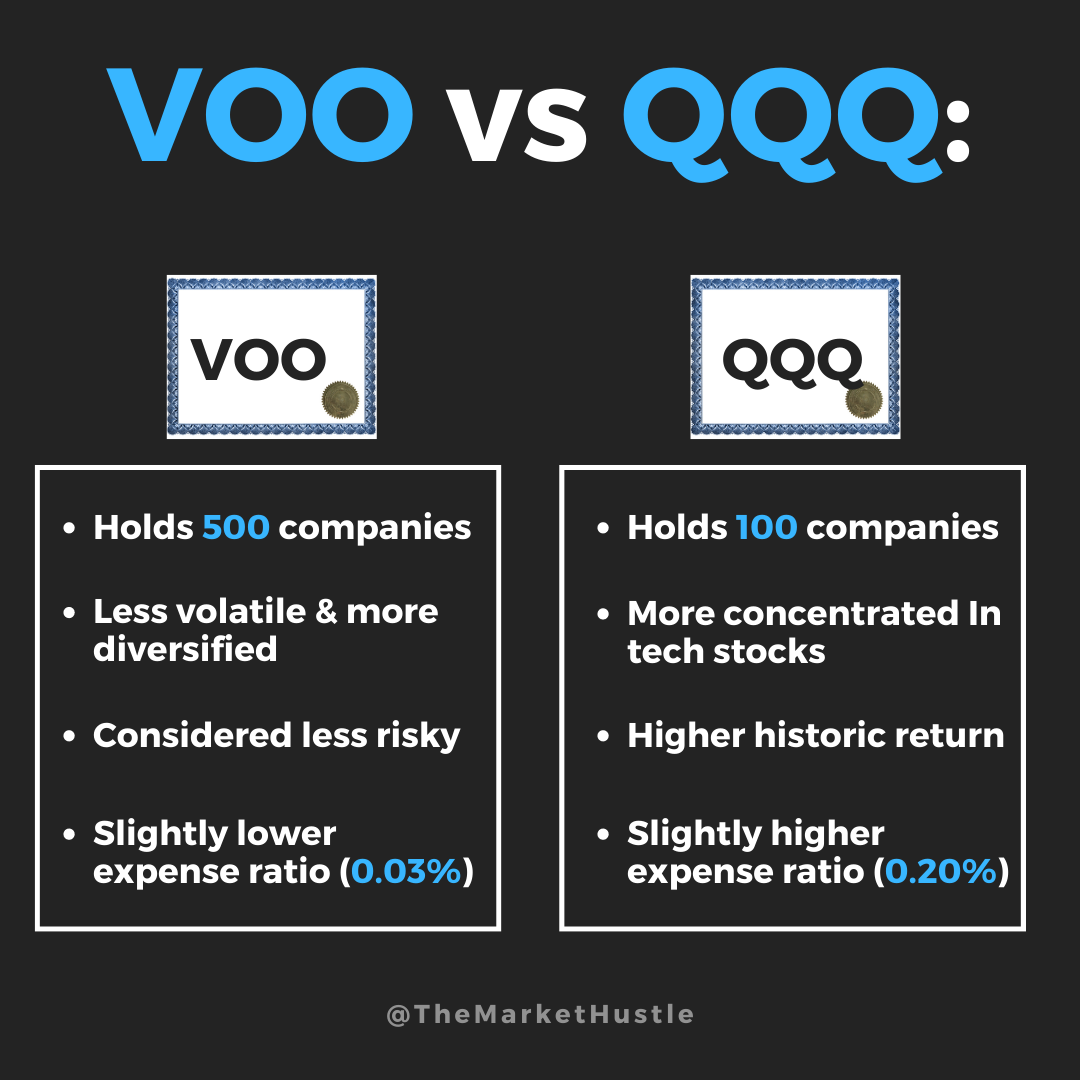
The QQQ does not just track any company on the Nasdaq stock exchange. It specifically tracks the Nasdaq-100, which includes 100 of the largest non-financial companies listed on the Nasdaq based on market capitalization. This is a critical distinction for investors: the index excludes banks, insurance companies, and investment firms. Instead, it focuses on “new economy” sectors. The index is “modified market-cap weighted,” meaning that while larger companies have a greater impact on the fund’s price, there are rules in place to prevent any single company from overwhelming the entire index.
Portfolio Composition and Sector Exposure
One of the most common misconceptions about the QQQ is that it is purely a “technology fund.” While technology is undeniably the largest component, the QQQ’s reach extends across several sectors that drive global consumption and innovation.
Why QQQ is Dominated by Technology
It is no secret that the QQQ is tech-heavy. As of recent years, information technology typically accounts for approximately 50% or more of the fund’s total weighting. This concentration is a result of the fundamental shift in the global economy, where software, semiconductors, and digital services have become the primary drivers of corporate earnings. Companies within this sector—ranging from enterprise software providers to hardware manufacturers—form the backbone of the fund, providing the high-growth trajectory that many QQQ investors seek.
Top Holdings: The “Magnificent Seven” and Beyond
When you buy a share of QQQ, you are essentially buying a stake in the most powerful corporations on the planet. The portfolio is famously led by the “Magnificent Seven”—Apple, Microsoft, Alphabet (Google), Amazon, Nvidia, Meta (Facebook), and Tesla. These companies often make up a significant portion of the total fund weight. However, the QQQ also includes powerhouses in other sectors, such as Costco (Consumer Staples), PepsiCo (Consumer Discretionary), and Amgen (Health Care). This blend ensures that while the fund is growth-focused, it is not entirely reliant on a single industry’s success.

Performance Analysis: Growth, Volatility, and Returns
For the majority of the 21st century, the QQQ has outperformed the broader market, particularly the S&P 500. However, this outperformance comes with specific trade-offs that every investor must weigh.
Historical Performance vs. the S&P 500
When comparing the QQQ to the SPY (which tracks the S&P 500), the historical data reveals a clear trend: the QQQ tends to lead during bull markets and periods of rapid technological expansion. Over the last 10- and 15-year periods, the QQQ has frequently delivered double the annualized returns of the broader market. This is largely because the S&P 500 includes slower-growth sectors like utilities, financials, and energy, which act as a drag during tech-led rallies. For investors with a long-term horizon, the QQQ has been an effective “wealth compounder.”
Understanding the Risks: Tech Concentration and Market Cycles
The primary risk of the QQQ is its concentration. Because it is so heavily weighted toward a handful of massive tech companies, a downturn in the tech sector can lead to significant drawdowns. For example, during high-interest-rate environments, growth stocks (which often trade at high price-to-earnings multiples) tend to be more sensitive to rate hikes than “value” stocks. Investors in the QQQ must have the stomach for “beta”—a measure of volatility. The QQQ often moves more aggressively than the total market, meaning the highs are higher, but the lows are deeper.
Strategic Considerations for Investors
Investing in the QQQ is a strategic decision that requires an understanding of costs, liquidity, and the specific goals of your personal finance plan.
Expense Ratios and Liquidity
One of the most attractive features of the QQQ for individual investors is its efficiency. The fund has an expense ratio of 0.20%. This means that for every $10,000 invested, the annual fee is only $20. In the world of managed funds, this is incredibly low. Additionally, the QQQ is one of the most liquid securities in the world. Its high trading volume means that investors can enter and exit positions almost instantly with very tight “bid-ask spreads,” making it an ideal tool for both long-term holders and active traders.
Who Should Invest in QQQ?
The QQQ is generally suited for investors with a moderate to high risk tolerance and a long-term time horizon. Because it focuses on innovation and growth, it is often used as a “core” holding for younger investors who have decades to recover from market swings. Conversely, for those nearing retirement, the QQQ might be used as a “satellite” holding—a smaller portion of the portfolio intended to provide a growth boost without over-exposing the investor to the volatility of the tech sector.
QQQ vs. QQQM: What’s the Difference?
In recent years, Invesco launched a sister fund: the Invesco NASDAQ 100 ETF (QQQM). While both track the same index, QQQM is specifically designed for long-term “buy and hold” investors. It features a slightly lower expense ratio (0.15%) than the original QQQ. While the original QQQ remains the favorite for institutional traders due to its massive liquidity and options market, the QQQM is often the superior choice for the retail investor looking to maximize every dollar of their personal savings over time.
Conclusion: The Future of Growth Investing
The QQQ is more than just a financial product; it is a reflection of the global economy’s shift toward digitization, automation, and artificial intelligence. By tracking the Nasdaq-100, the QQQ offers a simplified way for individuals to participate in the success of the world’s most innovative companies without having to pick individual stock winners and losers.
As we look toward the future, the sectors that dominate the QQQ—such as AI development, cloud computing, and biotechnology—are expected to remain at the forefront of global productivity. However, as with any investment in the “Money” niche, success requires discipline. While the QQQ offers the potential for market-beating returns, it demands an investor who understands the nature of growth stocks and can remain steadfast during the inevitable periods of market turbulence. Whether used as a cornerstone of a retirement account or a tool for wealth building, the QQQ remains a premier instrument for those who believe that the future of the economy lies in innovation.
aViewFromTheCave is a participant in the Amazon Services LLC Associates Program, an affiliate advertising program designed to provide a means for sites to earn advertising fees by advertising and linking to Amazon.com. Amazon, the Amazon logo, AmazonSupply, and the AmazonSupply logo are trademarks of Amazon.com, Inc. or its affiliates. As an Amazon Associate we earn affiliate commissions from qualifying purchases.