
In the dynamic world of technology, where user expectations for seamless performance are ever-increasing, the concept of a “stress test” stands as a critical pillar of system development and maintenance. Far from a mere buzzword, a stress test in the tech domain is a rigorous, deliberate process designed to push software, hardware, or an entire system to its absolute limits, and often beyond. Its purpose is not just to see if something breaks, but to understand how, when, and why it breaks, and, crucially, to prevent catastrophic failures in real-world scenarios.

At its core, a stress test is an intentional act of overtaxing a system to observe its behavior under extreme conditions. Imagine a bridge designed to carry a certain weight; a stress test would involve loading it with significantly more weight to find its breaking point, examine its structural integrity under strain, and understand its resilience. In the digital realm, this translates to overwhelming a server with an unprecedented number of requests, flooding a network with excessive data, or running an application with an unmanageable volume of concurrent users. The insights gleaned from these controlled pressures are invaluable, informing design improvements, capacity planning, and ultimately, delivering more robust and reliable technology.
Unveiling System Resilience: The Core Purpose of Stress Testing
The fundamental purpose of a stress test is to gain a profound understanding of a system’s resilience and behavior under adverse, high-pressure situations. It’s about more than just ensuring functionality; it’s about guaranteeing stability and performance when it matters most.
Defining Stress Testing in the Tech Landscape
In technology, a stress test is a non-functional testing method used to determine the robustness of a system by testing its stability and reliability under extremely heavy load. It involves testing beyond normal operational capacity, often to the point of breaking, to ensure the system is capable of handling peak loads. This includes examining data processing capabilities, network bandwidth, memory allocation, CPU utilization, and overall system response times when pushed past conventional limits. The objective is to evaluate how well a system recovers from failures and manages unexpected surges in demand. This systematic approach helps developers and IT professionals anticipate potential problems before they impact end-users, ultimately safeguarding reputation and operational continuity.
Beyond Simple Bug Hunting: Why It Matters
While traditional bug hunting focuses on identifying functional errors under normal operating conditions, stress testing addresses a different, yet equally critical, dimension: performance under duress. A system might function perfectly with 100 users but collapse entirely with 1,000. Stress testing uncovers these latent issues – memory leaks that only become critical under prolonged high load, database deadlocks that appear with concurrent write operations, or network bottlenecks that choke traffic during peak demand. It’s not just about finding flaws, but about understanding the system’s inherent capacity and its limits, allowing for proactive optimization and resource provisioning. Without stress testing, companies are essentially deploying technology hoping for the best, rather than knowing their systems can handle the worst.
Key Objectives: What Stress Tests Aim to Achieve
The insights derived from stress testing serve several critical objectives, each contributing to the overall quality, reliability, and security of a technological system.
Identifying Performance Bottlenecks and Breaking Points
One of the primary goals of stress testing is to pinpoint performance bottlenecks and determine the system’s breaking point. A bottleneck occurs when a component or process restricts the flow of data or execution, slowing down the entire system. Stress tests help identify which specific components (e.g., a database server, an API endpoint, a network switch, or a particular software module) become overloaded first, causing degradation or failure. By pushing the system to its limit, testers can observe precisely where and how performance begins to degrade, allowing engineers to focus optimization efforts on the most critical areas. Understanding the breaking point—the maximum load a system can sustain before complete failure—is vital for capacity planning and disaster recovery strategies.
Ensuring Stability and Reliability Under Load
A robust system is one that remains stable and reliable even when subjected to intense pressure. Stress testing aims to confirm this stability. It checks whether the system can gracefully handle high volumes of traffic, complex computations, or simultaneous operations without crashing, freezing, or corrupting data. This objective goes beyond mere functionality; it evaluates the system’s resilience, its ability to recover from unexpected events, and its capacity to maintain consistent service levels under varying, often adverse, conditions. For applications critical to business operations or public services, ensuring this level of stability is non-negotiable.
Validating Scalability and Future-Proofing
In today’s rapidly evolving digital landscape, scalability is paramount. A system must be able to grow and adapt to increasing user bases and data volumes without requiring a complete overhaul. Stress testing helps validate a system’s scalability by assessing how it performs as resources (like servers, memory, or processing power) are added or removed. It answers questions like: Can the system effectively distribute load across new servers? Does adding more resources linearly improve performance, or are there diminishing returns? These insights are crucial for future-proofing, allowing organizations to plan for anticipated growth and ensure their infrastructure can expand efficiently to meet future demands without compromising performance.
Strengthening Digital Security and System Integrity
While often associated with performance, stress testing also plays a role in digital security. By overwhelming a system, testers can sometimes expose vulnerabilities that might not be apparent under normal loads. For example, a system might be susceptible to a Denial-of-Service (DoS) attack if it cannot handle a sudden flood of malicious requests. Stress testing helps identify how well a system’s security mechanisms (firewalls, intrusion detection systems, rate limiters) perform under stress, and if extreme loads can open up unexpected attack vectors or lead to data integrity issues. Ensuring that a system maintains its integrity and resists security breaches even when under immense strain is a vital objective.
Types of Stress Tests and Their Methodologies
To achieve these objectives, various types of stress tests are employed, each designed to simulate specific scenarios and uncover particular weaknesses.
Load Testing: The Foundation
Load testing is often the starting point, simulating expected and slightly above-expected user loads to measure system performance metrics such as response time, throughput, and resource utilization. It determines the normal operating capacity of a system and identifies performance degradation points before reaching critical failure. While not pushing to the breaking point, it sets the baseline for understanding how the system behaves under anticipated peak usage.
Spike Testing: Sudden Surges
Spike testing involves subjecting the system to sudden, sharp increases in load over a short period, then reducing it. This simulates scenarios like viral events, flash sales, or news breaks that cause an immediate surge in user traffic. The purpose is to see how the system handles such abrupt transitions and if it can recover gracefully without crashing or experiencing prolonged downtime. It tests the system’s elasticity and its ability to rapidly scale up and down.

Endurance/Soak Testing: Long-Term Stability
Endurance or soak testing involves continuously subjecting the system to a significant load over an extended period (hours, days, or even weeks). This type of testing is crucial for detecting issues like memory leaks, database connection pooling problems, and gradual performance degradation that only manifest after prolonged operation. It ensures the system remains stable and performs consistently over time, preventing issues that might not appear in shorter, more intense bursts.
Scalability Testing: Growth Potential
Scalability testing evaluates the system’s ability to handle increasing loads by adding resources. This involves gradually increasing the user load or data volume while also incrementing hardware or software resources (e.g., adding more servers, increasing memory) to see how the system scales. It helps determine the optimal resource configuration for future growth and identifies any bottlenecks that prevent linear scaling.
Distributed Stress Testing: Real-World Scenarios
Distributed stress testing involves simulating user load from multiple geographical locations or across different network conditions. This mimics real-world usage patterns more accurately, especially for globally distributed applications. It helps uncover issues related to network latency, geographical load balancing, and data synchronization across distributed components, ensuring a consistent user experience regardless of location.
The Benefits: Why Every Tech Product Needs a Stress Test
The meticulous process of stress testing yields a multitude of benefits that extend far beyond technical insights, impacting business outcomes and user perception.
Enhanced User Experience and Customer Satisfaction
A system that performs reliably under all conditions, especially during peak usage, directly translates to a superior user experience. Slow load times, unresponsive interfaces, or outright crashes are major contributors to user frustration and churn. By preemptively identifying and resolving performance bottlenecks through stress testing, organizations ensure their applications remain fast, responsive, and available, leading to higher customer satisfaction and loyalty.
Mitigating Business Risks and Financial Losses
System failures can be incredibly costly. Downtime for e-commerce sites can mean millions in lost sales per hour. For critical infrastructure or financial applications, the risks extend to reputation damage, regulatory penalties, and even safety concerns. Stress testing acts as a preventative measure, identifying weaknesses before they lead to live outages. This proactive risk management significantly reduces the likelihood of costly downtime, data corruption, and the associated financial and reputational damages.
Optimizing Infrastructure and Resource Allocation
Understanding a system’s true capacity through stress testing allows for intelligent resource allocation. Instead of over-provisioning hardware “just in case,” which leads to unnecessary expenditure, or under-provisioning, which leads to performance issues, stress tests provide data-driven insights. This enables organizations to optimize their infrastructure, ensuring they have just enough resources to handle peak loads efficiently without wasteful excess, leading to significant cost savings in cloud computing and hardware investments.
Fostering Innovation and Competitive Advantage
Organizations that thoroughly stress test their products demonstrate a commitment to quality and reliability. This not only builds trust with users but also frees up development teams to innovate. When the underlying system is robust and well-understood, developers can confidently build new features and functionalities without constant worry about performance impacts. This ability to innovate rapidly and reliably can provide a significant competitive advantage in a crowded market, positioning the company as a leader in delivering stable, high-performance solutions.
Implementing Effective Stress Testing: Best Practices and Tools
To reap these benefits, stress testing must be executed strategically, leveraging the right tools and following established best practices.
Planning and Defining Scope
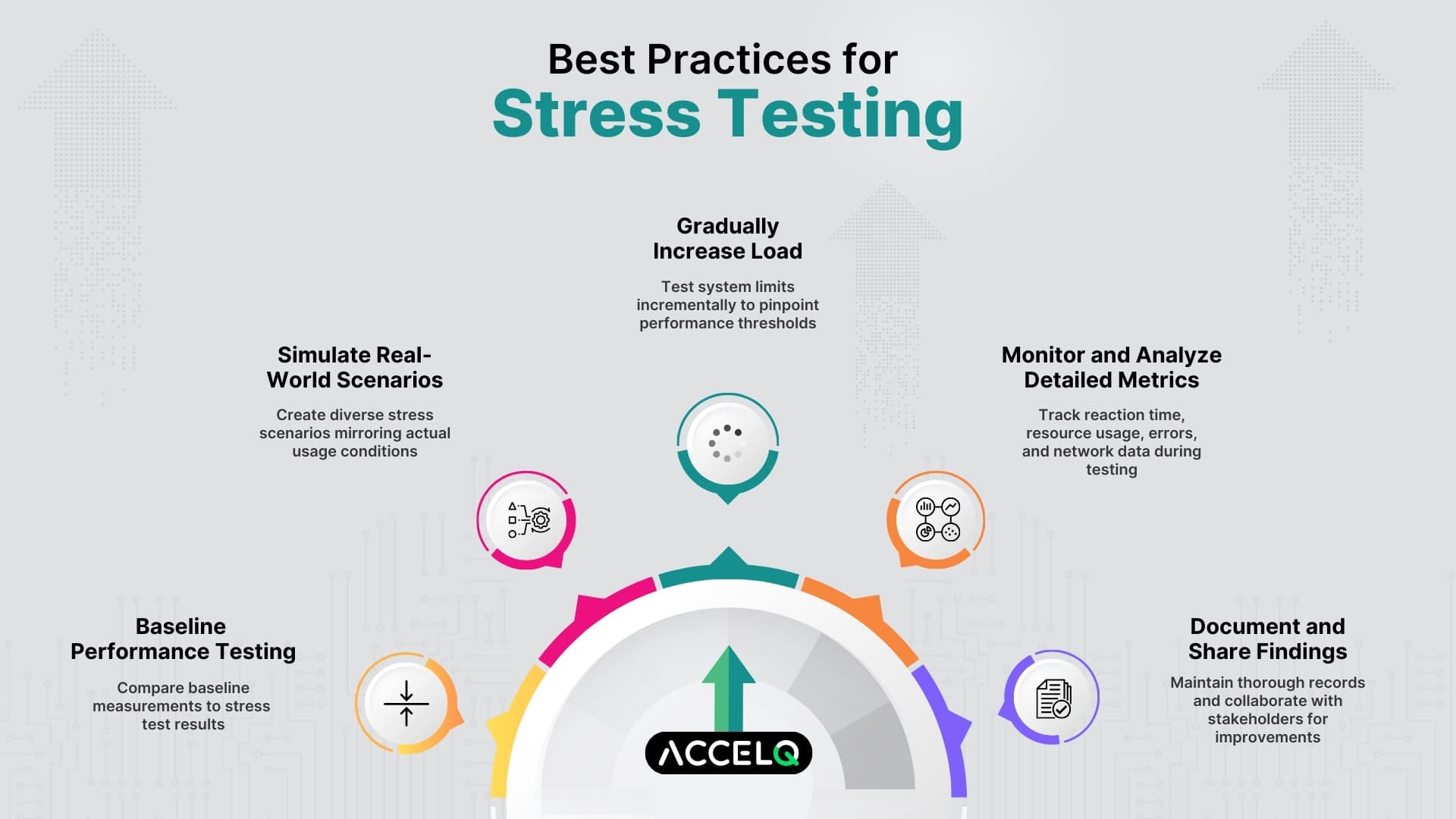
Effective stress testing begins with meticulous planning. This involves clearly defining the scope of the test, identifying critical business scenarios, setting realistic load targets (based on historical data or anticipated growth), and determining the key performance indicators (KPIs) to be measured (e.g., response time, error rate, throughput, CPU/memory utilization). Without a clear plan, stress tests can be unfocused and yield irrelevant results.
Choosing the Right Tools and Environments
The market offers a wide array of stress testing tools, both open-source and commercial, such as Apache JMeter, LoadRunner, k6, Locust, and Gatling. The selection of tools depends on the technology stack, budget, and specific testing requirements. Furthermore, stress tests should ideally be conducted in an environment that closely mirrors the production environment to ensure the results are accurate and actionable. Testing in a significantly different environment can lead to misleading conclusions.
Analyzing Results and Iterative Improvement
The most crucial step in stress testing is the thorough analysis of the collected data. This involves identifying bottlenecks, correlating performance degradation with specific system components, and understanding the root causes of failures. The insights gained should then feed back into the development cycle, leading to system optimizations, code refactoring, infrastructure upgrades, or architectural changes. Stress testing is rarely a one-time event; it’s an iterative process that should be integrated into the continuous delivery pipeline, evolving with the system as it grows and changes. Regular stress tests ensure that performance and reliability remain a priority throughout the software lifecycle.
In conclusion, the purpose of a stress test in technology is multi-faceted and indispensable. It’s about foresight, resilience, and assurance. By deliberately pushing systems to their limits, organizations gain critical insights into performance bottlenecks, stability under load, scalability potential, and even security vulnerabilities. This proactive approach ensures that the technology we rely on daily is not just functional, but robust, reliable, and ready to meet the ever-increasing demands of the digital world, ultimately enhancing user experience and safeguarding business success.
aViewFromTheCave is a participant in the Amazon Services LLC Associates Program, an affiliate advertising program designed to provide a means for sites to earn advertising fees by advertising and linking to Amazon.com. Amazon, the Amazon logo, AmazonSupply, and the AmazonSupply logo are trademarks of Amazon.com, Inc. or its affiliates. As an Amazon Associate we earn affiliate commissions from qualifying purchases.