
The thought of filing taxes for previous years can be daunting, often conjuring images of complex forms, hefty penalties, and professional fees. Many individuals find themselves in this situation due to oversight, life changes, or simply a lack of understanding regarding their obligations. However, failing to file not only leaves you vulnerable to penalties and interest but can also mean missing out on potential refunds or credits. The good news is that addressing delinquent tax returns doesn’t have to break the bank. With the right knowledge and resources, you can navigate the process of filing previous years’ taxes completely free of charge. This comprehensive guide aims to demystify the process, empower you with the necessary steps, and connect you with the free tools and services available to help you achieve tax compliance and regain peace of mind.

Understanding the Importance of Filing Back Taxes
Before diving into the “how-to,” it’s crucial to grasp the significance of bringing your tax record up to date. This isn’t just about avoiding penalties; it’s about securing your financial future and leveraging potential benefits.
The Legal Obligation and Potential Penalties
In most jurisdictions, tax authorities like the IRS in the United States or HMRC in the UK mandate that individuals report their income annually. Failure to do so can trigger a cascade of issues. The most immediate concern is the “failure-to-file” penalty, which is typically far more severe than the “failure-to-pay” penalty. For instance, the IRS charges 5% of the unpaid taxes for each month or part of a month that a tax return is late, capped at 25% of your unpaid tax. Interest can also accrue on both the unpaid tax and any penalties.
Furthermore, failing to file means the statute of limitations for assessment never begins. While tax authorities generally have three years from the date you file a return to audit it or assess additional tax, if you don’t file at all, there’s no time limit. This means you could be liable for taxes, penalties, and interest indefinitely. Filing your delinquent returns promptly sets the clock ticking on these limitations, eventually providing you with finality.
Unlocking Potential Refunds and Benefits
Many people mistakenly assume that if they haven’t filed, they must owe money. This is not always the case. In fact, you might be due a significant refund. Millions of dollars in unclaimed refunds go uncollected each year because individuals don’t file their returns. You might be eligible for refundable credits such as the Earned Income Tax Credit (EITC), Child Tax Credit, or education credits, which could put money back in your pocket even if you had no tax liability.
Beyond direct refunds, filing back taxes can be essential for other financial matters. For instance, you might need filed tax returns to apply for loans (mortgages, student loans), qualify for certain government benefits, or even verify your income for various applications. Ensuring your tax record is current can be a vital step in maintaining your financial health and accessing opportunities.
Peace of Mind and Financial Clarity
Perhaps one of the most underrated benefits of filing delinquent tax returns is the peace of mind it brings. The anxiety of having outstanding tax obligations can weigh heavily on individuals. By taking proactive steps to resolve these issues, you eliminate a significant source of stress. Moreover, achieving tax compliance provides clearer insight into your financial standing, allowing you to make better-informed decisions about your budget, savings, and future investments. It’s about taking control and responsibly managing your financial life.
Navigating Free Resources for Previous Years’ Tax Filing
The goal is to file for free, and thankfully, there are several avenues available to help you achieve this without incurring professional fees. The key lies in knowing where to look and understanding the limitations of each resource.
Official Tax Authority Websites
Your primary resource should always be the official website of your country’s tax authority. For U.S. taxpayers, this is IRS.gov. These sites offer a treasure trove of information, including:
- Prior Year Forms and Instructions: You can download the exact tax forms and accompanying instructions for any previous tax year. This is crucial because tax laws and forms change annually. Using the wrong year’s form will lead to rejection.
- FAQs and Publications: These resources often address common scenarios for delinquent filers and provide detailed explanations of tax laws.
- Taxpayer Identification Number (TIN) Lookup: If you’re missing an Employer Identification Number (EIN) or Individual Taxpayer Identification Number (ITIN) relevant to your past filing, the website can guide you on how to obtain or verify it.
- Account Transcripts: You can often request free tax transcripts for previous years. These can be invaluable if you’re missing W-2s, 1099s, or other income statements, as they show data reported to the tax authority by employers and financial institutions.
While these sites provide the materials, they don’t typically offer interactive free e-filing for prior years beyond the most recent one or two. You’ll likely be downloading forms to complete manually or with fillable PDFs and then mailing them.
Volunteer Income Tax Assistance (VITA) and Tax Counseling for the Elderly (TCE)
These programs are lifesavers for eligible taxpayers seeking free assistance.
- VITA: The Volunteer Income Tax Assistance program offers free tax help to people who generally make $64,000 or less, persons with disabilities, and limited English-speaking taxpayers who need assistance in preparing their own tax returns.
- TCE: The Tax Counseling for the Elderly program offers free tax help for all taxpayers, particularly those who are 60 years of age and older. It specializes in questions about pensions and retirement-related issues unique to seniors.
Both VITA and TCE sites are staffed by IRS-certified volunteers who provide free basic income tax return preparation. While their primary focus is current-year tax returns, many sites are also equipped and willing to help with prior-year returns, often going back several years. It’s advisable to call ahead to confirm their capacity for delinquent filings and to schedule an appointment. These programs are typically available during tax season (January to April) but some sites may operate year-round.
Public Libraries and Community Centers
Beyond being potential locations for VITA/TCE programs, local libraries and community centers can offer crucial logistical support. They often provide free access to computers, printers, and scanners, which are indispensable when downloading, completing, and preparing to mail your prior-year tax forms. Some may also have limited copies of common tax forms available during tax season.
Step-by-Step Guide to Filing Delinquent Returns
Once you understand the ‘why’ and know ‘where to look’ for help, it’s time to execute the ‘how.’ The process, while meticulous, is entirely manageable.
Gather All Necessary Documentation
This is often the most challenging part of filing back taxes. You’ll need records of your income, deductions, and credits for each year you’re filing.
- Income Statements: Look for W-2s (from employers), 1099-NEC (non-employee compensation), 1099-INT (interest income), 1099-DIV (dividend income), 1099-R (retirement distributions), etc. If you can’t find them, contact your former employers or financial institutions. As a last resort, request an income transcript from the tax authority (e.g., IRS.gov’s “Get Your Tax Record”).
- Deduction/Credit Records: This includes receipts for charitable contributions, medical expenses, student loan interest statements (1098-E), mortgage interest statements (1098), property tax records, and childcare expenses. Reconstruct these records as best you can using bank statements, credit card statements, and personal calendars.
- Prior Year Returns: If you filed some years but missed others, having your previously filed returns can help immensely in reconstructing missing information.
Organize these documents by tax year to ensure clarity and accuracy.

Obtain the Correct Forms and Instructions
Do not use current-year forms for previous tax years. Tax laws, forms, and instructions can change dramatically from year to year.
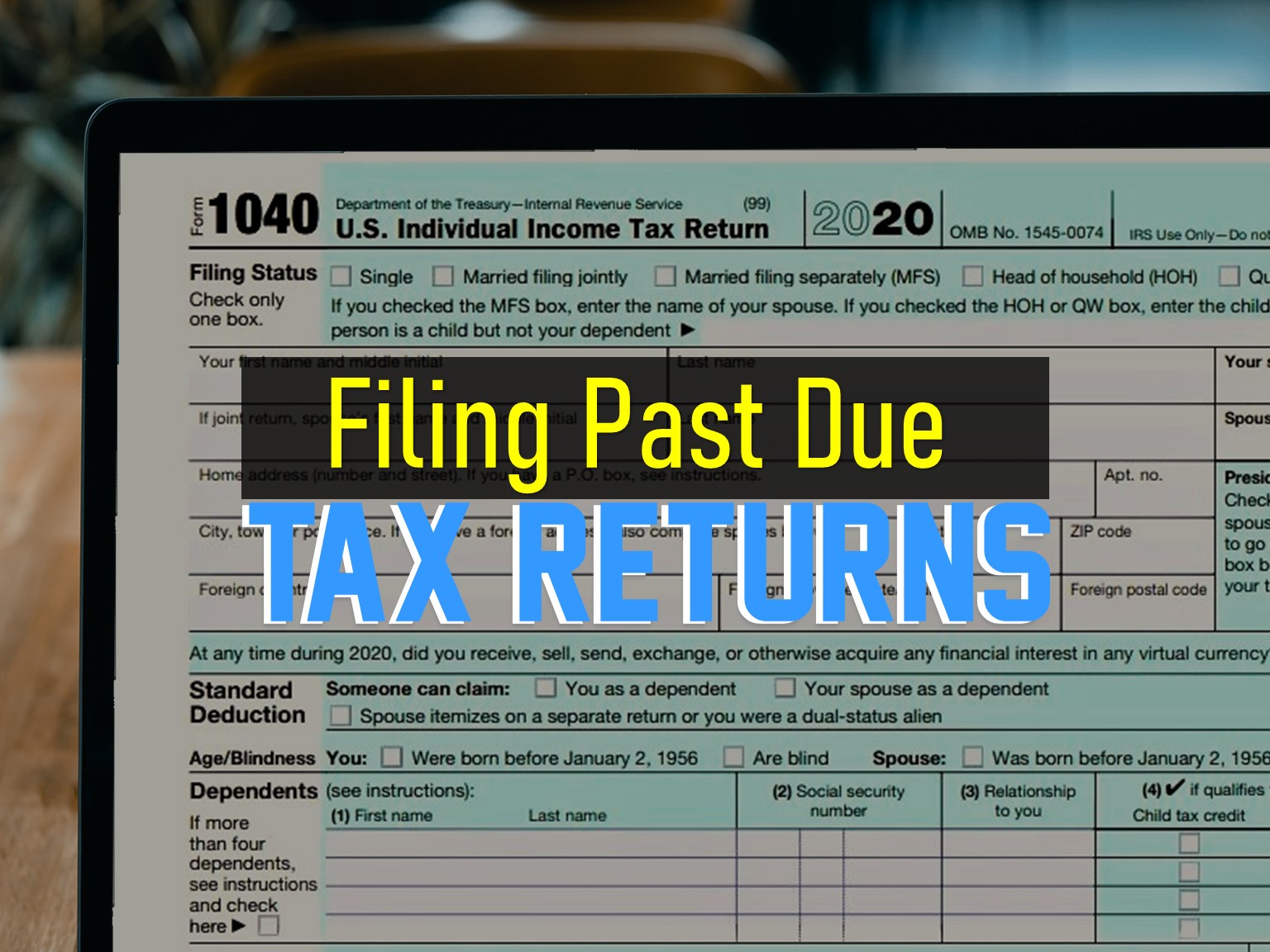
- Download from Official Websites: Navigate to the “prior year forms” section of your tax authority’s website. Find Form 1040 (or your country’s equivalent general income tax form) for each specific year you need to file, along with any necessary schedules (e.g., Schedule A for itemized deductions, Schedule C for self-employment).
- Read Instructions Carefully: Each form comes with its own set of instructions. Read them thoroughly, paying close attention to specific rules for that year, especially if there were any significant tax law changes.
Prepare Your Return Accurately
With your documents and forms in hand, you can begin preparing your return.
- Manual Completion: For older years, you may have to fill out paper forms by hand. Write legibly and use black ink.
- Fillable PDFs: Many tax authorities offer fillable PDF versions of prior-year forms that you can complete on your computer, which can help with calculations and neatness.
- Free Tax Software (Limited): While most free tax software targets current-year returns, some might offer prior-year options for a fee. However, if you are looking for free, you’ll likely be relying on manual completion with the aid of instructions and potentially VITA/TCE.
- Double-Check All Calculations: Errors in math are common reasons for delays. Use a calculator and review all entries.
Mail Your Returns
Unlike current-year returns, e-filing is generally not an option for delinquent returns, especially if they are more than a couple of years past due.
- Paper Filing: Print out your completed forms and attach all required supporting documentation (W-2s, 1099s, etc.). Keep copies for your records.
- Separate Envelopes: File each tax year’s return in a separate envelope. Do not combine multiple years in one mailing, even if you are sending them to the same address.
- Correct Mailing Address: Ensure you use the correct mailing address for paper returns, which can be found in the instructions for each tax year.
- Certified Mail: Always send your returns via certified mail with a return receipt requested. This provides proof that you mailed the return and that the tax authority received it, which is invaluable in case of any disputes or lost mail.
Addressing Common Concerns and Advanced Scenarios
Filing back taxes can present unique challenges. Here are some common situations and how to approach them.
What if You Owe Money?
It’s natural to be hesitant if you anticipate owing money. However, filing your return, even if you can’t pay the full amount, is paramount. The failure-to-file penalty is much higher than the failure-to-pay penalty.
- Payment Plans: If you can’t pay, the tax authority will typically offer payment options, such as an installment agreement, where you make monthly payments for an extended period.
- Offer in Compromise (OIC): In certain situations, if you’re experiencing significant financial hardship, you might be able to negotiate an Offer in Compromise, where you pay a lesser amount than what you owe. This is a complex process and usually requires professional advice.
- File First, Pay Later: Remember the mantra: File on time, even if you can’t pay on time. For delinquent returns, this means filing as soon as possible.
Missing Many Years of Taxes
If you’ve missed several years, the task might seem overwhelming.
- Start with the Most Recent: Focus on completing and filing the most recent unfiled tax year first, and then work backward. This ensures you address the most immediate obligations.
- Tax Authority’s Request: Tax authorities usually only request that you file the last six years of returns. If you have more than six years outstanding, you can still file them to claim any refunds or resolve potential issues, but the immediate pressure will likely be on the more recent years.
Amended Returns vs. Delinquent Returns
It’s important to distinguish between these two.
- Delinquent Return: This is an original tax return filed for a year that you previously failed to file. This article focuses on delinquent returns.
- Amended Return: This is a corrected tax return filed to fix errors or omissions on a return that was already filed. If you filed a return for a past year and later realized you made a mistake, you would file an amended return (e.g., Form 1040-X for the IRS).
Statute of Limitations
While the statute of limitations generally dictates how long the tax authority has to assess additional tax or for you to claim a refund, it works differently for unfiled returns. For instance, the IRS typically has three years from the date you file a return to audit it. However, if you never filed a return, there is no statute of limitations for the assessment of tax, penalties, or interest. This means you could theoretically be liable indefinitely. For refunds, you generally have three years from the date the original return was due (including extensions) or two years from the date the tax was paid, whichever is later, to claim a refund. However, if you didn’t file, you must file within this window to claim a refund.
Leveraging Financial Tools for Future Tax Preparedness
Once you’ve successfully navigated the complexities of filing prior years’ taxes for free, the next logical step is to implement strategies to avoid falling behind again. Proactive financial management and utilizing readily available tools can make future tax seasons stress-free.
Digital Record-Keeping Solutions
Moving away from shoeboxes full of receipts is crucial.
- Cloud Storage: Utilize services like Google Drive, Dropbox, or OneDrive to store scanned copies of all tax-related documents (W-2s, 1099s, receipts, statements). This creates a secure, accessible, and organized digital archive.
- Dedicated Tax Software (Even Free Versions): Many free tax software programs (e.g., TurboTax Free Edition, H&R Block Free Online) are excellent for current-year filings and often allow you to import data, saving time and reducing errors. While you might not use them for previous unfiled years for free, using them for the current year builds good habits.
- Scanning Apps: Use smartphone apps to quickly scan receipts and documents as they come in, categorizing them immediately.
Automated Income and Expense Tracking
Staying on top of your financial flow prevents surprises at tax time.
- Budgeting Apps: Apps like Mint, YNAB (You Need A Budget), or Personal Capital can link to your bank accounts and credit cards, automatically tracking income and categorizing expenses. This gives you a real-time view of your financial situation and simplifies identifying tax-deductible items.
- Spreadsheet Templates: For those who prefer a more hands-on approach, free spreadsheet templates for income and expense tracking are widely available online and can be customized to your needs.
- Small Business Accounting Software: If you’re self-employed, even simple versions of accounting software like QuickBooks Self-Employed or Wave Accounting (free) can streamline income tracking, expense categorization, and even estimated tax calculations.
Understanding Estimated Taxes and Withholding
A common reason for owing money and getting behind is inadequate withholding or failure to pay estimated taxes.
- Adjust Your W-4: If you are an employee, review and adjust your W-4 form with your employer to ensure the correct amount of tax is withheld from your paycheck. The IRS Tax Withholding Estimator tool can help you determine the right amount.
- Make Estimated Payments: If you are self-employed or have significant income not subject to withholding (e.g., rental income, investment income), you are generally required to pay estimated taxes quarterly. Understand these obligations and set up reminders for due dates.
Seeking Professional Guidance (When Free Isn’t Enough)
While this guide emphasizes free filing, there are situations where investing in professional help is prudent. If your financial situation is exceedingly complex, involves international income, or you face severe tax issues (e.g., liens, levies), a tax professional (like an Enrolled Agent or CPA) can provide tailored advice and representation. They can also offer audit protection and help negotiate with tax authorities. Recognize when the complexity outweighs the benefit of free DIY filing.
Bringing your tax obligations up to date for previous years, especially for free, is a commendable and achievable goal. It requires diligence, organization, and a willingness to utilize the resources available. By understanding the gravity of non-compliance, leveraging free government and volunteer programs, meticulously following the filing steps, and adopting proactive financial habits, you can take control of your financial health, ensure compliance, and secure a more stable financial future. The journey might seem long, but the benefits of being tax-compliant far outweigh the initial effort.
aViewFromTheCave is a participant in the Amazon Services LLC Associates Program, an affiliate advertising program designed to provide a means for sites to earn advertising fees by advertising and linking to Amazon.com. Amazon, the Amazon logo, AmazonSupply, and the AmazonSupply logo are trademarks of Amazon.com, Inc. or its affiliates. As an Amazon Associate we earn affiliate commissions from qualifying purchases.