
In the modern media landscape, the question “What is the point of the Hunger Games?” transcends a mere inquiry into plot mechanics or literary themes. From a professional brand strategy perspective, the “point” of the franchise—spanning four original films, a chart-topping book series, and a high-profile prequel—is the execution of a masterclass in narrative branding. The Hunger Games is not just a story about survival; it is a blueprint for how a brand can cultivate a distinct visual identity, leverage transmedia storytelling, and maintain cultural relevance through high-stakes emotional engagement.

For brand strategists, the franchise offers a profound look at how a cohesive world-building strategy can turn a dystopian critique into a global commercial powerhouse. To understand the point of the Hunger Games is to understand how to build a brand that resonates across demographics, survives market saturation, and thrives on the tension between its internal message and its external commercial presence.
The Architecture of an Iconic Brand: World-Building as Strategy
The primary “point” of the Hunger Games, from a branding perspective, is the creation of a dual-identity world that mirrors the segmentation of modern consumer markets. Suzanne Collins and the subsequent film adaptations did not just write a story; they developed a comprehensive brand architecture that uses contrast to drive engagement.
The Visual Language of Panem
Every strong brand needs a recognizable visual identity. The Hunger Games achieved this through the stark dichotomy between the Districts and the Capitol. District 12 is branded with a “Depression-era chic”—muted tones, utilitarian textures, and a sense of raw authenticity. In contrast, the Capitol is the embodiment of maximalist branding: neon colors, architectural grandeur, and avant-garde fashion.
This visual strategy serves a specific purpose: it allows the brand to appeal to two different psychological triggers. The Districts represent the “Relatable Underdog” persona, fostering deep emotional loyalty. The Capitol represents the “Aspirational/Spectacle” persona, which fuels the franchise’s merchandising, fashion collaborations, and visual marketing. By branding these two extremes, the franchise ensures that every piece of promotional material is instantly recognizable, whether it is a gritty poster of Katniss in the woods or a high-fashion spread of Effie Trinket.
Emotional Resonance and the “Underdog” Archetype
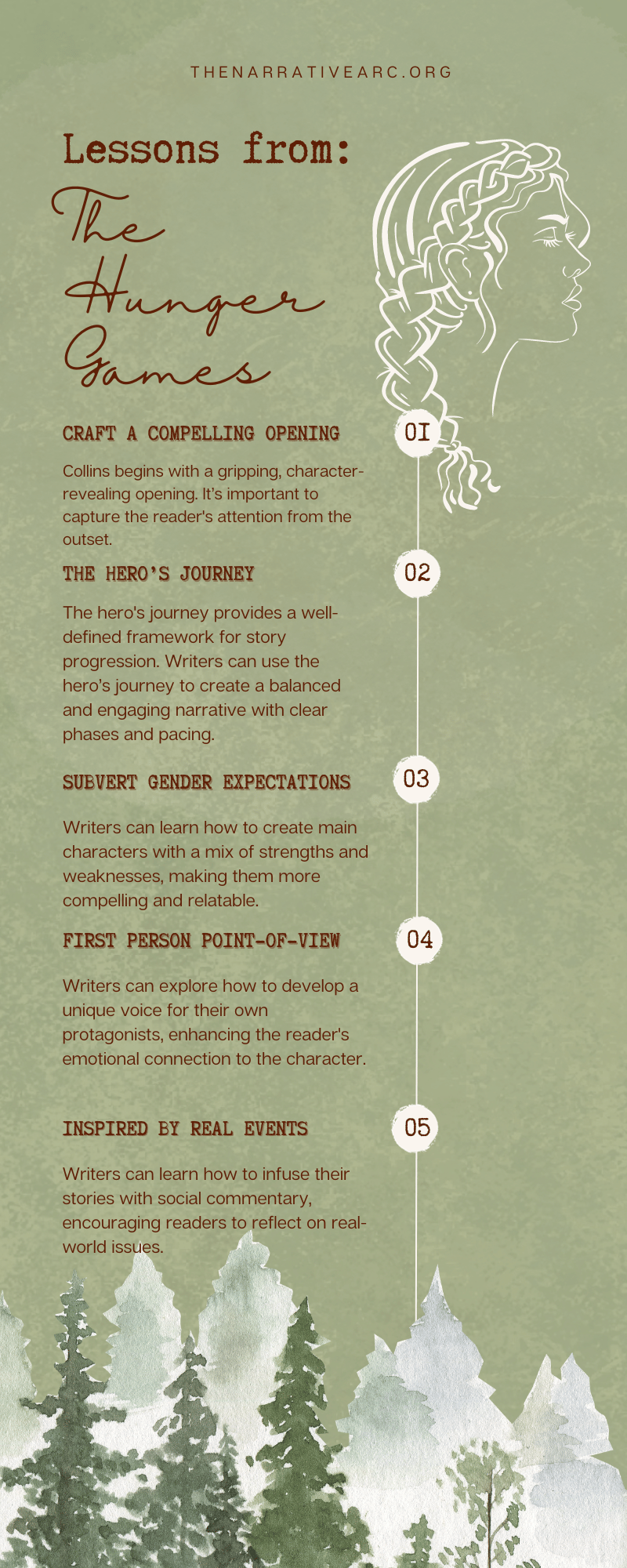
The “point” of the brand’s narrative is anchored in the “Hero’s Journey,” but with a strategic twist. Katniss Everdeen is not a traditional hero; she is a “Reluctant Brand Ambassador.” Her authenticity is her value proposition. In brand strategy, authenticity is the highest currency. By positioning the protagonist as someone who resists the “system” (the Capitol’s brand of entertainment), the franchise ironically makes itself more marketable to a Gen Z and Millennial audience that is historically skeptical of corporate polish. The “point” here is clear: to sell a brand in the modern age, the brand must often appear as if it is fighting against the concept of being “sold.”
The “Hunger Games” Marketing Model: Creating Viral Scarcity
Beyond the narrative, the “point” of the Hunger Games lies in its revolutionary marketing model. When the first film was released, Lionsgate did not just run trailers; they built an ecosystem that treated the fictional world as a real-world brand.
The Gamification of Fan Engagement
The marketing strategy for the franchise was one of the first to successfully use “gamification” on a global scale. Through “The Hunger Games Explorer” and “The Capitol Tour” websites, fans were encouraged to register for their own Districts, receive digital ID cards, and compete for “status” within the Panem ecosystem.
This is a classic brand loyalty tactic. By moving the audience from “passive viewers” to “active participants,” the brand increased its “stickiness.” The point of this strategy was to create a community where the fan’s identity became intertwined with the brand’s identity. When fans chose “Team Peeta” or “Team Gale,” they weren’t just discussing a plot point; they were performing a market segmentation of themselves, providing the brand with invaluable engagement data and organic social media reach.

Leveraging Dystopia for Luxury Branding
One of the most audacious moves in the Hunger Games brand strategy was the “Capitol Couture” campaign. This was a real-world high-fashion digital magazine that treated the characters of the Hunger Games as fashion icons. While the story itself critiqued the Capitol’s obsession with vanity, the marketing team leveraged that very vanity to partner with luxury designers and cosmetic brands.
The “point” of this irony was to bridge the gap between a gritty young adult story and the lucrative world of lifestyle branding. It demonstrated that a brand could hold two conflicting identities—a revolutionary message and a luxury aesthetic—as long as the execution remained high-quality and “in-universe.” This allowed the Hunger Games to dominate both the box office and the cultural conversation surrounding fashion and design.
Transmedia Storytelling: How the Brand Lives Beyond the Screen
A brand’s longevity is determined by its ability to evolve. The “point” of the Hunger Games franchise in the current decade has been its successful pivot into a legacy brand through transmedia storytelling and strategic prequels.
The Prequel Pivot: Revitalizing Legacy IP
With the release of The Ballad of Songbirds and Snakes, the brand strategy shifted from the “underdog” narrative to a “corporate origin story.” This allowed the brand to re-engage its aging original audience while capturing a new generation. From a strategy standpoint, this is known as “Brand Extension.”
By focusing on the villain, President Snow, the brand moved into a more complex, philosophical space. This prevented “brand fatigue” by offering something substantively different from the original trilogy while remaining within the established visual and tonal guidelines. The point of the prequel was to prove that the “Panem” brand was bigger than any single character, even Katniss Everdeen.
Ethical Branding in Dystopian Themes
The Hunger Games occupies a unique niche in “Ethical Branding.” The story itself is a critique of the “Attention Economy”—the idea that human attention is a commodity to be traded and exploited. The “point” of the brand’s messaging is to make the audience feel like “conscious consumers.”
By highlighting the dangers of media manipulation within the plot, the brand builds a rapport with the audience based on shared values. This is a sophisticated branding technique: the brand acknowledges its own power and the potential for its misuse, which, paradoxically, makes the audience trust the brand more. It creates a “meta-narrative” where the audience feels they are in on the secret, standing with the creators against the very “Capitol” forces the franchise represents.
The Point of the Brand: Longevity and Cultural Currency
In conclusion, the “point” of the Hunger Games is to demonstrate the power of a cohesive, high-stakes narrative in building a multi-billion-dollar brand. It is a case study in how to use world-building to create a distinct visual identity, how to use gamification to foster fan loyalty, and how to use transmedia storytelling to ensure brand longevity.
The franchise proves that a brand does not have to be “happy” or “safe” to be successful. Instead, a brand must be meaningful. By tapping into universal themes of survival, inequality, and the power of the image, the Hunger Games has secured its place as a cornerstone of modern cultural branding.
For brand strategists, the takeaway is clear: the most successful brands are those that create a world so immersive and a conflict so compelling that the audience cannot help but choose a side. The “point” of the Hunger Games was never just to tell a story about a girl with a bow and arrow; it was to create a cultural icon that serves as a mirror to our own society, packaged in a way that is irresistible to the global market. Through meticulous brand architecture and a deep understanding of audience psychology, the Hunger Games has achieved the ultimate goal of any brand: it has become an indelible part of the cultural lexicon, proving that even in a saturated market, a well-told story with a clear “point” will always survive.
aViewFromTheCave is a participant in the Amazon Services LLC Associates Program, an affiliate advertising program designed to provide a means for sites to earn advertising fees by advertising and linking to Amazon.com. Amazon, the Amazon logo, AmazonSupply, and the AmazonSupply logo are trademarks of Amazon.com, Inc. or its affiliates. As an Amazon Associate we earn affiliate commissions from qualifying purchases.