
The modern elliptical trainer is no longer a simple mechanical apparatus of pedals and pulleys. In the contemporary fitness landscape, it has evolved into a sophisticated piece of health technology designed to interface seamlessly with the human body. When we ask, “What does the elliptical do to your body?” we are increasingly asking a question about the intersection of biomechanical engineering and digital health data. From magnetic resistance systems that minimize joint strain to AI-driven algorithms that predict cardiovascular fatigue, the elliptical serves as a primary touchpoint for the “Quantified Self” movement.
Engineering the Human Experience: The Mechanics of Low-Impact Tech
The primary physiological benefit of the elliptical—its ability to provide a high-intensity workout without the skeletal impact of running—is a feat of precision engineering. Unlike a treadmill, which requires the body to absorb the force of gravity with every stride, the elliptical uses a closed-path trajectory to maintain constant contact between the user and the machine.
Variable Resistance and Magnetic Braking Systems
At the heart of a high-end elliptical is the Eddy Current Brake (ECB) system. This technology utilizes powerful magnets and a spinning flywheel to create resistance. By moving the magnets closer to or further from the flywheel, the machine’s software can precisely control the difficulty level. This tech does not just make the workout harder; it allows for “progressive loading.” For the human body, this means muscle fibers are engaged in a controlled, smooth manner, preventing the micro-trauma often associated with jerky, mechanical resistance. The software-controlled transition between resistance levels ensures that the body’s metabolic rate increases linearly, optimizing fat oxidation and muscle hypertrophy.
Ergonomics and the Biomechanics of Fluid Motion
Modern elliptical design relies heavily on computer-aided design (CAD) to mimic the natural human gait. The technology behind “Quality of Motion” involves articulating foot pedals that tilt slightly to follow the natural angle of the ankle. When the machine aligns with the body’s natural kinesiology, it reduces the risk of “numb toe” syndrome and hip misalignment. By stabilizing the kinetic chain through tech-driven ergonomics, the elliptical allows the body to maintain a higher power output for longer durations than would be possible on uneven outdoor terrain.
Smart Biometrics: How Sensors Translate Physical Effort into Data
As you move, the elliptical is constantly “reading” your body. The bridge between the physical exertion and the digital readout is a network of sensors that capture biometric markers in real-time. This data-driven feedback loop is what differentiates modern fitness tech from legacy gym equipment.
Real-Time Heart Rate Monitoring and Metabolic Tracking
Most commercial-grade ellipticals utilize two types of sensor technology: contact grips and telemetric receivers. Contact grips use plethysmography or electrical conductivity to estimate heart rate, while telemetric systems sync via Bluetooth or ANT+ to chest straps for clinical-grade accuracy.
What the elliptical “does” to your body is monitored via these sensors to calculate Target Heart Rate Zones. Sophisticated algorithms then process this data to provide an estimate of caloric expenditure. These aren’t just guesses; they are calculated using the user’s weight, age, and the machine’s “wattage” (the measure of power generated by the user). This allows the user to stay in the “aerobic window,” ensuring the body is burning fat rather than depleting glycogen stores too quickly.
The Role of AI in Posture Correction and Gait Analysis
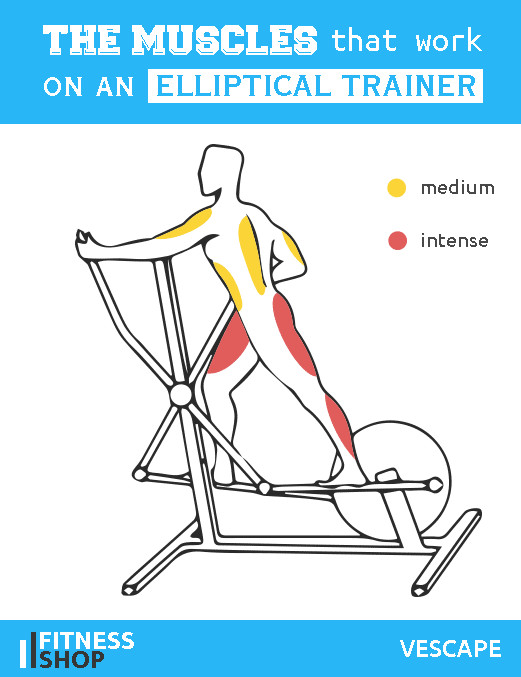
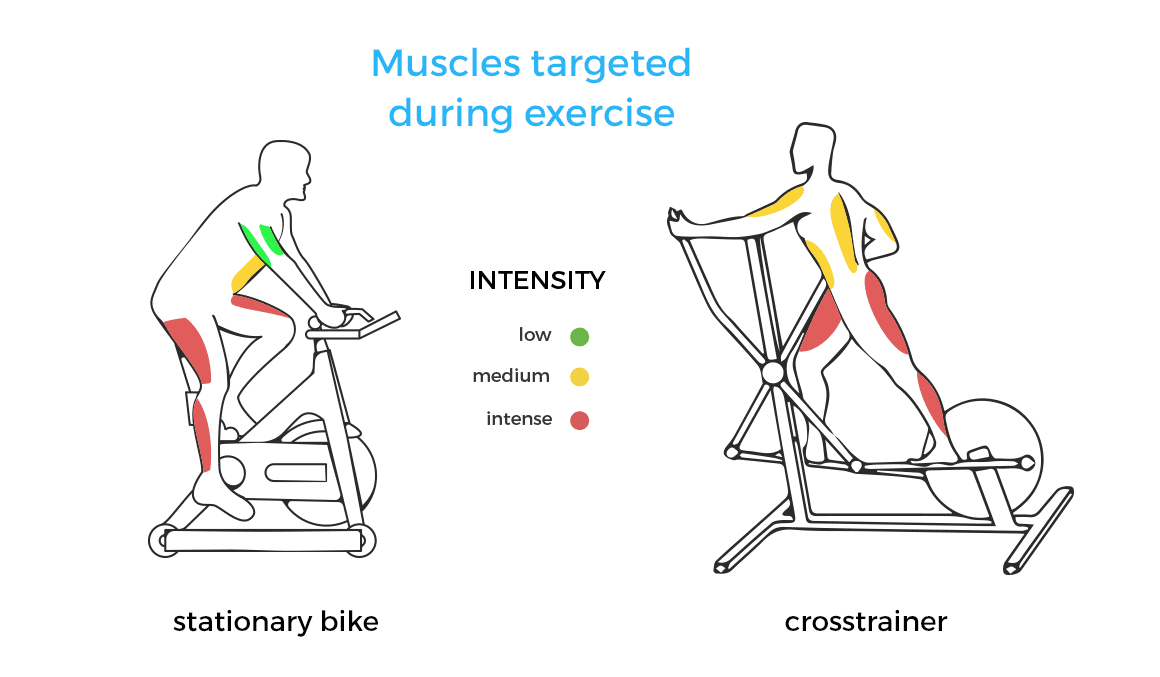
The next frontier of elliptical technology involves computer vision and pressure-sensitive flooring. High-end models are beginning to integrate AI coaches that use camera sensors to analyze the user’s posture. If the technology detects that a user is leaning too far forward or relying too heavily on the handrails (which reduces core engagement), it provides haptic feedback or visual cues on the console. This ensures that the elliptical “does” exactly what it is supposed to: engage the posterior chain, the core, and the upper body simultaneously, rather than allowing the user to compensate with poor form.
Integrated Ecosystems: Connecting the Elliptical to the Digital Self
The elliptical is no longer an island; it is a node in a massive Internet of Things (IoT) fitness ecosystem. The data generated during a session flows into a broader digital profile, influencing how we understand our long-term health trends.
IoT and Wearable Synchronization
Through protocols like Apple HealthKit and Google Fit, the elliptical communicates with smartphones and smartwatches. This synchronization ensures that the “strain” or “effort” recorded by the machine is reflected in the user’s overall daily health metrics. When the elliptical increases your heart rate, that data is pushed to the cloud, where it is used to adjust recovery recommendations for the following day. This integration turns a 30-minute workout into a data point that helps the body manage its overall “allostatic load”—the wear and tear on the body caused by chronic stress or intense exercise.
Gamification and Virtual Training Environments
The psychological impact of technology on the body is just as significant as the physical. Integrated screens now offer “Virtual Active” technology, where the machine’s resistance automatically adjusts to match the terrain of a filmed path through the Swiss Alps or the streets of Tokyo. This immersion uses tech to bypass the “boredom barrier.” By engaging the brain’s dopamine pathways through gamification and visual stimulation, the technology allows the body to endure higher intensities of cardiovascular stress without a corresponding increase in “Perceived Exertion” (RPE). Essentially, the tech tricks the body into working harder than the mind thinks it is.
The Future of Home Fitness Tech: Predictive Health and Machine Learning
As we look toward the future, the elliptical is becoming a diagnostic tool. The data it collects is moving from “descriptive” (what happened) to “predictive” (what will happen).
VO2 Max and Longevity Algorithms
By analyzing the relationship between power output (watts) and heart rate over time, smart ellipticals can now estimate a user’s VO2 Max—the gold standard for cardiovascular fitness and a primary predictor of longevity. This technology allows users to see how their “biological age” is changing based on their elliptical performance. For the body, this means the machine is acting as an early warning system. A sudden drop in performance at the same resistance level might indicate overtraining, illness, or underlying cardiovascular issues before physical symptoms even manifest.
Personalized Recovery and Stress Management
The most advanced software suites now look at a user’s Sleep Data (via Oura or Whoop) before the workout even begins. If the technology detects that the user’s Heart Rate Variability (HRV) is low, the elliptical’s “Auto-Follow” feature may automatically lower the planned intensity of the session. This prevents the body from entering a state of overtraining-induced inflammation. In this capacity, the technology acts as a protective layer, ensuring that what the elliptical “does” to your body is always restorative rather than destructive.

Conclusion: The Machine as a Biological Interface
The elliptical trainer represents the pinnacle of accessible fitness technology. It is a machine designed to solve a fundamental biological problem: how to maximize metabolic and cardiovascular output while minimizing structural damage to the musculoskeletal system.
Through the use of magnetic resistance, biometric sensors, IoT connectivity, and predictive AI, the elliptical does more than just “burn calories.” It provides a controlled environment where the human body can be optimized. It transforms raw physical effort into actionable data, allowing users to fine-tune their health with mathematical precision. As this technology continues to evolve, the line between the user and the machine will continue to blur, turning the elliptical into a comprehensive platform for human performance and long-term wellness. In the end, what the elliptical does to your body is governed entirely by the sophisticated code and engineering humming beneath its sleek exterior.
aViewFromTheCave is a participant in the Amazon Services LLC Associates Program, an affiliate advertising program designed to provide a means for sites to earn advertising fees by advertising and linking to Amazon.com. Amazon, the Amazon logo, AmazonSupply, and the AmazonSupply logo are trademarks of Amazon.com, Inc. or its affiliates. As an Amazon Associate we earn affiliate commissions from qualifying purchases.