
Understanding the intricacies of a vehicle’s wheel and tire assembly is crucial for anyone looking to optimize performance, aesthetics, or simply maintain their vehicle correctly. While many focus on tire size or rim diameter, a less frequently discussed yet fundamentally important aspect is wheel offset. This seemingly small detail has a significant impact on how a wheel sits within the wheel well, influencing everything from handling dynamics to steering feel and even the longevity of suspension components. In the realm of automotive technology, wheel offset is a critical parameter that dictates the spatial relationship between the wheel’s mounting surface and its centerline. This article delves into the technical definition of wheel offset, its various types, the implications of incorrect offset, and how it relates to modern automotive design and performance tuning.
The Technical Definition and Calculation of Wheel Offset
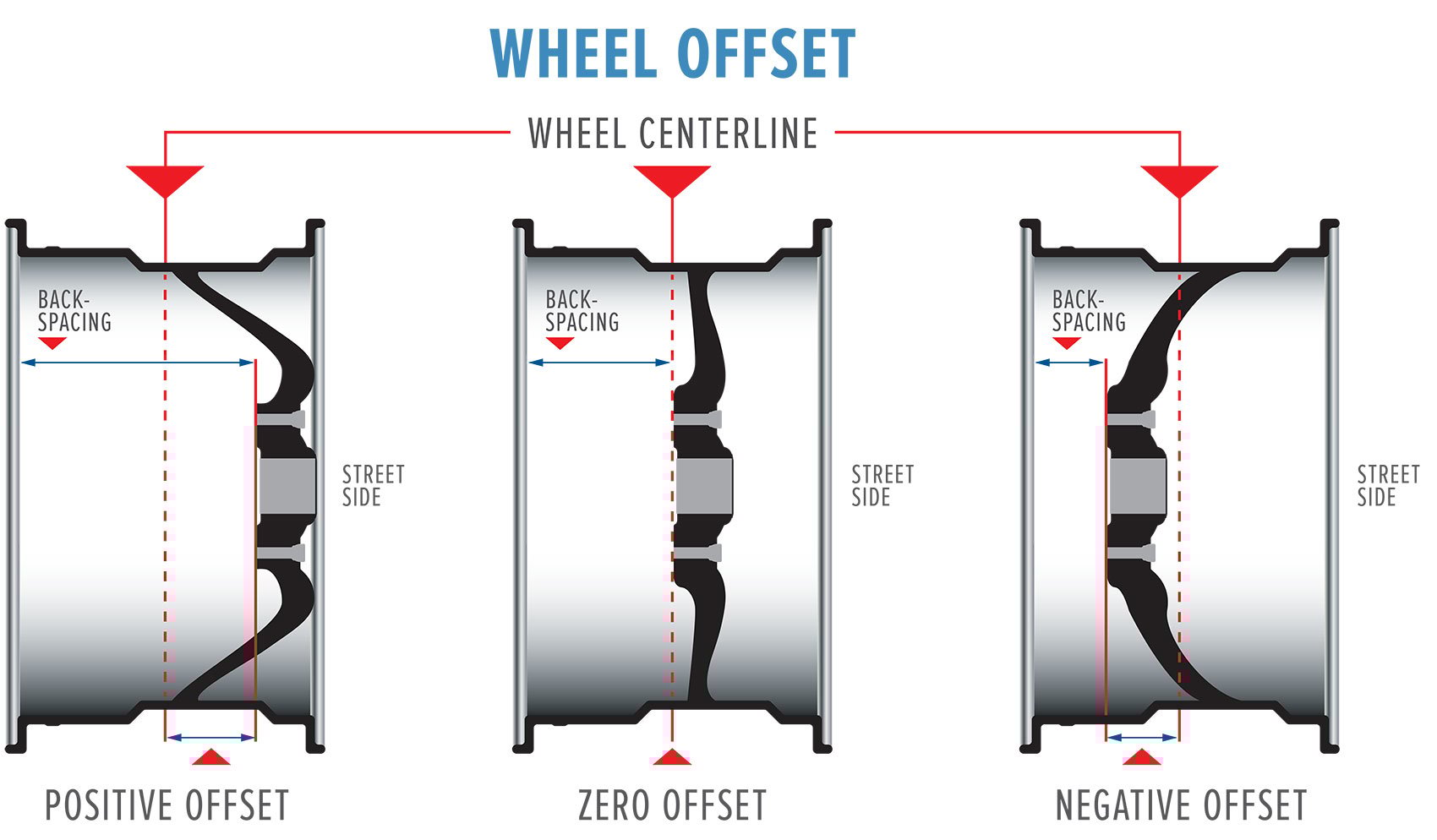
At its core, wheel offset is a measurement that quantifies the distance between the wheel’s hub mounting surface and the plane of the wheel’s centerline. This centerline is the theoretical middle line of the wheel’s width. The offset determines how far the wheel is positioned inward or outward relative to the vehicle’s hub.
Understanding the Measurement
The offset is typically expressed in millimeters (mm) and is denoted by the letter “ET” (from the German word “Einpresstiefe,” meaning “insertion depth”) in many European specifications. A positive offset indicates that the hub mounting surface is positioned outboard of the wheel’s centerline. Conversely, a negative offset means the hub mounting surface is inboard of the wheel’s centerline. A zero offset occurs when the hub mounting surface and the wheel’s centerline are in the same plane.
To visualize this, imagine laying the wheel flat on its face. The centerline of the wheel is the point halfway across its width. If the part of the wheel that bolts to the car (the hub mounting surface) is closer to the outside of the car than this centerline, it’s a positive offset. If it’s closer to the inside of the car, it’s a negative offset.
Calculating Wheel Offset
While you’ll rarely need to calculate offset yourself, understanding the principle is beneficial. The calculation involves a few key measurements:
- Wheel Width: The total width of the wheel from bead seat to bead seat.
- Backspacing: The distance from the hub mounting surface to the inboard edge of the wheel rim.
- Hub Mounting Surface: The flat area on the wheel that contacts the vehicle’s hub.
- Wheel Centerline: The theoretical middle point of the wheel’s width.
The formula for calculating offset is:
Offset = Backspacing – (Wheel Width / 2)
Let’s break this down with an example:
Suppose a wheel has a width of 8 inches (approximately 203 mm). The centerline would be at 4 inches (approximately 101.5 mm) from either edge. If the backspacing is measured at 6 inches (approximately 152.4 mm), then:
Offset = 152.4 mm – (203 mm / 2)
Offset = 152.4 mm – 101.5 mm
Offset = +50.9 mm
This would be a positive offset of approximately +51 mm.
If the backspacing was 4 inches (approximately 101.5 mm) for the same 8-inch wide wheel:
Offset = 101.5 mm – (203 mm / 2)
Offset = 101.5 mm – 101.5 mm
Offset = 0 mm
This would be a zero offset.
If the backspacing was 3 inches (approximately 76.2 mm):
Offset = 76.2 mm – (203 mm / 2)
Offset = 76.2 mm – 101.5 mm
Offset = -25.3 mm
This would be a negative offset of approximately -25 mm.
It’s important to note that modern wheel manufacturers provide the offset specification directly, so manual calculation is generally not required for purchasing wheels. However, understanding the underlying principle aids in comprehending its impact.
Types of Wheel Offset and Their Implications
The three primary types of wheel offset – positive, negative, and zero – each have distinct effects on a vehicle’s stance, handling, and component wear.
Positive Offset
Wheels with a positive offset have their hub mounting surface positioned outboard of the wheel’s centerline. This means the wheel is tucked further inwards towards the vehicle’s suspension components.
- Technical Advantages: Positive offset is common in front-wheel-drive vehicles and many rear-wheel-drive cars. It helps to keep the tire within the confines of the fender, especially when using wider tires or larger diameter wheels, by minimizing the outward protrusion. It can also contribute to better fuel economy by reducing the scrub radius, which is the distance between the steering axis inclination and the tire contact patch. A smaller scrub radius generally leads to lighter steering feel and less torque steer.
- Design Considerations: Vehicle manufacturers utilize positive offset to manage the space within the wheel wells. It’s a critical factor in ensuring that the tire doesn’t rub against the fenders, suspension arms, or brake calipers.
- Performance Impact: In some cases, a carefully chosen positive offset can improve stability and reduce body roll during cornering by increasing the track width of the vehicle relative to the suspension geometry. However, excessively positive offset can lead to the tire rubbing against the inner fender liner or suspension components.
Negative Offset
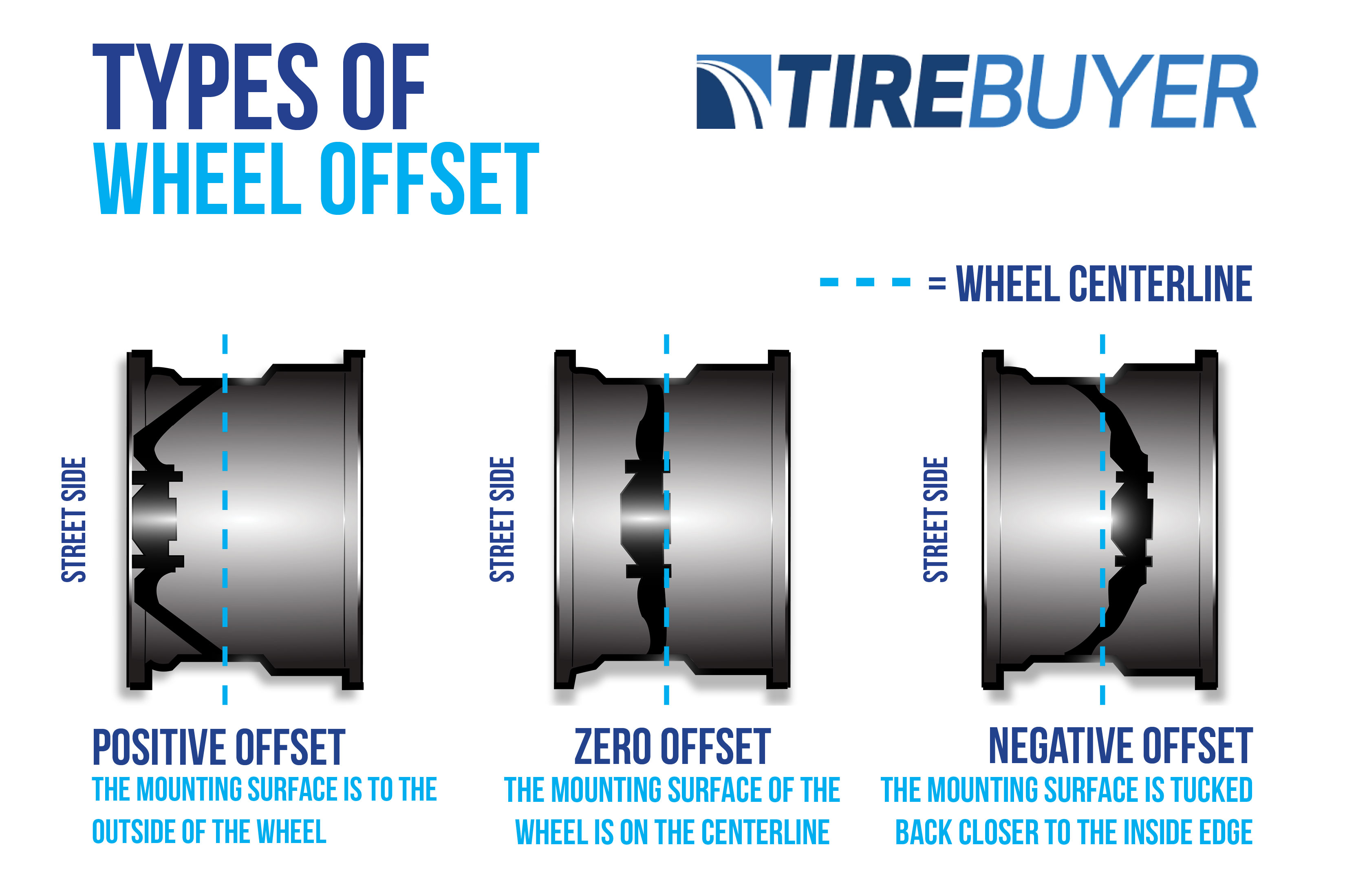
In a negative offset configuration, the hub mounting surface is positioned inboard of the wheel’s centerline. This pushes the wheel further out from the vehicle’s hub, making the tire appear more aggressive or “flushed” with the fender.
- Technical Advantages: Negative offset is often seen in heavy-duty trucks and some rear-wheel-drive performance vehicles, particularly those with wider rear axles or designed for a more pronounced stance. It can increase the track width of the vehicle, which can improve stability and reduce the tendency to roll.
- Design Considerations: While aesthetically appealing to some, negative offset can place greater stress on wheel bearings and suspension components due to the increased leverage applied by the wider stance. It also increases the risk of tire-to-fender contact, especially when turning or encountering uneven road surfaces.
- Performance Impact: The widened stance from negative offset can offer enhanced grip and cornering stability, especially on well-maintained surfaces. However, it can also lead to increased torque steer in front-wheel-drive applications and potentially accelerated wear on wheel bearings and suspension bushings due to the increased side loads. Furthermore, it can negatively impact steering effort.
Zero Offset
A zero offset wheel means the hub mounting surface and the wheel’s centerline are perfectly aligned. The wheel sits neither further in nor further out than it would with a perfectly balanced geometry.
- Technical Advantages: Zero offset wheels are often used in applications where a symmetrical load distribution is desired, or in custom builds where specific suspension geometries are being employed. They can offer a neutral impact on scrub radius and steering characteristics.
- Design Considerations: This offset is less common as a factory specification for passenger vehicles compared to positive offset. It can be a good starting point for modifications where precise control over the wheel’s position is paramount.
- Performance Impact: A zero offset can provide a balanced approach, avoiding the extreme inward or outward positioning of positive and negative offsets. However, like any offset, it must be matched to the vehicle’s suspension geometry and intended use to avoid adverse effects.
The Critical Role of Correct Wheel Offset
Choosing the correct wheel offset is not merely an aesthetic decision; it’s a critical factor in the safety, performance, and longevity of a vehicle. Mismatched offset can lead to a cascade of undesirable effects, impacting steering, handling, tire wear, and even structural integrity.
Impact on Handling and Steering
The offset of a wheel directly influences the vehicle’s scrub radius. The scrub radius is the distance between the point where the steering axis intersects the ground and the center of the tire’s contact patch.
- Positive Offset: Generally reduces scrub radius, leading to lighter steering and less torque steer. However, an excessively positive offset can cause the tire to rub against the inner fender or suspension components, limiting steering lock and potentially causing damage.
- Negative Offset: Generally increases scrub radius, which can result in heavier steering and increased torque steer, especially in front-wheel-drive vehicles. It also places more stress on the wheel bearings and suspension components. An excessively negative offset can cause the tire to rub against the fender or external bodywork, and in extreme cases, can lead to instability during hard braking or acceleration.
- Zero Offset: Offers a neutral effect on scrub radius, providing a balanced steering feel. However, without careful consideration of other wheel and tire parameters, it can still lead to compatibility issues.
Tire Wear and Suspension Component Longevity
An incorrect wheel offset can lead to uneven tire wear. When a wheel is too far inward (excessive positive offset) or too far outward (excessive negative offset), the suspension geometry is no longer operating within its designed parameters.
- Uneven Tire Wear: If the offset is too positive, the inside edge of the tire may wear prematurely due to increased pressure on that side of the contact patch. Conversely, with too much negative offset, the outer edge of the tire will experience accelerated wear. In both cases, the tire is not making even contact with the road surface.
- Increased Stress on Bearings and Suspension: A significant deviation from the factory-specified offset, particularly a negative offset, increases the leverage applied to the wheel bearings. This can lead to premature bearing failure. Similarly, the ball joints, tie rod ends, and other suspension components are subjected to higher lateral forces, accelerating their wear and potentially leading to premature failure. This can manifest as knocking noises, looseness in the steering, or a less precise feel for the road.
Aesthetic Considerations vs. Technical Reality
While the desire for a more aggressive or customized look is a primary driver for altering wheel offset, it’s imperative to balance aesthetics with technical feasibility. The “stanced” or “flush” look achieved with extreme offsets can compromise the vehicle’s intended performance and durability.
- The “Stance” Phenomenon: The automotive subculture known as “stance” often involves fitting wheels with significantly altered offsets to achieve a visually striking appearance, pushing the wheels outward to be flush with or even slightly beyond the fender line. While visually appealing to enthusiasts, this often requires compromises in suspension travel, steering geometry, and tire wear.
- Compromises: Achieving extreme stances often necessitates modifications such as aggressive fender rolling, camber adjustments (altering the vertical angle of the wheel), and sometimes even suspension modifications to maintain some level of functionality. However, these modifications can introduce their own set of performance limitations and wear patterns. It is essential to understand that beyond a certain point, pushing the limits of wheel offset is purely an aesthetic choice with detrimental effects on the vehicle’s engineering.
Selecting the Right Wheel Offset for Your Vehicle
Choosing the correct wheel offset is a crucial decision that requires a thorough understanding of your vehicle’s specifications and your intended use. It’s a process that balances performance, safety, and aesthetics.
Consulting Vehicle Specifications and Manufacturer Recommendations
The most reliable source of information regarding correct wheel offset is your vehicle’s manufacturer. They have engineered the suspension and steering systems to work optimally with specific offset values.
- Owner’s Manual: The owner’s manual for your vehicle often contains detailed information about recommended wheel and tire sizes, including offset specifications.
- Tire and Wheel Shops: Reputable tire and wheel retailers have extensive databases of vehicle-specific information and can provide expert advice on compatible offsets. They understand the nuances of different makes and models.
- Online Resources: Many automotive forums and specialized websites dedicated to specific car models offer community-sourced information on wheel fitment, including offset discussions. However, always cross-reference this information with official sources.
Understanding the Impact of Tire Size and Other Modifications
Wheel offset does not exist in isolation. Its interaction with tire size, suspension type, and any other modifications significantly influences the overall outcome.
- Tire Diameter and Width: When changing tire size, the offset requirement can also change. A wider tire, for instance, will require a different offset to ensure it doesn’t rub against the fender or suspension components. Similarly, a larger diameter tire might influence clearance needs.
- Suspension Modifications: Aftermarket suspension components, such as coilovers or lowered springs, can alter the vehicle’s ride height and suspension geometry. These changes can necessitate adjustments to wheel offset to maintain proper clearance and handling characteristics. For example, lowering a vehicle might require a slightly more positive offset to prevent the tire from hitting the fender liner at full compression.

The Risks of Incorrect Offset and How to Mitigate Them
The consequences of choosing the wrong wheel offset can range from minor annoyances to significant safety hazards.
- Rubbing and Clearance Issues: The most immediate and noticeable problem is tire rubbing. This can occur on the inner fender liner, the outer fender, suspension arms, or brake calipers. This not only damages the tire and fender but can also affect steering and handling.
- Compromised Handling and Safety: As discussed, incorrect offset can negatively impact steering feel, stability, and braking performance. In extreme cases, it can contribute to a loss of control.
- Accelerated Wear and Component Failure: Premature wear of tires, wheel bearings, and suspension components is a common consequence of improper offset. This leads to increased maintenance costs and potential for unexpected breakdowns.
To mitigate these risks, it is strongly advised to:
- Consult Professionals: Always seek advice from experienced tire and wheel specialists.
- Use Online Fitment Guides: Utilize reputable online tools that allow you to filter wheels by your vehicle’s make, model, and year.
- Consider Test Fitting: If possible, arrange for a test fit of the wheels before purchasing to ensure proper clearance and alignment.
- Prioritize Functionality: While aesthetics are important, never compromise the safety and functional integrity of your vehicle for the sake of appearance.
In conclusion, wheel offset is a complex but essential technical specification. Understanding its definition, types, and implications is paramount for any automotive enthusiast or owner seeking to maintain or enhance their vehicle’s performance, safety, and longevity. By prioritizing proper research and professional guidance, you can ensure that your wheel choices contribute positively to your driving experience.
aViewFromTheCave is a participant in the Amazon Services LLC Associates Program, an affiliate advertising program designed to provide a means for sites to earn advertising fees by advertising and linking to Amazon.com. Amazon, the Amazon logo, AmazonSupply, and the AmazonSupply logo are trademarks of Amazon.com, Inc. or its affiliates. As an Amazon Associate we earn affiliate commissions from qualifying purchases.