
The departure of a beloved character from a long-running television series is rarely a simple narrative resolution; it’s a significant event that can reshape the very fabric of the show’s identity and its connection with its audience. For fans of the procedural drama NCIS, the exit of Senior Special Agent Tony DiNozzo, portrayed by Michael Weatherly, was a pivotal moment. DiNozzo was not just a character; he was an integral part of the NCIS brand, contributing a unique blend of humor, charm, and seasoned detective work that resonated with viewers for over a decade. Understanding “what happened to DiNozzo” involves delving into the strategic decisions behind his exit, the impact on the show’s brand, and how the narrative was leveraged to maintain audience engagement.
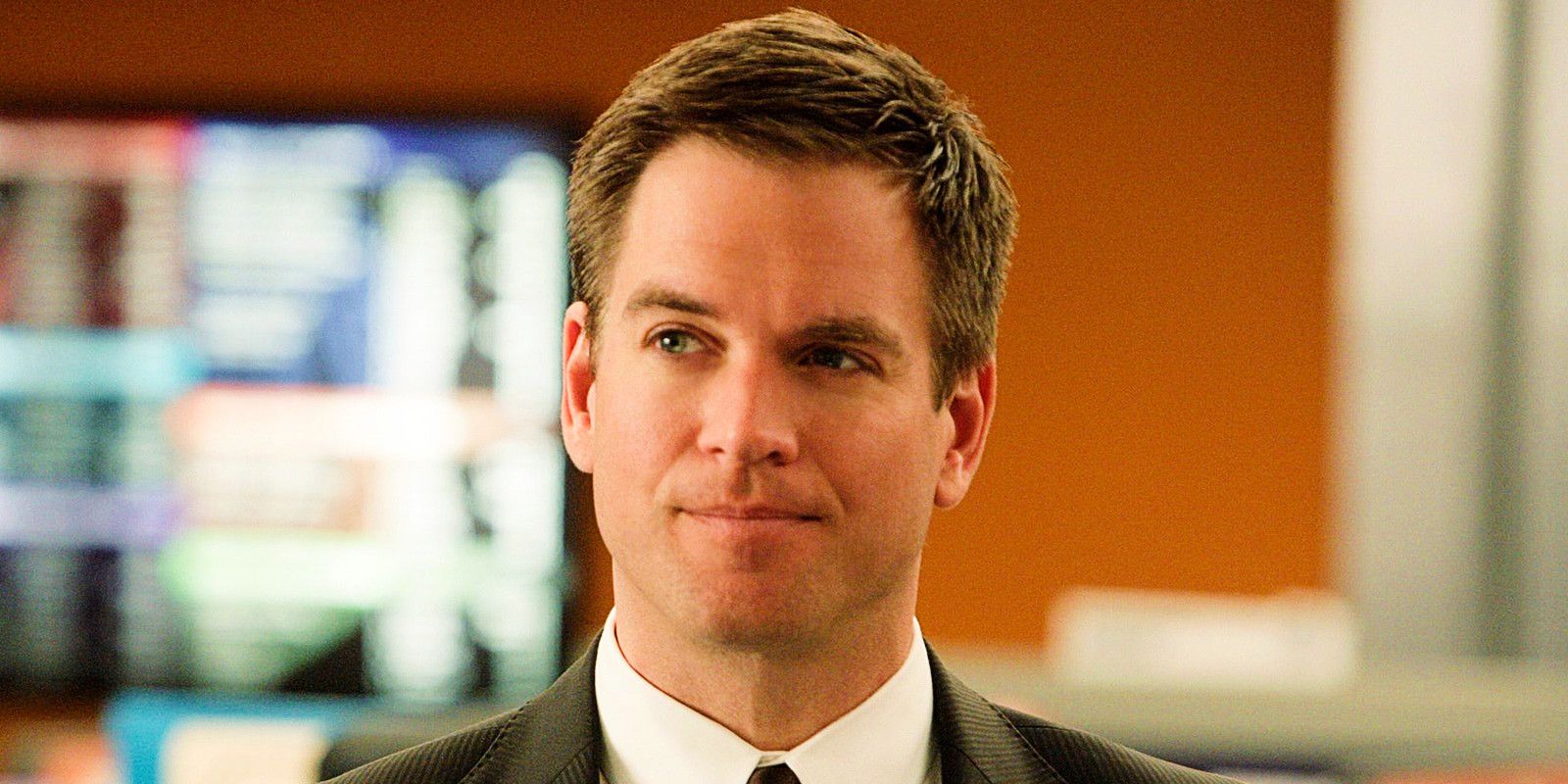
The Strategic Narrative Arc of Tony DiNozzo’s Departure
The decision to write out a prominent character like Tony DiNozzo was undoubtedly a complex one, influenced by a confluence of factors ranging from actor availability to the need for narrative evolution. From a brand perspective, such departures are not mere plot devices but carefully orchestrated moves to potentially revitalize a show, introduce new dynamics, and offer fresh storytelling avenues, all while aiming to retain the core audience.
Actor Availability and Narrative Evolution
Michael Weatherly’s decision to leave NCIS after 13 seasons was the primary catalyst for DiNozzo’s departure. As an actor, Weatherly had spent a significant portion of his career embodying the role, and like many performers, he likely sought new creative challenges and opportunities. From the show’s brand management perspective, this presented both a challenge and an opportunity. The challenge was to replace a significant source of the show’s established comedic relief and established on-screen chemistry. The opportunity lay in using this transition to inject new energy and potentially attract different demographics or re-engage existing ones with a revamped team dynamic. The narrative arc was thus crafted to provide DiNozzo with a fitting and impactful exit, one that felt earned after years of dedicated service and personal growth.
Crafting a Satisfying Farewell: The “Family Matters” Narrative
The storyline that led to DiNozzo’s departure was deeply personal and served as a poignant conclusion to his character’s arc. After the tragic death of his former love interest, Ziva David, and the revelation that they had a daughter, Tali, DiNozzo was faced with a profound choice. The show’s writers strategically leveraged this development to create a narrative that was both emotionally resonant and aligned with DiNozzo’s established character traits. His dedication to fatherhood and his desire to protect his daughter became the paramount motivation for his leaving. This was not a sudden, unexplained disappearance; rather, it was a deliberate choice driven by love and responsibility. This approach ensured that DiNozzo’s exit felt like a natural progression, a reward for his years of service, and a testament to his character’s development, thereby preserving the positive brand association viewers had with him. His decision to move to Paris to be with Tali and honor Ziva’s memory provided a sense of closure and a bittersweet, yet ultimately optimistic, farewell.
The Impact of DiNozzo’s Departure on the NCIS Brand Identity
Tony DiNozzo was more than just a team member; he was a foundational element of the NCIS brand. His distinct personality, his relationships with other characters, and his unique contributions to solving cases had been cultivated over many years, forging a strong connection with the show’s loyal fanbase. His exit necessitated a recalibration of the show’s brand identity, prompting questions about how the series would adapt and whether it could maintain its established appeal.
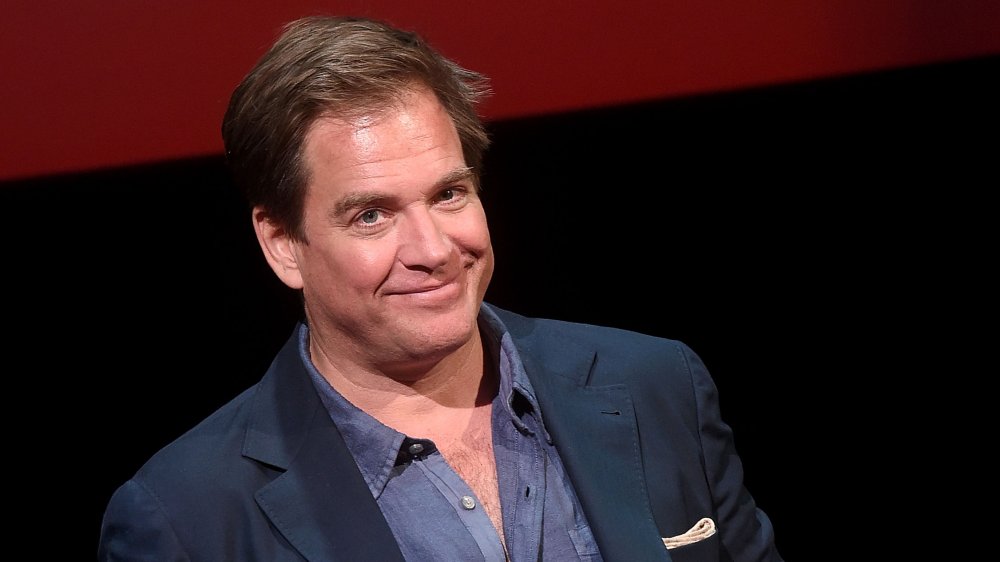
The Role of Humor and Banter in the NCIS Brand
A significant aspect of DiNozzo’s appeal was his effervescent personality, often characterized by his pop culture references, playful banter, and sometimes juvenile humor. This comedic element was a crucial differentiator for NCIS within the crowded procedural genre. DiNozzo, alongside Timothy McGee, often provided the lighthearted moments that balanced the often grim nature of the investigations. His interactions with characters like Gibbs, Ziva, and Abby created memorable dynamics that were deeply ingrained in the show’s brand. His absence meant a noticeable shift in the show’s comedic rhythm, requiring other characters and new additions to fill the void. The brand had to adapt to a less overtly jocular tone, or find new ways to inject humor that felt authentic to the evolving team.
Maintaining Audience Engagement Through Character Transitions
For a show to thrive for so long, it must possess an exceptional ability to navigate character transitions while retaining its core audience. The departure of a major character like DiNozzo is a critical test of this brand resilience. The NCIS writers and producers had to ensure that the show’s fundamental appeal – compelling cases, strong character relationships, and a consistent tone – remained intact. This involved strategically introducing new characters who could offer fresh perspectives and dynamics, as well as allowing existing characters to evolve and take on new responsibilities. The success of these transitions is a testament to the show’s robust brand equity, which allows it to absorb such significant changes without alienating its established viewer base. The goal was to evolve the brand, not to dismantle it.
Strategic Replacements and Future Brand Evolution
The departure of a character as significant as Tony DiNozzo inevitably leads to a period of adjustment and strategic planning for the future of the brand. The show’s creators had to identify how to fill the void left by his unique skill set and personality, and how to integrate new elements that would keep the NCIS narrative fresh and engaging for years to come.
Introducing New Agents and Shifting Team Dynamics
Following DiNozzo’s exit, NCIS introduced new agents to the team, most notably Alexandra “Alex” Quinn (Jennifer Esposito) and later Jack Sloane (Maria Bello), and Nick Torres (Wilmer Valderrama). These characters were designed to bring different energies, backgrounds, and skill sets to the team, aiming to replicate some of the functional aspects of DiNozzo’s role while also establishing their own distinct identities. The integration of these new characters was a crucial part of the brand’s ongoing evolution. The success of these additions depended on their ability to quickly form chemistry with the existing cast, contribute meaningfully to the investigations, and resonate with the audience. This process is akin to a company refreshing its product line; the core brand remains, but new features and interfaces are introduced to stay relevant.

The Enduring Legacy of Tony DiNozzo and its Impact on Brand Loyalty
Even after his departure, the legacy of Tony DiNozzo continues to influence the NCIS brand. His character’s development, his relationships, and his ultimate sacrifice for his family are woven into the show’s lore. This enduring presence, often through flashbacks, mentions, or the influence he had on other characters, helps to maintain a sense of continuity and loyalty among the fanbase. Viewers who grew up with DiNozzo as a central figure often remain invested in the show precisely because of these lingering connections to beloved characters. This demonstrates that while characters may depart, their impact on brand loyalty can be long-lasting, providing a foundation upon which the show can continue to build. The narrative closure provided for DiNozzo ensured that he left on good terms with the audience, fostering continued goodwill towards the NCIS brand.
In conclusion, the departure of Tony DiNozzo from NCIS was a masterfully handled strategic move within the context of brand management for a long-running television series. It involved careful narrative crafting to provide a satisfying character exit, a thoughtful approach to filling the void left by his unique persona, and a strategic integration of new elements to ensure the continued evolution and appeal of the NCIS brand. The successful navigation of this significant transition highlights the intricate relationship between character development, audience engagement, and the enduring power of a well-established television brand.
aViewFromTheCave is a participant in the Amazon Services LLC Associates Program, an affiliate advertising program designed to provide a means for sites to earn advertising fees by advertising and linking to Amazon.com. Amazon, the Amazon logo, AmazonSupply, and the AmazonSupply logo are trademarks of Amazon.com, Inc. or its affiliates. As an Amazon Associate we earn affiliate commissions from qualifying purchases.