
“What is The OC Show?” is a question that, on the surface, seeks a simple definition of a television series. However, when viewed through the lens of brand strategy, this query unlocks a much richer tapestry of cultural impact, identity formation, and enduring legacy. “The OC,” which aired from 2003 to 2007 on Fox, was far more than just another teen drama; it was a meticulously crafted brand that defined an era, launched careers, and left an indelible mark on popular culture. From its iconic soundtrack to its aspirational setting and complex characters, “The OC” developed a distinct brand identity that resonated deeply with its target audience and continues to evoke nostalgia and admiration today. This article will delve into “The OC” not just as a narrative product, but as a compelling case study in building and sustaining a powerful entertainment brand.

The Genesis of a Pop Culture Brand
Every successful brand begins with a core idea, a vision that aims to carve out a unique space in the market. “The OC” was no exception, conceived with a clear understanding of its intended appeal and its differentiator in a crowded television landscape. Its genesis involved a strategic blend of creative insight and market awareness, laying the foundation for what would become a formidable pop culture brand.
Crafting the Core Identity
At its heart, “The OC” was designed to explore the clash of two worlds: the gritty, working-class reality of an outsider and the glittering, privileged facade of Southern California’s Orange County elite. The premise introduced Ryan Atwood, a troubled but intelligent teen from Chino, thrust into the affluent, morally ambiguous lives of the Cohen family in Newport Beach. This central conflict, coupled with themes of identity, belonging, and the search for family, provided a rich narrative backbone. The target demographic—primarily teenagers and young adults—was hungry for stories that combined aspirational lifestyles with relatable emotional struggles, a blend “The OC” masterfully delivered. The show’s identity was built on this tension: the allure of wealth juxtaposed with the universal search for authenticity and connection. It offered escapism, yes, but also a reflection of adolescent anxieties and hopes, making it resonate on multiple levels.
The Masterminds Behind the Brand
The primary architect of “The OC” brand was Josh Schwartz, who, at the age of 26, became one of the youngest showrunners in television history. Schwartz, alongside executive producers McG and Stephanie Savage, possessed a keen understanding of youth culture and storytelling. Their collective vision wasn’t just to tell a story, but to create a world. They understood that to build a lasting brand, every element – from character development to music choices – had to serve a cohesive aesthetic and narrative purpose. Schwartz’s distinctive voice, characterized by witty dialogue, pop culture references, and an earnest emotional core, became synonymous with the show itself. This strong creative leadership ensured that “The OC” brand maintained consistency and a clear direction, even as its storylines evolved over four seasons. Their intent was to create something both entertaining and intelligent, challenging the often-underestimated genre of the teen drama, and in doing so, they elevated the show’s brand perception from the outset.
Building a Distinct Brand Aesthetic and Voice
A brand’s aesthetic and voice are its sensory signatures – what it looks like, sounds like, and how it communicates. For “The OC,” these elements were meticulously crafted to create an immersive and highly recognizable identity that became synonymous with early 2000s youth culture.
Setting and Visual Identity
The geographical setting of Orange County was more than just a backdrop; it was a character in itself and a cornerstone of the show’s visual brand. “The OC” painted a vivid picture of sun-drenched beaches, sprawling mansions, luxury cars, and an endless summer lifestyle. This aspirational imagery was central to its appeal, selling a dream of affluence and beauty that captivated viewers. The cinematography emphasized bright, saturated colors, a sense of open space, and an almost glossy finish that visually communicated the show’s brand of glamorous escapism. Even the show’s title sequence, featuring the iconic “California” by Phantom Planet, visually reinforced this idyllic, yet often turbulent, coastal existence. The show’s visual identity became synonymous with a particular kind of Southern California dream, a powerful brand association that drew viewers into its world.
Character Archetypes and Relatability
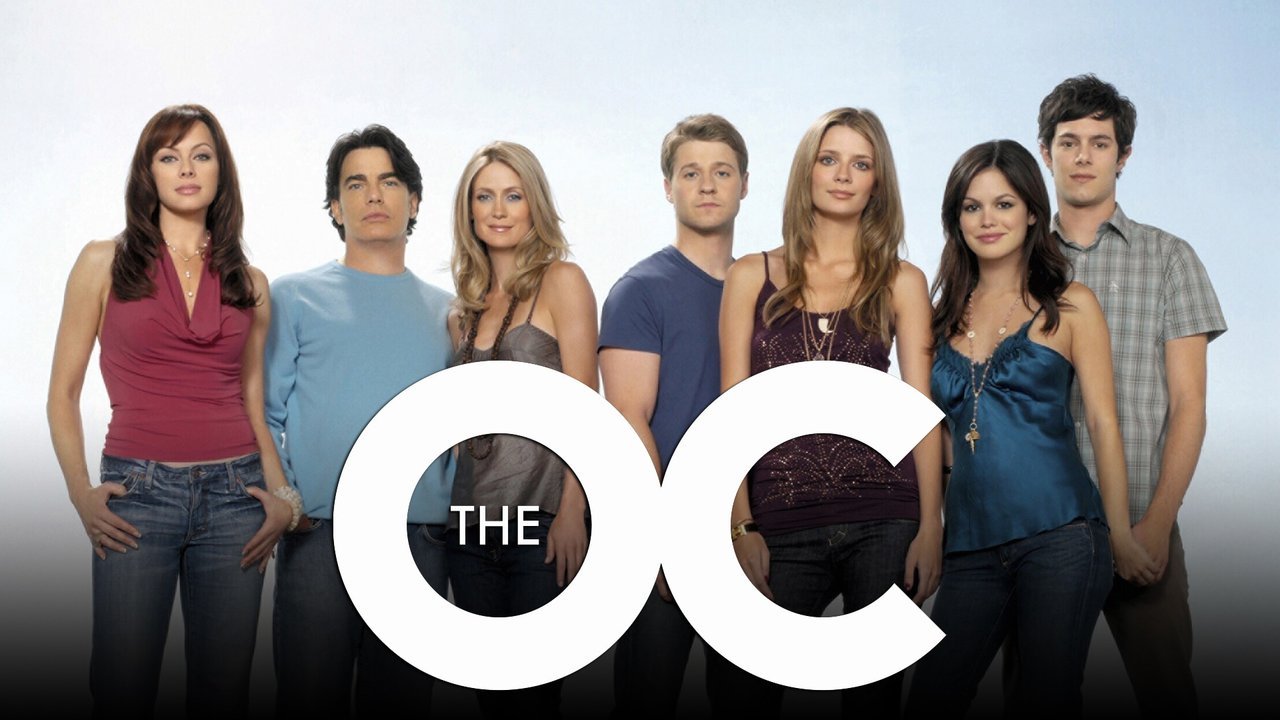
The characters of “The OC” were not just individuals; they were carefully developed archetypes that contributed distinct flavors to the overall brand. Seth Cohen, the quirky, pop-culture-obsessed outcast; Summer Roberts, the popular, initially shallow but ultimately deep “It Girl”; Marissa Cooper, the beautiful, troubled socialite; and Ryan Atwood, the brooding, heroic outsider. Each character arc, their intertwined relationships, and their distinct personalities helped define the show’s narrative voice. They offered a spectrum of relatability – from Seth’s witty neuroses to Ryan’s stoic idealism – allowing a diverse audience to find themselves within the brand. The characters’ fashion choices, their catchphrases, and their emotional journeys all became part of “The OC” brand lore, creating an engaging universe that viewers invested in deeply. Their evolution and struggles kept the brand fresh, offering new facets to explore as the series progressed.
The Soundtrack as a Brand Pillar
Perhaps one of the most distinctive and influential elements of “The OC” brand was its groundbreaking use of music. The show’s soundtrack was not merely incidental; it was a central pillar of its identity, often referred to as a character in itself. Music supervisor Alexandra Patsavas curated an eclectic mix of indie rock, alternative, and lesser-known artists, often showcasing bands before they hit the mainstream. This sophisticated and trend-setting approach to music transformed the show into a cultural tastemaker. It introduced a generation to bands like Death Cab for Cutie, Modest Mouse, and Rooney, and launched a series of highly successful soundtrack albums. The infamous “Mix CDs” created by Seth Cohen within the show became a metaphor for the show’s own role as a curated gateway to cool new music. This strategic integration of music provided an additional layer of authenticity, coolness, and emotional resonance, cementing “The OC” as a brand that wasn’t just selling a story, but an entire lifestyle and cultural sensibility.
The Marketing and Cultural Impact of The OC Brand
The success of any brand is measured not only by its initial creation but also by its ability to penetrate the market, build a loyal following, and leave a lasting cultural impression. “The OC” excelled in these areas, demonstrating astute marketing strategies and generating an undeniable cultural ripple effect.
Early Marketing Strategies
Fox’s marketing campaign for “The OC” understood its target demographic and leveraged the show’s aspirational setting. Promotional materials highlighted the glamour of Orange County, the allure of forbidden romance, and the dramatic tensions inherent in the clash of worlds. Early trailers showcased the beautiful cast, the stunning locales, and snippets of the show’s signature witty dialogue, creating an immediate sense of intrigue. The positioning emphasized its fresh take on the teen drama genre, hinting at deeper themes than typical high school soap operas. By strategically placing advertisements in youth-focused magazines, websites, and during other popular shows, Fox ensured that “The OC” landed squarely on the radar of its intended audience, priming them for a new, sophisticated entrant into the genre. The network successfully branded it as a must-watch summer sensation, generating significant buzz even before its premiere.
Fandom and Community Building
In the early 2000s, the internet was beginning to transform how fans engaged with television. “The OC” was an early adopter and beneficiary of this evolving landscape. Online forums, fan sites, and early social media platforms became vibrant communities where viewers dissected episodes, debated plotlines, and championed their favorite characters and couples. This active fan engagement was instrumental in solidifying “The OC” brand’s loyal following. The show’s creators and network often engaged with this feedback, creating a sense of shared ownership and connection. Fan-created content, from fan fiction to fan art, further amplified the show’s reach and deepened its cultural footprint. This organic, community-driven marketing contributed significantly to the brand’s mystique and longevity, turning casual viewers into passionate advocates.
Legacy and Enduring Influence
“The OC”‘s impact extended far beyond its initial run. It redefined the teen drama genre, proving that shows centered on adolescent life could possess sophisticated writing, complex characters, and a distinctive aesthetic. Its influence can be seen in countless subsequent teen dramas, which adopted elements of its narrative structure, character dynamics, and especially its use of music as a narrative device. Even today, “The OC” is frequently referenced in popular culture, from nostalgic callbacks in other shows to celebrity interviews reminiscing about its influence. Streaming platforms have introduced “The OC” brand to new generations, further cementing its legacy. Its iconic scenes, memorable quotes, and beloved characters remain engrained in the collective consciousness, demonstrating the powerful and enduring cultural capital the brand accumulated.
Deconstructing The OC’s Brand Longevity
The ultimate test of a brand’s strength is its ability to maintain relevance and appeal over time. “The OC” has shown remarkable longevity, a testament to its strong initial branding and its continued resonance. Analyzing how it achieved and maintained this status offers valuable insights into brand management in the entertainment industry.
Adaptability and Evolution
Like any successful brand, “The OC” attempted to adapt and evolve to prevent stagnation. Across its four seasons, the show introduced new characters, explored different storylines, and tackled mature themes, striving to keep its audience engaged as its characters matured. While some changes were met with mixed reactions from its dedicated fanbase, the attempt to evolve showcased a commitment to keeping the brand dynamic. The brand’s core values—the exploration of identity, family, and belonging—remained consistent, even as the specific manifestations of those values shifted. This willingness to experiment, within the bounds of its established brand identity, was crucial in preventing the show from becoming predictable or outdated.
The Power of Nostalgia Marketing
Today, “The OC” brand thrives significantly on nostalgia. Re-runs on cable, availability on major streaming platforms, and anniversary celebrations tap into a powerful human emotion: the yearning for past experiences and cultural touchstones. For many millennials, “The OC” represents a pivotal part of their formative years, and revisiting the show offers a comforting return to a cherished period. This “nostalgia marketing” is incredibly effective because it leverages pre-existing emotional connections, allowing the brand to continue generating viewership and cultural conversations without the need for new content. Podcasts dedicated to re-watching the show, articles discussing its impact, and social media trends all contribute to keeping “The OC” brand alive and relevant for both original fans and new curious viewers.

Case Study in Teen Drama Branding
“The OC” stands as a quintessential case study in how to build a successful and lasting brand within the competitive entertainment landscape, particularly in the teen drama genre. Its success lay in a holistic approach:
- Clear Core Identity: A compelling premise that fused aspirational fantasy with relatable human drama.
- Distinct Aesthetic and Voice: A recognizable visual style (Southern California glamour) and a unique narrative voice (witty, pop-culture-infused, emotionally honest).
- Innovative Content Pillars: The groundbreaking use of music as a character and a cultural tastemaker.
- Effective Marketing and Community Building: Strategic promotion combined with fostering an engaged, passionate fanbase.
- Enduring Cultural Impact: A legacy that reshaped its genre and continues to resonate through nostalgia.
“The OC” proved that a teen drama could be critically acclaimed, culturally influential, and commercially successful, setting a benchmark for future productions and leaving a blueprint for brand architects in television.
In conclusion, “What is The OC Show?” is a question that leads to an exploration of a television series as a powerful and enduring brand. From its inception, “The OC” was strategically designed to capture an audience, build a distinct identity through its setting, characters, and music, and cultivate a lasting cultural impact. It remains a prime example of how intelligent brand strategy, creative vision, and genuine connection with an audience can transform a television show into a timeless cultural phenomenon. “The OC” isn’t just a show; it’s a testament to the power of a well-executed brand.
aViewFromTheCave is a participant in the Amazon Services LLC Associates Program, an affiliate advertising program designed to provide a means for sites to earn advertising fees by advertising and linking to Amazon.com. Amazon, the Amazon logo, AmazonSupply, and the AmazonSupply logo are trademarks of Amazon.com, Inc. or its affiliates. As an Amazon Associate we earn affiliate commissions from qualifying purchases.