
Filing for bankruptcy is a legal process designed to help individuals and businesses overwhelmed by debt find a path toward financial recovery. It’s a powerful tool, often misunderstood and sometimes feared, but when approached strategically and with a clear understanding of its implications, it can be a lifeline. While the immediate aftermath might feel daunting, bankruptcy offers a structured framework to address insurmountable financial obligations, allowing individuals to reset and rebuild their financial future.
This article will explore what filing for bankruptcy entails, not just as a legal procedure but through the lenses of the core topics that define our platform: Money, Brand, and Tech. We’ll delve into the financial realities, the impact on your personal or business brand, and how technology can play a role in navigating this complex process.
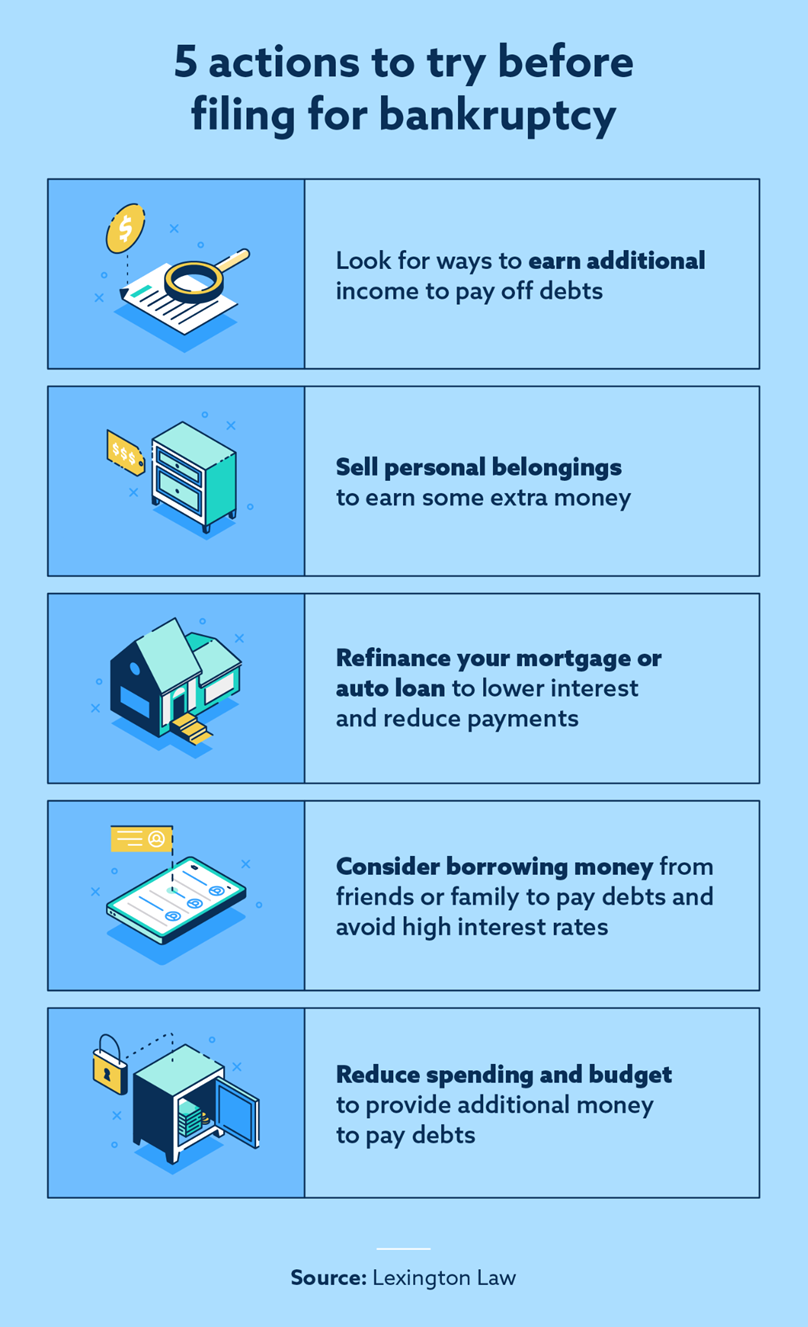
Understanding the Financial Landscape: When Debt Becomes Unmanageable
At its heart, filing for bankruptcy is a response to financial distress. It’s the point where the weight of debt, be it from credit cards, medical bills, mortgages, or business loans, becomes so heavy that repayment seems impossible through traditional means.
The Core Financial Reasons for Filing
- Inability to Meet Debt Obligations: The most straightforward reason is the sheer impossibility of paying your creditors. This isn’t about being slightly behind on payments; it’s about a systemic inability to cover even the minimums, with no realistic prospect of improvement in the foreseeable future.
- Overwhelming Debt Load: Accumulating multiple debts from various sources can create a snowball effect. High-interest credit cards, personal loans, student loan debt that has ballooned, or business debts that have outpaced revenue can quickly become unmanageable.
- Unexpected Financial Shocks: Life is unpredictable. Job loss, a serious illness or injury leading to significant medical bills, a divorce, or the failure of a business can plunge even financially responsible individuals and entities into deep debt.
- Foreclosure or Repossession Threat: Facing the loss of your home or essential assets like a car due to missed payments is a strong motivator to explore bankruptcy as a means to potentially protect these assets or at least manage the fallout.
Types of Bankruptcy and Their Financial Implications
Understanding the different chapters of bankruptcy is crucial as each has distinct financial implications:
Chapter 7: Liquidation for Individuals and Businesses
Often referred to as “liquidation” bankruptcy, Chapter 7 is typically for individuals or businesses with limited income and assets.
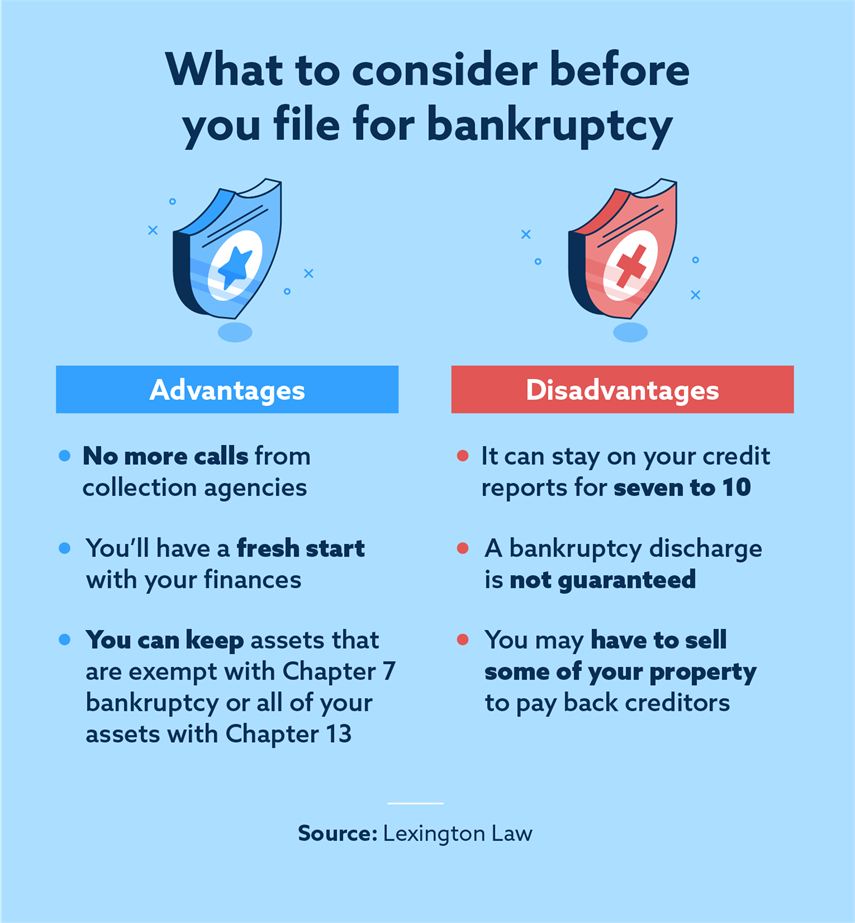
- The Process: A trustee is appointed to sell off non-exempt assets (assets protected by law) to repay creditors. Many essential personal belongings are usually exempt. For businesses, Chapter 7 generally means ceasing operations.
- Financial Outcome: The primary financial outcome is the discharge of most unsecured debts, such as credit card balances, medical bills, and personal loans. Secured debts (like mortgages and car loans) are usually handled by either surrendering the asset, reaffirming the debt, or selling the asset to pay off the secured loan.
- Who it’s for: Individuals whose income is below the median for their state or who pass a “means test” designed to assess their ability to repay debt. Businesses that are winding down operations.
Chapter 13: Reorganization for Individuals
Chapter 13 bankruptcy, often called “wage earner’s” or “reorganization” bankruptcy, is available to individuals with regular income who want to repay some or all of their debts over a period of three to five years.
- The Process: You propose a repayment plan to the court, outlining how much you can afford to pay each month and how that money will be distributed among your creditors.
- Financial Outcome: This chapter allows you to catch up on missed mortgage payments, car payments, or other secured debts, potentially preventing foreclosure or repossession. It also consolidates your debts into a single monthly payment. Unsecured debts may be partially or fully discharged at the end of the plan.
- Who it’s for: Individuals with a consistent income stream who have debts exceeding the limits for Chapter 13 but are not eligible for Chapter 7 or wish to keep certain assets.
Chapter 11: Reorganization for Businesses and High-Net-Worth Individuals
Chapter 11 is a more complex form of bankruptcy typically used by businesses to reorganize their debts and operations, but it can also be used by individuals with very large or complex financial situations.
- The Process: The debtor (often the business itself) proposes a plan of reorganization to its creditors and the court. The goal is to continue operating while restructuring debt, renegotiating contracts, and potentially shedding unprofitable divisions.
- Financial Outcome: A successful Chapter 11 plan allows the business to emerge from bankruptcy, often in a stronger financial position, with a clearer path to profitability. It involves significant negotiation with creditors and can lead to equity restructuring.
- Who it’s for: Businesses of all sizes, from small businesses to large corporations, seeking to stay in operation and restructure their finances. High-net-worth individuals facing complex financial challenges.
The Brand Impact: Rebuilding Trust and Reputation
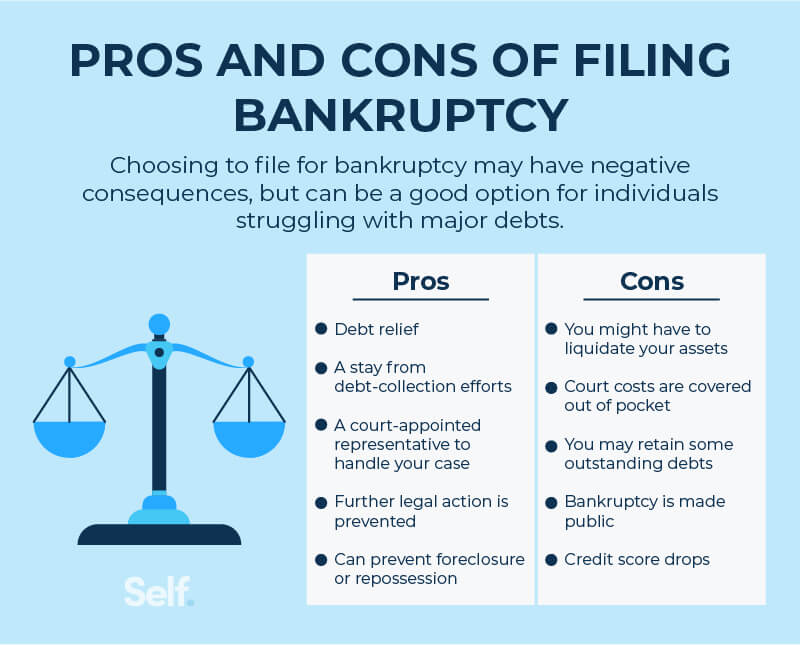
Filing for bankruptcy can significantly impact your personal or business brand. The perception of financial instability can lead to a loss of trust from customers, investors, employees, and even friends and family. However, bankruptcy is not an end to your brand; it’s an opportunity to re-evaluate, rebuild, and emerge stronger.
Navigating Personal Brand Challenges
For individuals, particularly entrepreneurs or those whose careers are closely tied to their personal reputation, bankruptcy can feel like a public declaration of failure.
- Perception vs. Reality: While some may view bankruptcy as a sign of poor financial management, others understand it as a necessary tool for recovery, especially after unforeseen circumstances. It’s crucial to frame your situation honestly and emphasize your commitment to financial responsibility moving forward.
- Disclosure and Transparency: Deciding whether and how to disclose your bankruptcy is a personal choice. In professional contexts, honesty, when appropriate and strategically timed, can foster understanding. For example, if seeking new employment, you might choose to address it proactively to dispel potential assumptions.
- Focusing on Strengths: Shift the narrative from past financial struggles to your resilience, lessons learned, and future aspirations. Highlight your skills, experience, and achievements that remain unaffected by your financial situation.
- Rebuilding Credit: Post-bankruptcy, the focus shifts to rebuilding credit. This involves responsible financial behavior, such as securing a secured credit card and making timely payments. This deliberate rebuilding process demonstrates renewed financial discipline and strengthens your personal financial brand.
Rebuilding Corporate and Business Identity
For businesses, bankruptcy can be a critical turning point. A well-managed bankruptcy and subsequent reorganization can actually enhance a company’s brand by demonstrating its commitment to survival and its ability to adapt.
- Communication Strategy: Transparent and consistent communication with stakeholders – customers, employees, suppliers, and investors – is paramount. A clear message about the reasons for bankruptcy and the plan for moving forward can mitigate negative perceptions.
- Operational Efficiency: Chapter 11, in particular, forces businesses to streamline operations, cut costs, and focus on their core competencies. This can lead to a more efficient and agile company, which can be a positive attribute for the brand.
- Renewed Commitment to Value: The post-bankruptcy business can often emerge with a renewed focus on delivering value to its customers. This can be communicated through updated marketing campaigns and a commitment to improved customer service.
- Case Studies and Learning: While not always immediately visible, successful business reorganizations through bankruptcy can become powerful case studies. They showcase resilience, strategic thinking, and the ability to overcome significant adversity, ultimately strengthening the brand’s narrative of perseverance.
Leveraging Technology: Tools for Financial Navigation and Recovery
In today’s digital age, technology offers a wealth of resources to help individuals and businesses navigate the complexities of financial distress and the bankruptcy process. From financial management tools to legal resources, technology can empower you to make informed decisions and regain control.
Tech for Financial Management and Planning
Before even considering bankruptcy, robust financial management is key. Post-bankruptcy, it becomes even more critical for rebuilding.
- Budgeting Apps and Software: Tools like Mint, YNAB (You Need A Budget), or PocketGuard can help you track income and expenses, create realistic budgets, and identify areas where spending can be reduced. These are invaluable for understanding your cash flow and for developing a viable repayment plan.
- Debt Management Calculators: Online calculators can help you understand the total cost of your debt, including interest, and project how long it will take to pay off different debt scenarios. This can provide clarity on the scale of the problem and the potential benefits of bankruptcy.
- Credit Monitoring Services: Services like Credit Karma or Experian provide free credit score monitoring and reports. Understanding your credit health is essential for both navigating bankruptcy and for rebuilding your credit afterward.
- Investment and Savings Platforms: Once you start rebuilding, platforms like Robinhood, Acorns, or traditional brokerage accounts can help you begin investing and saving again, fostering long-term financial growth.
Tech for Navigating the Legal Process
The legal aspects of bankruptcy can be intimidating, but technology can offer support and access to information.
- Online Legal Resources and Directories: Websites like the American Bankruptcy Institute (ABI) or FindLaw provide extensive information about bankruptcy laws, procedures, and frequently asked questions.
- Virtual Consultations with Legal Professionals: Many bankruptcy attorneys offer initial consultations via video conferencing, making it easier to find qualified legal counsel without the need for in-person meetings. This can be particularly helpful for those with limited mobility or in remote locations.
- Document Management Tools: Cloud-based storage solutions like Google Drive or Dropbox can help you organize and securely store all the documentation required for a bankruptcy filing, ensuring you have everything readily accessible.
- AI-Powered Legal Assistants (Emerging): While still nascent, AI tools are beginning to emerge that can assist with legal research, document drafting, and even providing basic legal guidance. As this technology matures, it could further democratize access to legal information and services.
Digital Security in a Vulnerable Time
When you’re facing financial hardship, your digital security becomes even more important.
- Password Management: Use strong, unique passwords for all your financial accounts and digital services. Password managers like LastPass or 1Password can help you generate and store these securely.
- Two-Factor Authentication (2FA): Enable 2FA on all your sensitive accounts to add an extra layer of security against unauthorized access.
- Phishing Awareness: Be extremely cautious of unsolicited emails, calls, or texts, especially those asking for personal financial information. Scammers often target individuals in vulnerable situations.
- Secure Internet Connections: Avoid conducting sensitive financial transactions on public Wi-Fi networks. Use a Virtual Private Network (VPN) for added security when browsing online.
In conclusion, filing for bankruptcy is a significant financial decision with far-reaching implications. By understanding the financial realities, proactively managing the impact on your brand, and leveraging the power of technology, you can approach this process with greater confidence and set yourself on a path toward a more stable and secure financial future. It’s not a sign of failure, but a strategic maneuver to regain control and rebuild.
aViewFromTheCave is a participant in the Amazon Services LLC Associates Program, an affiliate advertising program designed to provide a means for sites to earn advertising fees by advertising and linking to Amazon.com. Amazon, the Amazon logo, AmazonSupply, and the AmazonSupply logo are trademarks of Amazon.com, Inc. or its affiliates. As an Amazon Associate we earn affiliate commissions from qualifying purchases.