
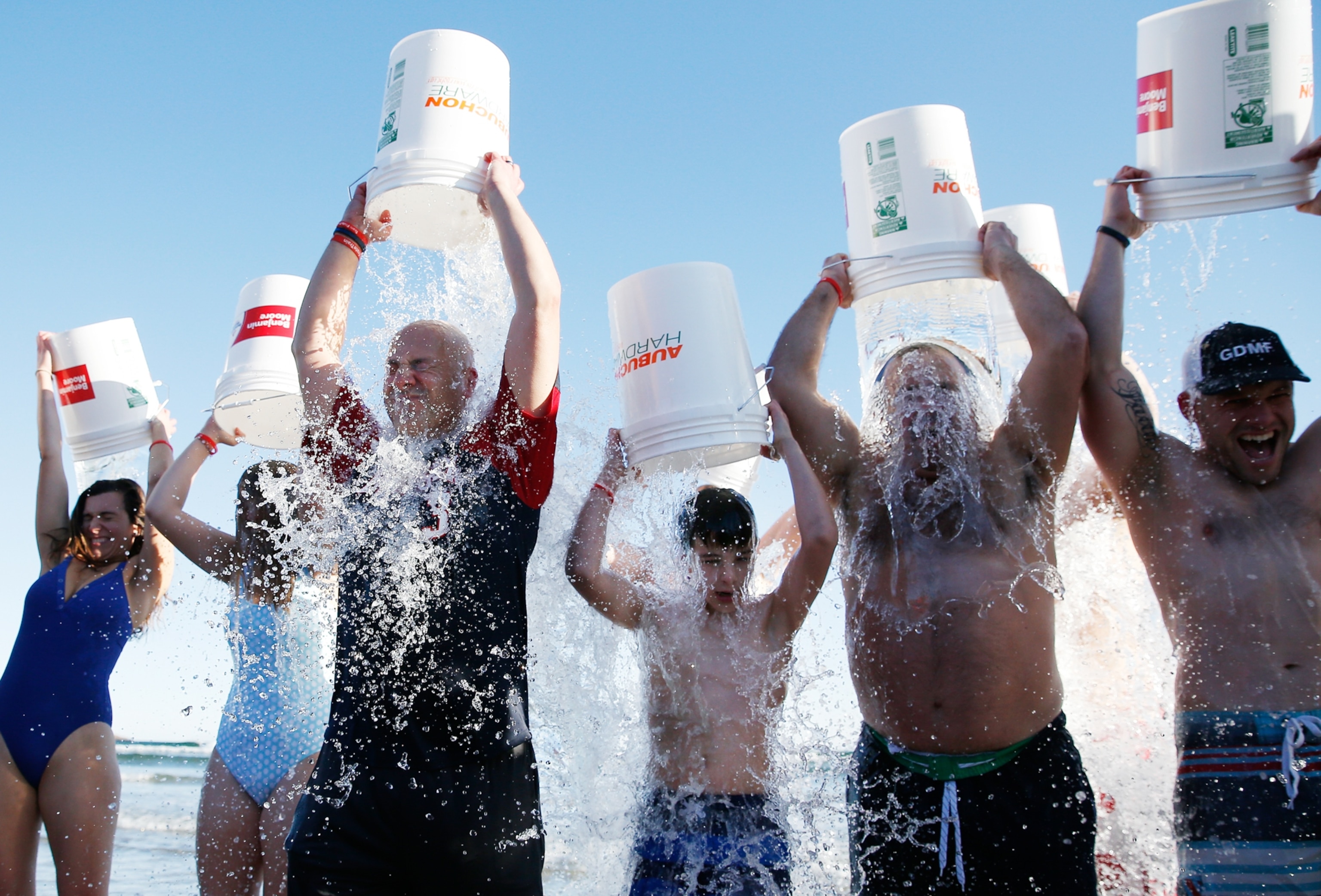
The Ice Bucket Challenge, which swept the globe in the summer of 2014, was more than just a fleeting internet trend; it was a masterclass in viral marketing, community engagement, and brand building for a cause. It raised over $115 million for the ALS Association in a mere eight weeks and profoundly elevated public awareness for Amyotrophic Lateral Sclerosis. For brands and marketers, the enduring question remains: what makes a campaign transcend the ordinary and achieve such extraordinary virality? As the digital landscape continues to evolve, identifying “the new Ice Bucket Challenge” isn’t about pinpointing a single, identical phenomenon, but rather understanding the underlying principles and emergent strategies that drive widespread engagement and create indelible impact in today’s dynamic environment.
The Anatomy of a Viral Phenomenon: Lessons from the Original
To anticipate the next wave of viral marketing success, it’s crucial to dissect the elements that propelled the original Ice Bucket Challenge into the cultural lexicon. Its genius lay in its elegant simplicity and robust psychological underpinnings.
Simplicity and Accessibility
The challenge was remarkably easy to understand and execute. The core action—dumping a bucket of ice water over one’s head—required minimal resources or specialized skills. This low barrier to entry was critical; anyone with a bucket, some ice, and a smartphone could participate. For brands, this translates to creating campaigns that are intuitive, easy to replicate, and require little friction for user participation. Complex instructions or demanding creative tasks often stifle virality before it can even begin.
Social Proof and Peer Pressure
Perhaps the most potent driver of the Ice Bucket Challenge was its inherent social mechanism: nomination. Participants were challenged by friends, colleagues, and even celebrities, creating a powerful sense of social obligation and urgency. The act of participation became a public declaration, visible across social media feeds, encouraging others to join in to avoid feeling left out or to demonstrate their support. This leveraged the power of social proof, where individuals are more likely to engage if they see their peers doing so. Modern brands must understand how to create peer-to-peer amplification mechanisms, whether through direct challenges, shared templates, or collaborative content creation, that tap into established social networks.
Emotional Resonance and Impact
While playful and often humorous, the Ice Bucket Challenge carried a serious underlying message: raising awareness and funds for ALS. The contrast between the fun activity and the serious cause created a compelling narrative. Participants felt they were contributing to something meaningful, lending purpose to their playful acts. Successful viral campaigns, especially those driven by brands, often carry an emotional hook – whether it’s inspiration, empathy, humor, or a sense of collective purpose. This emotional connection transforms passive viewing into active participation and advocacy, turning consumers into brand ambassadors for a cause or product.
The Evolving Landscape of Digital Virality
The digital ecosystem of 2024 is significantly different from 2014. While core human psychology remains constant, the platforms, tools, and content formats have evolved, demanding new approaches to fostering virality.
Beyond the Traditional Challenge: Gamification and Interactive Experiences
Today’s digital natives crave interaction and personalization. The “new” viral phenomenon often integrates elements of gamification, allowing users to actively engage with content rather than just consume it. This could involve filters that transform a user’s appearance, interactive quizzes that generate shareable results, or augmented reality (AR) experiences that blend the digital with the physical world. TikTok’s ubiquitous dance challenges, Duets, and Stitch features exemplify this, turning passive viewers into active creators who contribute to a larger, evolving narrative. Brands looking for their next viral moment should explore how they can create interactive digital experiences that invite co-creation and personal expression.

The Rise of Niche Communities and Micro-Influencers
While celebrity endorsements still hold sway, the power of micro and nano-influencers within highly engaged niche communities has grown exponentially. These individuals might have smaller followings, but their audiences are often more dedicated and trusting, leading to higher engagement rates and more authentic advocacy. A viral campaign today doesn’t necessarily need to reach every single person; sometimes, deep penetration within a specific, passionate community can lead to more impactful, sustained virality than broad, superficial exposure. Brands should focus on identifying and collaborating with authentic voices within relevant communities, empowering them to initiate conversations and spread messages organically. This taps into established trust networks, making the brand’s message feel less like an advertisement and more like a genuine recommendation.
Authentic Storytelling and Value Alignment
Consumers are increasingly discerning and value-driven. They seek authenticity and transparency from the brands they support. The “new Ice Bucket Challenge” isn’t merely about a clever gimmick; it’s about a campaign that genuinely reflects a brand’s values, resonates with its audience’s beliefs, and contributes positively to the world. This necessitates moving beyond superficial marketing tactics to deep, authentic storytelling that connects with people on a human level. Whether advocating for sustainability, social justice, or community empowerment, brands that articulate a clear purpose and align their actions with their messaging are more likely to inspire passionate participation and loyalty. This isn’t just about “cause marketing” but about integrating purpose into the brand’s core identity, making the audience feel part of a larger mission.
Crafting Your Brand’s Next Viral Moment
While there’s no guaranteed formula for virality, brands can strategically position themselves to increase their chances of sparking a widespread phenomenon. It requires a blend of creativity, strategic planning, and an understanding of human behavior in digital spaces.
Define Your Core Message and Call to Action
Before embarking on any campaign, clarity is paramount. What is the single, compelling message you want to convey? What specific action do you want your audience to take? Just as the Ice Bucket Challenge had a clear ask (dump ice water, nominate others, donate to ALS), your campaign needs an unambiguous directive. Whether it’s to share a specific piece of content, use a particular hashtag, create user-generated content, or participate in a cause, the call to action must be simple, memorable, and easy to execute. This clarity reduces friction and guides users through the participation process, maximizing conversion from viewer to participant.
Empower User-Generated Content (UGC)
The very essence of the Ice Bucket Challenge was its reliance on UGC. Participants created and shared their own videos, effectively becoming content creators and distributors for the cause. For brands, fostering an environment where users feel empowered and excited to create content for you is invaluable. This means providing templates, tools, prompts, or challenges that inspire creativity and allow for personal expression while staying true to your brand’s message. Campaigns that invite users to share their stories, display their talents, or simply have fun with brand-related content often outperform traditional advertising in terms of engagement and authenticity. UGC acts as organic social proof, far more credible than brand-produced content alone.
Embrace Experimentation and Adaptability
The digital landscape is a constant flux of trends, platforms, and user behaviors. What works today might be passé tomorrow. Brands must cultivate a culture of experimentation, launching smaller initiatives, testing different approaches, and closely monitoring engagement metrics. The Ice Bucket Challenge itself evolved; it started informally before gaining structure and widespread adoption. Being agile enough to adapt a campaign based on early feedback and emerging trends is crucial. This involves actively listening to your audience, understanding what resonates, and being willing to pivot or amplify successful elements rather than rigidly sticking to a pre-defined plan. Innovation is iterative, and often, viral success is a result of refined experimentation.

Measuring Impact: More Than Just Impressions
For brands, the “new Ice Bucket Challenge” isn’t solely about impressions or fleeting fame; it’s about measurable impact that aligns with broader business or brand objectives. While reach is important, deeper metrics are more indicative of true virality and brand health.
Beyond vanity metrics, focus on engagement rates, user-generated content volume, sentiment analysis, and the actual conversion rates related to your call to action (e.g., website visits, sign-ups, donations, purchases). Analyze not just who is participating but how they are participating and what they are saying about your brand or cause. The ultimate success lies in translating viral visibility into sustained brand loyalty, advocacy, and tangible outcomes. The Ice Bucket Challenge didn’t just go viral; it drove significant donations and research funding. A truly successful “new Ice Bucket Challenge” for a brand will similarly translate buzz into bottom-line results, cementing its place not just as a fleeting trend, but as a strategically powerful, impactful campaign.
aViewFromTheCave is a participant in the Amazon Services LLC Associates Program, an affiliate advertising program designed to provide a means for sites to earn advertising fees by advertising and linking to Amazon.com. Amazon, the Amazon logo, AmazonSupply, and the AmazonSupply logo are trademarks of Amazon.com, Inc. or its affiliates. As an Amazon Associate we earn affiliate commissions from qualifying purchases.