
Understanding the monthly premium for health insurance is a fundamental aspect of personal financial planning and a critical decision for millions of individuals and families. A health insurance premium is the regular payment, typically made monthly, to an insurance company or health plan in exchange for coverage. This payment is your entry ticket to accessing medical services, prescription drugs, and preventative care without bearing the full cost out-of-pocket each time. The exact amount you pay can vary dramatically, influenced by a complex interplay of personal factors, plan choices, and market dynamics. Delving into these variables is key to demystifying this essential financial commitment.

Decoding Health Insurance Premiums
The concept of a health insurance premium is straightforward: it’s the price you pay for coverage. However, the calculation behind that price is multifaceted. Insurers determine premiums based on a risk assessment, aiming to cover the expected medical costs of their insured pool while also making a profit. For the consumer, the premium represents a fixed, recurring expense that must be budgeted for, much like a mortgage or car payment. It’s the cost of entry, distinct from other out-of-pocket expenses such as deductibles, copayments, and coinsurance, which come into play when you actually use medical services.
The primary goal of paying a premium is to gain financial protection against the often unpredictable and substantial costs of healthcare. Without it, even minor medical emergencies or chronic conditions could lead to severe financial distress. Therefore, choosing a health insurance plan isn’t just about the lowest premium; it’s about finding the right balance between monthly cost and the level of financial protection and access to care it affords.
Core Components of Premium Calculation
Several key factors contribute to how insurance companies set their premiums. While the specific algorithms are proprietary, common elements are universally applied:
-
Anticipated Healthcare Utilization: Insurers project the likely medical costs for their enrollees. This includes everything from routine check-ups and preventative screenings to emergency surgeries and long-term treatments.
-
Administrative Costs: Running an insurance company involves significant operational expenses, including claims processing, customer service, marketing, and regulatory compliance. These costs are factored into premiums.
-
Profit Margins: Like any business, insurance companies aim to generate a profit, which is also built into the premium structure.
-
Risk Pooling: Premiums are structured so that healthy individuals help subsidize the costs of those who need more medical care. This spreading of risk across a large group allows for more affordable coverage for everyone than if each person paid for their own care directly.
Key Determinants of Your Monthly Premium
Several personal and structural factors directly influence the monthly premium you will pay for health insurance. Understanding these can empower consumers to make more informed decisions and potentially find ways to manage their costs.
Age and Location
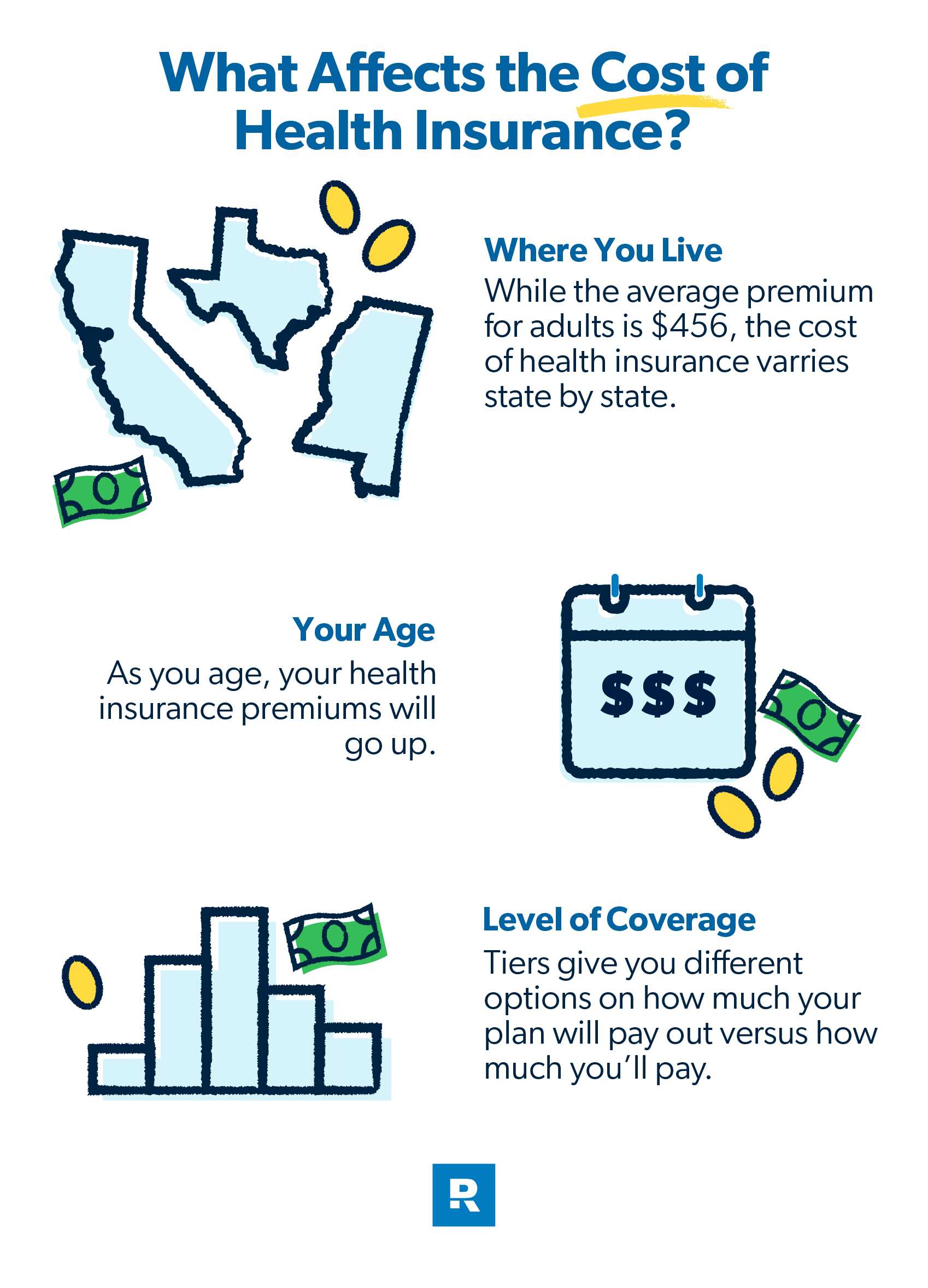
These are two of the most significant demographic factors. Generally, older individuals face higher premiums because they statistically require more medical care. The Affordable Care Act (ACA) limits how much more older adults can be charged compared to younger adults, typically capping it at a 3:1 ratio. Location also plays a crucial role. Healthcare costs vary widely by state, county, and even zip code due to differences in local medical costs, competition among providers, and state regulations. Premiums in areas with higher healthcare costs or fewer competing insurers tend to be higher.
Plan Type and Metal Tiers
The type of plan you choose (e.g., Health Maintenance Organization (HMO), Preferred Provider Organization (PPO), Exclusive Provider Organization (EPO), Point of Service (POS)) and its “metal tier” heavily dictate the premium. Plans with broader networks and more flexibility (like PPOs) often have higher premiums than more restrictive plans (like HMOs).
The ACA marketplace categorizes plans into “metal tiers” based on how costs are split between the insurer and the enrollee:
-
Bronze plans: Typically have the lowest monthly premiums but the highest out-of-pocket costs when you receive care (high deductibles, copayments, coinsurance). They generally cover about 60% of your healthcare costs, with you paying 40%.
-
Silver plans: Offer moderate monthly premiums and moderate out-of-pocket costs. They cover about 70% of costs, with you paying 30%. Critically, Silver plans are the only tier eligible for Cost-Sharing Reductions (CSRs) for those who qualify based on income.
-
Gold plans: Have higher monthly premiums but lower out-of-pocket costs when you receive care, covering about 80% of costs, with you paying 20%.
-
Platinum plans: Feature the highest monthly premiums but the lowest out-of-pocket costs, covering about 90% of costs, with you paying 10%.
Choosing a tier depends on your anticipated healthcare needs. If you expect frequent medical visits or have chronic conditions, a Gold or Platinum plan with higher premiums but lower out-of-pocket costs might be more cost-effective overall. If you rarely visit the doctor, a Bronze or Silver plan might save you money on monthly premiums.
Tobacco Use
In many states, insurers can charge tobacco users up to 50% more for premiums. This surcharge is a direct reflection of the increased health risks associated with tobacco use, which translates into higher anticipated medical costs.
Family Size
Adding dependents to your plan increases the total premium. The cost typically scales with the number of adults and children covered, although there can be caps on how many children are included in the premium calculation (e.g., only the first three children).
Navigating the Health Insurance Marketplace for Premiums
For many, determining the right health insurance plan and its premium involves navigating complex marketplaces.
Individual vs. Employer-Sponsored Plans

If you’re employed, your employer might offer group health insurance. These plans often have lower premiums because the employer typically subsidizes a significant portion of the cost, and the large group pool helps spread risk. If employer-sponsored coverage isn’t available or suitable, you’ll look for individual plans through state or federal marketplaces (healthcare.gov) or directly from private insurers. Premiums for individual plans can be higher, but significant government subsidies are often available.
Government Subsidies and Tax Credits
One of the most impactful factors for individual premiums, particularly for those with lower to moderate incomes, is the availability of financial assistance through the ACA.
-
Advance Premium Tax Credits (APTC): These credits reduce your monthly premium payment directly. Eligibility is based on household income relative to the federal poverty level (FPL) and the cost of the benchmark Silver plan in your area. For many, these tax credits can substantially lower, or even eliminate, their monthly premium obligations.
-
Cost-Sharing Reductions (CSRs): These are only available with Silver plans and reduce the amount you pay out-of-pocket for deductibles, copayments, and coinsurance. While not directly lowering your premium, they make a Silver plan’s total cost of care more affordable, making the often slightly higher Silver premium a worthwhile investment for qualified individuals.
It is crucial to accurately report your income when applying for marketplace plans to ensure you receive the maximum eligible subsidy.
Open Enrollment and Special Enrollment Periods
Health insurance plans typically have an annual open enrollment period, usually in the fall, during which you can enroll in a new plan or change your existing one. Outside of this period, you can only enroll during a Special Enrollment Period (SEP) triggered by qualifying life events such as marriage, birth of a child, loss of other coverage, or moving to a new area. Missing open enrollment or failing to act during an SEP could leave you uninsured or unable to change plans, impacting your ability to manage premiums effectively.
Strategies for Managing and Reducing Premium Costs
Even with varying factors, consumers have avenues to manage and potentially reduce their health insurance premiums.
Comparing Plans Carefully
Never settle for the first quote. Use the marketplace websites or a licensed insurance broker to compare multiple plans side-by-side. Look beyond just the premium; consider the deductible, copayments, coinsurance, and out-of-pocket maximum. A plan with a slightly higher premium but significantly lower out-of-pocket costs might save you money in the long run if you expect to use medical services frequently. Conversely, a high-deductible plan with a low premium might be ideal for those with minimal health needs.
Leveraging High-Deductible Health Plans (HDHPs) with HSAs
High-Deductible Health Plans (HDHPs) generally have lower monthly premiums. If coupled with a Health Savings Account (HSA), they can be a powerful financial tool. HSAs allow you to save money tax-free for qualified medical expenses, grow tax-free, and be withdrawn tax-free for medical costs. This triple tax advantage can offset the higher deductible, making HDHPs a financially smart choice for many, especially those who can afford to cover the deductible if needed.
Utilizing Wellness Programs
Some employers or insurers offer wellness programs that provide incentives for healthy behaviors, such as gym memberships, smoking cessation programs, or completing health risk assessments. Participating in these programs can sometimes lead to premium discounts or other financial rewards.
Reviewing and Adjusting Coverage Annually
Your healthcare needs and financial situation can change. During each open enrollment period, re-evaluate your current plan. Does it still meet your needs? Are there new plans on the market with better premiums or benefits? Don’t auto-renew without checking. Your income might have changed, affecting your subsidy eligibility, or new family members might need coverage.
The Long-Term Financial Impact of Health Insurance
While the monthly premium is a direct and visible cost, the long-term financial benefits of health insurance far outweigh the expense for most individuals.
Protecting Against Catastrophic Costs
The primary value of health insurance is its ability to protect you from financially devastating medical bills. A serious accident, a sudden illness, or a chronic condition can quickly lead to hundreds of thousands of dollars in medical expenses. Without insurance, these costs could lead to bankruptcy. The monthly premium acts as a small, predictable payment to avert a potentially enormous, unpredictable financial burden.
Budgeting for Healthcare Expenses
Having health insurance allows for better financial forecasting. Your premium is a known expense, and with a clear understanding of your deductible, copayments, and out-of-pocket maximum, you can better budget for potential healthcare costs throughout the year. This predictability is invaluable for personal financial stability.
In conclusion, the monthly premium for health insurance is a critical element of personal finance, requiring careful consideration and strategic planning. By understanding the factors that influence these costs, exploring available subsidies, and diligently comparing plans, individuals and families can secure essential healthcare coverage without undue financial strain, ensuring both their health and financial well-being.
aViewFromTheCave is a participant in the Amazon Services LLC Associates Program, an affiliate advertising program designed to provide a means for sites to earn advertising fees by advertising and linking to Amazon.com. Amazon, the Amazon logo, AmazonSupply, and the AmazonSupply logo are trademarks of Amazon.com, Inc. or its affiliates. As an Amazon Associate we earn affiliate commissions from qualifying purchases.