
The quest for the “least expensive insurance” is a common pursuit for individuals and families striving to manage their personal finances effectively. In an ideal world, we would all find robust coverage at minimal cost. However, the reality of insurance is complex, deeply intertwined with risk assessment, individual circumstances, and the specific type of protection sought. There isn’t a single, universally “least expensive” insurance policy, as affordability is always relative to the value of the coverage provided and the financial implications of not having it. Instead, the focus should be on identifying the most cost-effective solution that adequately meets one’s specific needs, thereby minimizing financial exposure without overspending.
Deconstructing Insurance Costs: Beyond the Sticker Price
Understanding what drives insurance premiums is the first step toward finding genuinely affordable coverage. It’s not just about the monthly payment; it’s about the perceived risk you present to an insurer and the scope of protection you receive.
The Core Function of Insurance
At its heart, insurance is a financial safety net designed to protect individuals and entities from significant financial losses due to unforeseen events. Policyholders pay regular premiums into a collective pool, which is then used to compensate those who experience covered losses. The “cost” of insurance, therefore, reflects the insurer’s calculation of your likelihood of filing a claim and the potential payout if you do.
Factors Influencing Premiums
A multitude of factors contributes to how insurers price their policies. These vary significantly depending on the type of insurance, but some universal principles apply:
- Risk Profile: This is perhaps the most significant determinant. For auto insurance, factors like driving history, age, vehicle type, and location heavily influence rates. For health insurance, age, health status, and lifestyle choices play a role. Home insurance considers location, construction, security features, and claims history. Generally, higher perceived risk translates to higher premiums.
- Coverage Limits and Deductibles: Higher coverage limits (the maximum amount an insurer will pay out) naturally lead to higher premiums. Conversely, choosing a higher deductible (the amount you pay out-of-pocket before your insurance kicks in) often results in lower premiums, as you are taking on more initial risk.
- Policy Add-ons and Endorsements: Basic policies cover core risks. Adding extra protections, like roadside assistance for auto, flood insurance for home, or vision/dental for health, will increase the overall cost.
- Demographic Data: Age, gender (where permitted), marital status, and credit score (in many states) are often used as actuarial predictors of risk.
- Market Competition and Regulatory Environment: The competitive landscape among insurers in a given area, along with state-specific regulations, can also impact pricing. Some states have stricter rules on what insurers can charge or what they must cover.
The Myth of “One-Size-Fits-All” Cheap Insurance
The idea that there’s a single “cheapest” insurance product everyone should buy is a misconception. What’s inexpensive for one person could be grossly inadequate or even overpriced for another. For instance, a basic liability-only auto policy might be “cheap” in terms of premiums, but if you total a new car and have no collision coverage, the long-term financial loss would be immense. Similarly, a high-deductible health plan might have low premiums but could lead to significant out-of-pocket expenses if a serious illness strikes. True affordability lies in finding the optimal balance between premium cost and appropriate coverage for your specific financial situation and risk tolerance.
Strategies for Reducing Your Insurance Premiums
While you can’t control all the factors that determine your insurance rates, several proactive strategies can help you secure the most cost-effective coverage without sacrificing essential protection.
Optimize Your Deductibles
As mentioned, choosing a higher deductible can significantly lower your monthly or annual premiums. This strategy is most effective if you have an emergency fund sufficient to cover the higher out-of-pocket amount should you need to file a claim. For example, increasing your auto deductible from $500 to $1,000 might save you hundreds annually. The key is to ensure the deductible amount is manageable for your budget.
Bundle Policies for Discounts
Many insurance companies offer discounts when you purchase multiple policies from them. This is often referred to as a “multi-policy” or “bundling” discount. Combining your auto and home insurance, or adding an umbrella policy, can lead to substantial savings across all your coverage. Insurers prefer clients who consolidate their business, and they reward this loyalty with lower rates.
Leverage Discounts and Loyalty Programs
Insurers offer a wide array of discounts that often go unclaimed because policyholders are unaware of them. Always ask your agent or check the insurer’s website for potential savings. Common discounts include:
- Good Driver/Accident-Free Discounts: For those with clean driving records.
- Good Student Discounts: For young drivers who maintain good grades.
- Safe Vehicle Discounts: For cars with anti-theft devices, airbags, or other safety features.
- Home Security Discounts: For homes with alarm systems, smoke detectors, or deadbolts.
- Payment Discounts: For paying annually, setting up automatic payments, or opting for paperless billing.
- Loyalty Discounts: For long-term customers.
- Professional/Affiliation Discounts: Sometimes offered through employers, alumni associations, or professional organizations.
Improve Your Risk Profile
Taking steps to reduce the risk you present can lead to lower premiums.
- For Auto Insurance: Drive safely to avoid accidents and tickets, choose a vehicle with good safety ratings, and consider telematics programs that monitor your driving habits.
- For Home Insurance: Maintain your property, install security systems, update electrical or plumbing systems, and mitigate potential hazards.
- For Health Insurance: Maintaining a healthy lifestyle (non-smoker, healthy weight) can sometimes lead to lower premiums or better access to plans.
Review and Re-evaluate Regularly
Insurance needs and market rates are not static. It’s crucial to review your policies at least annually or whenever significant life changes occur (e.g., marriage, new home, new car, children). Your current insurer might have new discounts, or a competitor might offer a better rate. Don’t simply renew without comparison shopping.
Identifying the “Cheapest” Insurance by Type
The concept of “least expensive” varies dramatically across different types of insurance, as the risks and coverage structures are unique.
Auto Insurance: Driving Down Costs
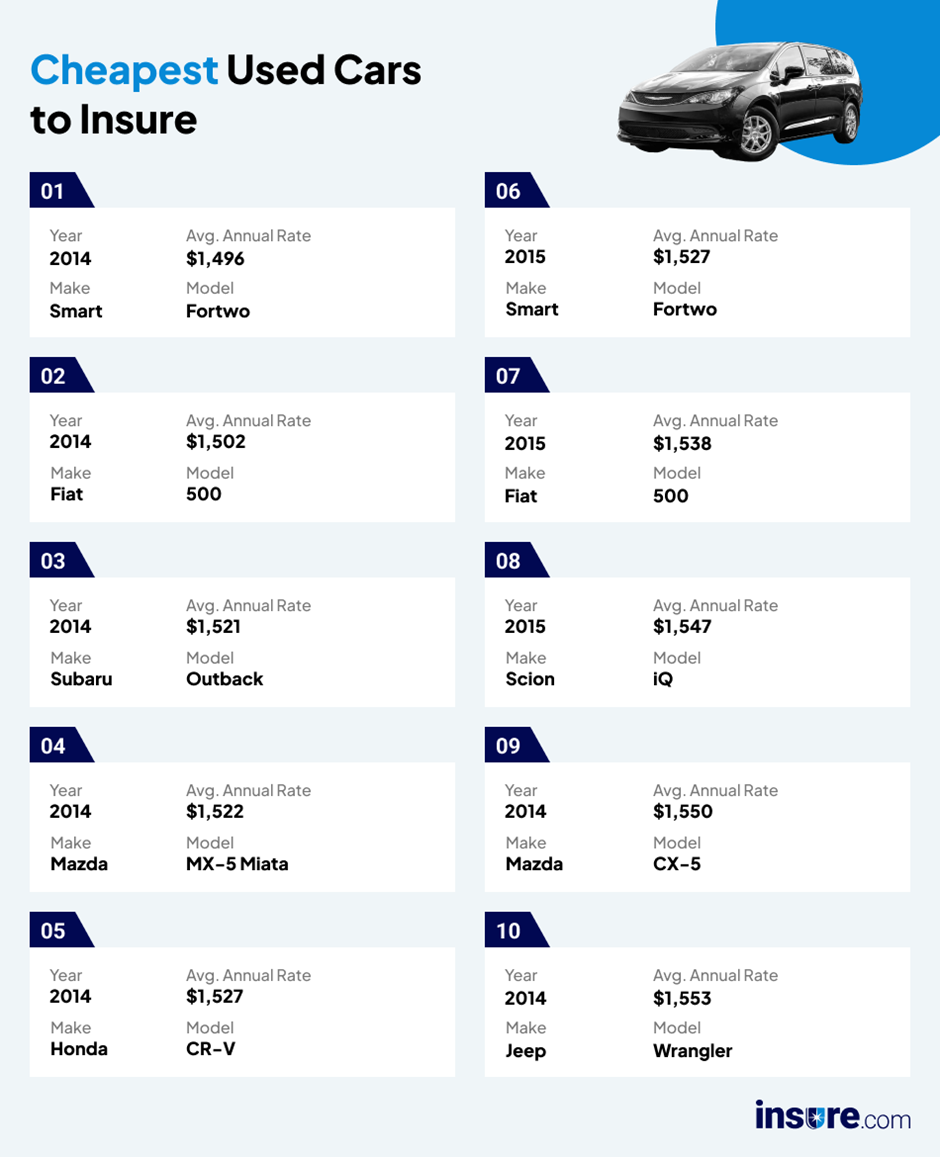
For auto insurance, the “cheapest” often refers to a basic liability-only policy, which covers damages you cause to others but not your own vehicle. While this has the lowest premium, it leaves you exposed if your car is stolen, vandalized, or damaged in an accident you cause. To find cost-effective auto insurance without sacrificing too much protection, consider:
- Increasing deductibles on collision and comprehensive coverage.
- Dropping collision/comprehensive on older vehicles where the repair cost might exceed the car’s value.
- Taking defensive driving courses.
- Maintaining a good credit score.
- Comparing quotes from at least three to five different insurers.
Homeowners/Renters Insurance: Protecting Your Dwelling Affordably
Renters insurance is typically the least expensive form of home-related coverage, protecting your personal belongings and offering liability coverage for a few dollars a month. Homeowners insurance is more costly due to covering the dwelling itself, personal property, and liability. To minimize homeowners insurance costs:
- Choose a higher deductible.
- Implement home security features (alarms, smart home devices).
- Maintain a good credit history.
- Bundle with auto insurance.
- Shop around, especially if you live in an area prone to specific risks (e.g., hurricanes, wildfires) where specialized insurers might offer better rates.
Health Insurance: Navigating Affordability Options
“Least expensive” in health insurance often means plans with higher deductibles and out-of-pocket maximums, such as high-deductible health plans (HDHPs), often coupled with a Health Savings Account (HSA). These plans have lower monthly premiums but require you to pay more for medical services until your deductible is met. They are suitable for healthy individuals who can afford the deductible if a major medical event occurs. Other options for lower costs include:
- Medicaid/CHIP: Government programs for low-income individuals and families.
- Subsidized plans on the ACA marketplace: Income-based tax credits can significantly reduce premiums.
- Catastrophic plans: Available to individuals under 30 or those with hardship exemptions, these offer minimal coverage primarily for major emergencies.
Life Insurance: Term vs. Whole Life for Budget-Conscious Planning
Term life insurance is universally the “least expensive” form of life insurance. It provides coverage for a specific period (term) and only pays a death benefit if the insured dies within that term. It has no cash value component, making its premiums significantly lower than whole life or other permanent life insurance policies. For most families looking for maximum coverage at the lowest cost, term life insurance is the go-to option, especially for covering needs like mortgage payments, childcare, or income replacement during working years.
Other Niche Insurances: Travel, Pet, and More
For niche insurances, the “least expensive” typically corresponds to basic coverage with limited benefits or higher deductibles. For example, basic travel insurance might only cover medical emergencies and trip cancellation, while comprehensive plans cover a wider range of issues. Pet insurance can be very expensive, so opting for accident-only plans or higher deductibles can lower premiums. Always assess if the potential financial loss warrants the cost of the premium for these specialized coverages.
The Peril of Underinsurance: When Cheap Becomes Costly
While the pursuit of the least expensive insurance is financially prudent, there’s a critical caveat: never compromise on adequate coverage to the point of underinsurance. Underinsurance occurs when your policy limits are insufficient to cover the actual costs of a loss, leaving you with significant out-of-pocket expenses.
Understanding Your True Needs
Before focusing solely on price, conduct a thorough assessment of your financial vulnerabilities. What would be the financial impact of a major car accident, a house fire, a serious illness, or the premature death of a primary earner? Overlooking these potential costs in favor of a marginally lower premium can lead to catastrophic financial hardship. For instance, if your homeowners insurance only covers 80% of your home’s rebuilding cost, you’ll bear the remaining 20% plus potential penalties in a claim.
The Long-Term Financial Impact
The short-term savings from buying the absolute cheapest, most minimal insurance can be dwarfed by the long-term financial devastation of an uncovered or under-covered event. The purpose of insurance is to transfer significant risks, and if you transfer too little, you retain too much. This can lead to bankruptcy, crippling debt, or the inability to recover financially after a major loss.
Balancing Cost and Comprehensive Protection
The goal is not to find the cheapest premium but the cheapest adequate coverage. This means purchasing enough insurance to truly protect your assets and income, while still actively seeking ways to reduce those premiums through discounts, deductibles, and comparison shopping. It’s about value for money, not just the lowest number on the bill.
Actionable Steps to Finding Affordable Coverage
Equipped with a better understanding of insurance costs and risks, you can now take concrete steps to secure the most affordable coverage tailored to your situation.
Comparison Shopping is Key
This cannot be overstated. Never settle for the first quote you receive. Obtain quotes from at least three to five different insurance providers for the same level of coverage. Online comparison tools are a good starting point, but always verify quotes directly with the insurers or agents, as online aggregators may not always have the most up-to-date information or capture all potential discounts.
Consult Independent Agents
Independent insurance agents work with multiple insurance companies, allowing them to compare policies and prices on your behalf. They can often uncover discounts or specialized policies you might not find on your own and provide expert advice on coverage levels. They act as your advocate, helping you navigate the complexities of different offerings.
Understand Policy Terms and Exclusions
Before committing to any policy, read the fine print. Understand exactly what is covered, what is excluded, and under what conditions. A seemingly “cheap” policy might have critical exclusions that leave you vulnerable to risks you thought you were covering. Ensure the policy meets your specific needs and that you are comfortable with the terms. Ask questions about anything you don’t understand to avoid surprises later.
By adopting a strategic approach to insurance—understanding costs, leveraging discounts, regularly reviewing policies, and prioritizing adequate coverage over merely the lowest premium—you can effectively manage your personal finances and secure peace of mind without overspending. The “least expensive insurance” is ultimately the one that provides the best value and protection for your unique life circumstances.
aViewFromTheCave is a participant in the Amazon Services LLC Associates Program, an affiliate advertising program designed to provide a means for sites to earn advertising fees by advertising and linking to Amazon.com. Amazon, the Amazon logo, AmazonSupply, and the AmazonSupply logo are trademarks of Amazon.com, Inc. or its affiliates. As an Amazon Associate we earn affiliate commissions from qualifying purchases.