
The dream of building your own company, being your own boss, and shaping your financial destiny is a powerful one. It promises not just independence but also the potential for significant wealth creation and personal fulfillment. However, the path from idea to established enterprise is paved with critical financial decisions, strategic investments, and rigorous fiscal management. This guide will delve exclusively into the monetary aspects of launching and scaling a business, providing a comprehensive framework for entrepreneurs focused on financial prudence and growth.
Starting a company is not merely about having a great idea; it’s about translating that idea into a viable, profitable entity. From securing initial capital to navigating tax implications and planning for sustainable growth, every step has a financial dimension that demands careful consideration. By prioritizing financial strategy from day one, aspiring business owners can dramatically increase their chances of success and build a resilient foundation for their ventures.
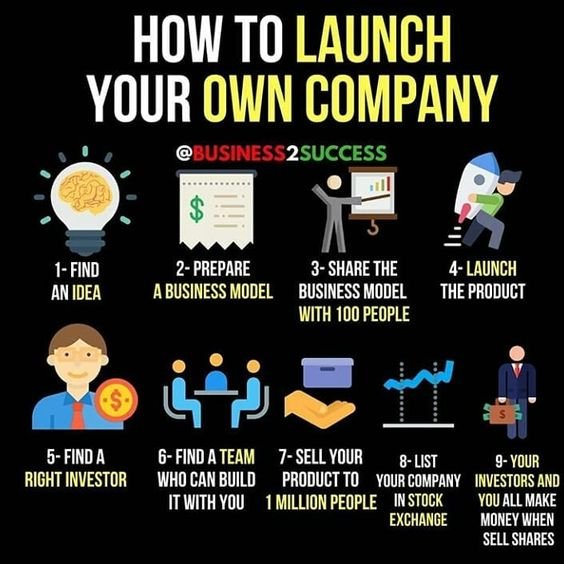
Laying the Financial Foundation for Your Venture
Before a single product is sold or a service rendered, the financial groundwork must be meticulously laid. This initial phase is about understanding your personal financial landscape, identifying sources of capital, and clearly defining how your business will generate revenue.
Assessing Your Personal Financial Readiness
Entrepreneurship often requires personal sacrifice, especially in its early stages. A critical first step is to honestly assess your personal financial situation. Do you have an adequate emergency fund to cover personal living expenses for at least 6-12 months? This buffer is crucial as your nascent company might not generate immediate income. Evaluate your personal burn rate—how much money you need to sustain your lifestyle monthly. Minimizing personal debt before taking the entrepreneurial leap can significantly reduce financial stress and free up mental bandwidth to focus on your business. Understanding your personal risk tolerance for financial uncertainty is also paramount, as starting a company inevitably involves a degree of financial volatility.
Initial Capital: Bootstrapping vs. External Funding
Securing initial capital is often the first major financial hurdle. There are generally two paths: bootstrapping or seeking external funding.
- Bootstrapping: This involves self-funding your company using personal savings, credit, or revenue generated from early sales. Many successful companies started this way. It enforces financial discipline, keeps ownership diluted, and prioritizes profitability. Side hustles can serve as excellent bootstrapping mechanisms, generating seed money or validating a business idea with minimal upfront investment before a full-time commitment. Online income streams, such as freelance work, e-commerce, or content creation, can provide essential capital and proof of concept.
- External Funding: If bootstrapping isn’t feasible or sufficient, external options include:
- Friends and Family: Often the first external investors, they provide patient capital but require clear agreements to avoid personal strain.
- Micro-loans and Grants: These are typically for smaller amounts, often from non-profit organizations or government programs, sometimes with specific eligibility criteria.
- Angel Investors: High-net-worth individuals who invest their own money, often for equity. They usually bring valuable experience and connections.
- Venture Capital (VC): Funds that invest in high-growth potential startups in exchange for significant equity. VCs typically seek large returns and are less common for very early-stage businesses.
Each funding source has distinct financial implications concerning equity, debt repayment, control, and future obligations. Choosing the right one depends on your business model, growth potential, and personal preference for ownership retention versus accelerated growth.
Defining Your Business Model and Revenue Streams
A company cannot survive without a clear path to profitability. This involves meticulously defining your business model – how your company creates, delivers, and captures value – and identifying your primary revenue streams. How will you make money? Is it through direct sales of products, subscription services, advertising, licensing, consulting fees, or a combination? Developing a clear pricing strategy is crucial, one that covers your costs, aligns with market value, and allows for a healthy profit margin. Market validation through surveys, pilot programs, or small-scale launches is essential to ensure that customers are willing to pay for your offering at your proposed price points. A robust financial model outlining projected revenues and costs will be a cornerstone of your business plan and essential for attracting investors or securing loans.
Mastering Business Finance from Day One
Once the foundational capital is in place and the revenue model is defined, the focus shifts to the day-to-day management of your company’s finances. This involves meticulous budgeting, understanding legal and tax implications, and leveraging financial tools to maintain control.
Budgeting and Expense Management
Effective budgeting is the backbone of financial stability for any new company. This starts with identifying all startup costs, including legal fees, equipment, initial inventory, marketing, and technology setup. Beyond startup costs, project your operational expenses: rent, salaries, utilities, marketing campaigns, software subscriptions, and administrative overhead. Developing a detailed cash flow projection is vital, anticipating when money will come in and go out. Monitoring cash flow relentlessly prevents liquidity crises, ensuring you always have enough funds to meet short-term obligations. Implementing strict expense management protocols from the outset helps prevent unnecessary spending and optimizes resource allocation. Every dollar saved on expenses is a dollar that contributes directly to profit or can be reinvested in growth.
Legal Structures and Tax Implications
The legal structure you choose for your company has profound financial and tax implications. Common structures include:
- Sole Proprietorship: Simple to set up, but offers no personal liability protection, meaning your personal assets are at risk. Business income is reported on your personal tax return.
- Limited Liability Company (LLC): Provides personal liability protection, separating personal and business assets. Income can be taxed as a pass-through entity (like a sole proprietorship or partnership) or you can elect to be taxed as a corporation (S-Corp or C-Corp).
- S-Corporation (S-Corp): Offers liability protection and allows profits and losses to be passed through directly to owners’ personal income without being subject to corporate tax rates. Owners can be paid a reasonable salary and receive distributions, potentially reducing self-employment taxes.
- C-Corporation (C-Corp): Provides liability protection and allows for easier raising of capital through stock sales. However, it is subject to “double taxation” – the corporation pays taxes on its profits, and shareholders pay taxes again on dividends received.
Each structure impacts how much tax you pay, your personal liability, and your ability to attract certain types of investors. Consulting with an accountant or tax advisor is crucial to select the most financially advantageous and legally sound structure for your specific business goals.

Financial Tools for Small Businesses
Leveraging the right financial tools can streamline operations, improve accuracy, and provide crucial insights.
- Accounting Software: Platforms like QuickBooks, Xero, or FreshBooks automate bookkeeping, track income and expenses, generate financial reports (profit & loss, balance sheet), and simplify tax preparation.
- Invoicing Systems: Integrated with accounting software or standalone, these tools professionalize billing, track payments, and manage accounts receivable.
- Payment Processors: Services like Stripe, PayPal, or Square enable secure online and in-person transactions, but it’s important to understand their fee structures and impact on your revenue.
- Payroll Services: If you hire employees, services like Gusto or ADP handle salary disbursement, tax withholdings, and compliance.
- Budgeting and Forecasting Tools: Spreadsheets or specialized software can help create and monitor budgets, project future financial performance, and conduct “what-if” scenarios.
Investing in these tools early on saves time, reduces errors, and provides the financial data necessary for informed decision-making.
Funding Growth and Ensuring Financial Sustainability
As your company matures, the financial focus shifts from merely surviving to strategically growing and ensuring long-term viability. This involves decisions about reinvestment, seeking expansion capital, and comprehensive financial planning.
Reinvesting Profits vs. Taking Distributions
A critical decision for founders of profitable companies is how to allocate earnings. Reinvesting profits back into the business fuels growth, whether through product development, market expansion, hiring, or upgrading infrastructure. This strengthens the company’s financial position and increases its valuation. Conversely, taking distributions (owner’s draws or dividends) provides personal income but reduces capital available for growth. The optimal balance depends on your growth objectives, personal financial needs, and the company’s stage of development. Early-stage companies often prioritize reinvestment to accelerate growth, while mature businesses might balance growth with shareholder returns.
Seeking Growth Capital: Loans and Investors
When organic growth isn’t fast enough, or significant capital is required for expansion, external funding becomes necessary again.
- Business Loans: Traditional bank loans, lines of credit, or Small Business Administration (SBA) loans can provide capital for inventory, equipment, or working capital. These are debt instruments, meaning you must repay the principal with interest, but you retain full ownership. Eligibility often depends on the company’s financial history, collateral, and business plan.
- Venture Capital and Private Equity: For high-growth companies, these sources offer substantial capital in exchange for equity, allowing for rapid scaling. However, they come with significant investor oversight and pressure for aggressive growth targets, eventually leading to an exit strategy (IPO or acquisition) that benefits investors. Understanding the dilution of ownership and the terms of investment is paramount.
Financial Planning for Long-Term Success
Sustainable financial health requires continuous planning and analysis. Regular profitability analysis helps identify which products or services are most lucrative and which might be underperforming. Understanding key financial metrics like gross margin, net profit margin, return on investment (ROI), and customer lifetime value (CLTV) provides actionable insights. Scenario planning, which models different economic conditions or market changes, allows you to prepare for potential financial challenges.
Ultimately, long-term financial planning should include an exit strategy, even if it’s years away. Whether you plan to sell the business, pass it on, or take it public, understanding how your company will be valued and what financial steps can maximize that valuation is a crucial aspect of responsible financial stewardship.
Leveraging Online Income and Side Hustles as Launchpads
For many aspiring entrepreneurs, the journey to creating a company begins small, often through online ventures or side hustles. These can be invaluable proving grounds for financial viability before committing fully.
Validating Ideas with Low-Cost Digital Ventures
The digital economy offers unprecedented opportunities to test business ideas with minimal upfront financial commitment. E-commerce platforms (Shopify, Etsy), freelance marketplaces (Upwork, Fiverr), and content creation platforms (YouTube, blogging, Patreon) allow entrepreneurs to generate income, validate market demand, and refine their offerings without needing a large capital injection. This approach allows you to experiment with pricing, understand customer acquisition costs, and build a small revenue stream that can eventually be scaled. The financial risk is significantly lower, making it an excellent starting point for those hesitant to commit large sums.
Transitioning from Side Hustle to Full-Time Business
The transition from a profitable side hustle to a full-time company is a financial inflection point. It typically occurs when the side hustle’s income consistently surpasses a certain financial milestone, such as covering personal living expenses or demonstrating significant growth potential. Before making the leap, ensure your personal finances are robust enough to withstand potential income fluctuations. Develop a detailed financial plan for the full-time venture, projecting revenue, expenses, and cash flow for at least the first 12-24 months. This plan should include a strategy for scaling operations, investing in necessary infrastructure, and potentially hiring, all of which have direct financial implications. This calculated transition minimizes financial risk and maximizes the likelihood of success for your new, full-fledged company.

Conclusion
Creating your own company is a challenging yet profoundly rewarding journey, with financial considerations at its core. From the initial personal financial assessment and securing seed capital to meticulous budgeting, strategic growth funding, and long-term financial planning, every decision shapes the future of your enterprise. By adopting a professional, insightful, and disciplined approach to business finance, entrepreneurs can not only navigate the complexities of company creation but also build a robust, profitable, and sustainable venture that achieves both personal and financial aspirations. The key to success lies not just in the brilliance of an idea, but in the unwavering commitment to sound financial management at every stage of the entrepreneurial lifecycle.
aViewFromTheCave is a participant in the Amazon Services LLC Associates Program, an affiliate advertising program designed to provide a means for sites to earn advertising fees by advertising and linking to Amazon.com. Amazon, the Amazon logo, AmazonSupply, and the AmazonSupply logo are trademarks of Amazon.com, Inc. or its affiliates. As an Amazon Associate we earn affiliate commissions from qualifying purchases.