
The 30-year fixed-rate mortgage stands as a cornerstone of the American housing market, a financial instrument that has empowered millions to achieve homeownership. For prospective buyers and current homeowners alike, understanding the interest rate associated with this popular loan product is paramount. It’s not merely a number; it’s a critical determinant of affordability, long-term cost, and overall financial well-being. This article delves into the intricacies of 30-year mortgage interest rates, exploring what they are, the myriad factors that influence them, their advantages and disadvantages, and how borrowers can navigate the market to secure the most favorable terms.
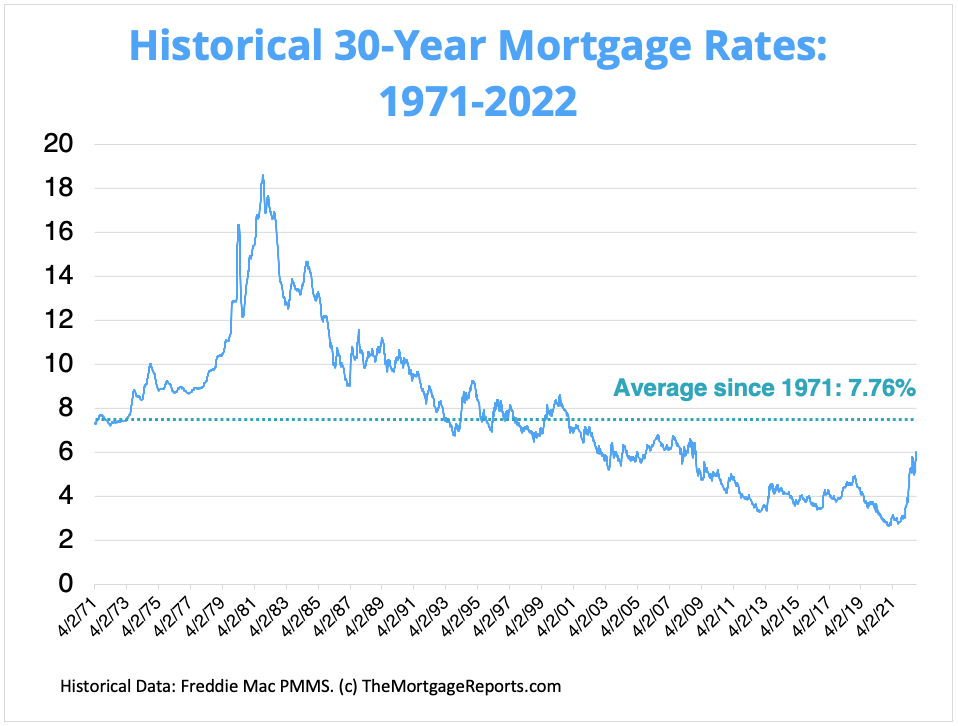
Understanding the 30-Year Fixed-Rate Mortgage
At its core, a 30-year fixed-rate mortgage is a loan used to purchase a home, where the interest rate remains constant for the entire three-decade repayment period. This stability is its defining characteristic and primary appeal, providing borrowers with predictable monthly principal and interest payments for 360 months.
The Enduring Appeal of Stability
The allure of the 30-year fixed-rate mortgage lies in its unwavering predictability. In a world of fluctuating economic conditions and uncertain financial markets, knowing precisely what your largest monthly expense will be for the next three decades offers unparalleled peace of mind. This stability allows homeowners to budget effectively, plan for future expenses, and build long-term wealth without the anxiety of potential rate hikes that come with adjustable-rate mortgages (ARMs). For many, especially first-time homebuyers or those planning to stay in their home for an extended period, this certainty outweighs the potential for lower initial rates offered by other mortgage products.
How Interest Rates Work on Long-Term Loans
An interest rate, in simple terms, is the cost of borrowing money, expressed as a percentage of the principal loan amount. For a 30-year mortgage, this percentage is applied to the outstanding loan balance, with the interest portion of your monthly payment being higher in the initial years and gradually decreasing as more principal is paid off. Over 30 years, even a seemingly small difference in the interest rate can translate into tens or even hundreds of thousands of dollars in total cost. The fixed nature means that if you secure a 6% interest rate today, it will remain 6% for the entire duration of the loan, regardless of whether prevailing market rates go up or down.
Distinguishing Between Interest Rate and APR
While often used interchangeably, the nominal interest rate and the Annual Percentage Rate (APR) are distinct concepts crucial for any borrower to understand. The interest rate represents the yearly cost of borrowing money, not including any fees. It’s the percentage lenders use to calculate your monthly principal and interest payment.
The APR, however, provides a more comprehensive measure of the total cost of borrowing, as it includes not only the interest rate but also most of the fees associated with the loan, such as origination fees, discount points, and private mortgage insurance (PMI). Essentially, the APR is the true annual cost of the loan over its full term, allowing for a more accurate comparison between different loan offers. A lower APR generally indicates a cheaper loan overall, even if two lenders offer the same nominal interest rate. Always compare APRs when evaluating mortgage options.
Key Factors Influencing 30-Year Mortgage Rates
The interest rate on a 30-year mortgage is not a static figure; it’s a dynamic reflection of numerous economic forces, lender policies, and individual borrower characteristics. Understanding these influences is vital for anticipating market movements and optimizing your borrowing strategy.
Economic Indicators and Federal Reserve Policy
Macroeconomic conditions play a pivotal role in shaping mortgage rates. Inflation, employment rates, and GDP growth are closely monitored by financial markets. Higher inflation, for instance, typically leads to higher interest rates as lenders demand more compensation for the eroding purchasing power of future repayments. The Federal Reserve’s monetary policy, particularly its adjustments to the federal funds rate, indirectly impacts mortgage rates. While the federal funds rate doesn’t directly dictate mortgage rates, it influences the cost of funds for banks, which in turn affects their lending rates. When the Fed raises rates to combat inflation, mortgage rates tend to rise; conversely, rate cuts can lead to lower mortgage rates.
Lender-Specific Considerations
Each mortgage lender operates with its own business model, risk appetite, and cost structure, which can lead to variations in the rates they offer. Factors such as a lender’s overhead, profit margins, and the volume of loans they process can influence their pricing. Large national banks, local credit unions, and online lenders often have different competitive advantages, leading to a diverse range of rates and fees across the market. This underscores the importance of shopping around.
Borrower’s Financial Profile
Your personal financial health is one of the most significant determinants of the interest rate you qualify for. Lenders assess risk, and a stronger financial profile signals a lower risk borrower, often resulting in a better rate.
- Credit Score: This three-digit number is a primary indicator of your creditworthiness. A FICO score of 740 or higher typically qualifies borrowers for the most competitive rates, as it suggests a history of responsible debt management. Lower scores indicate higher risk and will generally result in higher interest rates.
- Debt-to-Income Ratio (DTI): Your DTI compares your total monthly debt payments to your gross monthly income. Lenders use it to assess your ability to manage additional debt. A lower DTI (ideally below 43%) demonstrates that you have ample income to cover your mortgage payments, making you a more attractive borrower.
- Loan-to-Value Ratio (LTV) / Down Payment: The LTV ratio compares the amount of your mortgage to the appraised value of the home. A larger down payment reduces the LTV, meaning you’re borrowing less relative to the home’s value. A lower LTV (e.g., putting down 20% or more) signals less risk to the lender and can help secure a lower interest rate, often also eliminating the need for private mortgage insurance (PMI).
Market Competition and Mortgage-Backed Securities
The competitive landscape among lenders also plays a role. In a highly competitive market, lenders may trim their profit margins to attract borrowers, leading to slightly lower rates across the board. Furthermore, the mortgage market is deeply intertwined with the broader bond market, specifically mortgage-backed securities (MBS). Mortgage rates tend to track the yields on MBS, which are influenced by investor demand and overall market sentiment. When MBS yields rise, so do mortgage rates, and vice-versa.
The Pros and Cons of a 30-Year Mortgage
While undeniably popular, the 30-year mortgage, like any financial product, comes with its own set of advantages and disadvantages. A balanced understanding is crucial for making an informed decision that aligns with your financial goals.
Advantages for Homebuyers
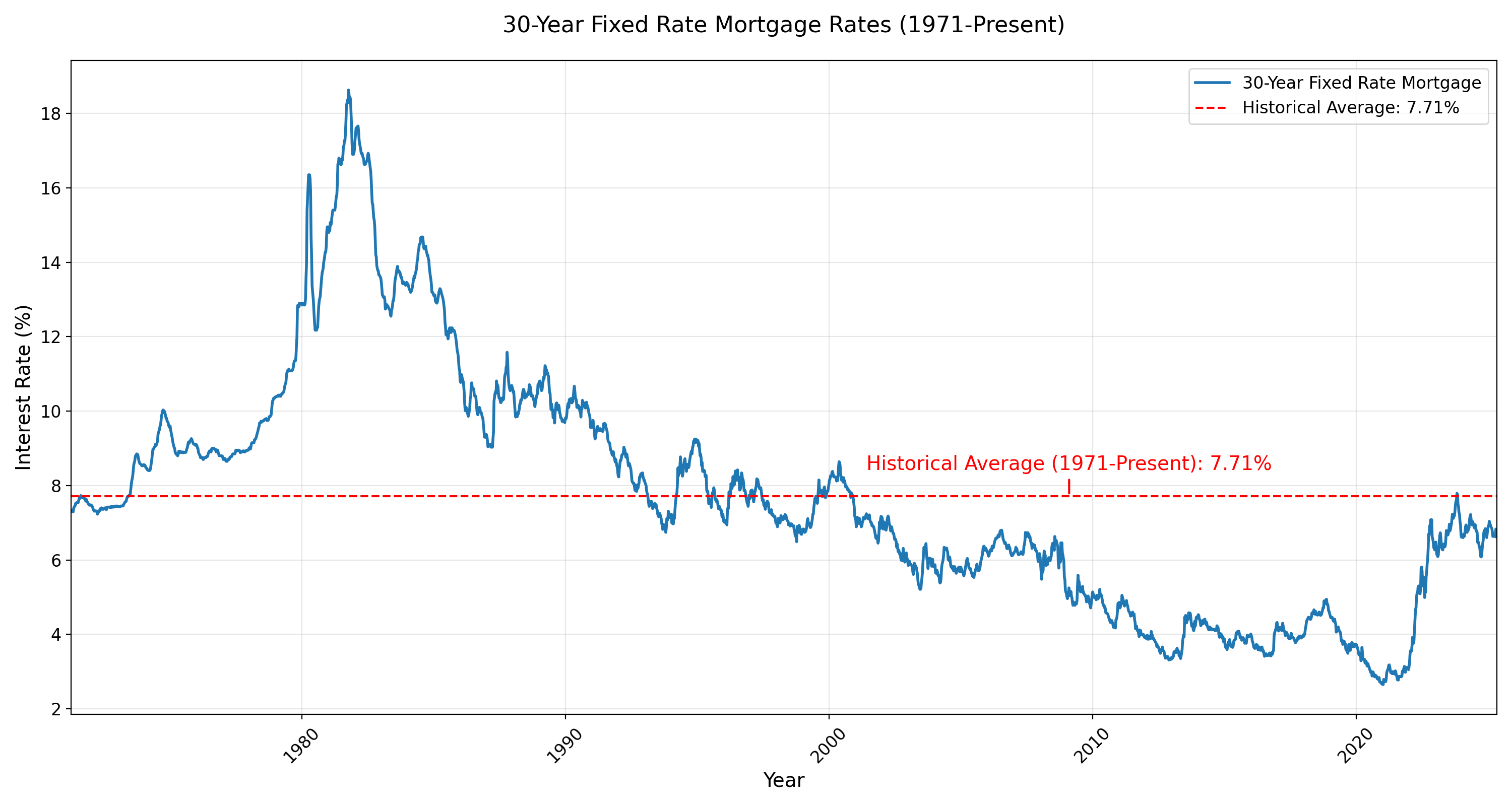
The widespread adoption of the 30-year fixed mortgage is largely due to the significant benefits it offers, particularly to a broad spectrum of homebuyers.
- Lower Monthly Payments: By spreading the loan repayment over 30 years, the principal and interest are amortized over a much longer period compared to, say, a 15-year mortgage. This results in significantly lower monthly payments, making homeownership more accessible and manageable for many households, freeing up cash flow for other expenses or investments.
- Predictability and Budgeting Ease: As discussed, the fixed interest rate ensures that your principal and interest payment remains constant for the entire loan term. This stability is invaluable for personal financial planning, allowing homeowners to budget with confidence and avoid the uncertainty associated with fluctuating rates.
- Flexibility and Investment Opportunity: The lower monthly payments of a 30-year mortgage can provide greater financial flexibility. Homeowners can choose to pay extra towards their principal when they have surplus funds, effectively shortening the loan term and saving on interest, without being obligated to do so. Moreover, the saved cash flow can be invested in higher-return assets, potentially outpacing the interest rate on the mortgage, leading to greater overall wealth accumulation.
Potential Drawbacks
Despite its advantages, the 30-year mortgage is not without its trade-offs, primarily revolving around the total cost of borrowing and the pace of equity accumulation.
- Higher Total Interest Paid: The most significant drawback is the substantially higher amount of total interest paid over the life of the loan compared to shorter-term mortgages. While monthly payments are lower, stretching payments over 30 years means interest accrues for a much longer time. A 15-year mortgage, for example, will result in thousands, if not tens of thousands, less in total interest paid, assuming the same principal amount and initial interest rate.
- Slower Equity Buildup: Due to the longer amortization schedule, a larger portion of your early monthly payments goes towards interest rather than principal. This means that equity in your home accumulates more slowly during the initial years of a 30-year mortgage compared to a 15-year alternative. For those looking to build equity quickly for future financial maneuvers (e.g., using home equity for other investments or a down payment on another property), this slower pace can be a disadvantage.
Navigating the Mortgage Market: Tips for Securing the Best Rate
Securing the most competitive interest rate on your 30-year mortgage can save you a substantial amount of money over three decades. This requires preparation, diligence, and an understanding of the process.
Improve Your Creditworthiness
Your credit score is a reflection of your financial responsibility and directly impacts the interest rate you’ll be offered. Before applying for a mortgage, take steps to improve your credit: pay bills on time, reduce existing debt, avoid opening new credit lines, and check your credit report for errors. A higher FICO score translates directly into lower perceived risk for lenders, which often leads to a better rate.
Shop Around and Compare Lenders
This is perhaps the single most important piece of advice. Do not settle for the first offer you receive. Contact multiple lenders—banks, credit unions, and online mortgage providers—to compare their rates, APRs, and fees. Even a seemingly small difference of 0.125% or 0.25% in the interest rate can result in significant savings over 30 years. Obtain Loan Estimates from several lenders on the same day to ensure you’re comparing apples to apples, as rates can fluctuate daily.
Understand Closing Costs and Fees
Beyond the interest rate, a mortgage comes with various closing costs, including origination fees, appraisal fees, title insurance, and more. These fees can add thousands of dollars to your upfront expenses. Some lenders might offer a lower interest rate but charge higher closing costs, or vice-versa. Always review the Loan Estimate carefully to understand the total costs involved and how they factor into the APR. Sometimes, a slightly higher interest rate with lower closing costs might be more favorable depending on how long you plan to stay in the home.
Consider a Mortgage Broker
A mortgage broker acts as an intermediary, working on your behalf to find the best loan terms from various lenders. They often have access to a wider range of products and rates than an individual borrower might find on their own. While they charge a fee (either paid by you or the lender), their expertise can be invaluable in securing a favorable rate and navigating the complexities of the mortgage process, especially for those with unique financial situations.
The Impact of “Points” on Your Rate
Lenders may offer you the option to pay “points” (also known as discount points) at closing. One point typically equals 1% of the loan amount and is essentially prepaid interest. In exchange for paying points upfront, you can “buy down” your interest rate, reducing it for the life of the loan. This can be a smart strategy if you plan to stay in your home for a long time, as the savings on monthly interest payments will eventually outweigh the upfront cost of the points. Calculate the break-even point to determine if paying points makes financial sense for your situation.
Future Outlook and Personalizing Your Mortgage Decision
The mortgage market is constantly evolving, influenced by global economics, national policy, and local housing trends. Staying informed and personalizing your approach are key to making the best long-term financial decision.
Staying Informed About Market Trends
While you cannot control the market, understanding its direction can help you time your mortgage application or consider refinancing opportunities. Subscribe to financial news outlets, follow reputable economic forecasts, and consult with financial advisors or mortgage professionals who can provide insights into prevailing trends. Awareness of potential rate shifts can empower you to act strategically.
Refinancing Opportunities
The fixed nature of a 30-year mortgage means your rate won’t change, but market rates might. If interest rates drop significantly after you’ve secured your mortgage, refinancing becomes an attractive option. Refinancing involves taking out a new loan to pay off your existing mortgage, ideally at a lower interest rate, which can reduce your monthly payments or the total interest paid over the life of the loan. It’s a strategic tool for optimizing your mortgage in a falling rate environment.

When a 30-Year Mortgage is Right for You
Ultimately, the decision to opt for a 30-year mortgage should align with your personal financial circumstances and long-term goals. It’s an excellent choice for individuals who prioritize lower monthly payments, predictable budgeting, and financial flexibility. It’s also suitable for those who anticipate remaining in their home for many years, allowing them to benefit from the fixed rate and build equity steadily.
However, if your primary goal is to pay off your home as quickly as possible and save on total interest, and you can comfortably afford higher monthly payments, a shorter-term mortgage like a 15-year fixed might be more appropriate. Consulting with a financial advisor can help you weigh all factors—your income, expenses, savings, investment goals, and risk tolerance—to determine if the 30-year fixed-rate mortgage is the optimal financial tool for your homeownership journey. Understanding its interest rate and the forces behind it is the first critical step toward making an empowered decision.
aViewFromTheCave is a participant in the Amazon Services LLC Associates Program, an affiliate advertising program designed to provide a means for sites to earn advertising fees by advertising and linking to Amazon.com. Amazon, the Amazon logo, AmazonSupply, and the AmazonSupply logo are trademarks of Amazon.com, Inc. or its affiliates. As an Amazon Associate we earn affiliate commissions from qualifying purchases.