
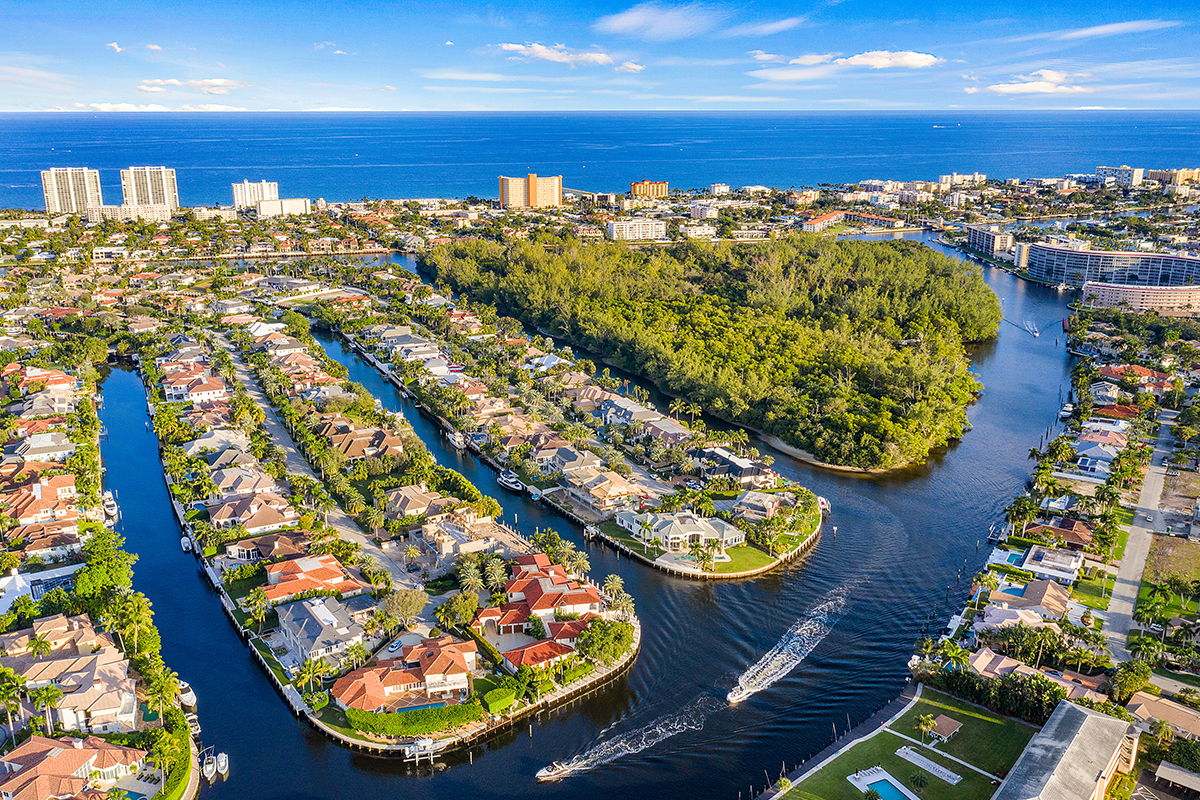
In the world of real estate and commercial development, the term “waterfront” carries immense weight. It is not merely a geographic descriptor; it is a premium branding asset, a strategic positioning tool, and a luxury differentiator that dictates market value. When a developer or a brand labels a property as “waterfront,” they are selling more than just square footage—they are selling a lifestyle, a perception of status, and an aesthetic experience that commands a significant price premium.
The Strategic Brand Value of Waterfront Assets
From a branding perspective, the word “waterfront” serves as a powerful shorthand for exclusivity. When a brand integrates this concept into its identity, it signals tranquility, accessibility, and high-tier status. In the luxury real estate market, waterfront property is rarely treated as a commodity; it is treated as a masterpiece of marketing.
Crafting the Identity
A brand that aligns itself with waterfront assets effectively borrows the inherent prestige of the location. Whether it is a high-end residential complex or a mixed-use commercial space, the “waterfront” designation allows a brand to charge a “prestige premium.” Consumers associate water with clarity, openness, and freedom—qualities that brands are eager to co-opt. By centering a marketing strategy around the proximity to water, companies can justify higher price points, knowing that the consumer’s emotional response to the view often outweighs the functional utility of the space.
Market Positioning and Competitive Differentiation
In crowded urban markets, the ability to claim “waterfront” status provides an instant competitive edge. A brand doesn’t just sell an apartment or an office; it sells the “waterfront lifestyle.” This strategy involves meticulously designed visual assets, high-gloss photography, and narrative-driven marketing campaigns that emphasize the sensory benefits of living or working by the shore. From an architectural standpoint, this means designing structures that maximize sightlines, utilizing glass-heavy facades and expansive balconies that draw the viewer’s eye toward the water, thereby reinforcing the brand’s primary selling point.
Economic Implications and Asset Valuation
The financial impact of a waterfront location is one of the most consistent phenomena in property economics. For investors and developers, the “waterfront premium” is a quantifiable metric that influences everything from land acquisition strategies to long-term asset management.
The Scarcity Principle
Waterfront property is a finite resource. Because the supply of land bordering oceans, rivers, and lakes cannot be expanded, the economic principles of scarcity come into play immediately. This inherent limitation creates a natural floor for valuation. Investors view waterfront assets as “recession-resistant” because the rarity of the location creates a moat around the investment. Unlike inland properties that can be replicated or expanded upon, a waterfront plot has a unique, non-duplicable value proposition that appeals to both institutional investors and private equity holders.

Capitalizing on the “View Tax”
In financial terms, developers often account for what is colloquially known as a “view tax” or a “waterfront premium.” This is the additional amount a buyer or tenant is willing to pay purely for the visual access to a body of water. Studies have shown that waterfront properties can command a 20% to 50% premium over equivalent inland properties. When conducting a feasibility study for a new project, developers treat this premium as a central component of the pro forma. By investing in high-quality architecture that honors the waterfront location, they ensure that the asset not only retains its value but appreciates at a rate that typically outpaces the broader market.
Design and Experience Architecture
Beyond the balance sheet, the “waterfront” brand is brought to life through intentional design. If a developer claims their project is a “waterfront destination,” the architecture must validate that promise. Failure to integrate the water into the daily experience of the inhabitant results in a branding disconnect, which ultimately erodes the asset’s value.
Human-Centric Waterfront Design
Modern design strategy focuses on “active engagement” with the water. It is no longer enough to simply be near a body of water; the space must offer functional interaction. This includes private docks, promenade access, and climate-controlled indoor-outdoor transitions. By facilitating a lifestyle that involves rowing, swimming, or even just evening strolls along a seawall, the brand reinforces the utility of its location. This is the difference between a “view of water” and a “waterfront experience.” The latter is sticky—it creates emotional attachment for the tenant or owner, which leads to higher retention rates for commercial leases and increased resale value for residential units.
Environmental Branding and Sustainability
In the modern market, a “waterfront” brand cannot ignore the environmental realities of its location. Climate change, rising sea levels, and ecological protection are now part of the corporate identity. Today’s sophisticated buyer or commercial tenant is acutely aware of the risks associated with waterfront development. Consequently, a strong brand must weave sustainability into its narrative. Using resilient materials, implementing green-roof technology to manage drainage, and contributing to the restoration of the local aquatic ecosystem are now essential components of a robust marketing strategy. This “eco-branding” transforms the waterfront asset from a potential liability into a hallmark of corporate responsibility, further enhancing its marketability among environmentally conscious high-net-worth individuals and ESG-focused (Environmental, Social, and Governance) institutional investors.
The Future of Waterfront Branding: Technology and Connectivity
As we look toward the future, the integration of technology within waterfront developments is becoming the next frontier of branding. The “smart waterfront” is the new benchmark for luxury development.
Seamless Digital Integration
Developers are now creating digital ecosystems that connect the waterfront environment to the tenant’s mobile devices. Imagine a tenant who can book a communal boat, check tide conditions, or receive real-time alerts about local events from an integrated building app. This is not just about convenience; it is about extending the “waterfront brand” into the digital realm. By digitizing the waterfront experience, developers create a cohesive ecosystem that justifies higher maintenance fees and enhances the overall “premium” feel of the property.

Global Connectivity
For brands operating in multiple locations, the “waterfront” is a global identity. A developer with a portfolio of waterfront assets in Miami, Dubai, and Singapore is not just selling real estate; they are selling a global network of prestige. By creating a unified brand aesthetic across these international locations, they allow their clients to move between “waterfront homes” seamlessly. This global branding strategy turns individual properties into nodes in a luxury network, significantly increasing the brand’s equity. In this context, the waterfront is no longer a static location; it is a mobile status symbol that follows the affluent consumer wherever they choose to reside.
The evolution of the “waterfront” concept demonstrates that it is far more than a physical location. It is a strategic synthesis of economic scarcity, aspirational branding, and experiential design. For developers and investors, mastering the art of the waterfront is the fastest way to solidify a market position, protect long-term capital, and build a brand that resonates with the highest echelons of the global market. As the industry evolves, those who can successfully balance the timeless allure of the water with the demands of modern, tech-enabled, and environmentally responsible architecture will continue to define the gold standard of real estate success.
aViewFromTheCave is a participant in the Amazon Services LLC Associates Program, an affiliate advertising program designed to provide a means for sites to earn advertising fees by advertising and linking to Amazon.com. Amazon, the Amazon logo, AmazonSupply, and the AmazonSupply logo are trademarks of Amazon.com, Inc. or its affiliates. As an Amazon Associate we earn affiliate commissions from qualifying purchases.