
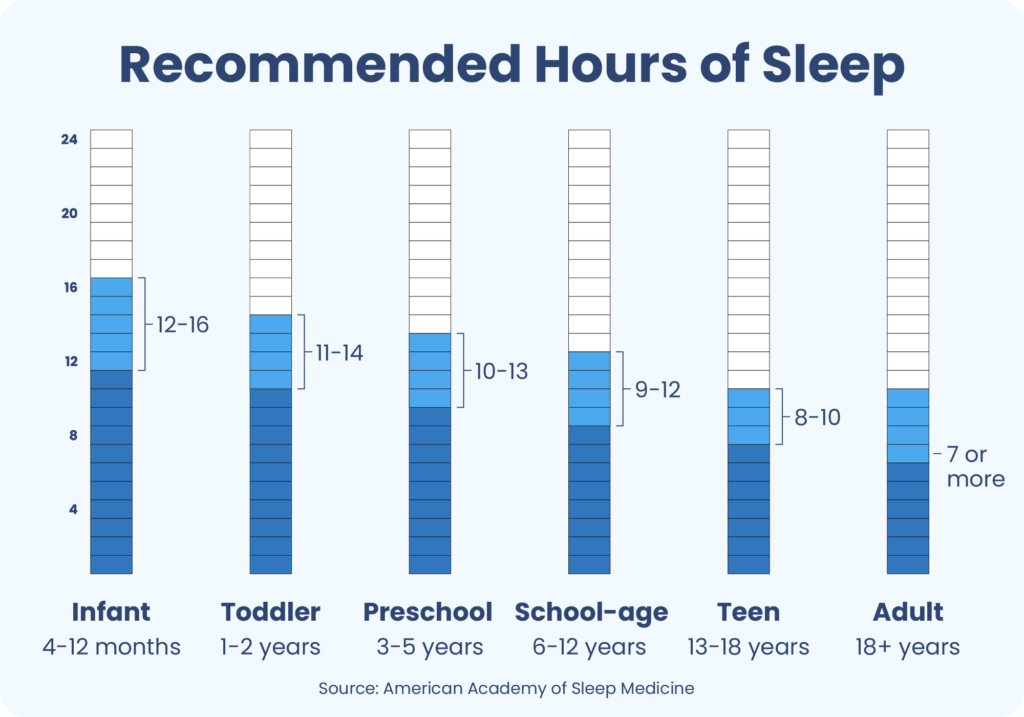
For decades, the “eight-hour rule” served as the universal benchmark for restorative rest. However, as the digital health revolution matures, the integration of sophisticated wearables, artificial intelligence, and ambient sensing technology is fundamentally reshaping our understanding of human recovery. Today, determining the healthiest amount of sleep is no longer a matter of general guidelines; it is a high-precision calculation derived from biometric data, algorithmic sleep staging, and individual physiological responses.
The shift from subjective self-reporting to objective data collection has revealed a complex reality: the quantity of sleep is often secondary to the architecture of that sleep. Through the lens of modern technology, we can now dissect the nuances of circadian rhythms and recovery cycles to determine what “healthy” actually means for the modern, high-performing individual.
The Data-Driven Sleep Revolution: Beyond the Eight-Hour Myth
The concept of a fixed eight-hour sleep window is increasingly viewed as an outdated generalization by the tech community. With the rise of the “Quantified Self” movement, millions of users now track their rest using devices equipped with tri-axis accelerometers, photoplethysmography (PPG) sensors, and skin temperature gauges. These tools have provided a massive dataset that suggests the “healthiest” amount of sleep is a moving target influenced by strain, age, and genetic markers.
Personalized Baselines and Wearable Analytics
Leading platforms such as Oura, Whoop, and the Apple Watch utilize proprietary algorithms to establish a “baseline” for each user. Instead of aiming for a static number, these devices track deviations from a rolling average. For example, a software engineer might find that their cognitive performance peaks after 7 hours and 15 minutes of sleep, provided their Heart Rate Variability (HRV) remains within a specific range.
Technology allows us to see that a person receiving 6 hours of high-quality, high-density sleep—characterized by optimal ratios of Deep and REM stages—may actually be “healthier” than someone spending 9 restless hours in bed. Wearables quantify this through “Sleep Scores,” which aggregate data points like restlessness, respiratory rate, and time to fall asleep (latency) to provide a more holistic view of recovery than a simple clock could ever offer.
The Role of HRV in Determining Sleep Need
Heart Rate Variability (HRV) has emerged as the gold standard tech metric for recovery. By measuring the variation in time between each heartbeat, AI-driven apps can determine the state of the autonomic nervous system. When technology detects a suppressed HRV, it signals that the body requires more sleep to recover from physiological or psychological stress. In this context, the “healthiest” amount of sleep is defined by the hardware as whatever duration is required to return the user’s HRV to its optimal baseline.
Decoding Sleep Architecture through AI and Machine Learning
While quantity is the easiest metric to track, the technology sector has pivoted toward analyzing “Sleep Architecture”—the structural organization of sleep stages. Machine learning models are now trained on millions of hours of polysomnography (PSG) data to identify patterns in Light, Deep (Slow Wave), and REM sleep with increasing accuracy.
Algorithmic Sleep Staging
Modern sleep tech uses AI to differentiate between stages by analyzing subtle shifts in movement and heart rate. Deep sleep is the period of physical repair, while REM (Rapid Eye Movement) is critical for cognitive processing and memory consolidation. The healthiest amount of sleep, from a technological perspective, is a duration that allows for the completion of four to six full sleep cycles, typically lasting 90 minutes each.
Current software tools can now alert users if they are spending too much time in light sleep, a common occurrence when external factors like blue light or caffeine interference are present. By optimizing the quality of these stages through data feedback, users can often achieve better health outcomes with slightly less total time in bed, focusing instead on “sleep efficiency”—the ratio of time asleep to time in bed.
Predictive Performance Modeling
We are seeing the emergence of “Predictive Sleep Tools” that use historical data to forecast a user’s cognitive capacity for the coming day. By analyzing the previous night’s sleep duration and stage distribution, these apps can suggest the ideal bedtime for the following night. This creates a feedback loop where the “healthiest” amount of sleep is constantly recalibrated based on the user’s upcoming scheduled tasks, a feature particularly popular among tech executives and high-stakes performers.
The Impact of the Digital Ecosystem on Circadian Biology
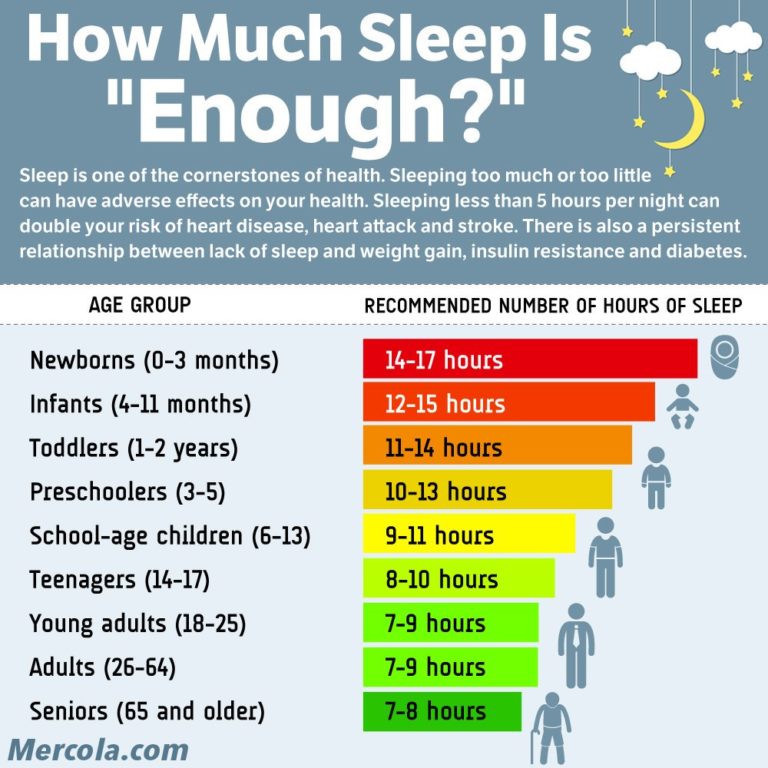
While technology provides the tools to measure sleep, it also presents the primary challenges to achieving it. The digital environment—from the blue light emitted by OLED screens to the dopamine-driven design of social media—has disrupted the natural production of melatonin. However, the tech industry is also providing the solutions to these self-created problems.
Software-Level Circadian Mitigation
Operating systems like iOS and Android have integrated “Night Shift” and “Bedtime” modes that programmatically shift screen temperatures to the warmer end of the spectrum. More advanced third-party software, such as f.lux, uses geolocation data to synchronize screen brightness and hue with the actual position of the sun.
Furthermore, “Smart Lighting” ecosystems (e.g., Philips Hue, Nanoleaf) can be integrated with sleep trackers via IFTTT (If This Then That) protocols. When a wearable device detects the user has entered a “wind-down” phase, the home’s IoT infrastructure can automatically dim lights, lower the thermostat, and activate white noise generators. In this integrated tech environment, the healthiest sleep is achieved through an automated “environmental handoff” that prepares the biology for rest.
Thermal Regulation Tech
One of the most significant technological breakthroughs in sleep health is active thermal regulation. Devices like the Eight Sleep Pod or the Sleepme system use water-cooled (or heated) covers managed by AI. These systems track the user’s biometrics in real-time and adjust the bed temperature to facilitate the body’s natural drop in core temperature required for deep sleep. By leveraging hardware to manipulate the sleeping environment, these tools can extend the duration of deep sleep stages, effectively making every hour of rest “healthier.”
The Future of Sleep Tech: Non-Wearables and Ambient Sensing
The next frontier in determining and facilitating the healthiest amount of sleep lies in “invisible” or ambient technology. Many users experience “tracker fatigue” or find wearables uncomfortable to sleep in. The industry is responding with near-field sensing and radar-based technology.
Radar and Radio Frequency (RF) Monitoring
Companies like Google and Amazon have introduced bedside devices (such as the Nest Hub) that use low-energy radar (Soli) to track movement and breathing patterns without cameras or body-worn sensors. These devices can detect sleep disturbances, such as sleep apnea or coughing fits, that the user might be unaware of. By analyzing these “ambient” data points, AI can suggest changes to the sleeping environment, such as humidity adjustments or air purification, to ensure the time spent sleeping is as restorative as possible.
AI Sleep Coaching and Behavioral Engineering
We are moving away from raw data toward “Actionable Intelligence.” Future iterations of sleep tech will not just tell you that you slept 6 hours; they will function as AI sleep coaches. By correlating sleep data with other inputs—such as caloric intake from food logs, workout intensity from fitness apps, and even calendar density—these platforms will provide hyper-personalized recommendations.
For instance, an AI might determine that after a day with five back-to-back video conferences, the “healthiest” amount of sleep for that specific user is 8.5 hours with an emphasis on REM-rich sleep to process the high cognitive load. This level of personalization represents the pinnacle of sleep technology, where the “healthiest amount” is a dynamic variable calculated in real-time by a comprehensive digital health stack.
Conclusion: The New Definition of Healthy Sleep
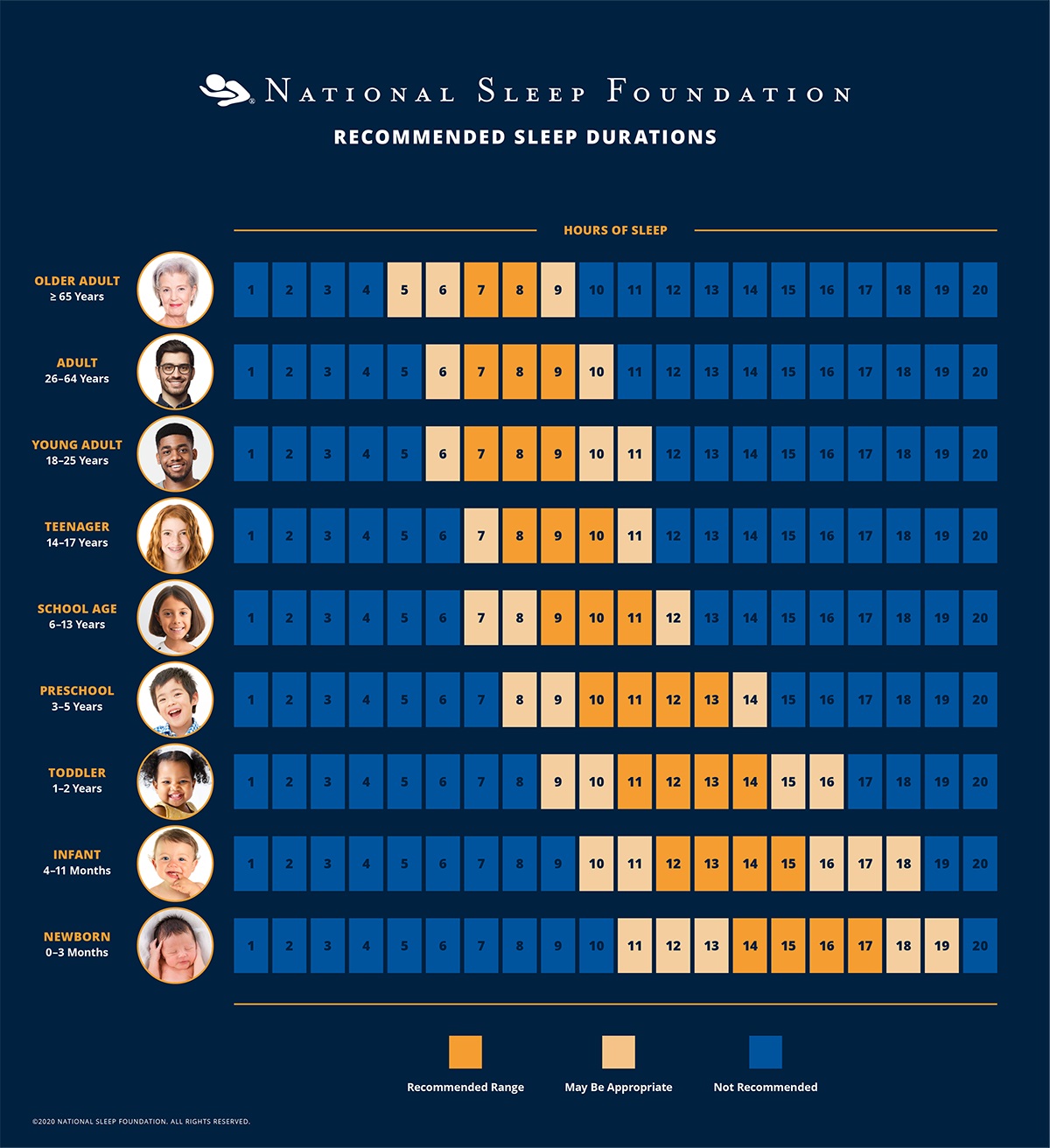
In the context of modern technology, the “healthiest amount of sleep” is no longer a static number. It is an optimized state of being, achieved through the precise balance of duration, timing, and intensity. Through wearables, AI-driven analysis, and smart home integration, we have moved into an era of “Precision Rest.”
For the tech-integrated individual, the goal is to use data to understand their unique biological requirements. Whether that is 7 hours of meticulously managed, thermally regulated rest or 9 hours of recovery following high physical strain, the answer lies in the metrics. As algorithms become more sophisticated and sensors more unobtrusive, the technology won’t just track our sleep—it will actively engineer it, ensuring that every minute spent in bed contributes to peak physiological and cognitive health.
aViewFromTheCave is a participant in the Amazon Services LLC Associates Program, an affiliate advertising program designed to provide a means for sites to earn advertising fees by advertising and linking to Amazon.com. Amazon, the Amazon logo, AmazonSupply, and the AmazonSupply logo are trademarks of Amazon.com, Inc. or its affiliates. As an Amazon Associate we earn affiliate commissions from qualifying purchases.