
In the competitive landscape of luxury goods, the difference between a premium brand and a market leader often lies in the details that the average consumer may not consciously identify, but certainly feels. One such detail is the rhodium finish. While often discussed in the technical corridors of jewelry manufacturing and high-end horology, the rhodium finish is more than a chemical coating; it is a critical component of brand strategy, signifying a commitment to durability, aesthetic perfection, and perceived value. For brands looking to position themselves in the upper echelons of the market, understanding and leveraging rhodium finish is essential for building a reputation for excellence.

The Science of Brilliance: Understanding Rhodium in the Luxury Ecosystem
To understand why a rhodium finish is a cornerstone of luxury branding, one must first understand the material itself. Rhodium is a silver-white, hard metal that belongs to the platinum group. It is one of the rarest and most expensive precious metals in the world, often trading at prices significantly higher than gold or platinum. In its natural state, rhodium is too brittle to be forged into solid jewelry; however, its properties make it the world’s premier plating material.
Scarcity and the Power of the Platinum Group Metals
From a branding perspective, scarcity is a powerful psychological lever. Rhodium’s rarity contributes to an aura of exclusivity. When a brand specifies that its products feature a rhodium finish, it is signaling to the consumer that it does not cut corners. By utilizing a metal that is rarer than gold, the brand aligns itself with the “best-of-the-best” mentality. This alignment is a deliberate strategic choice. In a market where “premium” can often feel like a hollow marketing term, the inclusion of rhodium provides a tangible, verifiable standard of quality that supports a high-end brand identity.
The Visual Language of Luxury
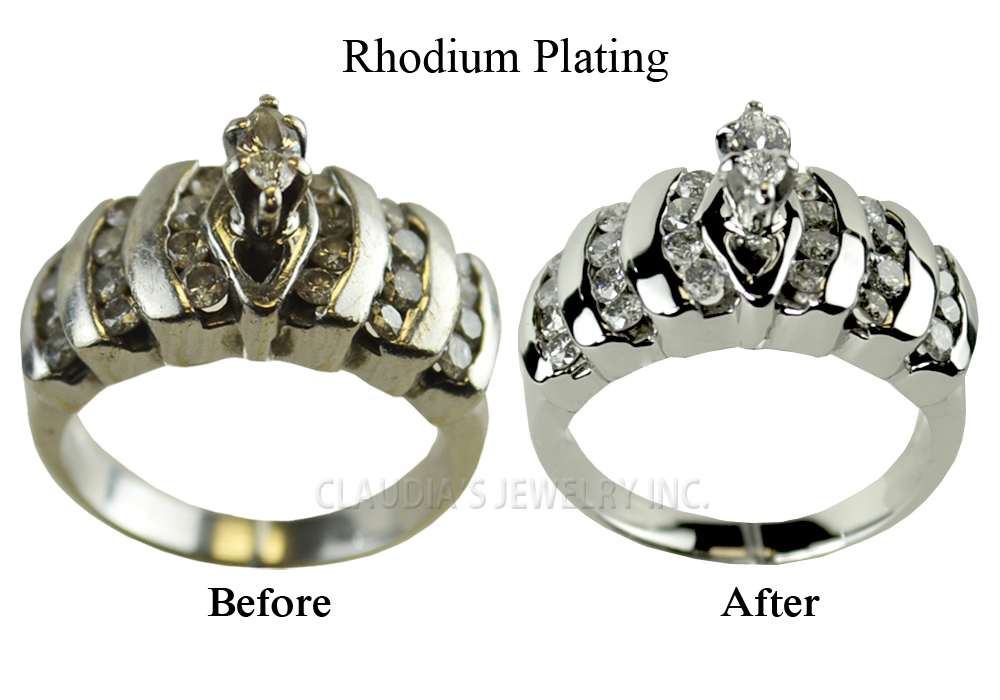
The primary reason brands utilize a rhodium finish is its incomparable luster. Rhodium has a highly reflective surface that produces a brilliant, cold-white shine. This “cool” aesthetic is currently the gold standard in modern luxury. While silver and white gold have their own appeal, they can often appear slightly yellow or gray. A rhodium finish provides that “liquid mirror” look that characterizes high-end diamond settings and luxury watch components. For a brand, this visual consistency is vital. It ensures that every piece under the brand’s umbrella carries the same signature glow, creating a cohesive visual identity that consumers associate with prestige.
Materiality and Brand Trust: How Finish Impacts Customer Lifetime Value
In brand strategy, “quality” is not just about the initial sale; it is about the long-term relationship between the consumer and the product. A brand that promises luxury but delivers a product that tarnishes or degrades quickly will suffer from a high churn rate and a damaged reputation. This is where the rhodium finish moves from an aesthetic choice to a strategic one.
Durability as a Tangible Brand Promise
One of the most significant advantages of rhodium is its hardness. On the Mohs scale, rhodium ranks higher than gold, silver, and even platinum. When applied as a finish, it creates a protective barrier that is highly resistant to scratches and daily wear. For a brand, this translates to a product that looks “new” for much longer. When a customer buys a piece of jewelry or a luxury accessory and finds it still sparkling years later, their trust in the brand is reinforced. This durability is a key driver of customer lifetime value, as satisfied customers are more likely to return for future purchases, confident in the physical longevity of the brand’s offerings.
Overcoming the Oxidation Obstacle
Silver and many gold alloys are prone to oxidation, leading to tarnish—the nemesis of luxury branding. Nothing diminishes a brand’s perceived value faster than a dull, blackened piece of jewelry sitting in a display case or a customer’s jewelry box. Rhodium is chemically inert and does not react with oxygen, meaning it will never tarnish. By utilizing a rhodium finish, brands effectively “future-proof” their products against the environment. This technical superiority allows marketing teams to focus on the emotional and lifestyle benefits of the product, rather than spending resources on explaining maintenance or dealing with returns due to discoloration.
Strategic Positioning: The Rhodium Finish as a Marketing Multiplier
The application of a rhodium finish allows brands to navigate complex pricing and positioning strategies. It provides a bridge between different tiers of luxury, allowing a brand to capture a wider audience without diluting its core identity.
Differentiation in a Crowded Market
In the mid-to-high-tier jewelry market, differentiation is difficult. Many brands use 14k or 18k white gold, which naturally has a yellowish tint. Without a rhodium finish, these products can look unfinished or inferior compared to their competitors. By standardizing rhodium plating across their collections, a brand creates a “premium floor.” It sets a baseline of quality that distinguishes it from lower-end competitors who might use cheaper, less durable silver plating. This differentiation is crucial for brands seeking to justify higher price points in a saturated digital marketplace.
Price Elasticity and Premium Plating
The cost of rhodium is volatile and high, but for a strategic brand, this cost is an investment in price elasticity. Consumers are often willing to pay a significant premium for the “platinum look.” By using rhodium-plated white gold or even rhodium-plated sterling silver, a brand can offer a high-luxury aesthetic at a more accessible price point than solid platinum, while still maintaining high margins. The “rhodium finish” label acts as a value-add in the consumer’s mind, transforming a standard product into something perceived as technologically advanced and materially superior.
The Operational Reality: Branding the Maintenance Cycle
A sophisticated brand strategy acknowledges the limitations of its materials and uses them as an opportunity for further engagement. While rhodium is incredibly durable, it is not permanent. Depending on wear, the finish will eventually wear down, requiring a “re-dipping” process.
Transparency and After-Sales Service
Modern branding is built on transparency. Brands that are upfront about the need for rhodium maintenance can actually use this as a touchpoint for exceptional customer service. By offering complimentary or discounted rhodium re-plating services, a brand brings the customer back into the store or onto the website. This after-sales service is a powerful tool for brand loyalty. It transforms a technical necessity into a “concierge” experience, reminding the customer of the brand’s commitment to excellence long after the initial transaction.
Ethical Sourcing and the Conscious Consumer
As personal branding and corporate identity increasingly focus on sustainability, the sourcing of rhodium has become a point of strategic interest. Rhodium is primarily a byproduct of platinum and nickel mining. Brands that can verify the ethical sourcing of their rhodium finish can leverage this in their marketing to appeal to the “conscious consumer.” In an era where “how it’s made” is as important as “what it is,” being able to speak to the environmental and social impact of rare metal finishes provides a competitive edge in the luxury sector.

Conclusion: The Future of High-Finish Branding
The rhodium finish represents the intersection of metallurgy and marketing. It is a testament to how a thin layer of material—often only microns thick—can fundamentally alter the trajectory of a brand’s identity. For luxury companies, the rhodium finish is not just a manufacturing step; it is a declaration of intent. It signals a commitment to the highest visual standards, a promise of enduring quality, and a sophisticated understanding of consumer psychology.
As we move further into a digital-first era, where high-resolution imagery and video dominate brand perception, the “brilliance” of a product is more important than ever. A rhodium finish ensures that a product captures the light, stands out on a screen, and exceeds expectations in person. By integrating the rhodium finish into their broader brand strategy, companies can ensure that they are not just selling a product, but are delivering a symbol of permanence and perfection in an ever-changing world. Whether it is through the lens of a professional photoshoot or the everyday wear of a loyal customer, the rhodium finish remains a silent, shining ambassador for brand excellence.
aViewFromTheCave is a participant in the Amazon Services LLC Associates Program, an affiliate advertising program designed to provide a means for sites to earn advertising fees by advertising and linking to Amazon.com. Amazon, the Amazon logo, AmazonSupply, and the AmazonSupply logo are trademarks of Amazon.com, Inc. or its affiliates. As an Amazon Associate we earn affiliate commissions from qualifying purchases.