
The DTP vaccine, an essential prophylactic against diphtheria, tetanus, and pertussis (whooping cough), stands as a cornerstone of global public health. While often discussed in medical and immunological terms, its true significance is incomplete without a rigorous examination through the lens of finance and economics. Far from being merely a biological intervention, the DTP vaccine represents a profound financial instrument, a strategic investment, and a critical component of national and global economic stability. Understanding “what is the DTP vaccine” necessitates exploring its multifaceted financial implications, from averting colossal healthcare expenditures to fueling economic productivity and shaping intricate global funding architectures.
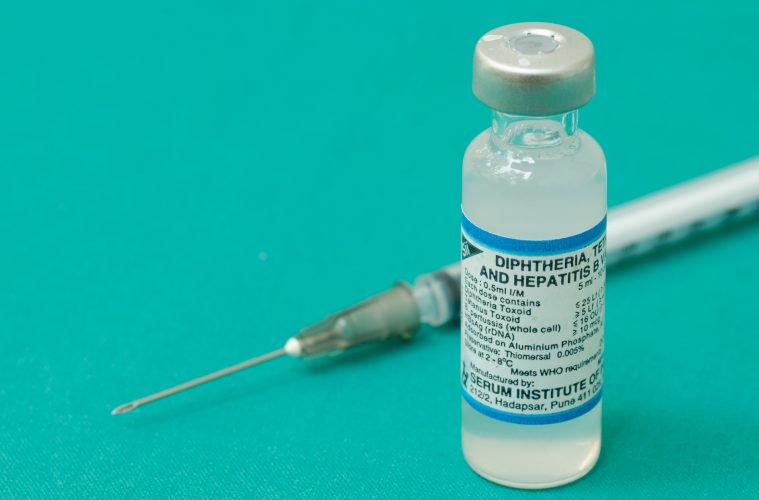
The Financial Imperative of Prevention: Averting Public Health Crises
The most compelling argument for the DTP vaccine, from a financial perspective, lies in its capacity to prevent diseases that impose crippling economic burdens. The decision to invest in widespread vaccination programs is, at its core, an economic calculation, demonstrating that an ounce of prevention is indeed worth far more than a pound of cure.
Understanding the Economic Burden of Diphtheria, Tetanus, and Pertussis
Without the DTP vaccine, the diseases it targets would incur astronomical costs across various sectors. Diphtheria, a severe bacterial infection, can lead to respiratory obstruction, heart damage, and neurological complications, often requiring intensive care and prolonged hospitalization. Tetanus, caused by a neurotoxin, demands highly specialized critical care, often involving ventilation and continuous sedation for weeks or months. Pertussis, particularly dangerous for infants, can result in pneumonia, seizures, brain damage, and death, necessitating lengthy hospital stays and complex medical interventions.
- Direct Costs: These are the immediate, measurable expenditures associated with treating these diseases. They encompass hospital admissions, intensive care unit (ICU) stays, physician fees, diagnostic tests, medications, surgical procedures, and long-term rehabilitative therapies. For severe cases, particularly tetanus and diphtheria, these costs can easily run into tens of thousands, if not hundreds of thousands, of dollars per patient, placing immense strain on individual families and national healthcare budgets.
- Indirect Costs: Beyond direct medical expenses, these diseases impose significant economic penalties through lost productivity and societal disruption. Patients, especially adults with tetanus or diphtheria, may be unable to work for extended periods, leading to lost wages and reduced economic output. Caregivers, often family members, may also need to take time off work, incurring further financial losses. The psychological and emotional toll on families, while difficult to quantify, often translates into reduced quality of life and long-term financial stress.
- Societal Costs: At a broader level, widespread outbreaks of these preventable diseases can overwhelm healthcare infrastructure, divert resources from other essential health services, and erode public trust in health systems. Epidemics can disrupt educational systems, impede trade and tourism, and generally destabilize economic activity, representing a significant drag on national development.
Vaccination as an Economic Investment
Seen through this lens, DTP vaccination shifts from a medical procedure to a strategic economic investment. The relatively modest cost of a full DTP immunization course pales in comparison to the potential expenditures associated with even a single severe case of diphtheria, tetanus, or pertussis.
- Comparing Cost of Prevention vs. Cost of Treatment: Numerous health economic studies consistently demonstrate that immunization programs offer one of the highest returns on investment in public health. The upfront cost of purchasing, distributing, and administering vaccines is significantly lower than the aggregated costs of treating the diseases they prevent, particularly when considering the cascading financial consequences of illness.
- Quantifying the Return on Investment (ROI): Analysts often calculate the ROI for vaccination programs by comparing the costs saved (medical expenses averted, productivity gains) against the investment made. These studies frequently show ROIs in the range of 10:1 to 16:1, meaning every dollar invested in vaccination yields ten to sixteen dollars in economic benefits. This makes DTP vaccination not just a health imperative but a financially sound policy choice.
- The Long-Term Economic Benefits of a Healthy, Productive Population: A healthy population is a productive population. By protecting children from debilitating and potentially fatal diseases, the DTP vaccine contributes to a healthier future workforce, reduces absenteeism in schools and workplaces, and lowers the burden on social welfare systems. This fosters long-term economic growth and human capital development, representing an invaluable, albeit indirect, financial return.
The Business of Vaccine Development and Global Supply Chains
The journey of the DTP vaccine from laboratory concept to global availability involves a complex, capital-intensive business ecosystem. Understanding the DTP vaccine’s financial profile requires appreciating the economic forces that shape its creation, production, and distribution.
R&D Investment and Pharmaceutical Economics
Developing vaccines is an extraordinarily expensive and risky endeavor, shaping the economic models of pharmaceutical companies involved.
- High Upfront Costs of Vaccine Research, Clinical Trials, Regulatory Approvals: The path from initial discovery to market approval can take a decade or more, costing hundreds of millions to billions of dollars. This includes basic research, preclinical testing, three phases of human clinical trials, and rigorous regulatory submissions that demonstrate safety and efficacy. Failures at any stage mean substantial sunk costs.
- Risk-Reward Profile for Pharmaceutical Companies: The high risk of R&D failure, coupled with the relatively low profit margins often associated with public health vaccines compared to lifestyle drugs, means that robust market mechanisms or public-private partnerships are often necessary to incentivize development. Companies must weigh the potential for a return on investment against the significant financial outlay and the often unpredictable demands of global health initiatives.
- Intellectual Property and Patent Considerations: Patents protect vaccine formulations and manufacturing processes, granting developers exclusive rights for a period. This intellectual property is crucial for recouping R&D costs and incentivizing innovation. However, striking a balance between protecting IP to encourage innovation and ensuring affordable global access remains a persistent economic and ethical challenge, often involving tiered pricing structures and voluntary licensing agreements.
Manufacturing, Distribution, and Logistics Costs
Once developed, manufacturing and distributing the DTP vaccine on a global scale presents its own set of formidable financial and logistical challenges.
- Complex Manufacturing Processes, Quality Control, Scaling Production: Vaccine production is a highly intricate biochemical process requiring specialized facilities, stringent quality control measures, and precise bioreactor technology. Scaling production to meet global demand, often involving hundreds of millions of doses annually, necessitates significant capital investment in infrastructure and highly skilled personnel.
- Maintaining Cold Chain Integrity for Global Distribution: DTP vaccines, like many others, require strict temperature control (the “cold chain”) from the point of manufacture to administration. This involves refrigerated storage, specialized transport vehicles, and reliable cold boxes, especially in remote or resource-limited settings. The cost of maintaining this cold chain adds substantially to the overall distribution expense, requiring sophisticated logistical planning and infrastructure investment.
- Supply Chain Resilience and Managing Unforeseen Disruptions: Global vaccine supply chains are vulnerable to disruptions, from natural disasters to geopolitical events. Building resilience involves diversified manufacturing sites, strategic stockpiling, and robust contingency planning—all of which carry significant financial implications.
- Economies of Scale and Bulk Purchasing Agreements: To manage costs, many international organizations and national governments leverage economies of scale through bulk purchasing agreements. Organizations like Gavi, the Vaccine Alliance, aggregate demand from multiple countries, negotiating lower prices with manufacturers and ensuring more equitable access, thereby optimizing the financial efficiency of vaccine procurement.
Funding Mechanisms and Financial Equity in Global Vaccination Efforts
The DTP vaccine’s financial journey culminates in its funding and distribution, areas marked by diverse mechanisms and ongoing efforts to achieve financial equity. The ability of individuals and nations to access this vital prevention tool is heavily dependent on the financial models in place.
Government Budgets and National Health Spending
For most populations, national governments play the primary role in financing DTP vaccination.
- Allocation of Public Funds for Immunization Programs: Governments globally allocate substantial portions of their health budgets to immunization programs. This involves not only vaccine procurement but also funding for administrative staff, public health awareness campaigns, cold chain infrastructure, and monitoring systems. These allocations reflect a national commitment to public health as an economic asset.
- Role of Universal Healthcare Systems in Vaccine Provision: In countries with universal healthcare, DTP vaccines are typically provided free of charge at the point of care, removing financial barriers for individuals. This is a deliberate policy choice, recognizing the overwhelming economic benefits of collective immunity.
- Budgeting for Vaccine Procurement, Administration, and Public Health Campaigns: Governments engage in complex budgeting exercises to forecast demand, negotiate prices, and ensure logistical capacity for mass immunization. Public health campaigns, crucial for vaccine uptake, also require dedicated funding to educate the public and counter misinformation.
International Aid and Philanthropic Contributions
For low- and middle-income countries, international financial support is critical in ensuring DTP vaccine access.
- Gavi, WHO, UNICEF, and Other Global Health Initiatives’ Financial Models: Organizations like Gavi, the Vaccine Alliance, pool financial resources from donor governments, foundations (e.g., the Bill & Melinda Gates Foundation), and private sector partners. These funds are then used to subsidize vaccine costs, strengthen health systems, and provide technical support to eligible countries, dramatically reducing the financial burden on the poorest nations. The World Health Organization (WHO) and UNICEF also play vital roles in procurement, distribution, and financial oversight.
- Public-Private Partnerships for Vaccine Access: These partnerships often bring together pharmaceutical companies, governments, and NGOs to address market failures and ensure vaccine availability in underserved regions. Financial commitments from all parties help de-risk development, stabilize supply, and facilitate equitable pricing.
- Donor Funding Challenges and Sustainability: While impactful, reliance on international aid can present challenges, including the volatility of donor funding, the need for long-term sustainable financing models, and the “graduation” dilemma where countries losing aid support struggle to maintain high vaccination coverage on their own.
Personal Financial Implications and Insurance Coverage
Even in developed nations, the individual’s financial interaction with DTP vaccination varies significantly.
- Out-of-Pocket Costs for Individuals: In healthcare systems without universal coverage or robust public health funding, individuals may face out-of-pocket costs for DTP vaccines. These costs, even if relatively small, can become a financial barrier for vulnerable populations, leading to lower vaccination rates and increased disease risk.
- The Role of Health Insurance in Covering Vaccination Expenses: In many countries, private and public health insurance plans are mandated to cover recommended immunizations, including DTP, often without co-payments or deductibles. This mitigates individual financial risk and promotes higher uptake.
- Financial Barriers to Vaccination and Strategies to Overcome Them: Understanding the financial barriers—whether direct costs, indirect costs like transportation, or opportunity costs of time off work—is crucial. Strategies include subsidized clinics, mobile vaccination units, employer-sponsored programs, and comprehensive public education campaigns that highlight the long-term financial benefits of vaccination.
The Economic Value Proposition of the DTP Vaccine
Ultimately, the DTP vaccine is more than a medical triumph; it is a powerful economic tool that underpins public health policy and contributes profoundly to global prosperity. Its value proposition extends far beyond direct cost savings.
Health Economics and Quality-Adjusted Life Years (QALYs)
Health economists quantify the value of interventions like the DTP vaccine using specific metrics.
- How Health Economists Measure the Value of Interventions: Cost-effectiveness analysis and cost-benefit analysis are key tools. These methodologies compare the cost of an intervention with the health outcomes achieved, providing a data-driven basis for resource allocation decisions.
- Assigning Monetary Value to Improved Health Outcomes and Extended Life: Metrics like Quality-Adjusted Life Years (QALYs) and Disability-Adjusted Life Years (DALYs) are used to measure the burden of disease and the gains from interventions. A QALY represents one year of perfect health. By preventing severe illness and premature death, the DTP vaccine generates QALYs, which can then be assigned an economic value, demonstrating its immense worth to society.

Beyond Direct Savings: Broader Economic and Social Returns
The economic returns from DTP vaccination ripple through society, generating benefits that extend well beyond immediate healthcare savings.
- Enhanced Educational Attainment Due to Reduced Childhood Illness: Healthy children attend school more regularly, perform better academically, and are more likely to complete their education. This translates into a more educated and skilled workforce in the future, fostering economic development.
- Increased Workforce Participation and Productivity: By preventing debilitating diseases in both children and adults, DTP vaccination ensures a healthier and more robust workforce, leading to higher productivity, fewer sick days, and greater economic output for nations.
- Reduced Burden on Social Welfare Systems: A healthier population places less demand on social welfare programs related to chronic illness, disability support, and long-term care, freeing up public funds for other critical investments.
- Contribution to National Stability and Development: When a population is protected from preventable diseases, societies are more stable, resilient, and better positioned for sustained economic growth and development. The DTP vaccine, therefore, indirectly contributes to a nation’s overall financial health and global competitiveness.
In conclusion, “what is the DTP vaccine?” is not merely a question about microbiology or immunology. It is fundamentally a question about finance, investment, risk management, and economic sustainability. It is a testament to the profound financial wisdom of prevention, a complex business requiring massive capital, and a powerful engine for global economic prosperity and equity.
aViewFromTheCave is a participant in the Amazon Services LLC Associates Program, an affiliate advertising program designed to provide a means for sites to earn advertising fees by advertising and linking to Amazon.com. Amazon, the Amazon logo, AmazonSupply, and the AmazonSupply logo are trademarks of Amazon.com, Inc. or its affiliates. As an Amazon Associate we earn affiliate commissions from qualifying purchases.