
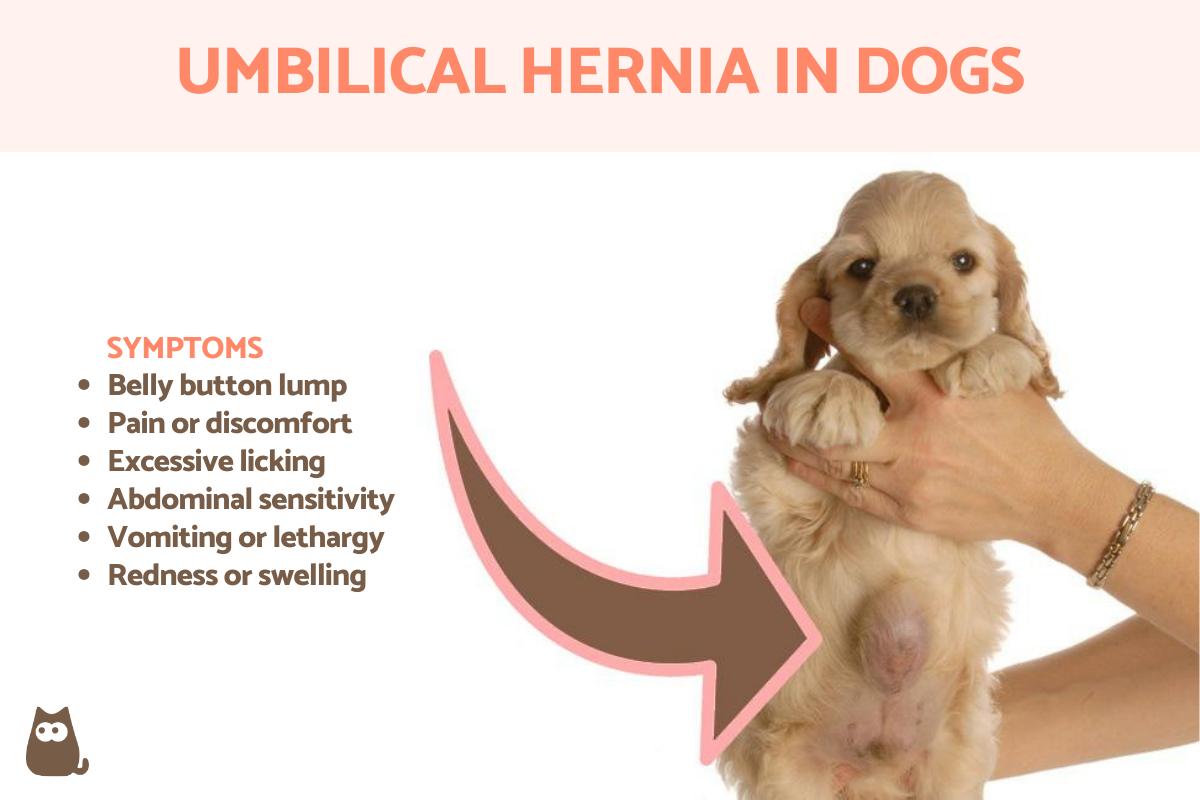
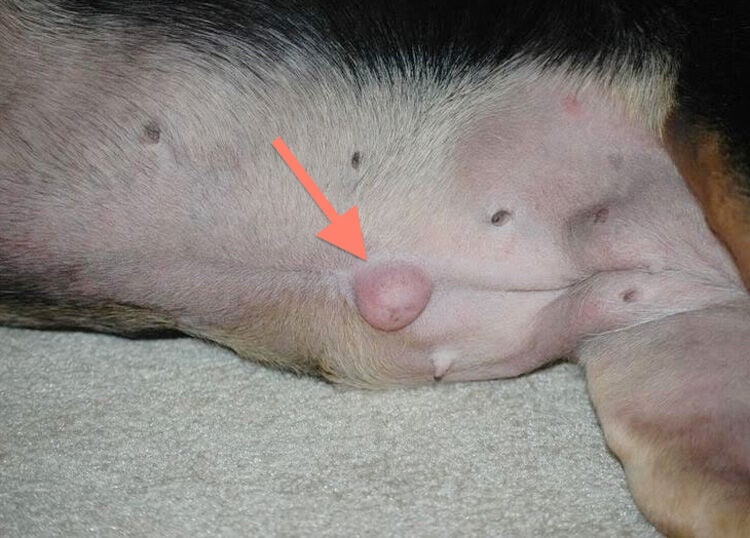
While the medical intricacies of a hernia in dogs are paramount for veterinary diagnosis and treatment, for the financially savvy pet owner, understanding this condition also necessitates a clear-eyed look at its economic ramifications. A hernia, in essence, is a protrusion of an organ or tissue through an abnormal opening in the body cavity that normally contains it. In dogs, common types include umbilical, inguinal, diaphragmatic, and perineal hernias, each varying in severity and potential health risks. What often begins as a simple observation can quickly escalate into a complex financial decision, involving diagnostics, surgical intervention, and extensive post-operative care. This article delves into the monetary aspects surrounding canine hernias, offering insights into budgeting, insurance, and the broader financial landscape of pet health.

The Unforeseen Financial Burden of Canine Hernias
A pet’s health emergency, particularly one requiring surgical correction like a hernia, can present a significant, often unexpected, financial challenge. Understanding the breakdown of these costs is crucial for prudent pet ownership and financial planning.
Diagnostic Expeditions and Their Costs
The journey to definitively diagnose a canine hernia often begins with a thorough physical examination by a veterinarian, which incurs a consultation fee. Beyond this initial assessment, various diagnostic tools are employed to confirm the presence, type, and severity of the hernia, as well as to rule out other conditions and assess the dog’s overall health before any invasive procedures. These can include X-rays, often requiring sedation, to visualize internal structures and identify organ displacement, especially for diaphragmatic or internal hernias. Ultrasound examinations provide a more detailed view of soft tissues and can help determine the contents of the hernia sac and the viability of any entrapped organs. Blood work, including complete blood counts (CBC) and serum biochemistry panels, is standard practice to evaluate the dog’s systemic health, check for infection, and assess organ function, which is critical pre-anesthesia. Each of these diagnostic steps carries its own fee, accumulating swiftly before any treatment even begins. For a pet owner, these initial costs can range from a few hundred to over a thousand dollars, depending on the complexity of the case and the veterinary practice’s pricing structure.
Surgical Interventions: A Significant Investment
Surgical repair is the primary treatment for most types of canine hernias, particularly those that are symptomatic, large, or pose a risk of strangulation (where blood supply to the herniated tissue is cut off, leading to necrosis). The cost of surgery is arguably the largest single component of the financial burden. This comprehensive fee typically includes several key elements: pre-anesthetic testing (which may duplicate or expand upon initial diagnostics), the surgeon’s fee, anesthesia administration and monitoring by a veterinary technician, facility usage fees, surgical supplies, and potentially an overnight stay for observation. The complexity of the surgery directly impacts the cost; a simple umbilical hernia repair is generally less expensive than a complex diaphragmatic or perineal hernia requiring specialized surgical techniques and prolonged anesthetic time. Factors such as the dog’s size, age, underlying health conditions, and the geographical location of the veterinary clinic can also significantly influence the final bill. Pet owners can expect surgical costs for a hernia to range anywhere from $1,000 to $5,000 or more, making it a substantial financial commitment.
Post-Operative Care and Potential Cost Overruns
The financial commitment does not end when the surgery is complete. Post-operative care is critical for a successful recovery and can add significantly to the overall expense. This phase typically includes pain management medication, antibiotics to prevent infection, and anti-inflammatory drugs. Follow-up appointments are necessary to monitor healing, remove sutures, and assess for any complications. These check-ups incur further consultation fees. Additionally, pets often require specialized Elizabethan collars (E-collars) to prevent them from licking or chewing at the incision site, which can cause infection or dehiscence. In some cases, unexpected complications such as infection, seroma formation, or even recurrence of the hernia can necessitate additional veterinary visits, diagnostic tests, or even revision surgery, leading to unforeseen cost overruns. For pet owners, budgeting for post-operative care is essential, as these costs can easily add several hundred dollars to the total, pushing the overall expenditure well beyond initial estimates.
Proactive Financial Strategies for Pet Health Emergencies
Given the substantial costs associated with conditions like canine hernias, proactive financial planning is not just advisable but often critical for ensuring beloved pets receive timely and necessary medical attention without causing undue financial strain on their owners.
Demystifying Pet Insurance: An Investment or Expense?
Pet insurance has emerged as a popular tool for mitigating the financial risks of unexpected veterinary bills. For a condition like a hernia, comprehensive pet insurance plans typically cover a significant portion of diagnostic tests, surgery, medication, and post-operative care, assuming the condition is not pre-existing before policy enrollment. Understanding the nuances of pet insurance is key: policies vary widely in terms of deductibles, reimbursement percentages (e.g., 70%, 80%, 90% of covered costs), annual limits, and what conditions are excluded. Owners must carefully review policy documents to ensure that conditions like hernias are covered and to understand the waiting periods before coverage takes effect. While monthly premiums represent a recurring expense, they can provide immense financial relief when faced with a multi-thousand-dollar veterinary bill. For many, the peace of mind offered by knowing that major medical expenses for their pet are largely covered outweighs the cost of premiums, positioning pet insurance as a valuable investment in their pet’s long-term health and their own financial security.
Building a Dedicated Pet Emergency Fund
Even with pet insurance, deductibles and co-pays mean pet owners will still bear a portion of the costs. Moreover, some may opt not to purchase insurance or find their pet’s condition is pre-existing. In these scenarios, a dedicated pet emergency fund becomes indispensable. This fund operates much like a personal emergency fund, set aside specifically for unexpected pet-related expenses. Regularly contributing a small amount to a high-yield savings account ensures that when an unforeseen medical issue, such as a hernia, arises, the necessary funds are readily available without resorting to high-interest credit cards or delaying critical care. Financial advisors often recommend having at least six months of living expenses saved for personal emergencies; similarly, a robust pet emergency fund should aim to cover at least one major veterinary incident, potentially ranging from $2,000 to $5,000. Establishing automated transfers from a checking account to this dedicated savings account can make the process seamless and build a financial safety net for a pet’s health needs over time.
Exploring Alternative Financial Assistance and Payment Plans
When faced with a significant veterinary bill that exceeds insurance coverage or personal savings, pet owners still have several avenues to explore. Many veterinary clinics offer in-house payment plans, allowing owners to pay for services over a period of weeks or months, often without interest. While not all clinics provide this, it’s always worth discussing with the financial or administrative staff. Additionally, third-party credit options like CareCredit or Scratchpay are specifically designed for healthcare expenses, offering deferred interest or low-interest financing options, similar to a credit card but tailored for medical costs. For those facing extreme financial hardship, various non-profit organizations and charities exist that provide financial aid for pet owners who cannot afford critical veterinary care. Organizations such as The Pet Fund, RedRover, or specific breed rescue groups often have programs to assist with surgical costs for conditions like hernias. Researching these options proactively can provide a lifeline when financial constraints threaten a pet’s well-being.
Broader Economic Implications for Pet Owners and Veterinary Businesses
The financial impact of conditions like canine hernias extends beyond the individual pet owner, touching upon the operational economics of veterinary practices and influencing broader financial strategies within the pet care industry.
Managing Practice Finances: Balancing Care and Profitability
For veterinary practices, managing cases like canine hernias involves a delicate balance between providing optimal medical care and ensuring financial viability. The cost of equipment for diagnostics and surgery, highly skilled veterinary staff, facility overheads, and inventory all contribute to the fees charged to pet owners. Practices must set prices that cover these operational costs while remaining competitive and accessible. When a patient requires advanced surgery or prolonged hospitalization, the financial outlay for the clinic is substantial. Strategic financial planning within a veterinary business involves meticulous cost-benefit analysis, efficient inventory management, staff training investment, and effective billing and collection processes. Furthermore, managing the financial expectations of pet owners, offering clear estimates, and discussing payment options are crucial aspects of client relations that directly impact a practice’s financial health and reputation. The ability of a clinic to manage its own finances directly influences its capacity to invest in cutting-edge technology and continue providing high-quality care for conditions such as canine hernias.
Online Income and Side Hustles to Offset Pet Expenses
In an era where pet care costs are rising, many resourceful pet owners turn to online income streams and side hustles to supplement their finances, specifically earmarking funds for their pets’ needs. The digital economy offers numerous opportunities, from freelance writing and graphic design to virtual assistance and online tutoring. Platforms like Upwork, Fiverr, or even specialized pet-sitting apps (e.g., Rover, Wag!) can provide flexible income. Creating and monetizing a pet-related blog or social media channel, selling handmade pet accessories on Etsy, or offering pet photography services are creative ways to generate additional funds. These endeavors not only help cover routine expenses like food and toys but also build a financial cushion for unexpected medical emergencies like hernia surgeries. For pet owners passionate about their animals, transforming a hobby or skill into a profit-generating activity directly linked to their pet’s welfare can be a highly motivating and effective financial strategy.
The Value Proposition of Preventative Care: A Financial Lens
From a purely financial perspective, investing in preventative care is often the most cost-effective approach to pet ownership, even for conditions that may seem congenital or unpredictable, like some hernias. Regular veterinary check-ups allow for early detection of abnormalities, including small, asymptomatic hernias, before they become larger, more complex, and thus more expensive to treat. For instance, an umbilical hernia might be identified during a routine puppy check-up and repaired during spay/neuter surgery for a combined, lower cost, rather than waiting until it becomes strangulated and requires emergency, standalone surgery. Preventative care also includes maintaining a pet’s overall health through proper nutrition, exercise, and vaccinations, which reduces the risk of other illnesses that could complicate hernia surgery or recovery. Financially, preventative care acts as an insurance policy against potentially exorbitant future costs, underscoring the wisdom of consistent, proactive investment in a pet’s health.
Strategic Financial Planning for a Dog’s Lifelong Well-being
Understanding “what is hernia in dogs” is not solely a medical pursuit but also a journey into astute financial planning for pet ownership. The costs associated with diagnosing, treating, and recovering from a canine hernia can be substantial, often running into thousands of dollars. By proactively embracing strategies such as pet insurance, establishing dedicated emergency funds, and exploring available financial aid, pet owners can significantly alleviate the economic stress associated with such health crises. Furthermore, recognizing the broader financial ecosystem, from veterinary practice management to income-generating side hustles, empowers owners to make informed decisions. Ultimately, responsible pet ownership, viewed through a financial lens, prioritizes consistent preventative care and strategic savings, ensuring that a dog’s health and well-being are never compromised due to financial limitations.
aViewFromTheCave is a participant in the Amazon Services LLC Associates Program, an affiliate advertising program designed to provide a means for sites to earn advertising fees by advertising and linking to Amazon.com. Amazon, the Amazon logo, AmazonSupply, and the AmazonSupply logo are trademarks of Amazon.com, Inc. or its affiliates. As an Amazon Associate we earn affiliate commissions from qualifying purchases.