
In the dynamic world of pharmaceuticals, the intrinsic purpose of a drug forms the bedrock upon which its entire brand identity, marketing strategy, and corporate positioning are built. For a substance like phenazopyridine, understanding “what it is used for” isn’t merely a clinical definition; it is the fundamental insight that shapes how pharmaceutical companies connect with consumers, foster trust, and differentiate their offerings in a competitive market. Phenazopyridine, a well-known urinary tract analgesic, provides a compelling case study for examining how a specific medical utility is translated into a coherent and effective brand narrative. This article delves into the strategic implications of phenazopyridine’s primary use, exploring how brands leverage its functionality to create compelling identities, execute impactful marketing campaigns, and maintain longevity in the marketplace.

The Core Utility as a Brand’s Anchor: Unpacking Phenazopyridine’s Purpose
At the heart of any successful pharmaceutical brand lies a clear, demonstrable answer to a consumer or patient need. For phenazopyridine, that answer is unequivocal: it is a symptomatic relief agent for urinary tract discomfort. This singular, focused utility is the starting point for every brand strategy.
Defining the Drug’s “Why”: Symptomatic Relief for UTIs
Phenazopyridine’s primary use is to alleviate the symptoms associated with urinary tract infections (UTIs) or other irritations of the lower urinary tract. These symptoms typically include pain, burning, urgency, and frequent urination. It acts as a local anesthetic on the urinary tract mucosa, providing comfort while other medications (like antibiotics for a UTI) address the underlying cause. From a branding perspective, this immediate symptomatic relief is the core “problem solved” that resonates deeply with individuals experiencing discomfort.
Pharmaceutical brands don’t just sell chemicals; they sell solutions to problems. For phenazopyridine, the brand promise is swift, targeted relief from acute discomfort. This “why” must be articulated with precision and empathy in all brand communications. The brand’s identity is inextricably linked to this immediate gratification, positioning the product not just as a drug, but as a temporary reprieve, a source of comfort during a distressing time. This foundational understanding dictates everything from packaging design and color schemes, which often convey a sense of calm or urgency, to the language used in advertising, which prioritizes words like “relief,” “comfort,” and “fast-acting.” Without this clear definition of its use, phenazopyridine’s branding would lack a compelling value proposition, struggling to connect with its target audience effectively.
From Mechanism to Market Message: Translating Science into Consumer Benefit
The scientific explanation for phenazopyridine’s action involves its local anesthetic effect on the urinary tract lining. However, for the average consumer, this mechanistic detail is less important than the practical outcome. The challenge for branding professionals is to translate this scientific reality into an accessible, understandable, and persuasive market message.
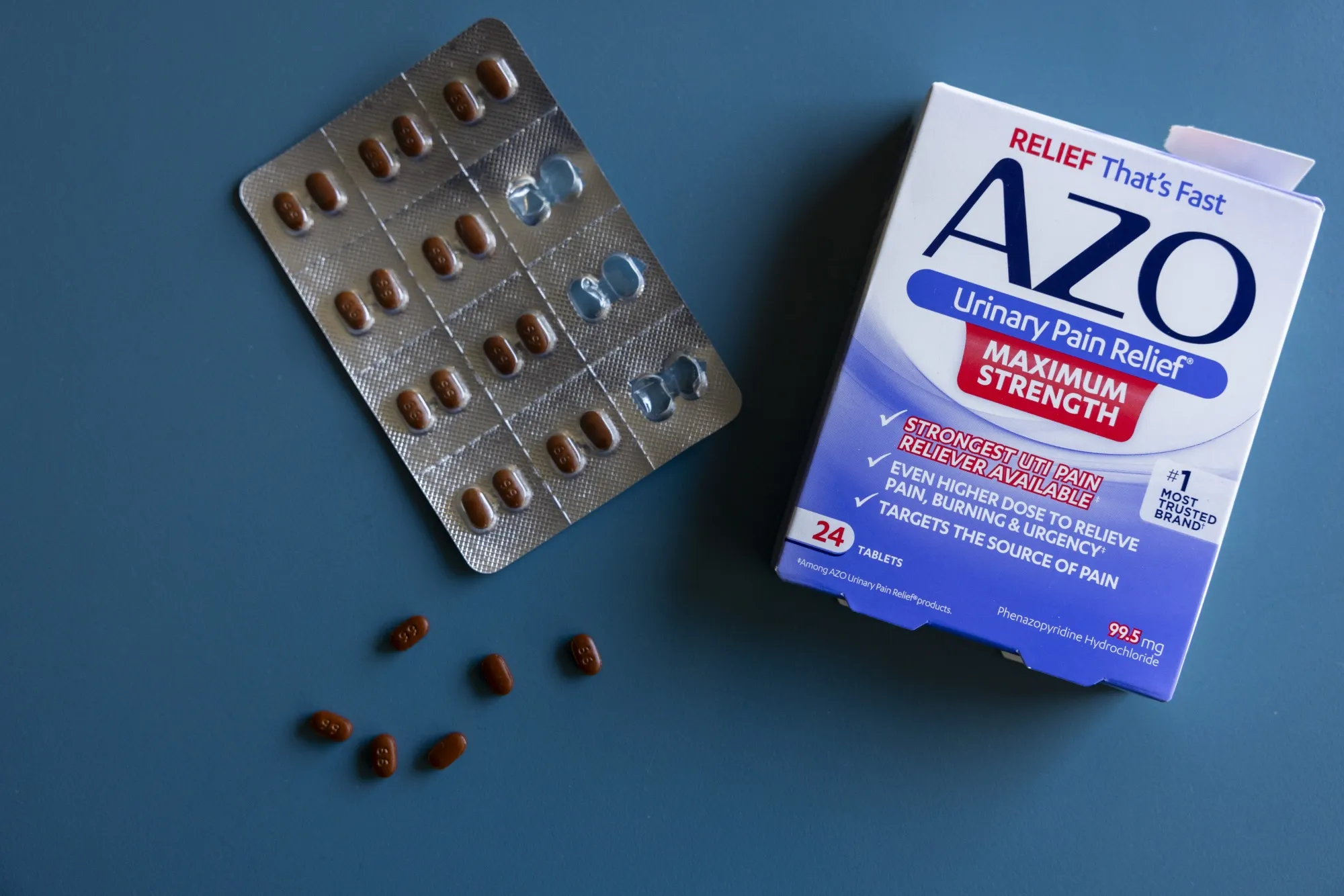
This translation involves distilling complex pharmacology into simple, benefit-driven language. Instead of focusing on “azo dyes” or “mucosal anesthesia,” brands emphasize “soothes urinary pain,” “calms the burning sensation,” or “reduces discomfort.” This simplification is crucial for mass market appeal, especially for over-the-counter (OTC) versions of phenazopyridine. The brand identity is built upon this clarity, ensuring that consumers can quickly grasp what the product does and how it will help them. This often involves careful selection of brand names that hint at relief (e.g., “AZO Urinary Pain Relief”) and slogans that are direct and reassuring. The ability of a brand to effectively bridge the gap between scientific efficacy and consumer benefit is a hallmark of strong pharmaceutical branding, making the drug’s purpose immediately clear and desirable. This strategic communication also extends to differentiating between the symptomatic relief offered by phenazopyridine and the curative action of antibiotics, a critical distinction for responsible health messaging and brand positioning.
Crafting Brand Identity Around Symptomatic Relief
The inherent utility of phenazopyridine provides a canvas for diverse branding approaches. Depending on market access and target audience, different strategies emerge to articulate the same core benefit.
OTC vs. Prescription Branding: Different Approaches to a Shared Purpose
Phenazopyridine is available both by prescription (historically as Pyridium, though now largely generic) and over-the-counter (OTC, most notably under the AZO brand). This dual availability necessitates distinct branding strategies, even though the fundamental purpose of the drug remains constant.
For prescription branding, the focus is often on physician endorsement, clinical efficacy, and trust within the medical community. While still communicating symptomatic relief, the messaging might be more technical, emphasizing drug interactions, precise dosing, and integration into a broader treatment plan. The brand’s corporate identity is tied to medical professionalism and reliability. Marketing efforts are often directed towards healthcare providers, relying on sales representatives and medical journals to convey the drug’s utility and safety profile.
In contrast, OTC branding for phenazopyridine-containing products shifts its emphasis directly to the consumer. Brands like AZO prioritize accessibility, speed of action, and empowerment. Packaging is designed for retail shelves, often featuring bright, reassuring colors and clear, benefit-driven headlines. Marketing campaigns leverage television, digital media, and in-store promotions, speaking directly to individuals experiencing UTI symptoms. The brand’s identity becomes synonymous with immediate self-care and readily available comfort. This differentiation in branding highlights how the same active ingredient, used for the same purpose, can adopt vastly different identities based on its distribution channel and target audience, each meticulously crafted to maximize impact within its specific market segment.
Visual & Verbal Identity: Communicating Urgency and Relief
The distressing nature of UTI symptoms means that brands of phenazopyridine must communicate both urgency and relief effectively through their visual and verbal identities. This involves a thoughtful selection of brand elements designed to evoke specific emotional responses and provide immediate clarity.
Visually, many brands opt for colors that suggest cleanliness, calm, or efficacy – blues, whites, and purples are common. The design often features clear, uncluttered layouts that make it easy for a distressed consumer to quickly identify the product’s purpose. Icons or imagery might subtly convey comfort or a reduction in pain. The brand’s logo is usually clean, professional, and trustworthy, reinforcing a sense of reliability when consumers are vulnerable.

Verbally, brand names are often short, memorable, and sometimes suggestive of their function (e.g., “AZO” for “azo dye,” the class of compound). Slogans and taglines are crafted to be direct and reassuring: “Fast relief for UTI pain,” “Soothing comfort, quickly,” or “Your go-to for urgent relief.” The language used in advertising and product descriptions is empathetic, acknowledging the consumer’s discomfort while offering a clear solution. This careful construction of visual and verbal identity ensures that the brand not only informs consumers what phenazopyridine is used for but also reassures them that it is the trusted solution they need, establishing a strong brand-consumer connection rooted in understanding and empathy.
Marketing Strategies: Reaching Consumers in Distress
Effective marketing for phenazopyridine-based products hinges on understanding the consumer journey – from the onset of symptoms to the search for a solution. Brands must strategically position themselves to be discovered and chosen during this critical period.
Targeting the Consumer Journey: From Symptoms to Solution
The consumer journey for someone experiencing UTI symptoms is often characterized by sudden onset, discomfort, and a pressing need for relief. Marketing strategies for phenazopyridine-containing brands are meticulously designed to intercept consumers at various points along this journey, transforming symptoms into a pathway to a solution.
Initial awareness campaigns might focus on education, helping individuals recognize UTI symptoms and understand that immediate relief options exist. Digital marketing plays a crucial role here, with search engine optimization (SEO) ensuring that branded products appear prominently when consumers search for “UTI pain relief” or “burning urination.” Content marketing can provide valuable information on managing UTIs, subtly integrating the brand as part of a comprehensive care strategy.
At the point of decision, such as in a pharmacy aisle, packaging and in-store displays become vital. The brand must instantly communicate its core promise – what phenazopyridine is used for – with clarity and urgency. This includes clear labeling of “fast-acting relief” or “targets urinary pain.” The goal is to make the product the obvious choice for someone actively seeking comfort. This integrated approach ensures that the brand is not only visible but also resonant, speaking directly to the consumer’s immediate need for relief and building an immediate connection based on the drug’s utility.
Building Trust and Authority: Leveraging Medical Endorsement and User Experience
In the realm of health products, trust and authority are paramount. For brands offering phenazopyridine, leveraging medical endorsement and positive user experience is crucial for establishing credibility and reinforcing the brand’s position as a reliable solution.
While phenazopyridine is an OTC product, the underlying medical context of UTIs means that trust is heavily influenced by perceived medical authority. Brands often feature messaging that emphasizes physician recommendation, pharmacist trust, or adherence to pharmaceutical standards. This might involve displaying seals of approval, referencing clinical studies (in more discreet ways for OTC), or collaborating with healthcare professionals for educational content. The corporate identity of the pharmaceutical company behind the brand contributes significantly to this perception of authority.
Furthermore, user experience plays a critical role. Positive reviews and testimonials, whether on e-commerce sites or social media, serve as powerful social proof. Brands encourage user-generated content and provide platforms for consumers to share their relief stories, reinforcing the efficacy of what phenazopyridine is used for from a peer perspective. This combination of expert validation and authentic user experience builds a robust foundation of trust, transforming the drug’s functional purpose into a credible and highly recommended brand solution.
Brand Longevity and Evolution: Adapting to Market Dynamics
The pharmaceutical landscape is constantly evolving, with new competitors, generic alternatives, and shifting consumer expectations. For phenazopyridine brands, maintaining longevity requires strategic adaptation and differentiation.
Managing Generic Competition and Brand Differentiation
Phenazopyridine has been around for decades, and generic versions are widely available and often significantly cheaper. This poses a significant challenge for branded products, necessitating robust brand differentiation strategies to justify a premium price point or maintain market share.
Brands must go beyond simply stating “what phenazopyridine is used for” and instead emphasize added value. This might involve superior packaging for convenience, slight variations in formulation (e.g., specific coatings), or bundling with other complementary products (like cranberry supplements). The brand’s corporate identity becomes crucial here, with established names often leveraging their long-standing reputation for quality and reliability. Marketing messages focus on brand heritage, consistent quality, and the peace of mind that comes with a trusted name, differentiating themselves from the perceived anonymity of generics. This strategic focus on differentiation ensures that even with a commoditized active ingredient, a strong brand can continue to thrive by providing perceived or actual added value.
Expanding the Brand Narrative: Beyond Core Use
While phenazopyridine’s core use is highly specific, successful brands often seek to expand their narrative beyond a single product. This involves understanding the broader needs of their target audience and building out a more comprehensive brand ecosystem.
For a brand like AZO, whose flagship product contains phenazopyridine, this expansion might involve offering a full line of urinary health products: cranberry supplements for prevention, probiotics for feminine health, or even tests for early UTI detection. This strategy transforms the brand from a single-solution provider into a holistic partner in urinary and feminine health. The corporate identity evolves from being solely about “relief” to encompassing “prevention,” “maintenance,” and “overall well-being.” This allows the brand to capture a larger share of the consumer’s health spending and build deeper, longer-term relationships. By carefully extending its brand narrative, a company can leverage the initial understanding of “what phenazopyridine is used for” to create a broader, more resilient brand presence that adapts to changing market demands and consumer needs.
In conclusion, “what is the drug phenazopyridine used for” is far more than a simple medical question; it’s the strategic cornerstone for an entire universe of pharmaceutical branding. From defining its core promise of symptomatic relief to crafting distinct identities for OTC and prescription markets, and from implementing targeted marketing strategies to ensuring brand longevity in a competitive landscape, every aspect of a phenazopyridine-based brand is meticulously constructed around its fundamental purpose. This intricate relationship between a drug’s utility and its brand journey offers invaluable insights into the power of strategic communication and identity in the healthcare sector.
aViewFromTheCave is a participant in the Amazon Services LLC Associates Program, an affiliate advertising program designed to provide a means for sites to earn advertising fees by advertising and linking to Amazon.com. Amazon, the Amazon logo, AmazonSupply, and the AmazonSupply logo are trademarks of Amazon.com, Inc. or its affiliates. As an Amazon Associate we earn affiliate commissions from qualifying purchases.