
Understanding the distinction between wine and Champagne extends far beyond a simple comparison of still versus sparkling. From a brand perspective, this difference illuminates a fascinating interplay of product identity, strategic positioning, legal protection, and consumer perception that shapes global markets. At its core, Champagne isn’t merely a type of sparkling wine; it’s a meticulously cultivated brand, safeguarded by centuries of tradition and law, that stands in stark contrast to the vast, diverse, and often more fluid branding landscape of general wine.
The Core Identity: Product vs. Protected Designation
The fundamental difference lies in their very definition and the brand equity each carries, heavily influenced by geographical origin and production method.

Wine: A Broad Spectrum of Branding Potential
Wine, in its broadest sense, is an alcoholic beverage made from fermented grape juice. This expansive definition gives rise to an incredibly diverse category, encompassing still wines (red, white, rosé), fortified wines, and various sparkling wines (excluding Champagne). For marketers and brand strategists, this vastness presents both opportunities and challenges.
Branding in the still wine sector often revolves around several key pillars:
- Terroir: The unique combination of soil, climate, and topography of a specific region. Brands like “Bordeaux,” “Napa Valley,” or “Burgundy” leverage their terroir as a primary brand differentiator, associating their wines with specific quality, style, and historical significance.
- Varietal Focus: Many wines are branded by the grape varietal, such as Cabernet Sauvignon, Chardonnay, or Pinot Noir. The brand here is often built around the varietal’s characteristic flavor profile and its perceived quality from a particular region.
- Winemaker’s Reputation: The individual or family behind the label can be a powerful brand asset, particularly for premium wines. Their philosophy, expertise, and consistent quality become synonymous with the wine itself.
- Price Point Positioning: Wine brands exist across a wide spectrum, from accessible everyday options to ultra-luxury collectibles. Branding strategies are tailored to these price points, influencing everything from label design to distribution channels and marketing narratives.
- Marketing Strategies: Still wine brands employ storytelling that emphasizes heritage, craftsmanship, sustainable practices, food pairing versatility, and the lifestyle associated with a particular region or occasion. The goal is to carve out a unique identity within a highly saturated market.
Champagne: A Brand Built on Exclusivity and Method
Champagne, on the other hand, is a specific type of sparkling wine that enjoys a protected designation. To legally bear the name “Champagne,” a sparkling wine must meet stringent requirements: it must be produced exclusively within the Champagne region of France, using specific grape varietals (primarily Pinot Noir, Pinot Meunier, and Chardonnay), and adhere strictly to the traditional method of secondary fermentation in the bottle, known as the Méthode Champenoise.
This legally enforced exclusivity forms the bedrock of Champagne’s formidable brand identity:
- PDO Status (Protected Designation of Origin): This legal framework is Champagne’s strongest brand asset. It guarantees authenticity, quality, and origin, elevating it above other sparkling wines. This protection prevents any other producer from using the name, making “Champagne” an intrinsically exclusive brand.
- Association with Luxury and Celebration: Through decades of consistent marketing and cultural embedding, Champagne has become globally synonymous with luxury, prestige, and grand celebrations. It’s the default choice for toasts, anniversaries, and significant milestones.
- Specific Production Method: The Méthode Champenoise is not just a technical process; it’s a branding tool. It signifies meticulous craftsmanship, time-intensive aging, and a commitment to producing wines with unique complexity, fine bubbles, and distinctive yeasty notes.
- Historical Legacy: Major Champagne houses (e.g., Moët & Chandon, Veuve Clicquot, Dom Pérignon) boast centuries of history, royal warrants, and iconic figures, all contributing to an unparalleled brand narrative of timeless elegance and innovation.
- Marketing Strategies: Champagne brands emphasize their heritage houses, the rarity of their vintages, aspirational lifestyles, and the consistent excellence that justifies premium pricing. They don’t just sell a drink; they sell an experience and a status symbol.
Marketing the Experience: From Everyday Enjoyment to Grand Celebrations
The distinct brand identities of wine and Champagne dictate vastly different marketing approaches, targeting diverse consumer mindsets and occasions.
Branding Still Wines: Diversity in Positioning
Still wine brands navigate a vast landscape of consumer preferences and price points, requiring highly segmented and adaptable marketing strategies.
- Target Audience: Still wine’s target audience is incredibly broad, ranging from casual drinkers seeking an affordable dinner accompaniment to connoisseurs investing in rare vintages. Marketing efforts are tailored to segments based on age, lifestyle, income, and taste preferences.
- Marketing Channels: Distribution and promotion are diversified, including mass-market retail displays, specialist wine shops, restaurant pairings (where sommeliers act as brand ambassadors), online communities, and direct-to-consumer sales for smaller wineries.
- Brand Messaging: Messaging can vary wildly. Some brands focus on approachable, fruit-forward profiles for everyday consumption. Others highlight organic farming, sustainable practices, or the nuanced expression of a specific vineyard. The emphasis is often on authenticity, tradition, or innovative winemaking techniques, always linking the product to specific food pairings or social settings.
Branding Champagne: The Zenith of Celebration
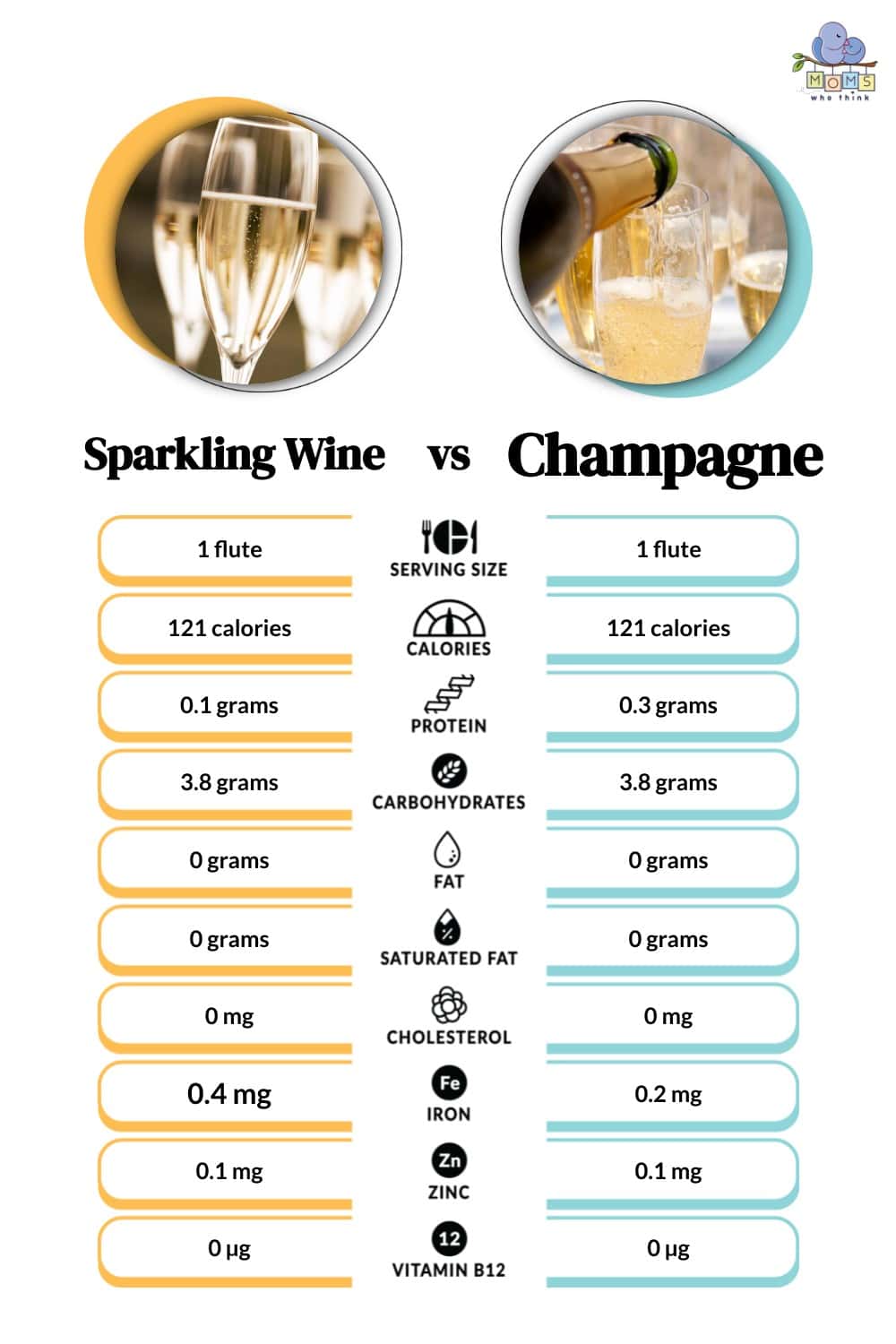
Champagne’s marketing is laser-focused on its premium positioning and its role in momentous occasions, cultivating an aspirational allure.
- Target Audience: The primary audience for Champagne is generally more affluent, those seeking to commemorate significant events, gift-givers, and luxury consumers who appreciate prestige and exclusivity.
- Marketing Channels: Champagne brands gravitate towards high-end events, luxury sponsorships (e.g., yacht races, fashion shows), collaborations with other luxury brands, exclusive club partnerships, and carefully curated celebrity endorsements. Distribution often prioritizes fine dining restaurants, high-end hotels, and specialist retailers.
- Brand Messaging: The core message is consistent: Champagne embodies joy, success, achievement, and indelible memories. It’s positioned as an indispensable element for life’s most cherished moments, suggesting that choosing Champagne elevates an occasion from special to truly extraordinary. The marketing rarely needs to explain what Champagne is; rather, it reinforces why it’s the ultimate celebratory choice.
Visual and Sensory Branding: Design, Packaging, and Perception
The physical presentation and sensory profile are crucial brand cues for both wine and Champagne, communicating quality, origin, and the intended experience.
Bottle and Label Design: Communicating Brand Identity
The aesthetic elements of a bottle and label are often a consumer’s first interaction with a brand, setting expectations for what’s inside.
- Still Wine: Bottles come in various traditional shapes (e.g., the high-shouldered Bordeaux bottle, the sloping-shouldered Burgundy bottle), each subtly communicating a historical lineage or style. Label design is immensely varied, ranging from minimalist and modern to ornate and traditional. Key information typically includes the region, producer, vintage, and grape varietal, all presented in a way that aligns with the brand’s target demographic and price point. A simple, elegant label might suggest sophistication, while a more whimsical design targets a younger, less formal audience.
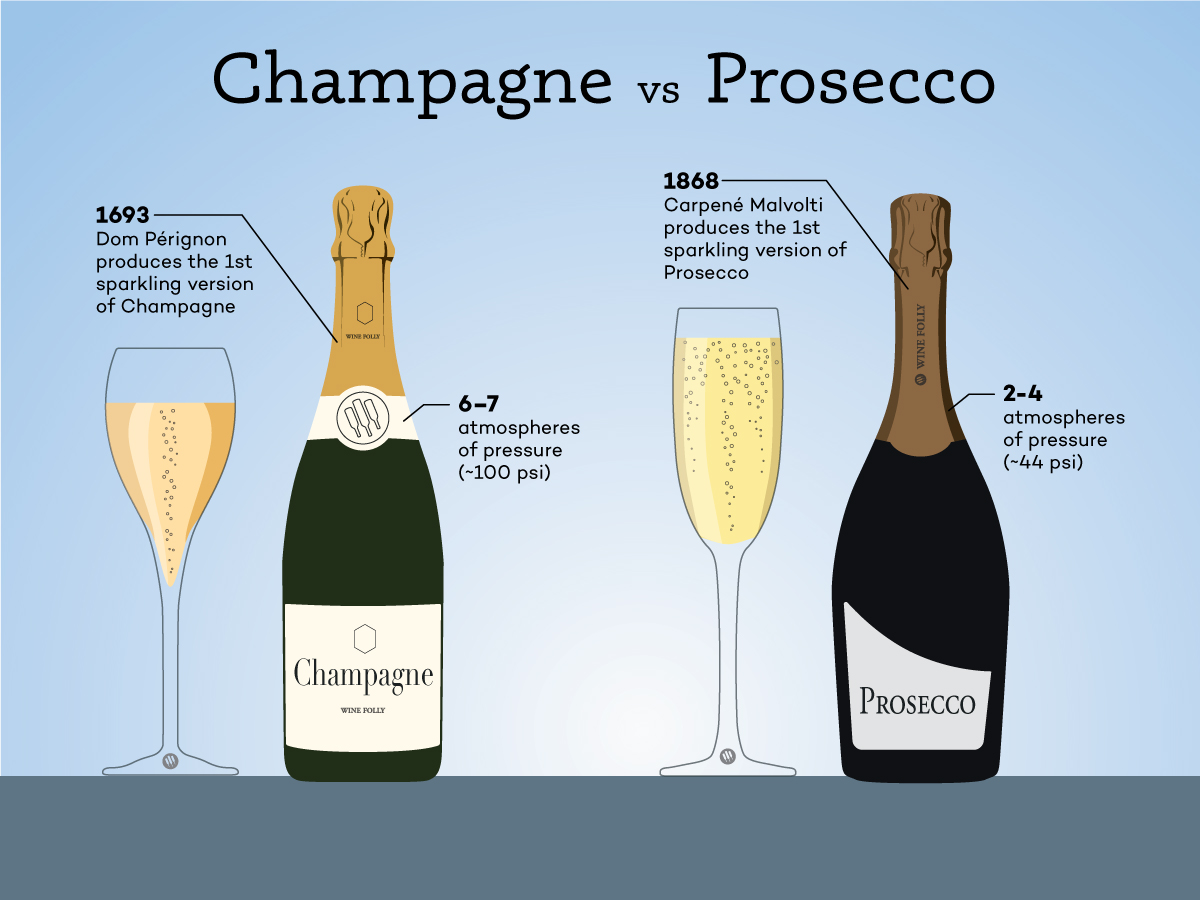
- Champagne: Champagne bottles are distinctly recognizable – heavy glass, often deep-punted (an indentation in the base), designed to withstand the internal pressure of carbonation. The traditional foil capsule and muselet (wire cage) are iconic elements, immediately signaling a sparkling wine of premium quality. Labels are typically elegant, featuring the house name prominently, often with ornate detailing, and clearly indicating vintage or non-vintage status. This consistent visual identity reinforces its luxury status and historical authenticity.
Aroma, Taste, and Mouthfeel: Sensory Brand Cues
Beyond the visual, the actual drinking experience forms a critical part of the brand.
- Still Wine: Brands distinguish themselves through a vast spectrum of sensory profiles. A bold Cabernet Sauvignon brand might emphasize notes of blackcurrant and cedar, perfect for pairing with red meat. A crisp Sauvignon Blanc brand highlights citrus and herbal notes, ideal for seafood. These sensory attributes are integral to the brand story, guiding consumer expectations and food pairing recommendations.
- Champagne: Champagne’s sensory brand is defined by its consistent effervescence (fine, persistent bubbles), a complex aromatic profile often featuring notes of brioche, toast, and nuts (a result of lees aging), and a characteristic crisp acidity balanced by richness. These elements are not incidental; they are cultivated through strict production methods and are central to the “Champagne experience” – a taste that is instantly recognizable and associated with celebration and refinement.
Brand Protection and Geographical Indication: The Power of Origin
The legal framework surrounding geographical indications significantly impacts the branding power and market value of both wine and Champagne.
The Legal Framework: Safeguarding Brand Equity
- Champagne’s AOC/PDO Status: The Appellation d’Origine Contrôlée (AOC) and broader European Protected Designation of Origin (PDO) for Champagne are monumental achievements in brand protection. This legal shield ensures that only sparkling wine produced under stringent rules within the Champagne region can use the name. This protection prevents dilution of the brand, maintains quality standards, and allows Champagne to command premium prices due to its inherent scarcity and guaranteed provenance. It effectively created a global luxury brand out of a region and a product.
- Implications for “Sparkling Wine”: For other sparkling wine producers, this means they must differentiate themselves without using the coveted “Champagne” name. This has led to the successful branding of other regional sparkling wines like Prosecco (Italy), Cava (Spain), and Sekt (Germany), each developing its own brand identity, production methods, and target market, often emphasizing approachability and value compared to Champagne.
Consumer Perception and Value Proposition
The protected status of Champagne has profoundly shaped consumer perception and its perceived value. Consumers worldwide recognize “Champagne” as a mark of authenticity and guaranteed quality, justifying its higher price point. This brand trust is immense. Similarly, established still wine regions with their own PDOs (like Barolo or Rioja) leverage their geographical indications to build brand equity, ensuring consumers associate their wines with specific characteristics, tradition, and quality, thus commanding respect and often higher prices in the global market. The power of origin is a testament to effective long-term brand building and protection.
The Future of Wine and Champagne Branding
As global markets evolve, both wine and Champagne brands are adapting. Sustainability and organic certifications are emerging as powerful brand differentiators, appealing to environmentally conscious consumers. Digital marketing and direct-to-consumer channels are reshaping how brands connect with their audience, offering new avenues for storytelling and engagement. While Champagne houses strive to maintain their legacy of luxury and exclusivity, still wine brands continue to innovate, catering to diverse preferences, including low-alcohol options and unique flavor profiles. Ultimately, the successful differentiation between wine and Champagne will continue to hinge on their ability to articulate a clear, compelling brand story that resonates with consumer values, tradition, and aspirations.
aViewFromTheCave is a participant in the Amazon Services LLC Associates Program, an affiliate advertising program designed to provide a means for sites to earn advertising fees by advertising and linking to Amazon.com. Amazon, the Amazon logo, AmazonSupply, and the AmazonSupply logo are trademarks of Amazon.com, Inc. or its affiliates. As an Amazon Associate we earn affiliate commissions from qualifying purchases.