
The seemingly simple question, “What time market closed?”, unlocks a complex and critical aspect of the financial world. Far from a mere logistical detail, market closing times dictate the pace of global commerce, influence investment strategies, and shape the daily lives of millions of traders and investors. Understanding these rhythms is fundamental to navigating the intricate dance of supply and demand that defines asset prices. For new entrants to experienced portfolio managers, grasping the intricacies of market hours – from standard trading sessions to the burgeoning world of extended and perpetual trading – is not just about avoiding missed opportunities, but about effective risk management and strategic positioning within a constantly evolving financial landscape. This article will delve into the various closing times across different asset classes, explore the implications of these schedules, and consider how technological advancements are challenging traditional notions of a “closed” market.
The Standard Trading Day: A Framework for Investors
For many, the image of “the market” immediately conjures thoughts of the bustling trading floors of New York, a beacon of global finance. These major exchanges establish the baseline for what most individual investors perceive as regular market hours. However, this is just one piece of a much larger, global puzzle, each with its own rhythm and significance.
New York Stock Exchange (NYSE) and NASDAQ: The American Bellwethers
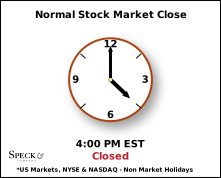
In the United States, the dominant equity exchanges, the New York Stock Exchange (NYSE) and the NASDAQ, operate on a well-defined schedule. Their regular trading hours run from 9:30 AM Eastern Time (ET) to 4:00 PM ET, Monday through Friday. This six-and-a-half-hour window is often referred to as “the market open” and “the market close” for US equities. During these hours, liquidity is typically highest, bid-ask spreads are tightest, and the vast majority of trading volume occurs. This concentrated activity allows for efficient price discovery, as a broad consensus of market participants contributes to the valuation of listed companies. Exceptions to this schedule include national holidays, when the markets are fully closed, and occasional early closures, often observed on the day before or after certain holidays.
Understanding Market Hours’ Significance
The existence of fixed market hours is not arbitrary. Historically, they were essential for practical reasons, allowing time for manual order processing, trade settlement, and the dissemination of information. In the modern era, while technology has automated many of these tasks, the concept of a “trading day” persists due to several critical factors:
- Liquidity Concentration: Fixed hours ensure that a critical mass of buyers and sellers are active simultaneously, leading to greater liquidity. High liquidity means trades can be executed quickly and efficiently without significantly impacting the asset’s price, providing fairer pricing for all participants.
- Information Processing: The closed period provides a crucial window for investors, analysts, and companies to digest news, financial reports, and macroeconomic data without the immediate pressure of an open market. This allows for more considered reactions when trading resumes.
- Human Factor and Work-Life Balance: While machines trade 24/7, humans ultimately manage and oversee these systems. Regular hours help maintain a semblance of work-life balance for financial professionals, reducing burnout and promoting more thoughtful decision-making, though this is increasingly challenged by extended trading.
Time Zones and Global Markets
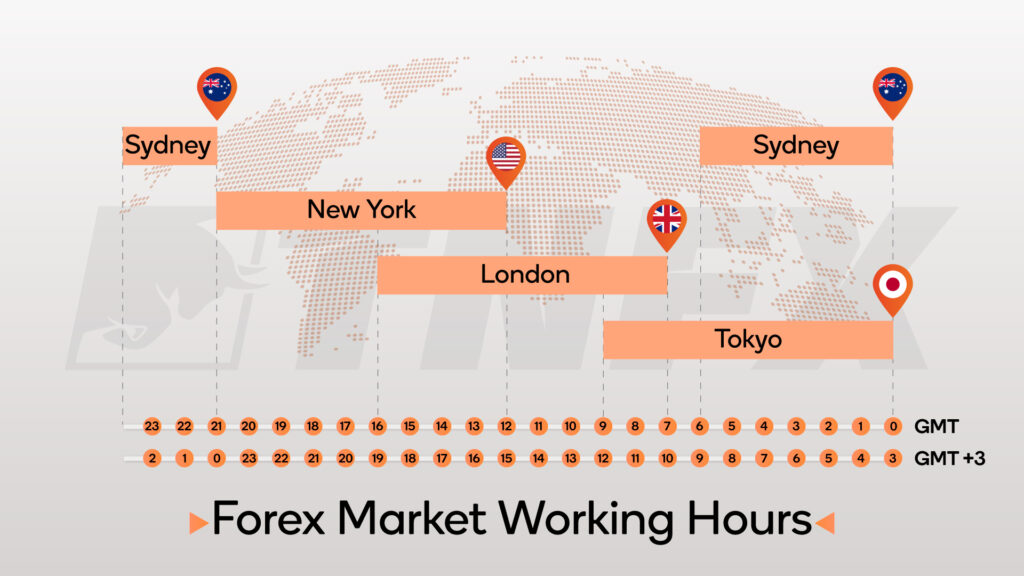
While the US market hours are prominent, it’s vital to remember that global financial markets operate around the clock. As one major market closes, another is often opening or already in full swing, creating a continuous chain of trading activity across different time zones. Major markets like the London Stock Exchange (LSE), Tokyo Stock Exchange (TSE), and Shanghai Stock Exchange (SSE) each have their own standard trading hours, which can overlap with others, creating specific periods of heightened global liquidity and cross-market influence. For example, the overlap between European and US trading hours often sees some of the highest daily trading volumes globally.
Beyond Regular Hours: The World of Extended Trading
The notion of the market being “closed” at 4:00 PM ET is increasingly outdated for many sophisticated investors and active traders. The advent of Electronic Communication Networks (ECNs) and advanced trading platforms has ushered in an era of extended trading hours, significantly blurring the lines between open and closed markets. These periods, both before the standard open and after the standard close, offer unique opportunities and pose distinct risks.
Pre-Market Trading
Pre-market trading refers to the period before the regular stock market open. For US equities, this typically runs from 4:00 AM ET to 9:30 AM ET. During these hours, institutional investors, professional traders, and increasingly, retail investors with access to suitable brokers, can place buy and sell orders. Activity often picks up significantly closer to the regular open, as traders position themselves based on overnight news, futures market movements, and international market performance.
The primary drivers of pre-market activity often include:
- Earnings Reports: Many companies release their quarterly earnings reports before the market opens, leading to immediate price reactions.
- Major News Announcements: Geopolitical events, economic data releases, or significant company-specific news can trigger substantial movements.
- Brokerage Operations: Brokers use this time to clear overnight orders and prepare for the regular session.
While it offers a head start, pre-market trading is characterized by lower liquidity and higher volatility compared to regular hours. This means that larger orders can have a more pronounced impact on prices, and bid-ask spreads tend to be wider, potentially leading to less favorable execution prices.
After-Hours Trading
After-hours trading takes place after the regular market close, typically from 4:00 PM ET to 8:00 PM ET. Similar to pre-market, it’s facilitated by ECNs that match buyers and sellers electronically. This period is also critical for responding to breaking news, particularly earnings reports released after the market close, or late-breaking corporate announcements.
Key characteristics and considerations for after-hours trading include:
- Impact of News: After-hours sessions are often highly reactive to news that emerges after 4 PM, such as company press releases, analyst upgrades/downgrades, or macroeconomic reports.
- Lower Liquidity: Similar to pre-market, liquidity is generally lower than during regular hours, making it more challenging to execute large orders without moving the price.
- Increased Volatility: Lower liquidity often translates to higher price volatility, where even small orders can cause significant price swings.
- Wider Spreads: The difference between the highest bid and lowest ask price (the spread) is typically wider, increasing transaction costs for traders.
The Impact of News on Extended Hours
The existence of pre-market and after-hours trading fundamentally changes how investors must react to information. A company’s disappointing earnings report released after 4 PM can cause its stock to plummet in after-hours trading, creating a “gap down” at the next day’s open. Conversely, positive news can lead to a “gap up.” This phenomenon means that the closing price of one day is not necessarily the starting point for the next, introducing significant overnight risk for positions held. Investors need to be aware of when companies they hold are expected to release news and understand the implications for these extended trading periods. Monitoring these sessions has become an integral part of active portfolio management, requiring tools and platforms that provide access and real-time data for these non-standard times.
Diverse Markets, Diverse Closing Times
The equity market’s 9:30 AM to 4:00 PM ET schedule is just one model. The financial world encompasses a vast array of asset classes, each with its own trading characteristics, underlying mechanics, and consequently, distinct operating hours. Understanding these differences is crucial for anyone engaging in multi-asset investing or exploring niche markets.
Forex Market: The 24/5 Beast
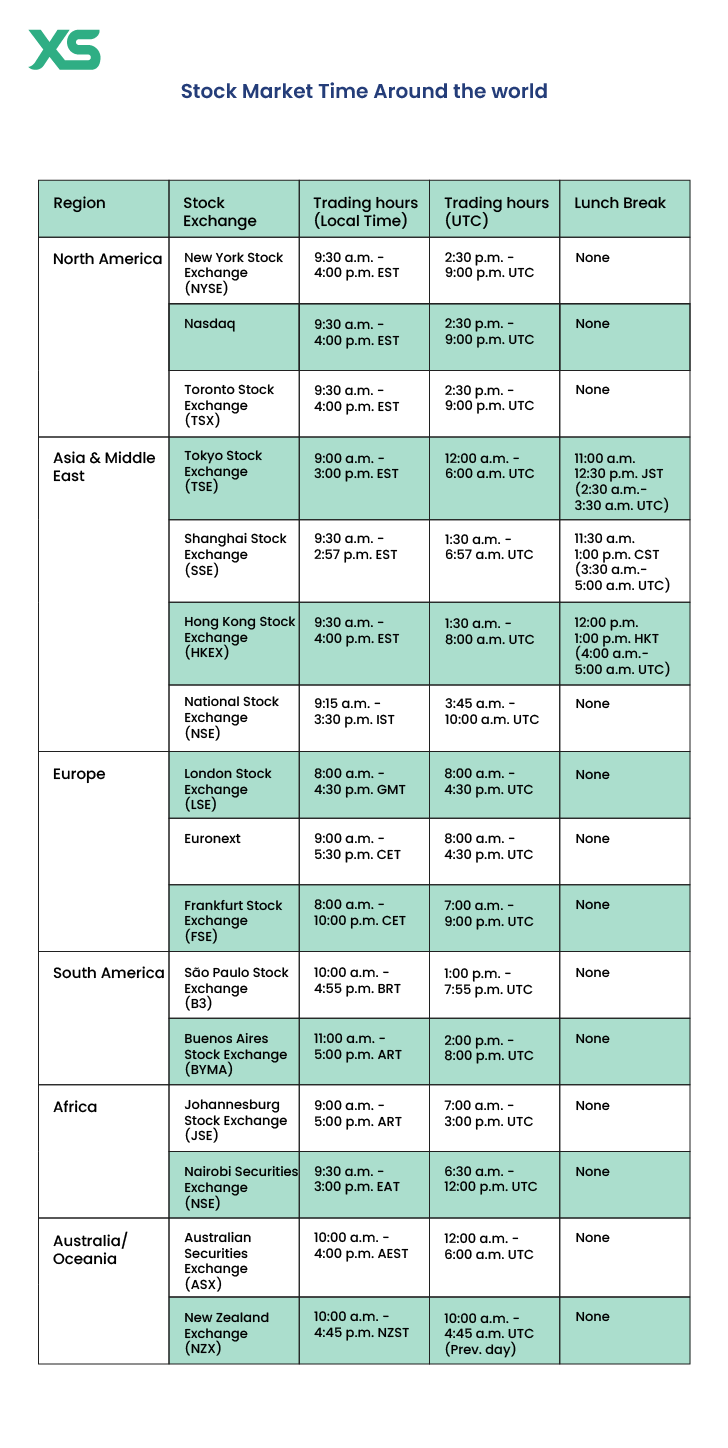
The foreign exchange (Forex or FX) market stands apart in its operational structure. It is famously a 24-hour market, five days a week, essentially closing only for the weekend. This continuous trading is possible because it’s a global, decentralized market without a single physical exchange. Instead, currency trading moves through a succession of major financial centers as business days begin in different time zones:
- Sydney Session: Kicks off the week, typically Sunday evening ET.
- Tokyo Session: Overlaps with Sydney, bringing Asian markets into play.
- London Session: The largest and most liquid session, overlapping with both Tokyo and New York.
- New York Session: Concludes the daily cycle, overlapping with London.
This continuous rotation means that there’s always a major financial center open, allowing for constant trading of currency pairs. While it technically “closes” from Friday evening ET to Sunday evening ET, for all practical purposes, it’s a non-stop market during the weekdays. This 24/5 nature has significant implications for forex traders, offering flexibility but also requiring constant vigilance for market-moving news around the clock.
Cryptocurrency Markets: The 24/7 Frontier
Cryptocurrency markets represent the ultimate departure from traditional market hours. Platforms like Coinbase, Binance, and Kraken operate 24 hours a day, 7 days a week, 365 days a year. There is no official “market close” for Bitcoin, Ethereum, or any other digital asset. This perpetual trading environment is a defining characteristic of decentralized finance and brings both unique advantages and challenges:
- Uninterrupted Access: Investors can buy or sell cryptocurrencies at any time, day or night, regardless of weekends or holidays. This offers unparalleled flexibility.
- Instant Reaction to News: Any news, positive or negative, can be priced into the market immediately, without waiting for an opening bell.
- Increased Volatility: Without “breaks” for digestion, volatility can persist around the clock.
- Fatigue and Over-trading: The constant availability can lead to investor fatigue and encourages a propensity for over-trading, which can be detrimental to performance.
The 24/7 nature of crypto trading has also influenced discussions around extending traditional market hours, showcasing a potential future model for global finance.
Commodities and Futures Markets
Commodities markets, which trade raw materials like oil, gold, agricultural products, and their associated futures contracts, also have varied schedules. Many major futures contracts, such as those for crude oil (WTI) and gold, trade nearly 24 hours a day on electronic exchanges like the CME Group, with brief maintenance breaks. Agricultural commodities might have more restricted hours aligned with traditional business days.
- Electronic vs. Open Outcry: Historically, commodities had distinct open outcry pit trading hours, but electronic platforms have largely extended these sessions.
- Maintenance Breaks: Even 24-hour markets often have short, predefined “settlement” or “maintenance” breaks, typically in the late afternoon or early evening ET, during which no trading occurs.
Bond Markets
Bond markets, particularly for government bonds, often operate on slightly different and sometimes shorter schedules than equity markets. In the US, the bond market generally closes earlier, sometimes at 3:00 PM ET, especially on days preceding holidays. Corporate bonds also trade predominantly over-the-counter (OTC), meaning they don’t have a single, centralized exchange with definitive hours, but rather rely on dealer networks during standard business hours. The nuances of bond trading hours reflect the different types of participants (often institutional) and the over-the-counter nature of much of the market.
Why Market Closing Times Matter for Your Portfolio
Beyond the logistical aspects, market closing times play a significant role in shaping investment outcomes, influencing strategy, and impacting risk management. A thoughtful investor recognizes these dynamics and integrates them into their decision-making process.
Liquidity and Price Discovery
The concept of market hours is deeply intertwined with liquidity. Regular trading hours are designed to concentrate trading activity, ensuring a high volume of buyers and sellers. This concentration facilitates efficient price discovery, meaning that the market price of an asset accurately reflects all available information and the collective opinion of participants. When markets close, liquidity dries up significantly, especially in extended hours. This directly impacts the ability to buy or sell large blocks of shares without moving the price, and can lead to less optimal execution prices due to wider bid-ask spreads. For instance, an urgent sale after hours might fetch a considerably lower price than during regular trading.
Risk Management and Volatility
Market closing times inherently introduce an element of “gap risk.” News that breaks overnight, while a market is closed, cannot be immediately reflected in prices until the next open. This can lead to a stock “gapping up” or “gapping down” significantly at the next day’s open, potentially harming positions that were held overnight. For investors, this means considering the potential impact of overnight events. Diversification across different asset classes and geographies can help mitigate some of this risk, as different markets might react at different times. Volatility also tends to be higher during less liquid extended hours, making disciplined risk management – such as using stop-loss orders – even more critical, though even these may not protect against severe overnight gaps.
Investment Strategies Tailored to Market Hours
Different investment strategies are inherently linked to market hours:
- Day Trading: Relies exclusively on regular market hours, capitalizing on intraday price movements and closing all positions before the market closes to avoid overnight risk.
- Swing Trading: Often holds positions for several days to weeks, meaning they are directly exposed to overnight gap risk. Swing traders must pay close attention to news cycles and extended-hours activity to manage these exposures.
- Long-Term Investing: While less concerned with daily fluctuations, long-term investors still benefit from understanding market hours, particularly for executing large orders or rebalancing portfolios during periods of optimal liquidity. They also need to be aware of how major news during off-hours can impact the underlying value of their holdings.
Holiday Schedules and Market Closures
A crucial aspect of market hours is understanding when they are entirely shut down. National holidays, such as New Year’s Day, Martin Luther King Jr. Day, Presidents’ Day, Good Friday, Memorial Day, Juneteenth, Independence Day, Labor Day, Thanksgiving Day, and Christmas Day in the US, mean complete market closures. These full closures differ from extended hours in that there is no trading activity whatsoever, not even through ECNs. It is imperative for investors to consult market holiday calendars published by exchanges (like NYSE or NASDAQ) to avoid surprises and plan trades accordingly. Unexpected closures, such as those due to severe weather or national emergencies, are rare but can also occur.
The Future of Market Hours: Towards Perpetual Trading?
The digital transformation of finance continues to push the boundaries of traditional market structures. With the rise of cryptocurrencies operating 24/7 and the increasing demand for global, seamless access to capital markets, the very concept of a “market close” is under scrutiny.
Technological Advancements and Automation
The proliferation of Electronic Communication Networks (ECNs), sophisticated algorithmic trading systems, and cloud-based infrastructure has made it technically feasible for virtually any market to operate continuously. Human intervention in routine trading has diminished, replaced by algorithms that can execute orders around the clock. This technological capability fuels the argument for extending traditional market hours, with some proponents suggesting a shift towards a 24/5 or even 24/7 model for all asset classes. The argument is often rooted in enhancing efficiency, capturing global liquidity, and providing investors with immediate reaction capabilities.
Global Competition and Investor Demand
The continuous operation of global forex markets and the 24/7 nature of cryptocurrency trading serve as powerful case studies, demonstrating both the viability and investor appetite for perpetual trading. Traditional exchanges face increasing pressure to compete with platforms that offer uninterrupted access. International investors, in particular, find current fixed hours restrictive, forcing them to trade outside their local business hours or rely on extended sessions with suboptimal liquidity. A move towards longer or continuous trading hours would cater to this global demand, potentially increasing market participation and liquidity overall.
The Human Element vs. Machine Efficiency
However, the debate around extending market hours is not solely technological. It involves significant human and societal considerations. A truly 24/7 stock market, for instance, raises questions about:
- Analyst and Fund Manager Burnout: The current “breaks” allow financial professionals time for research, strategy development, and personal lives. Continuous trading could lead to significant burnout and pressure.
- Information Overload: Without periods of rest, the sheer volume of information and trading signals could become overwhelming, potentially leading to less thoughtful decision-making.
- Regulatory Oversight: Ensuring fair and orderly markets around the clock would present new challenges for regulators, requiring continuous monitoring and rapid response capabilities.
- Operational Costs: Maintaining secure and reliable trading infrastructure 24/7 would entail significant operational costs for exchanges and brokerage firms.
While a complete shift to 24/7 traditional equity trading may not be imminent, the trend towards longer, more interconnected trading sessions is undeniable. As technology advances and global financial integration deepens, the traditional “market closed” bell may increasingly signify a pause, rather than a definitive end, to the day’s financial activity. Investors must stay attuned to these evolving market structures to remain effective and agile in their financial endeavors.
aViewFromTheCave is a participant in the Amazon Services LLC Associates Program, an affiliate advertising program designed to provide a means for sites to earn advertising fees by advertising and linking to Amazon.com. Amazon, the Amazon logo, AmazonSupply, and the AmazonSupply logo are trademarks of Amazon.com, Inc. or its affiliates. As an Amazon Associate we earn affiliate commissions from qualifying purchases.