
In the contemporary marketplace, a brand is far more than a logo, a color palette, or a catchy slogan. It is a complex ecosystem of perceptions, promises, and emotional connections. Building a brand that resonates with a global audience or a specific niche requires more than just creative intuition; it demands a rigorous, data-driven foundation. This is where the distinction between primary and secondary research becomes critical.
For brand strategists, marketers, and entrepreneurs, understanding the nuances between these two research methodologies is the difference between a brand that falters and one that dominates its category. While both serve the goal of illuminating the path forward, they offer different vantage points, costs, and levels of granularity. This article explores the depths of primary and secondary research through the lens of brand strategy and corporate identity, providing a comprehensive guide for those looking to build a resilient market presence.
1. Defining the Pillars: What Are Primary and Secondary Research in Branding?
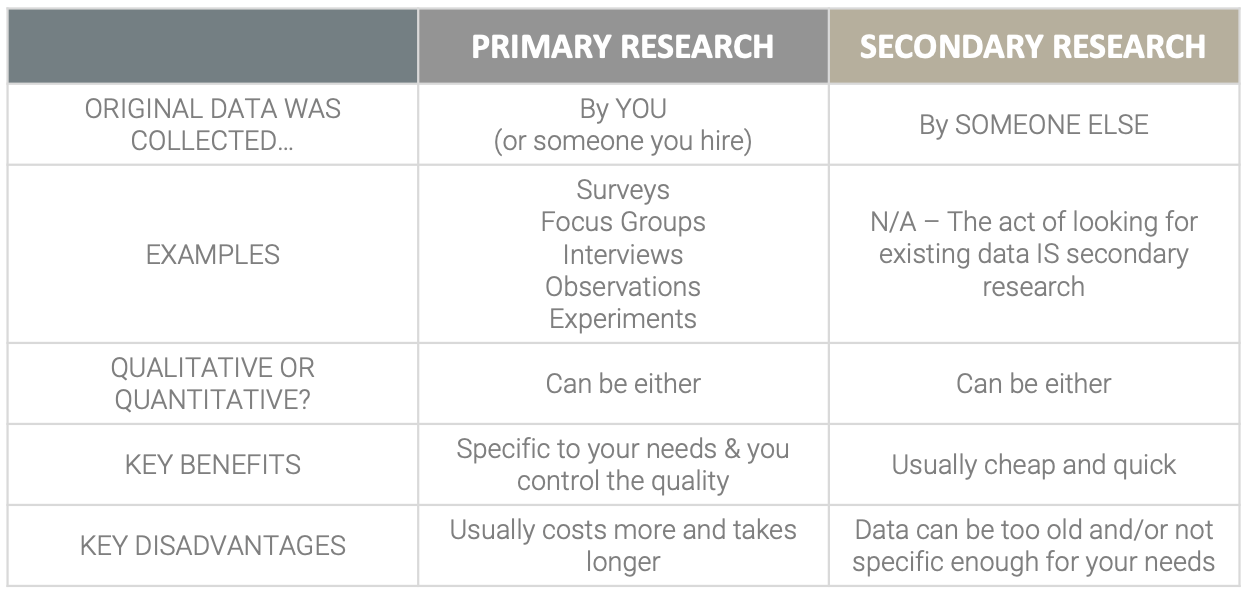
At its core, the difference between primary and secondary research lies in the origin of the data. In the context of brand strategy, these two pillars support the decision-making process by providing a mix of broad market context and specific consumer insights.
Primary Research: Direct Insights from the Source
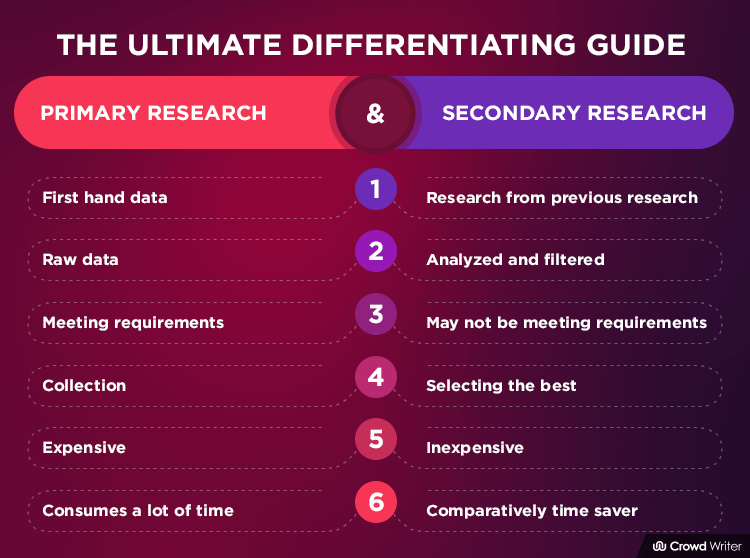
Primary research is “first-hand” information. It is data collected specifically for your brand’s unique objectives. When a company conducts its own study to understand how its specific target demographic perceives a new logo design or a potential brand voice, it is engaging in primary research.
The hallmark of primary research is control. As the researcher, you own the process from end to end—from the design of the questions to the selection of the participants. Because the data is gathered for a specific purpose, it is highly relevant and proprietary. In a competitive landscape, having primary data means having insights that your competitors do not possess, providing a significant edge in personal branding and corporate positioning.
Secondary Research: Leveraging Existing Knowledge
Secondary research involves the analysis of data that has already been collected, processed, and published by others. This includes industry reports, academic papers, government statistics, and historical case studies. For a brand manager, secondary research acts as the “homework” phase.
Before launching a new product line, a brand might look at market trends from the past five years or study a competitor’s annual report to understand their market share. While secondary research is less tailored than primary research, it provides the essential context required to understand the broader environment in which a brand operates. It is often the starting point for any strategic endeavor, offering a cost-effective way to scan the horizon before committing to the deeper investment of primary data collection.
2. The Role of Secondary Research in Brand Strategy
Every successful brand strategy begins with a panoramic view of the market. Secondary research is the lens through which we view this landscape. It allows a brand to identify opportunities, avoid common pitfalls, and understand the cultural currents that influence consumer behavior.
Competitive Analysis and Market Mapping
One of the most valuable applications of secondary research is the execution of a comprehensive competitive analysis. By examining existing market data, a brand can map out its competitors’ strengths, weaknesses, and market positioning.
For instance, a corporate identity project might begin by analyzing the visual languages and messaging strategies of the top ten players in a specific sector. By reviewing published white papers, press releases, and marketing collateral, a strategist can identify “white spaces”—areas of the market that are currently underserved or messaging angles that have not yet been claimed. This prevents the brand from being a “me-too” entity and helps in carving out a unique value proposition.
Identifying Consumer Trends and Cultural Shifts
Brands do not exist in a vacuum; they exist within a culture. Secondary research allows brands to tap into large-scale societal shifts. Using reports from organizations like Forrester, McKinsey, or Nielsen, a brand can understand emerging trends such as the rise of sustainability-focused purchasing or the shift toward “quiet luxury.”
For a brand focused on corporate identity, these insights are invaluable. If secondary research indicates a growing distrust in corporate jargon among Gen Z, a brand can proactively shift its tone of voice toward radical transparency. This high-level data provides the “why” behind the strategic direction before the “how” is even considered.
Cost-Effectiveness and Speed
In the fast-paced world of marketing, time is a luxury. Secondary research is generally faster and more affordable than primary research. Most of the data is readily available through online databases, libraries, or industry journals. For a startup or a personal brand operating on a limited budget, secondary research provides a wealth of information that can validate a business model or a brand concept without the high price tag of custom surveys or focus groups. It provides the foundation upon which more specific questions can be built.
3. Deep Diving with Primary Research: Precision and Customization
While secondary research provides the map, primary research provides the GPS coordinates. Once a brand understands the general market conditions, it must get close to its specific audience to refine its identity and messaging.
Qualitative Methods: Focus Groups and Interviews
Qualitative primary research is about depth. It seeks to understand the “emotional why” behind consumer choices. For brand development, this often involves one-on-one interviews or focus groups where participants discuss their feelings toward a brand’s personality.
In these settings, a brand can test its “brand archetype.” Does the audience perceive the brand as a “Hero” or a “Sage”? By listening to the language participants use and observing their non-verbal cues, strategists can fine-tune the brand’s emotional resonance. This level of nuance is impossible to find in secondary data, which tends to be more generalized.
Quantitative Methods: Surveys and A/B Testing
When a brand needs to make a decision based on numbers and statistical significance, it turns to quantitative primary research. This might involve sending out a survey to 1,000 potential customers to gauge brand awareness or testing two different versions of a brand’s landing page (A/B testing) to see which one drives more conversions.
Quantitative data provides the “proof” needed to justify major branding shifts to stakeholders. If 75% of a target audience prefers a minimalist design over a maximalist one, the brand has a clear, data-backed mandate for its visual identity. This reduces the risk of making expensive mistakes based on subjective opinions.
Validating Brand Positioning and Identity
Primary research is the ultimate tool for validation. Before a brand undergoes a major rebrand, it is essential to test the new identity with the core audience. Primary research allows for “concept testing,” where new slogans, logos, or brand stories are presented to a sample of the target market. The feedback gathered here ensures that the brand identity aligns with the actual needs and desires of the customer, creating a seamless connection between the brand’s promise and the customer’s experience.
4. Bridging the Gap: How to Integrate Both for Maximum Brand Impact
The most successful brands do not choose between primary and secondary research; they use them in a synergistic cycle. The interplay between the two creates a holistic view that balances broad market awareness with specific consumer intimacy.
The Iterative Research Cycle
The most effective brand strategies follow a logical progression: start with secondary research to understand the “what” and “where,” and follow up with primary research to understand the “who” and “how.”
Imagine a brand looking to enter the organic skincare market. They would first conduct secondary research to find out the market size, the key players, and the regulatory environment. Once they have this foundation, they would conduct primary research—perhaps through home-use tests or digital surveys—to find out exactly what their specific target audience feels is missing from current organic skincare options. This iterative process ensures that the primary research is focused on the right questions.
Using Secondary Data to Inform Primary Questions
Secondary research helps narrow the scope of primary research. Conducting primary research is expensive; you don’t want to waste resources asking questions that have already been answered. By thoroughly reviewing secondary sources, you can identify gaps in knowledge.
For example, secondary research might tell you that people are buying more eco-friendly products, but it won’t tell you if your specific customers are willing to pay a 15% premium for eco-friendly packaging from your brand. The secondary research identifies the trend, and the primary research calculates the specific price elasticity for your brand.
Budget Allocation for Research Phases
Strategic brand management involves knowing where to put your money. A common rule of thumb is to spend roughly 20% of your research budget on secondary research to build the framework and 80% on primary research to gain the unique insights that will differentiate your brand. By using secondary research as a filter, you ensure that every dollar spent on primary research is working toward a high-value, specific objective.
5. Common Pitfalls and Best Practices in Brand Research
Even with the best intentions, research can lead a brand astray if not executed with a critical eye. Navigating the complexities of data requires a commitment to objectivity and quality.
Avoiding Confirmation Bias
One of the greatest risks in brand research is confirmation bias—the tendency to search for, interpret, and favor information that confirms one’s pre-existing beliefs. If a brand founder is convinced that “vibrant orange” is the best color for their brand, they might inadvertently design a survey that leads participants toward that choice.
To combat this, it is essential to remain objective. In secondary research, this means looking at multiple sources, including those that might contradict your strategy. In primary research, it means using neutral language in questions and, if possible, hiring a third-party agency to conduct the research to ensure impartiality.
Ensuring Data Quality and Reliability
Not all data is created equal. In secondary research, it is vital to check the age and the source of the data. A market report from 2019 might be completely irrelevant in a post-pandemic economy. Always prioritize reputable sources such as established research firms, peer-reviewed journals, and official government data.
In primary research, quality is determined by the sample size and the relevance of the participants. If you are building a luxury brand for high-net-worth individuals, surveying college students will provide data that is not only useless but potentially damaging to your strategy. Precision in recruitment is the cornerstone of reliable primary research.

Transforming Data into Actionable Brand Strategy
Data is only as good as the insights derived from it. The final step in the research process is synthesis—taking the broad findings from secondary research and the specific findings from primary research and turning them into a brand roadmap.
This roadmap should define the brand’s unique positioning, its core values, its visual identity, and its communication strategy. When every element of a brand is backed by a blend of primary and secondary research, the result is a corporate identity that is not only aesthetically pleasing but strategically sound and resilient in the face of market volatility.
In conclusion, primary and secondary research are the two essential gears in the machinery of brand building. Secondary research provides the context and the boundaries, while primary research provides the soul and the specifics. By mastering both, brand strategists can move beyond guesswork and build brands that truly resonate, endure, and thrive.
aViewFromTheCave is a participant in the Amazon Services LLC Associates Program, an affiliate advertising program designed to provide a means for sites to earn advertising fees by advertising and linking to Amazon.com. Amazon, the Amazon logo, AmazonSupply, and the AmazonSupply logo are trademarks of Amazon.com, Inc. or its affiliates. As an Amazon Associate we earn affiliate commissions from qualifying purchases.