
In the professional culinary world—and by extension, the highly competitive landscape of food branding—precision is the bedrock of quality. Whether you are managing a boutique bakery, overseeing a large-scale food manufacturing operation, or positioning a premium baking brand in the retail market, understanding the nuances of your ingredients is critical. One of the most common points of confusion for both consumers and professional stakeholders lies in the distinction between confectioners sugar and powdered sugar. While they are often treated as interchangeable, a deeper look reveals how branding, production standards, and industry terminology shape the way these products are brought to market.

The Technical Reality: Are They Actually Different?
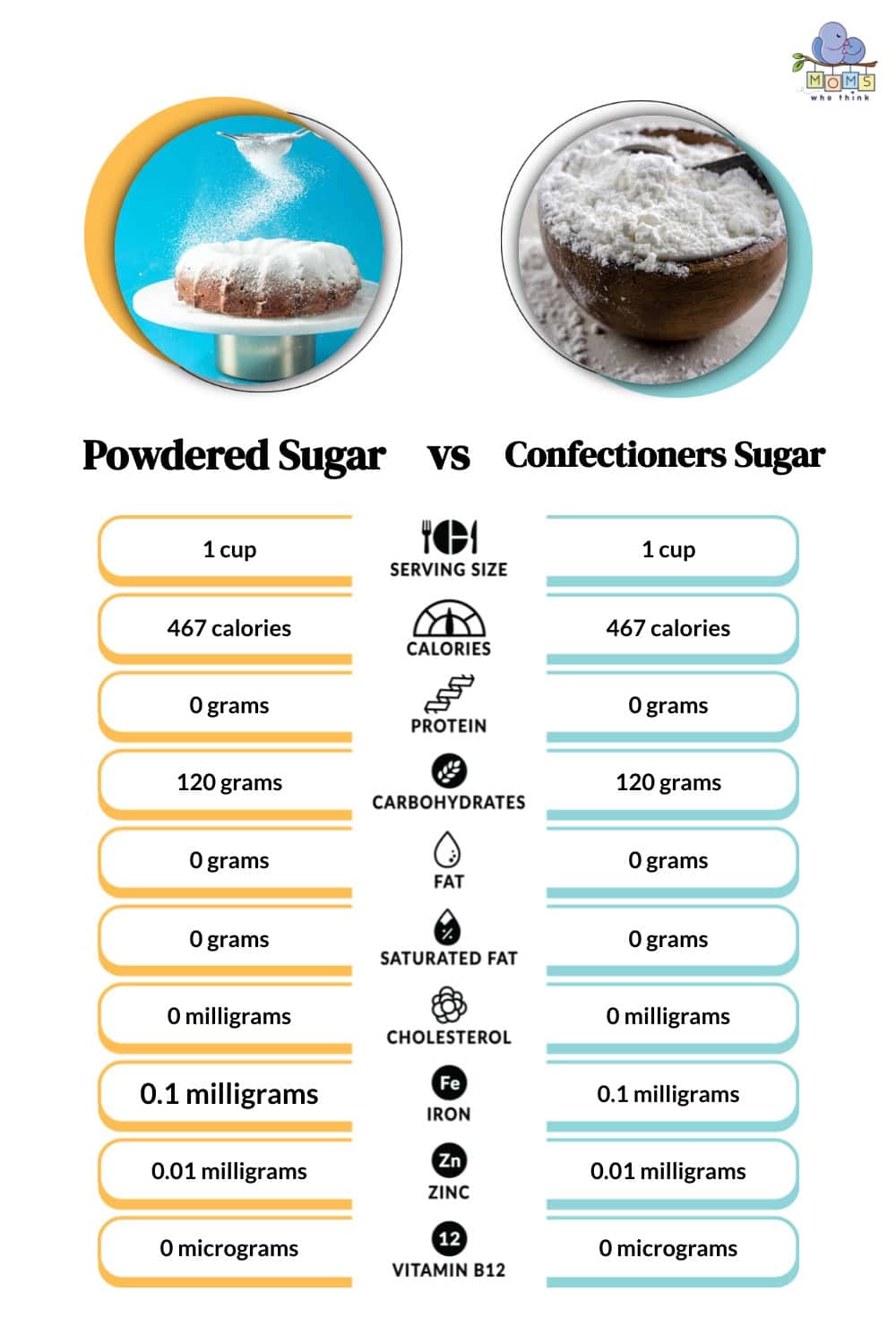
From a technical and molecular perspective, confectioners sugar and powdered sugar are essentially the same substance. Both products begin as standard granulated white sugar (sucrose), which undergoes a mechanical grinding process to reach a fine, powdery consistency. To prevent clumping—a natural reaction to humidity—both products are mixed with a small amount of anti-caking agent, typically cornstarch or, in some premium applications, tapioca starch.
The Grinding Process and Particle Size
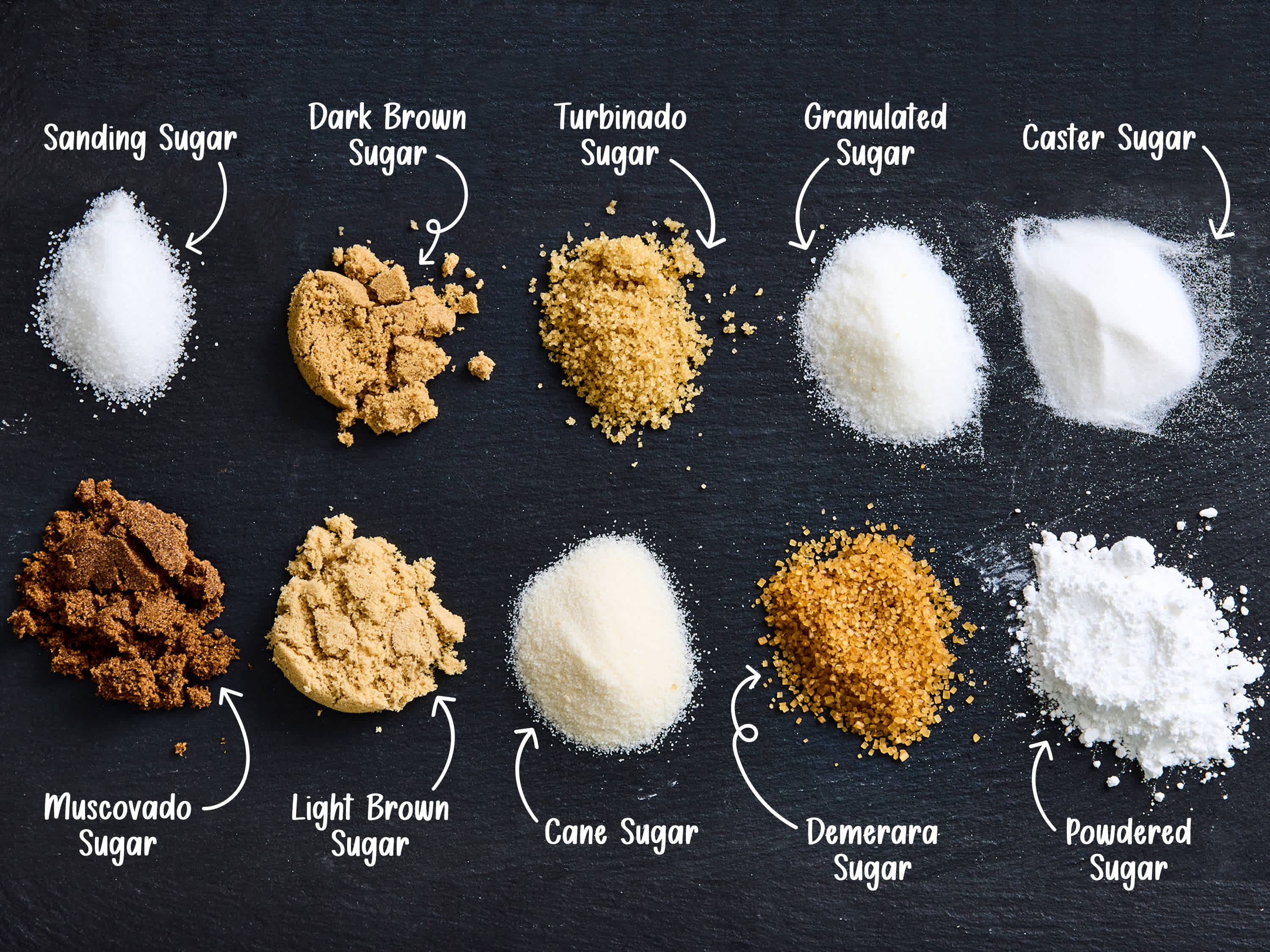
The primary differentiator in the manufacturing world is not the ingredients, but the degree of pulverization. Industry manufacturers utilize high-velocity milling machines to crush sugar crystals into a fine dust. These products are labeled based on the number of times they have been passed through a sieve, often designated by an “X” rating.
For instance, 10X sugar is the industry standard for most retail powdered sugar. The “10” indicates that it has been processed to reach an exceptionally fine, consistent grain size. Whether a company chooses to print “Confectioners” or “Powdered” on the packaging is rarely a reflection of the physical state of the product, but rather a strategic decision influenced by brand positioning and regional market expectations.
Ingredient Ratios and Anti-Caking Agents
While the base sugar remains constant, the percentage of cornstarch added can vary slightly between brands. Standard consumer-grade products usually contain approximately 3% to 5% cornstarch. In the professional industrial sector, “confectioners sugar” may sometimes refer to products formulated with specific starch ratios designed to perform differently in high-heat industrial glazing or specialized confectionery applications. Understanding these minor variations is vital for any brand looking to establish a reputation for consistency in the baking aisle.
Brand Strategy and Nomenclature in the Retail Sector
If the products are essentially identical, why does the industry utilize two different names? The answer lies in the psychological intersection of brand marketing and consumer perception. In the competitive landscape of the food industry, packaging language is a tool designed to signal utility, quality, and usage intent to the end consumer.
The “Confectioners” Branding Appeal
The term “confectioners sugar” is historically and culturally coded to imply expertise. It targets the home baker who aspires to professional results. By utilizing the word “confectioners,” a brand immediately associates itself with the artistry of pastry making, sugar-work, and sophisticated dessert design. Marketing research consistently shows that consumers are more likely to reach for a bag labeled “confectioners” when they are preparing a complex recipe, such as a delicate buttercream frosting, a royal icing, or a tiered cake decoration.
The “Powdered” Utilitarian Positioning
Conversely, “powdered sugar” is often positioned as the functional, utilitarian option. Brands that lean into this terminology often focus on versatility and convenience. It is the label favored by private-label retailers and economy brands, positioning the product as a staple necessity rather than a specialized culinary tool. This nomenclature appeals to the consumer looking for ease of use—the everyday baker making a simple glaze for muffins or a dusting for morning pastries. Strategic brand managers must decide whether to emphasize the “art” of the bake or the “convenience” of the kitchen staple based on their target demographic’s shopping habits.
Operational Standards and Quality Control for Brands
For manufacturers and food brands, the lack of a standardized legal definition for either term creates a unique challenge—and an opportunity—for quality control. Because “confectioners” and “powdered” can technically refer to the same item, a brand’s reputation relies entirely on the consistency of its internal specifications.
Defining Your Brand’s Standard
A premium brand must differentiate itself through the reliability of its product. If a customer buys a box of “confectioners sugar” for a professional-grade wedding cake, they expect a specific texture and a specific lack of grittiness. If that product varies from batch to batch, the brand risks losing consumer trust. Successful brands implement rigorous particle-size testing and moisture-control standards to ensure that no matter what label is placed on the front of the bag, the contents perform exactly as the user expects.
Navigating Consumer Education
The confusion between these two terms is so pervasive that smart brands are now using their packaging to bridge the gap. By including usage instructions, recipes, or even a small disclaimer stating, “Also known as powdered sugar,” brands can reduce the friction of the purchasing decision. In the digital age, this extends to search engine optimization (SEO) and content marketing; by addressing the query “what is the difference” on the brand’s website or social platforms, companies can capture the search traffic of confused bakers and convert them into loyal customers. Transparency in marketing, especially regarding common ingredient misconceptions, serves to humanize a brand and establish it as an industry authority.
The Future of Baking Ingredients: Market Trends
The baking industry is currently witnessing a shift toward premiumization and “clean label” transparency. As consumers become more ingredient-conscious, the way we market sugar is evolving.
Clean Labels and Alternative Starches
Modern consumer trends are pushing brands to re-evaluate the anti-caking agents used in these products. While cornstarch has long been the industry standard, brands are increasingly exploring tapioca starch, potato starch, or even rice flour to cater to consumers with specific dietary requirements, such as corn-free or grain-free diets.
When a brand decides to shift its formulation, the branding strategy must follow. If a company switches from cornstarch to tapioca starch, they are no longer just selling “powdered sugar”; they are selling a specialized, high-performance ingredient. This allows the brand to command a higher price point and occupy a niche market segment, separate from the mass-produced, commodity-style powdered sugars lining the bottom shelves of the supermarket.
Strategic Implications for Retailers
For retailers and e-commerce platforms, the grouping of these products is a lesson in information architecture. On a digital shelf, listing both “confectioners sugar” and “powdered sugar” as separate sub-categories is unnecessary and potentially confusing. Instead, sophisticated platforms utilize a primary product page that encompasses both terms, ensuring that the consumer finds the right product regardless of the terminology they use in their search query. This operational efficiency is essential for reducing cart abandonment and streamlining the user experience.
Ultimately, the difference between confectioners sugar and powdered sugar is a testament to the power of branding over technicality. While the chemistry remains stable, the labels communicate different stories to the consumer. For stakeholders in the food and baking industry, success is found in mastering this duality: maintaining the technical rigor to ensure product performance, while leveraging the power of language to meet the specific expectations of the target market. Whether you view it as a professional-grade tool or a kitchen staple, the success of the product—and the brand behind it—depends on the clarity and consistency provided to the user.
aViewFromTheCave is a participant in the Amazon Services LLC Associates Program, an affiliate advertising program designed to provide a means for sites to earn advertising fees by advertising and linking to Amazon.com. Amazon, the Amazon logo, AmazonSupply, and the AmazonSupply logo are trademarks of Amazon.com, Inc. or its affiliates. As an Amazon Associate we earn affiliate commissions from qualifying purchases.