
The lending rate, at its core, represents the cost of borrowing money. It is the interest rate that financial institutions, like banks, charge borrowers for a loan. This fundamental concept underpins virtually every financial transaction involving credit, from an individual taking out a mortgage to a large corporation securing capital for expansion. Understanding the lending rate is crucial for anyone engaging with the financial system, whether as a borrower, an investor, or simply an observer of economic trends. It’s a dynamic figure, influenced by a multitude of economic forces, central bank policies, and the individual circumstances of both the lender and the borrower. Grasping its intricacies is key to making informed financial decisions and comprehending the broader economic landscape.
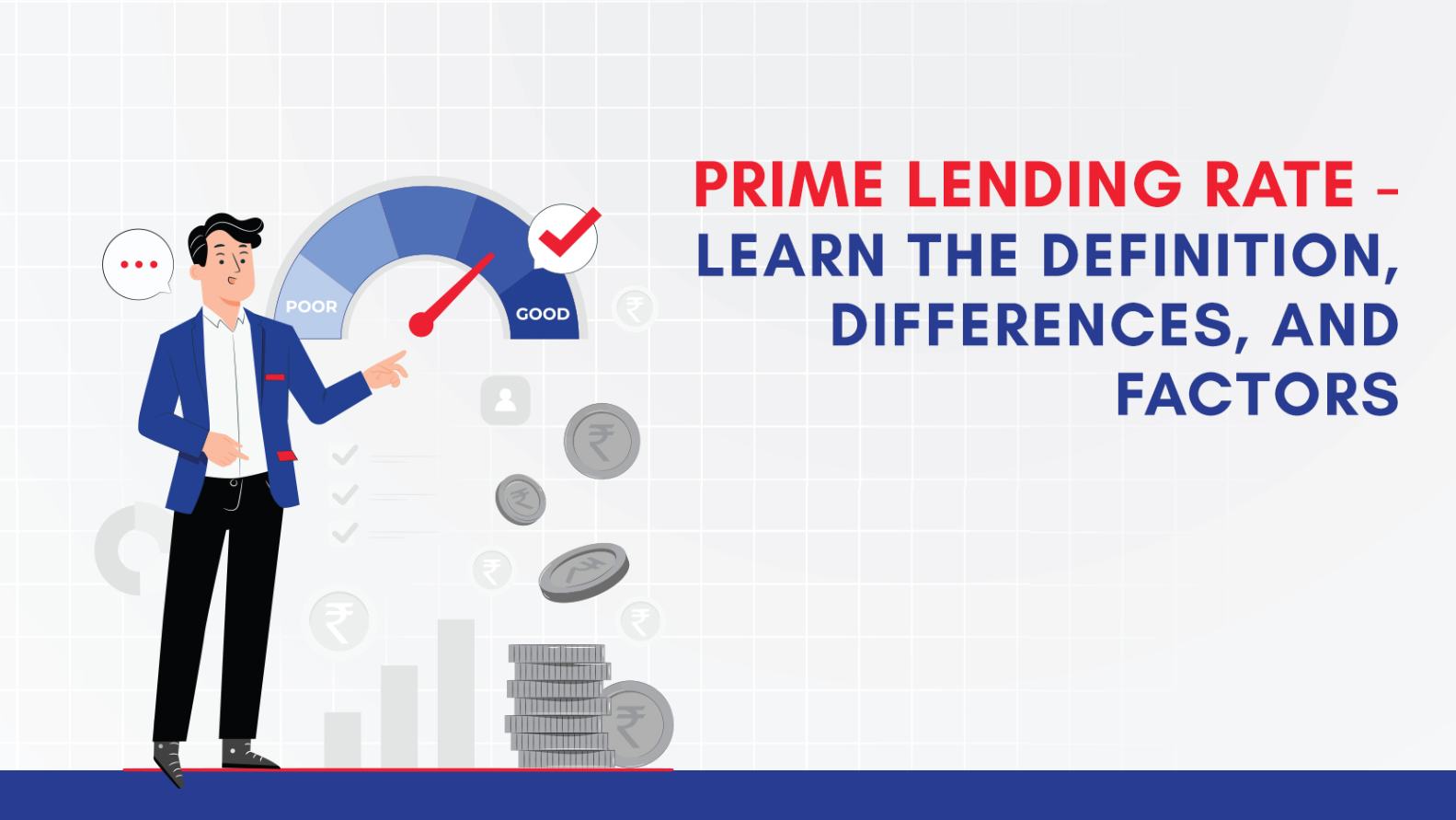
The Foundation of Borrowing: Understanding Lending Rates
At the heart of the financial ecosystem lies the exchange of capital. Those with surplus funds seek to earn a return, while those in need of capital are willing to pay a price for its use. This price is the lending rate. It’s not just a number; it’s a critical mechanism that balances risk and reward, dictates economic activity, and shapes the financial well-being of individuals and businesses alike.
Defining the Lending Rate
Formally, the lending rate is the percentage of the principal amount charged by a lender to a borrower for the use of assets. These assets are typically money, but could also extend to other forms of capital. This rate is usually expressed as an annual percentage and dictates how much extra money a borrower must pay back over the original amount borrowed. For instance, if you borrow $10,000 at a 5% lending rate, you will pay back the original $10,000 plus 5% of that amount ($500) per year, assuming simple interest. However, most loans use compound interest, meaning interest accrues on both the principal and previously accumulated interest, making the calculation more complex and the total cost higher over time. The lending rate compensates the lender for the time value of money, the risk of default, and their own operational costs.
The Dual Perspective: Borrower vs. Lender
Understanding lending rates requires looking at it from two distinct perspectives:
- From the Borrower’s Perspective: For a borrower, the lending rate is a direct cost. A higher rate means a more expensive loan, translating into higher monthly payments and a greater total amount repaid over the life of the loan. Borrowers seek the lowest possible lending rate to minimize their financial burden. Their ability to secure favorable rates often depends on their creditworthiness and the competitive landscape of the market. The lending rate directly impacts their disposable income or business profitability.
- From the Lender’s Perspective: For a lender, the lending rate is a revenue stream and a means of risk management. It represents the return they earn on the capital they provide. Lenders must set rates high enough to cover their cost of funds (what they pay depositors or other funding sources), their operational expenses, the risk of borrowers defaulting, and to generate a profit. A lender’s ability to attract borrowers depends on offering competitive rates while still maintaining profitability and managing their risk exposure effectively.
This duality highlights the constant tension and negotiation inherent in the lending process, where both parties seek to optimize their position in the transaction.
Key Components and Factors Influencing Lending Rates
Lending rates are not static; they are highly dynamic and influenced by a complex interplay of macroeconomic forces, institutional policies, and individual borrower characteristics. Understanding these factors is crucial for predicting movements and making informed financial decisions.
Central Bank Policies and Benchmark Rates
At the apex of interest rate determination are central banks, such as the Federal Reserve in the United States, the European Central Bank, or the Bank of England. They set monetary policy, primarily by influencing short-term interest rates.
- Policy Rates: Central banks manipulate a key interest rate (e.g., the federal funds rate in the U.S., the repo rate in India) to control inflation, stimulate economic growth, or stabilize financial markets. When a central bank raises its policy rate, it becomes more expensive for commercial banks to borrow money, which in turn leads to banks increasing their lending rates to consumers and businesses. Conversely, a cut in policy rates usually leads to lower lending rates.
- Benchmark Rates: Many consumer and business lending rates are directly or indirectly tied to benchmark rates like the Prime Rate (often linked to the federal funds rate) or LIBOR (though phasing out in favor of SOFR and other alternatives). These benchmarks serve as a base to which lenders add a margin based on their risk assessment.
Borrower’s Creditworthiness
Perhaps the most significant factor affecting an individual borrower’s rate is their perceived creditworthiness. Lenders assess the likelihood of a borrower repaying the loan.
- Credit Score: A three-digit number summarizing an individual’s credit history. A higher credit score (e.g., FICO Score above 760) indicates a lower risk of default, leading to more favorable, lower lending rates. Conversely, a lower score suggests higher risk, resulting in higher rates or even denial of credit.
- Debt-to-Income (DTI) Ratio: This ratio compares a borrower’s monthly debt payments to their gross monthly income. A high DTI suggests that a borrower might struggle to take on additional debt, leading lenders to offer higher rates to compensate for the increased risk.
- Income Stability and Employment History: Lenders prefer borrowers with stable jobs and consistent income, as this indicates a reliable ability to make payments.
- Collateral: For secured loans (like mortgages or auto loans), the presence and value of collateral can reduce the lender’s risk, often leading to lower lending rates.
Loan Type and Term
The nature of the loan itself plays a significant role in determining its lending rate.
- Type of Loan: Different loan products carry different risk profiles. Unsecured personal loans typically have higher rates than secured auto loans, as there’s no asset for the lender to seize in case of default. Credit card interest rates are often among the highest due to their unsecured nature and revolving credit lines. Mortgages, being secured by real estate, generally have lower rates.
- Loan Term: Generally, longer-term loans (e.g., 30-year mortgages) tend to have slightly higher interest rates than shorter-term loans (e.g., 15-year mortgages). This is because lenders face greater uncertainty over a longer period regarding economic conditions, inflation, and the borrower’s ability to repay.
Economic Conditions
Broader economic factors heavily influence the overall level of lending rates.
- Inflation: When inflation is high or expected to rise, lenders demand higher interest rates to compensate for the erosion of the purchasing power of the money they will be repaid in the future. Lenders want to ensure that the real return on their loan (nominal rate minus inflation) remains positive.
- Economic Growth: In periods of strong economic growth, there’s often higher demand for credit from businesses and consumers. This increased demand can push lending rates higher. Conversely, during economic downturns, demand for loans may decrease, potentially leading to lower rates as lenders compete for fewer borrowers.
- Unemployment Rate: A higher unemployment rate can signal economic weakness and increased risk of loan defaults, potentially pushing rates up as lenders seek to offset this risk.
Lender’s Risk Assessment and Operating Costs
Finally, each individual lender has its own internal models for assessing risk and managing costs.
- Profit Margins: Lenders need to generate a profit to stay in business. The lending rate includes a margin above their cost of funds and operating expenses.
- Operating Costs: The cost of processing applications, underwriting loans, servicing accounts, and managing regulatory compliance are all factored into the lending rate.
- Competition: The competitive landscape among lenders can also influence rates. In a highly competitive market, lenders might lower their rates to attract more borrowers, even if it slightly reduces their profit margin.
Types of Lending Rates and Their Implications
Beyond the myriad factors influencing lending rates, it’s also crucial to understand the different structures these rates can take, as they carry distinct implications for borrowers.
Fixed-Rate Loans: Predictability and Stability
A fixed-rate loan features an interest rate that remains constant throughout the entire life of the loan. This provides borrowers with immense predictability; their monthly payment for principal and interest will never change.
- Advantages: Stability, ease of budgeting, protection against rising interest rates. Ideal for borrowers who prioritize consistent payments and want to lock in a rate when interest rates are low.
- Disadvantages: Borrowers don’t benefit if market interest rates fall. Often, fixed rates are slightly higher than initial variable rates to compensate the lender for taking on the interest rate risk. Common for mortgages and personal loans.
Variable-Rate Loans: Flexibility and Risk
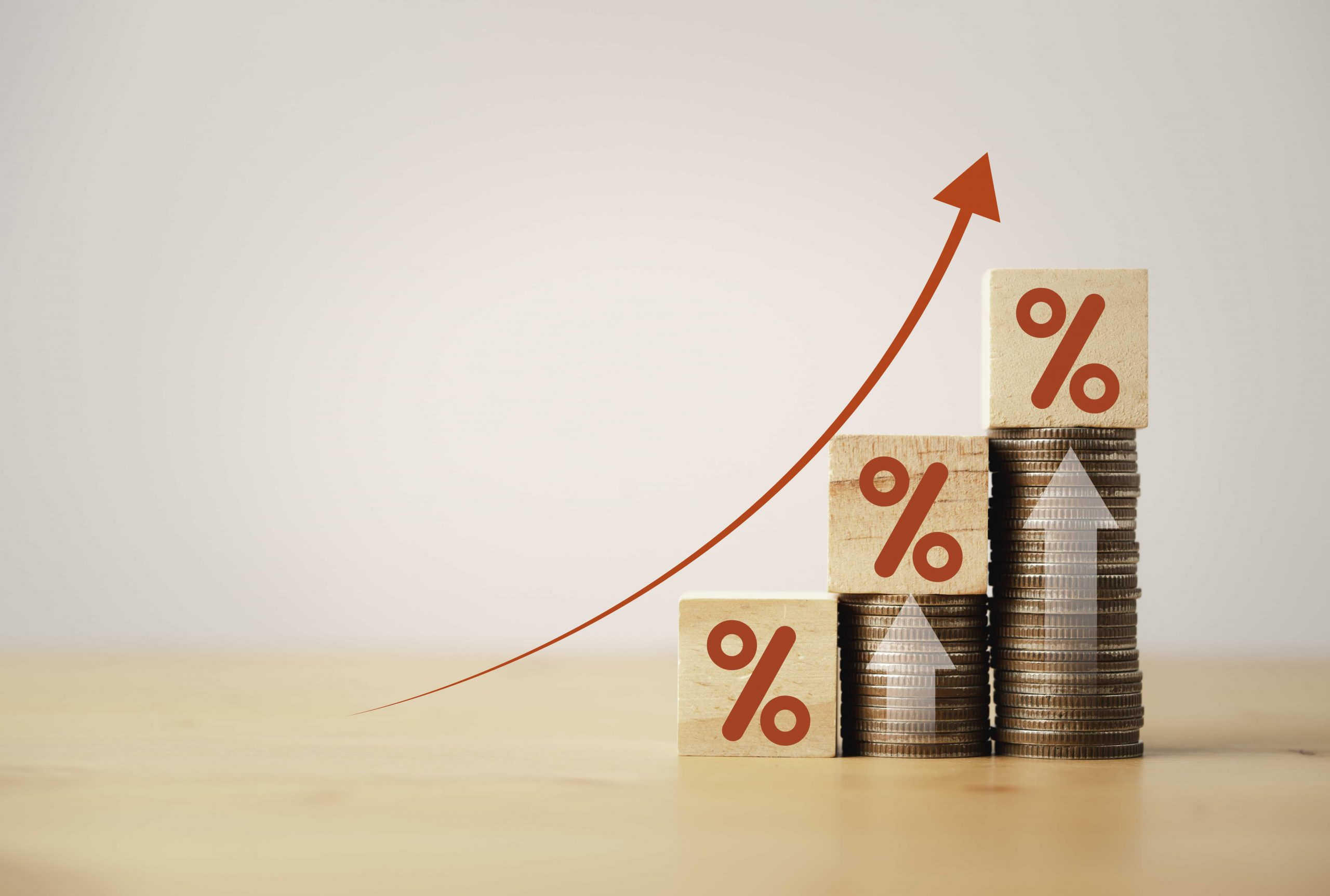
Also known as adjustable-rate loans, variable-rate loans have an interest rate that can change over time based on a specified index (e.g., Prime Rate, SOFR). The rate typically adjusts periodically (e.g., annually, semi-annually).
- Advantages: Potentially lower initial interest rates, benefits if market interest rates fall, offering flexibility. Can be attractive for borrowers who anticipate paying off the loan quickly or who expect rates to decline.
- Disadvantages: Uncertainty regarding future payments, exposure to rising interest rates, making budgeting more challenging. Mortgage products like Adjustable-Rate Mortgages (ARMs) are a prime example. These often start with a fixed period (e.g., 5/1 ARM means fixed for 5 years, then adjusts annually).
APR vs. Interest Rate: The True Cost of Borrowing
While often used interchangeably, the stated interest rate and the Annual Percentage Rate (APR) are distinct and understanding the difference is vital for borrowers.
- Interest Rate: This is the basic cost of borrowing money, expressed as a percentage of the principal. It only reflects the interest charge.
- APR (Annual Percentage Rate): The APR represents the true annual cost of a loan, encompassing not only the interest rate but also other fees and charges associated with the loan, such as origination fees, discount points, mortgage insurance, and processing fees. The APR provides a more comprehensive measure for comparing the total cost of different loan offers. For instance, a loan with a 4% interest rate and high fees might have a higher APR than a loan with a 4.2% interest rate but no fees.
Nominal vs. Real Interest Rates
These terms differentiate between the stated rate and the rate adjusted for inflation.
- Nominal Interest Rate: This is the quoted or stated interest rate on a loan, not adjusted for inflation. It’s the rate you typically see advertised.
- Real Interest Rate: This is the nominal interest rate minus the inflation rate. It represents the actual return a lender receives or the actual cost a borrower pays in terms of purchasing power. If the nominal rate is 5% and inflation is 3%, the real interest rate is 2%. For lenders, a positive real rate is crucial to ensure their money retains or gains purchasing power.
The Impact of Lending Rates on Individuals and Businesses
Lending rates are far more than mere financial figures; they are powerful economic levers that profoundly impact the financial decisions and opportunities for both individuals and businesses, as well as the broader economy.
Personal Finance: Mortgages, Auto Loans, Credit Cards
For individuals, lending rates directly influence the affordability of major life purchases and daily financial management.
- Mortgages: Even a slight change in mortgage lending rates can have a substantial impact on monthly payments and the total cost of a home over decades. Lower rates make homeownership more accessible, stimulating the housing market. Higher rates can cool demand, making homes less affordable.
- Auto Loans: Like mortgages, auto loan rates determine the affordability of vehicles. Lower rates can encourage car purchases, while higher rates can defer them.
- Credit Cards: Credit card interest rates are typically variable and among the highest lending rates. High rates can make it difficult for individuals to pay down revolving debt, trapping them in cycles of accumulating interest. Managing credit card debt effectively is crucial for financial health.
- Student Loans: Student loan rates impact the cost of education, influencing career choices and post-graduation financial burdens for millions.
Business Finance: Capital Investment, Expansion, Working Capital
Businesses rely heavily on borrowed capital for a variety of purposes, and lending rates are a critical determinant of their financial strategies and growth.
- Capital Investment: For businesses, lower lending rates reduce the cost of financing new equipment, technology, or facilities. This encourages capital investment, which can boost productivity, innovation, and competitiveness. Conversely, high rates can make new projects economically unviable.
- Expansion: Companies seeking to expand into new markets, acquire other businesses, or increase production capacity often rely on loans. Favorable lending rates make these expansion efforts more attractive and financially feasible.
- Working Capital: Businesses frequently take out short-term loans or lines of credit to manage day-to-day operations, cover seasonal fluctuations, or bridge gaps in cash flow. Lending rates directly affect the cost of this working capital, impacting operational efficiency and profitability.
- Profitability: For heavily leveraged businesses, even minor fluctuations in lending rates can significantly impact their bottom line, affecting dividend payouts, stock prices, and overall financial stability.
Economic Implications: Consumer Spending, Investment, Inflation Control
At a macroeconomic level, lending rates are a primary tool for central banks to manage the economy.
- Consumer Spending: Lower lending rates make it cheaper for consumers to borrow for homes, cars, and other goods, thereby stimulating consumer spending, which is a significant driver of economic growth. Higher rates dampen demand.
- Investment: Favorable lending rates encourage businesses to invest, creating jobs, increasing production, and driving innovation. This fuels overall economic expansion.
- Inflation Control: When inflation is high, central banks typically raise interest rates to make borrowing more expensive, thereby slowing down economic activity and reducing aggregate demand, which helps to cool inflationary pressures. Conversely, lowering rates can combat deflation or stimulate a sluggish economy.
- Exchange Rates: Interest rate differentials between countries can influence capital flows and exchange rates, impacting international trade and investment.
Navigating Lending Rates: Strategies for Borrowers
Understanding lending rates is one thing; effectively navigating them to secure the best possible terms is another. Borrowers have several strategies at their disposal to minimize their borrowing costs and optimize their financial decisions.
Improving Creditworthiness
The single most impactful action an individual borrower can take to secure lower lending rates is to improve their credit score and overall credit profile.
- Pay Bills on Time: Payment history is the most critical factor in credit scoring. Late payments severely damage credit.
- Reduce Debt: A lower debt-to-income ratio signals less risk to lenders. Pay down existing debts, especially high-interest ones.
- Avoid High Credit Utilization: Keep credit card balances low relative to your credit limits.
- Maintain a Long Credit History: The longer your credit accounts have been open and in good standing, the better.
- Review Credit Report Regularly: Check for errors that could negatively impact your score.
Comparing Offers and Understanding Terms
Never settle for the first loan offer. Lenders have varying risk appetites, overheads, and competitive strategies, leading to different rate offerings.
- Shop Around: Obtain quotes from multiple banks, credit unions, and online lenders. Use pre-qualification processes, which typically involve a soft credit pull that doesn’t harm your score.
- Focus on APR: As discussed, the APR provides the most comprehensive measure of the loan’s total cost, making it the best metric for comparing offers.
- Read the Fine Print: Understand all fees, prepayment penalties, late payment charges, and any other terms and conditions before committing.
Refinancing Opportunities
For existing loans, especially those with variable rates or high fixed rates from a previous economic environment, refinancing can be a powerful tool.
- Lowering Interest Rates: If market rates have fallen since you took out your original loan, or if your credit score has significantly improved, refinancing can allow you to secure a lower interest rate, reducing your monthly payments and total cost.
- Changing Loan Terms: Refinancing can also be used to switch from a variable-rate to a fixed-rate loan for predictability, or to shorten/lengthen the loan term to adjust monthly payments.
- Consolidating Debt: Refinancing multiple high-interest debts into a single loan with a lower interest rate can simplify payments and reduce overall costs.
Strategic Borrowing Decisions
Beyond individual actions, borrowers should also consider the broader economic context and their personal financial goals when making borrowing decisions.
- Timing: If economic forecasts suggest interest rates are likely to rise, locking in a fixed rate sooner rather than later might be prudent. Conversely, if rates are expected to fall, waiting or opting for a variable rate might be advantageous (though riskier).
- Understanding Needs vs. Wants: Borrow only what is necessary and what you can comfortably afford to repay. Avoid taking on excessive debt, even if rates are low, as unforeseen circumstances can change your financial situation.
- Debt Servicing Capacity: Always assess your ability to service the debt under different scenarios, especially for variable-rate loans where payments can increase.
By diligently managing their credit, shopping wisely, and employing strategic thinking, borrowers can effectively navigate the complex world of lending rates and secure financial products that align with their goals and contribute to their long-term financial health.
aViewFromTheCave is a participant in the Amazon Services LLC Associates Program, an affiliate advertising program designed to provide a means for sites to earn advertising fees by advertising and linking to Amazon.com. Amazon, the Amazon logo, AmazonSupply, and the AmazonSupply logo are trademarks of Amazon.com, Inc. or its affiliates. As an Amazon Associate we earn affiliate commissions from qualifying purchases.