
The mortgage market has undergone a seismic shift over the last few years. For nearly a decade, prospective homebuyers and those looking to refinance enjoyed historically low interest rates, often dipping below the 3% mark for 30-year fixed-rate loans. However, the current economic climate has introduced a new era of volatility and “higher-for-longer” expectations. Navigating the current interest rate for mortgages requires more than just a cursory glance at a daily ticker; it requires a deep understanding of macroeconomic trends, personal financial standing, and the various loan products available in today’s complex financial ecosystem.
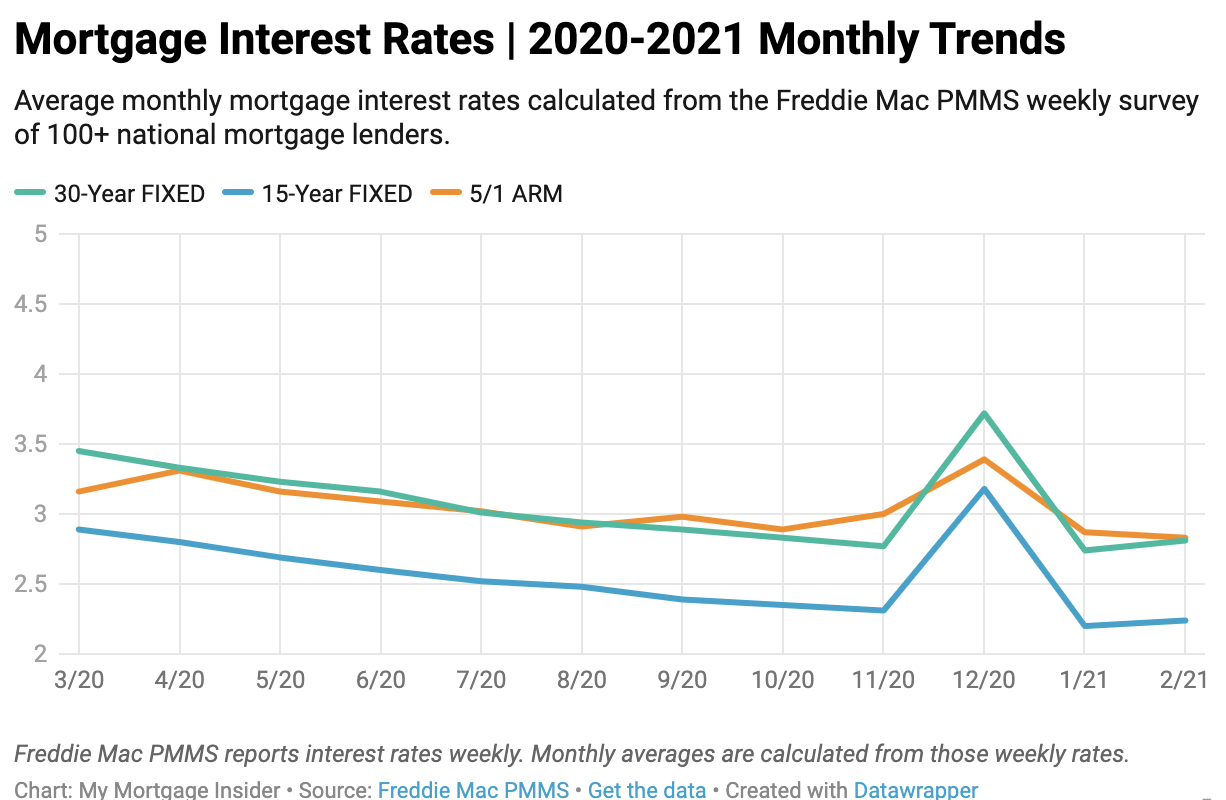
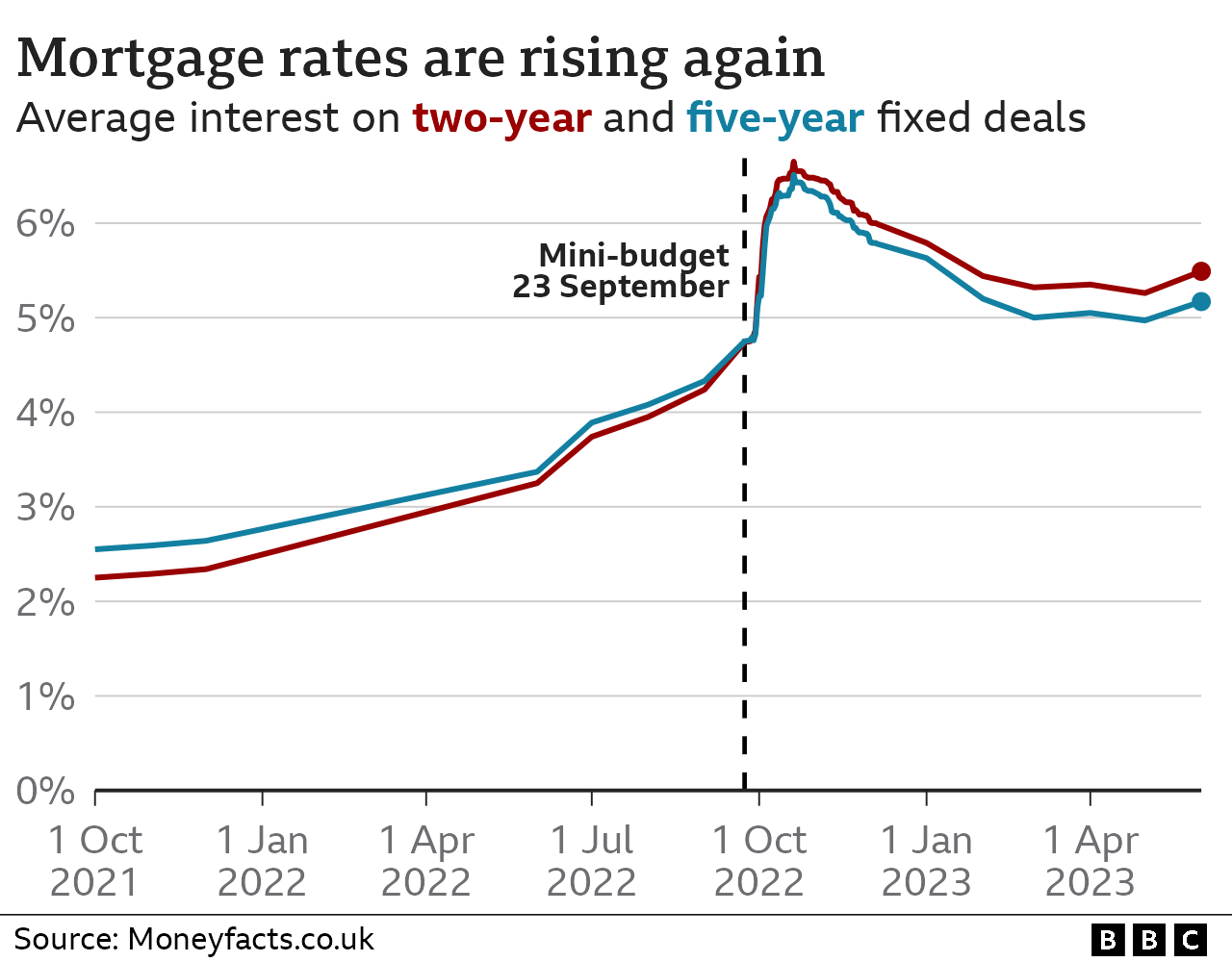
As of mid-2024, interest rates have stabilized significantly higher than their pandemic-era lows, fluctuating based on inflation data and Federal Reserve signals. For the modern borrower, the question is no longer “When will rates hit bottom?” but rather “How can I optimize my financial profile to secure the most competitive rate available today?”
Understanding the Factors Influencing Current Mortgage Rates
To understand why mortgage rates sit where they do today, one must look at the broader machinery of the global economy. Mortgage rates are not set in a vacuum, nor are they directly dictated by the government. Instead, they are the result of a complex interplay between policy, investor sentiment, and economic indicators.
The Federal Reserve and Monetary Policy
While the Federal Reserve (the Fed) does not set mortgage rates, its influence is paramount. The Fed controls the federal funds rate—the interest rate at which commercial banks borrow and lend to each other overnight. When the Fed raises rates to combat inflation, the cost of borrowing increases across the board. Lenders pass these costs on to consumers in the form of higher mortgage rates. In the current environment, the Fed’s commitment to bringing inflation down to its 2% target has kept upward pressure on mortgage yields.
Inflation and the Consumer Price Index (CPI)
Inflation is the natural enemy of mortgage rates. Because mortgages are long-term fixed-income assets, inflation erodes the value of the future payments a lender receives. If inflation is high, investors demand higher yields to compensate for the loss of purchasing power over time. When CPI reports show cooling inflation, mortgage rates often see a slight reprieve. Conversely, “sticky” inflation reports tend to drive rates higher.
The 10-Year Treasury Yield Connection
If you want to know where mortgage rates are heading today, look at the 10-year Treasury bond yield. There is a strong historical correlation between the 10-year Treasury and the 30-year fixed mortgage. Generally, mortgage rates track about 1.5 to 3 percentage points above the Treasury yield. This “spread” accounts for the added risks of mortgage lending, such as the risk of default or the risk that a borrower will prepay the loan.
Comparing Mortgage Products and Their Respective Interest Rates
Not all mortgages carry the same interest rate. The “current rate” quoted in the news is usually a national average for a 30-year fixed-rate mortgage for a borrower with excellent credit. However, different loan structures offer different pricing.
Fixed-Rate Mortgages: 15-Year vs. 30-Year
The 30-year fixed-rate mortgage remains the gold standard for American homeowners because it offers a predictable monthly payment for three decades. However, the 15-year fixed-rate mortgage almost always carries a significantly lower interest rate—often 0.5% to 1% lower than its 30-year counterpart. The trade-off is a much higher monthly payment due to the shorter amortization period, but the total interest paid over the life of the loan is drastically reduced.
Adjustable-Rate Mortgages (ARMs)
In a high-interest-rate environment, Adjustable-Rate Mortgages (ARMs) often gain popularity. An ARM typically offers a lower “teaser” rate for an initial period (such as 5, 7, or 10 years). After that period ends, the rate adjusts annually based on market indices. For buyers who plan to sell or refinance within a few years, an ARM can provide a lower entry cost, though it carries the risk of significant rate hikes in the future.
Government-Backed Loans: FHA, VA, and USDA
Loans backed by the Federal Housing Administration (FHA), the Department of Veterans Affairs (VA), or the USDA often feature interest rates that are lower than conventional loans. This is because the government guarantee reduces the risk for the lender. For example, VA loans—available to veterans and active-duty service members—frequently offer the lowest rates in the market with the added benefit of no down payment requirement.
The Impact of Personal Financial Health on Your Rate
While market forces set the baseline, your personal financial profile determines your specific “spread” above that baseline. Lenders use a risk-based pricing model, meaning the riskier you appear on paper, the higher the interest rate you will be charged.
Credit Scores and Tiered Pricing
Your credit score is perhaps the single most important factor in determining your mortgage rate. Lenders generally categorize borrowers into tiers. A borrower with a “prime” score (740 or higher) will receive the best available rates. A borrower with a “subprime” or “fair” score (below 640) might face interest rates that are 1% to 2% higher than the prime rate. Over the life of a $400,000 loan, that 1% difference can cost the borrower over $100,000 in additional interest.
Debt-to-Income (DTI) Ratios
Lenders also look at your Debt-to-Income ratio—the percentage of your gross monthly income that goes toward paying debts. A DTI ratio above 43% is often a red flag for conventional lenders. While a high DTI might not always prevent you from getting a loan, it can lead to higher interest rates or the requirement of private mortgage insurance (PMI), which increases your effective annual percentage rate (APR).
Down Payment Size and Loan-to-Value (LTV)
The “skin in the game” you provide also influences the rate. A larger down payment reduces the lender’s Loan-to-Value (LTV) ratio. If you put 20% down, you are seen as a lower-risk borrower than someone putting 3% down. Consequently, lenders may offer slightly better pricing to those who can afford a substantial down payment, as the equity provides a buffer against potential market downturns.
Strategies to Secure the Best Possible Interest Rate
Securing a mortgage is one of the largest financial transactions of a lifetime. Therefore, passive acceptance of the first quote you receive is rarely the best strategy. In today’s market, proactive management of the lending process is essential.
Buying Down the Rate with Points
“Discount points” are essentially prepaid interest. By paying a lump sum at closing (typically 1% of the loan amount per point), you can lower your interest rate for the duration of the loan. This strategy is highly effective for those who plan to stay in their home for a long time, as the monthly savings will eventually “break even” with the upfront cost. In a market where rates are expected to remain stable or rise, buying points can be a wise investment in long-term affordability.
The Importance of Shopping Multiple Lenders
Rates vary significantly from one institution to another. National banks, credit unions, and online mortgage brokers all have different overhead costs and risk appetites. Studies from the Consumer Financial Protection Bureau (CFPB) have shown that borrowers who get at least three quotes can save thousands of dollars over the life of their loan. Don’t just look at the interest rate; compare the APR, which includes the rate plus all lender fees, to get an “apples-to-apples” comparison.
Rate Locks and Timing the Market
Because mortgage rates change daily (and sometimes hourly), a “rate lock” is a crucial tool. Once you find a rate you are comfortable with, a lender can lock that rate for a set period—usually 30, 45, or 60 days—while your loan is being processed. This protects you from market volatility. However, be wary of “floating” your rate in hopes it will drop, as unexpected economic news can cause rates to spike overnight.
The Economic Outlook: Where are Rates Heading?
Predicting the future of mortgage rates is notoriously difficult, even for seasoned economists. However, by looking at current trends, we can form a logical perspective on the road ahead.
Predictive Models and Expert Forecasts
Most major financial institutions (such as Fannie Mae, Freddie Mac, and the Mortgage Bankers Association) provide quarterly forecasts. For the remainder of 2024 and heading into 2025, the consensus suggests a gradual softening of rates as inflation continues its slow descent toward the Fed’s target. However, the days of 3% mortgages are likely behind us for the foreseeable future. The market is adjusting to a “new normal” where rates in the 6% to 7% range are considered standard.

The Long-Term Perspective on Real Estate Investing
From a personal finance perspective, it is important to remember that “you marry the house and date the rate.” Even if you secure a mortgage at a rate higher than you would like, real estate historically appreciates over time. Furthermore, if rates drop significantly in the future, refinancing remains a viable option to lower your monthly obligation.
In conclusion, while the current interest rate for mortgages is influenced by global economic forces and Federal Reserve policy, the rate you ultimately pay is a reflection of your individual financial health and your ability to navigate the lending market. By improving your credit, shopping around, and understanding the nuances of different loan products, you can secure a mortgage that fits your long-term financial goals even in a volatile interest rate environment. Professional financial planning and a disciplined approach to borrowing remain the best defenses against the uncertainty of the modern economy.
aViewFromTheCave is a participant in the Amazon Services LLC Associates Program, an affiliate advertising program designed to provide a means for sites to earn advertising fees by advertising and linking to Amazon.com. Amazon, the Amazon logo, AmazonSupply, and the AmazonSupply logo are trademarks of Amazon.com, Inc. or its affiliates. As an Amazon Associate we earn affiliate commissions from qualifying purchases.