
In the dynamic world of personal finance, few terms hold as much weight and potential impact on a consumer’s financial well-being as the Annual Percentage Rate (APR). Far from being a simple number, the “current APR rate” is a multifaceted concept that varies wildly depending on a myriad of factors, from individual creditworthiness to broader economic conditions and the specific financial product in question. This article delves deep into understanding APR, exploring what influences it, how to find competitive rates, and ultimately, how it shapes your financial future. There isn’t a single, universal “current APR rate” to quote; rather, it’s a spectrum of rates that demands careful understanding and strategic navigation by anyone seeking credit.
Understanding APR: More Than Just an Interest Rate
At its core, APR is designed to provide consumers with a standardized way to compare the true cost of borrowing across different lenders and financial products. It’s a crucial metric that goes beyond the headline interest rate, offering a more comprehensive view of what you’ll pay over time.
Defining Annual Percentage Rate (APR)
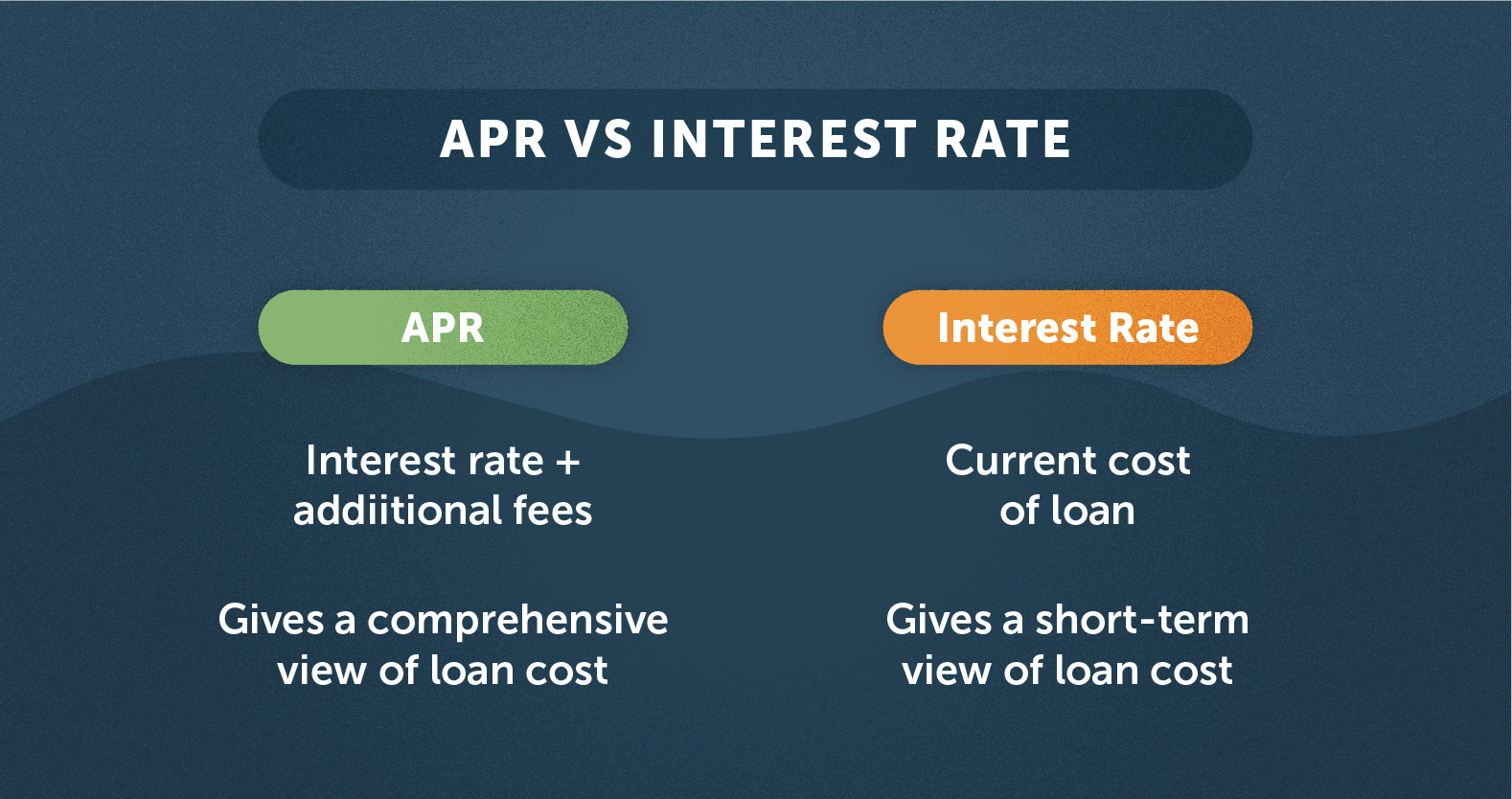
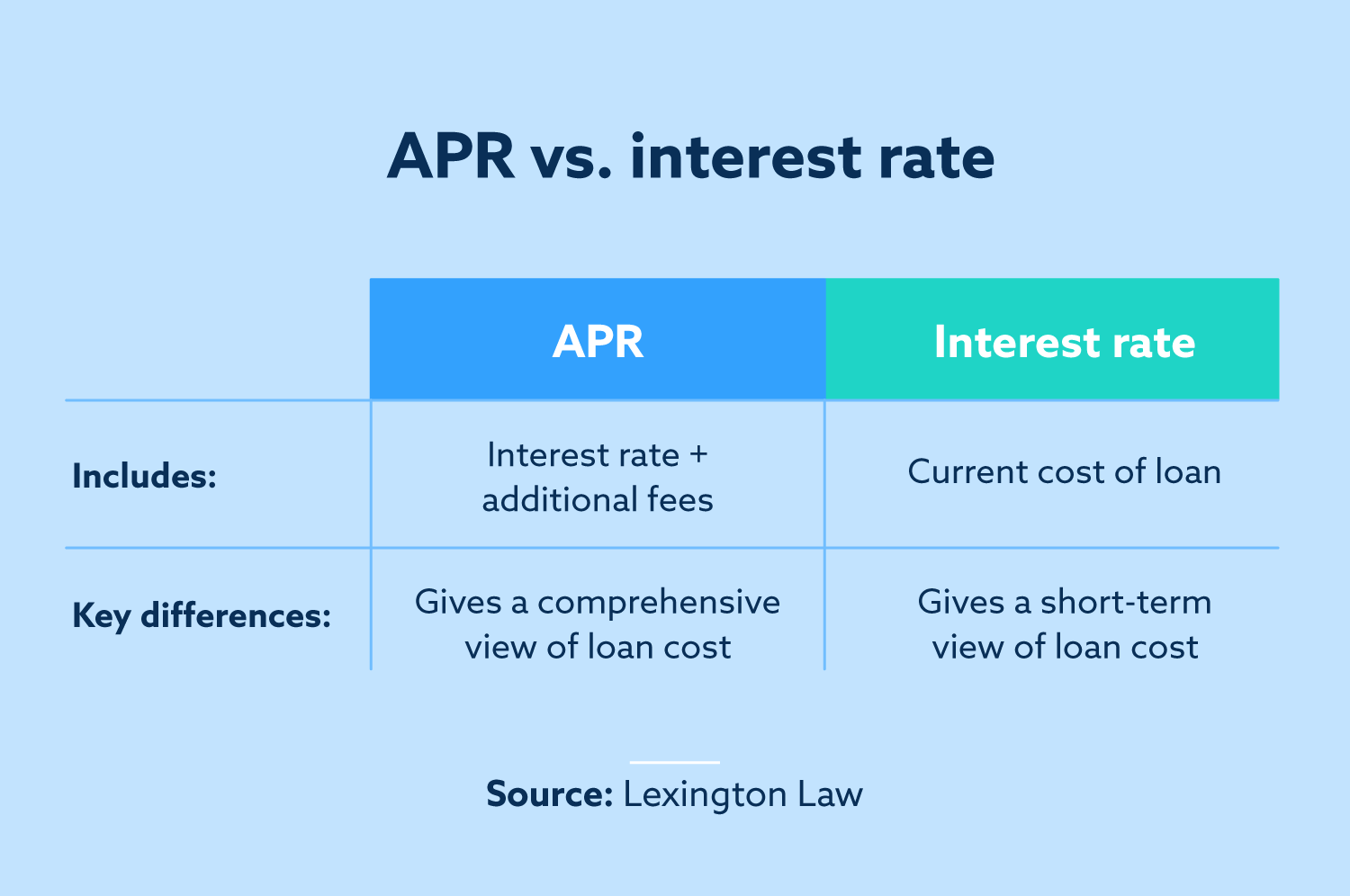
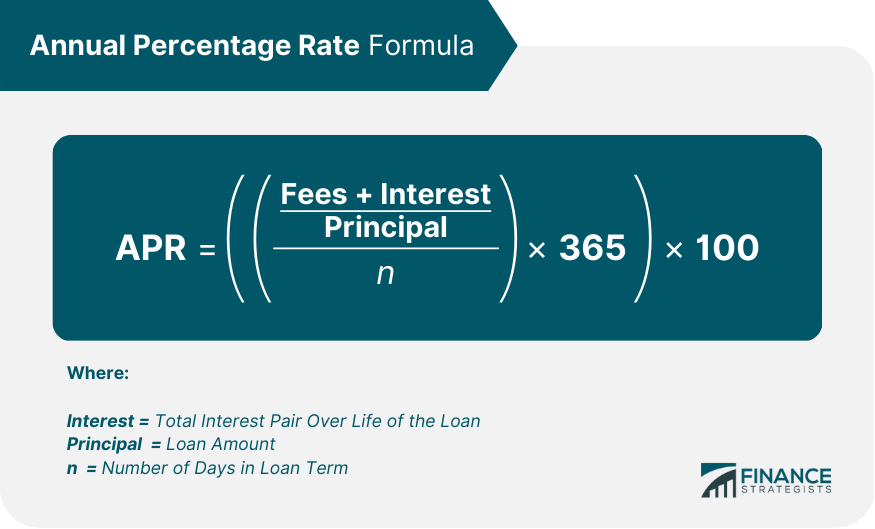
APR stands for Annual Percentage Rate. It represents the annual cost of a loan to a borrower, expressed as a percentage. Unlike a simple interest rate, which only reflects the cost of borrowing the principal amount, APR encompasses not only the interest rate but also other fees and charges associated with the loan. These might include origination fees, discount points, mortgage insurance, or administrative costs. The goal of including these additional costs is to give borrowers a more accurate picture of the total annual cost of credit, making it easier to compare different loan offers. For instance, two lenders might offer the same interest rate, but if one tacks on higher fees, its APR will be higher, indicating a more expensive loan overall.
Fixed vs. Variable APRs
A critical distinction in the world of APRs is whether they are fixed or variable. This characteristic significantly impacts the predictability and potential long-term cost of your borrowing.
-
Fixed APR: A fixed APR remains constant throughout the life of the loan or for a specified introductory period. This provides stability and predictability, as your monthly payments (excluding any changes in principal balance) will not fluctuate due to market conditions. Fixed-rate mortgages, certain personal loans, and some credit cards offer fixed APRs. The advantage here is peace of mind, knowing exactly what your interest cost will be, regardless of economic shifts. However, if market rates drop significantly, you might miss out on lower payments unless you refinance.
-
Variable APR: In contrast, a variable APR is subject to change over time. It is typically tied to an underlying index rate, such as the U.S. Prime Rate, which is heavily influenced by the Federal Funds Rate set by the Federal Reserve. When the index rate rises, your APR will likely increase, leading to higher monthly payments and a greater total cost over the loan’s term. Conversely, if the index rate falls, your APR and payments could decrease. Variable APRs are common in credit cards (after an introductory period), adjustable-rate mortgages (ARMs), and home equity lines of credit (HELOCs). While they can offer lower initial rates, they carry the risk of future payment increases, making budgeting potentially more challenging. Understanding the index rate and the lender’s margin (the additional percentage added to the index rate) is crucial when evaluating variable APRs.
Key Factors Influencing Your APR
The “current APR rate” is never a single, static figure. Instead, it’s a dynamic number that is meticulously calculated based on a confluence of individual, product-specific, and macroeconomic factors. Understanding these influences is paramount to securing the most favorable borrowing terms.
Creditworthiness and Credit Score
Perhaps the most significant individual factor determining your APR is your creditworthiness, primarily encapsulated by your credit score. Lenders use credit scores (like FICO or VantageScore) to assess the risk of lending money to an applicant. A higher credit score signals a lower risk of default, making you a more attractive borrower. Consequently:
-
High Credit Score (e.g., 720+): Individuals with excellent credit typically qualify for the lowest available APRs on mortgages, auto loans, personal loans, and credit cards. Lenders are more confident in their ability to repay and offer better terms as an incentive.
-
Average Credit Score (e.g., 620-719): Borrowers with good or average credit scores will generally face higher APRs than those with excellent credit. While still able to access credit, the cost of borrowing increases to compensate lenders for the slightly elevated risk.
-
Low Credit Score (e.g., below 620): Those with poor or limited credit history are considered high-risk borrowers. They will encounter significantly higher APRs, often substantially above market averages, or may even be denied credit by mainstream lenders. Subprime lenders might offer credit, but at punitive rates.
Your credit report, which details your payment history, outstanding debts, length of credit history, and types of credit used, forms the basis for your credit score. Regularly reviewing your credit report for accuracy and working to improve your score are essential steps toward securing lower APRs.
Loan Type and Purpose
The nature and purpose of the loan also play a crucial role in determining the APR. Different financial products carry different levels of risk for lenders, which is reflected in their respective rates.
-
Secured vs. Unsecured Loans:
-
Secured Loans (e.g., mortgages, auto loans, secured personal loans): These loans are backed by collateral (like a house or car) that the lender can seize if the borrower defaults. The presence of collateral significantly reduces the lender’s risk, often resulting in lower APRs compared to unsecured loans.
-
Unsecured Loans (e.g., credit cards, personal loans, student loans): These loans are not backed by collateral. Lenders rely solely on the borrower’s creditworthiness and promise to repay, making them inherently riskier. Consequently, unsecured loans typically carry higher APRs.
-
-
Specific Product Categories:
-
Mortgages: Generally have some of the lowest APRs due to being secured by a valuable asset (real estate) and often involve larger principal amounts and longer repayment terms.
-
Auto Loans: Tend to have higher APRs than mortgages but lower than unsecured personal loans, as the vehicle serves as collateral. New car loans typically have lower APRs than used car loans due to the depreciating nature of the asset.
-
Personal Loans: APRs vary widely based on credit score, but they are unsecured and therefore usually higher than secured loans.
-
Credit Cards: Often have the highest APRs, reflecting their unsecured nature, revolving credit feature, and the risk associated with continuous spending and fluctuating balances. Introductory APRs can be low, but regular purchase APRs are typically in the double digits.
-
Economic Environment and Central Bank Policies
Broader economic conditions and the policies of central banks profoundly influence prevailing APRs across the board. These external forces create the baseline upon which individual and product-specific factors are layered.
-
Federal Funds Rate (or equivalent central bank rate): In the U.S., the Federal Reserve sets the target for the federal funds rate, which is the overnight lending rate between banks. Changes in this rate ripple throughout the economy, influencing the Prime Rate (a benchmark for many variable APRs) and, consequently, the cost of borrowing for consumers. When the Fed raises rates to combat inflation, APRs on variable-rate loans and new fixed-rate loans tend to rise. Conversely, rate cuts can lead to lower APRs.
-
Inflation: High inflation erodes the purchasing power of money over time. Lenders account for this by charging higher interest rates (and thus higher APRs) to ensure the real value of their returns is maintained.
-
Market Competition: The level of competition among lenders also plays a role. In a highly competitive market, lenders may offer slightly lower APRs to attract borrowers, even if economic conditions would otherwise suggest higher rates.
-
Economic Outlook: Lenders adjust their risk assessment based on the overall economic outlook. During periods of economic uncertainty or recession, lenders may become more cautious, leading to stricter lending standards and potentially higher APRs for perceived riskier borrowers.
Lender-Specific Policies and Fees
Finally, individual lenders have their own underwriting criteria, business models, and fee structures that contribute to the APR they offer.
-
Some lenders specialize in certain types of borrowers or loan products, allowing them to offer more competitive rates in those niches.
-
Origination Fees: A common fee for mortgages and personal loans, paid upfront to cover the cost of processing the loan.
-
Annual Fees: Primarily associated with credit cards, these are recurring charges for the privilege of holding the card.
-
Discount Points: For mortgages, borrowers can sometimes pay “points” upfront to “buy down” their interest rate, effectively lowering the APR.
These fees are factored into the APR calculation, meaning a loan with a seemingly low-interest rate but high fees could end up having a higher overall APR than a loan with a slightly higher interest rate but fewer fees.
How to Find and Compare Current APR Rates
Given the multitude of factors influencing APR, finding the “current APR rate” for your specific needs requires diligent research and strategic comparison. This proactive approach can lead to significant savings over the life of your loan.
Researching APRs for Specific Products
The first step is to focus your search based on the type of financial product you need. APRs differ dramatically across product categories.
-
Credit Card Offers: Look for introductory APRs (often 0% for a period) for purchases and balance transfers. Understand the regular purchase APR, cash advance APR, and penalty APR that kicks in after missed payments. The Schumer Box on credit card applications provides a standardized, easy-to-read summary of these rates and fees.
-
Mortgage Rates: Research 30-year fixed, 15-year fixed, and Adjustable-Rate Mortgages (ARMs). Pay attention to whether the quoted rate includes points or other closing costs, as these impact the true APR. Mortgage rates can vary significantly even within the same day due to market fluctuations.
-
Auto Loan Rates: Compare rates for new versus used cars, and consider financing options from dealerships, banks, and credit unions. Dealers may offer promotional rates that are competitive, but always cross-reference with external lenders.
-
Personal Loans: Investigate online lenders, traditional banks, and credit unions. Online lenders often provide quick pre-approval with soft credit checks, allowing you to compare personalized rates without impacting your credit score.
Tools and Resources for Comparison
Leveraging available tools and resources is essential for an efficient and effective search.
-
Online Comparison Websites: Websites like Bankrate, NerdWallet, LendingTree, and Credit Karma allow you to compare APRs across multiple lenders for various products simultaneously. They often provide personalized rate estimates based on a soft credit pull.
-
Direct Inquiries to Lenders: Don’t hesitate to contact multiple banks, credit unions, and online lenders directly. Many will provide rate quotes based on your specific financial profile. Credit unions, in particular, often offer competitive rates to their members.
-
Understanding Disclosures: Always read the fine print. For credit cards, the Schumer Box is your best friend. For mortgages and other loans, thoroughly review the Loan Estimate (for mortgages) or Truth in Lending Act (TILA) disclosures, which legally require lenders to present the APR clearly. These documents break down all costs included in the APR.
Strategies for Securing a Lower APR
Being informed is one thing; actively working to secure a lower APR is another. Here are practical strategies:
-
Improve Your Credit Score: This is arguably the most impactful long-term strategy. Pay bills on time, reduce existing debt, avoid opening too many new credit accounts simultaneously, and monitor your credit report for errors. A higher score translates directly to lower APR offers.
-
Shop Around Aggressively: Never settle for the first offer. Get quotes from at least three to five different lenders for the same product. Even a fraction of a percentage point difference in APR can save you hundreds or thousands of dollars over the life of a loan.
-
Negotiate with Lenders: For larger loans like mortgages or even personal loans, there might be some room for negotiation, especially if you have a strong credit profile and a competing offer.
-
Consider Shorter Loan Terms: While it means higher monthly payments, shorter loan terms (e.g., a 15-year mortgage instead of a 30-year) typically come with lower APRs because the lender’s risk is reduced over a shorter period.
-
Make a Larger Down Payment: For secured loans like mortgages and auto loans, a larger down payment reduces the amount you need to borrow, which can sometimes lead to a lower APR as it signals less risk to the lender.
The Impact of APR on Your Financial Health
The APR you secure isn’t just a number; it’s a direct determinant of the total cost of your debt and has a profound impact on your long-term financial health. Even small differences in APR can translate into significant financial implications over time.
Cost of Borrowing Over Time
The most immediate impact of APR is on the total amount of interest you will pay over the life of a loan. A higher APR means more of your monthly payment goes towards interest, rather than reducing the principal.
-
Illustrative Example: Consider a $200,000 mortgage repaid over 30 years.
-
At a 6% APR, the total interest paid would be approximately $231,676, with a monthly payment of $1,199.10.
-
At a 7% APR, the total interest paid would jump to roughly $279,183, with a monthly payment of $1,330.60.
-
That single percentage point difference in APR adds nearly $47,507 to the total cost of the loan and increases your monthly payment by over $130.
-
Similar principles apply to credit cards, where a high APR on a revolving balance can cause interest to accrue rapidly, making it challenging to pay down the principal amount. The longer you carry a balance, the more devastating the effect of a high APR becomes.
Budgeting and Debt Management
A favorable APR can significantly ease your budgeting and debt management efforts, while a high APR can quickly become a formidable obstacle.
-
Affordable Payments: A lower APR results in lower monthly payments (assuming the same principal and term), freeing up more of your income for other essential expenses, savings, or investments. This contributes to a healthier cash flow.
-
Faster Debt Reduction: With less money going towards interest, a larger portion of your payments can be applied to the principal balance. This accelerates debt repayment, allowing you to become debt-free sooner and potentially save thousands in interest costs.
-
Hindrance to Debt Repayment: Conversely, high APRs, particularly on credit cards, can create a cycle of debt. A substantial portion of your minimum payment might be consumed by interest charges, making it feel like you’re treading water and barely making a dent in the principal. This can lead to financial stress and delay progress toward other financial goals.
-
Strategic Tools: Understanding APR is critical when considering debt management strategies like balance transfers or debt consolidation. A balance transfer to a 0% introductory APR card can provide a breathing room to pay down high-interest credit card debt. However, it’s crucial to ensure you can pay off the balance before the introductory period ends and the regular (often high) APR kicks in. Debt consolidation loans can also be beneficial if they offer a lower APR than your existing debts, simplifying payments and reducing overall interest.
Navigating Future APR Fluctuations
The economic landscape is never static, meaning “current APR rates” are always subject to change. Proactively understanding and adapting to these potential fluctuations is a hallmark of sound financial management.
Staying Informed About Economic Indicators
To anticipate potential shifts in APR, especially for variable-rate loans or future borrowing needs, it’s vital to keep an eye on key economic indicators and central bank announcements.
-
Interest Rate Forecasts: Financial news outlets and economic analysts frequently publish forecasts regarding the Federal Reserve’s (or other central banks’) future interest rate policies. These insights can help you predict whether variable APRs are likely to rise or fall.
-
Inflation Reports: High inflation often prompts central banks to raise interest rates to cool down the economy, which in turn can lead to higher APRs. Monitoring inflation reports (e.g., Consumer Price Index – CPI) can provide an early warning.
-
Employment Data: Strong employment numbers and wage growth can signal a robust economy, which might give central banks more leeway to raise rates without fear of stifling growth. Conversely, weak employment data might lead to rate cuts.
-
Gross Domestic Product (GDP): GDP growth figures offer a broad measure of economic health. A rapidly expanding economy might lead to higher rates, while a contracting economy could see rates lowered to stimulate activity.
Adapting Your Financial Strategy
Based on your understanding of current and projected economic conditions, you can make informed decisions to protect or enhance your financial position.
-
Refinancing Opportunities: If you have a variable-rate loan and expect rates to rise, or if general market rates have dropped significantly since you took out a fixed-rate loan, refinancing to a new loan with a lower fixed APR could lock in savings and provide payment stability. Conversely, if you have a fixed-rate loan and anticipate rates falling, an adjustable-rate mortgage (ARM) might offer lower initial payments, but you must be comfortable with the associated risk.
-
Proactive Debt Reduction: When interest rates are low, it might be an opportune time to take on new, necessary debt (like a mortgage) at a favorable fixed rate. When rates are rising or are already high, prioritizing aggressive debt reduction, particularly on high-APR credit cards and personal loans, becomes even more critical to minimize interest accrual.
-
Building an Emergency Fund: A robust emergency fund provides a buffer against unexpected financial shocks, reducing the likelihood that you’ll need to rely on high-APR credit cards or loans during difficult times. This financial cushion can indirectly protect you from the detrimental effects of high APRs.
-
Prepaying Principal: For loans with relatively high APRs, making extra payments towards the principal can significantly reduce the total interest paid and shorten the loan term. This strategy is particularly effective with compound interest, where interest is charged on interest.
In conclusion, the question “what is the current APR rate” reveals a complex financial landscape rather than a single answer. APR is a critical metric that consolidates the true annual cost of borrowing, influenced by personal creditworthiness, the type of loan, prevailing economic conditions, and individual lender policies. By understanding these components, proactively researching and comparing offers, and adapting your financial strategy to market fluctuations, you can effectively navigate the world of credit, secure more favorable terms, and significantly improve your long-term financial health. Informed decision-making around APR is not just about saving money; it’s about building a more secure and predictable financial future.
aViewFromTheCave is a participant in the Amazon Services LLC Associates Program, an affiliate advertising program designed to provide a means for sites to earn advertising fees by advertising and linking to Amazon.com. Amazon, the Amazon logo, AmazonSupply, and the AmazonSupply logo are trademarks of Amazon.com, Inc. or its affiliates. As an Amazon Associate we earn affiliate commissions from qualifying purchases.