
Choosing where to apply for a credit card is a pivotal decision that impacts your financial health, your credit score, and your long-term purchasing power. In the modern financial landscape, the “where” is no longer limited to the local bank branch on the corner. Today, consumers can access credit through massive multinational corporations, community-focused credit unions, digital-only “neobanks,” and even retail giants.
Navigating these options requires a strategic approach. Each platform offers different advantages, from high-tier travel rewards and concierge services to low-interest rates and credit-building tools. To make an informed choice, you must understand the different types of issuers, the digital tools available for comparison, and the logistical steps involved in the application process.
Understanding the Primary Issuers: Where to Start Your Search
The most direct answer to where you should apply depends on your financial profile and what you hope to gain from the card. There are three main categories of financial institutions that issue credit cards, each catering to different consumer needs.
Traditional National Banks
National banks—such as Chase, American Express, Citibank, Capital One, and Wells Fargo—are the heavyweights of the credit card world. These institutions are often the first place consumers look because of their massive marketing budgets and widely recognized reward programs.
If you are looking for premium travel rewards, high cash-back percentages, or luxury perks like airport lounge access, these large issuers are typically your best bet. They have the capital to offer substantial sign-up bonuses that can be worth hundreds of dollars. Furthermore, their mobile apps and digital interfaces are usually state-of-the-art, allowing for seamless management of your account. However, these banks often have stricter credit score requirements, typically looking for “Good” to “Excellent” credit (scores of 670 and above).
Credit Unions and Community Banks
For many, the best place to apply is a local credit union or a community bank. Unlike national banks, credit unions are member-owned, non-profit organizations. This structure often allows them to offer lower interest rates (APRs) and fewer fees.
If you plan on carrying a balance from month to month—though this is generally discouraged in personal finance—a credit union card can save you significant money in interest charges. Additionally, credit unions are known for more personalized underwriting. If your credit score is average or you have a “thin” credit file, a credit union where you already have a checking or savings account may be more willing to approve your application based on your existing relationship rather than just an automated score.
Digital-Only Banks and Fintech Companies
The rise of financial technology (Fintech) has introduced a new wave of issuers like Chime, SoFi, and Petal. These companies often operate entirely online or through mobile apps. They are particularly attractive to younger consumers or those who are new to credit.
Many fintech issuers use “alternative data” to determine creditworthiness. Instead of relying solely on a FICO score, they might analyze your income, your utility payment history, or your banking habits. This makes them an excellent place to apply if you are a student or an immigrant who has not yet established a traditional credit history in the United States.
Online Marketplaces and Comparison Tools
If you are unsure which specific bank is right for you, you don’t have to visit every individual website. Online marketplaces and comparison tools have revolutionized the way consumers shop for financial products. These platforms act as intermediaries that aggregate data from hundreds of different cards, allowing you to filter by your specific needs.
Aggregator Sites
Websites like NerdWallet, Bankrate, and Credit Karma serve as comprehensive libraries for credit products. These sites provide objective reviews, breakdown the “fine print” of card agreements, and categorize cards into niches such as “Best Travel Cards,” “Best for Balance Transfers,” or “Best No-Annual-Fee Cards.”
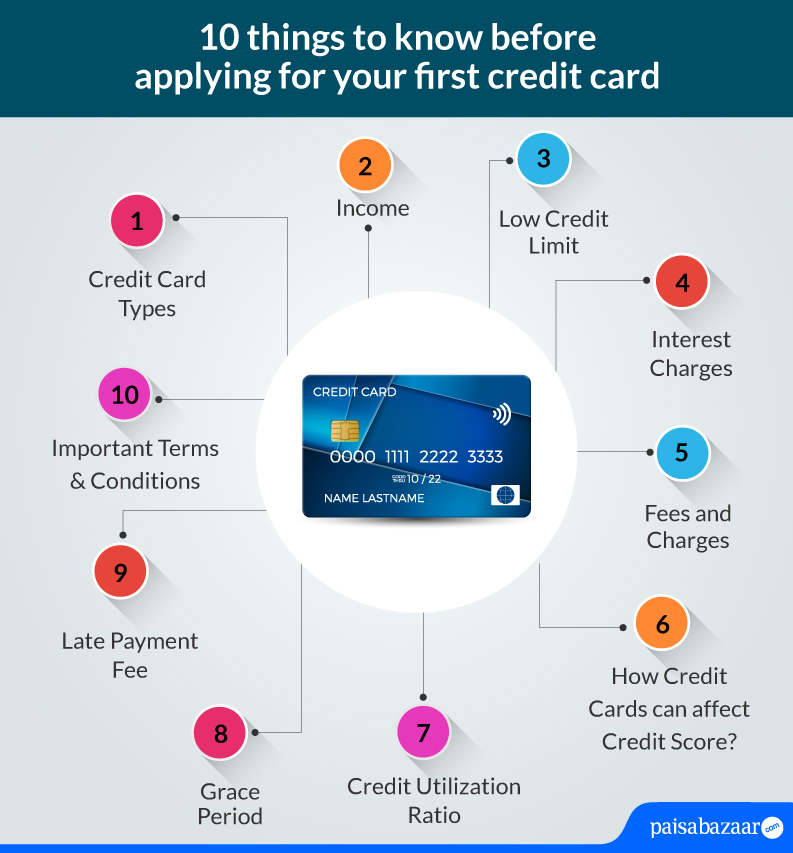
Applying through these sites is often as simple as clicking a “Apply Now” button, which redirects you to the issuer’s official secure application page. The advantage here is the ability to see a side-by-side comparison of interest rates, annual fees, and reward structures before you commit to a hard inquiry on your credit report.
Personalized Recommendations and Pre-Approval Tools
One of the most effective ways to decide where to apply is to use “pre-approval” or “pre-qualification” tools. Many major issuers and third-party marketplaces offer these services. By entering basic information—such as your name, address, and the last four digits of your Social Security number—the system performs a “soft pull” on your credit.
A soft pull does not affect your credit score. In return, the issuer tells you which cards you are likely to be approved for. This significantly reduces the risk of applying for a card that is out of your reach and suffering a “hard inquiry” (which can temporarily lower your score) for a rejection. Applying where you are already “pre-approved” is a high-probability strategy for success.
Strategic Considerations Before You Hit “Apply”
The question of “where” to apply should be preceded by the question of “why.” Applying for the wrong card for your lifestyle is a missed opportunity for financial optimization.
Assessing Your Credit Profile
Before you apply anywhere, you must know your credit score. You can access your credit report for free through platforms like AnnualCreditReport.com or through many banking apps.
-
Excellent Credit (800+): You can apply anywhere and likely get the lowest rates and highest rewards.
-
Good Credit (670-799): You are a strong candidate for most mainstream reward cards.
-
Fair Credit (580-669): You should look toward “Secured” credit cards or cards specifically marketed for “Rebuilding Credit.”
-
Poor Credit (Below 580): Your best option is a secured card where you provide a refundable deposit that acts as your credit limit.
Matching the Card to Your Spending Habits
The “where” is also determined by your budget. If you spend $500 a month on groceries and gas, you should apply for a card that offers 3-6% cash back in those specific categories. If you are a frequent business traveler, applying with an issuer that has a partnership with your preferred airline or hotel chain (co-branded cards) is the most logical path.
Understanding the Impact of Hard Inquiries
Every time you submit a formal application for a credit card, the issuer performs a hard inquiry on your credit report. This can stay on your report for two years and may lower your score by a few points. Therefore, you should not apply for multiple cards at different institutions simultaneously. This “shotgun approach” can signal financial distress to lenders. Instead, identify the one or two best options and apply for them strategically, spaced several months apart.
The Step-by-Step Application Process
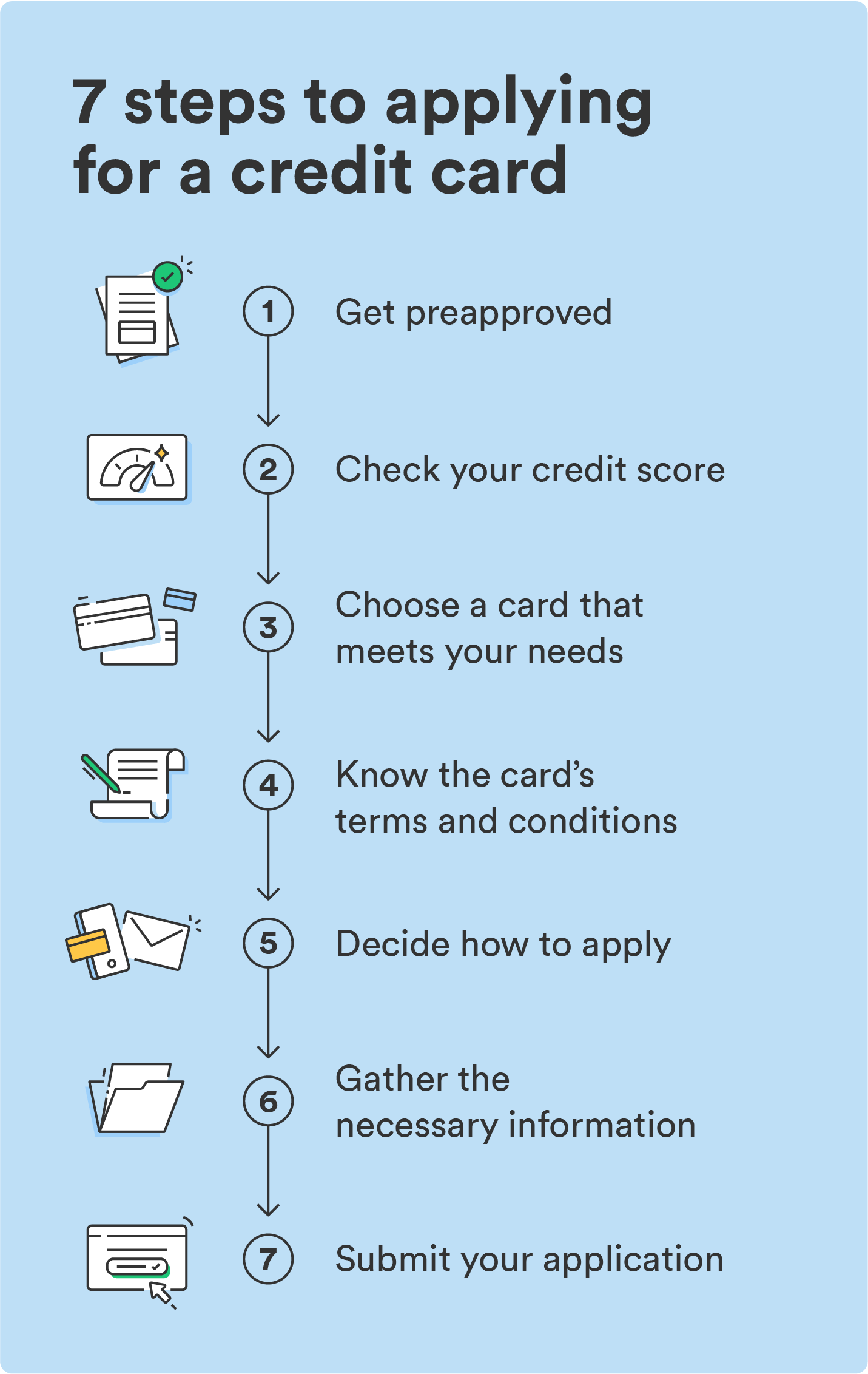
Once you have identified the institution and the specific card, the actual application process is relatively uniform across the industry.
Documentation Needed
To apply, you will typically need to provide:
-
Personal Identification: Your full name, Date of Birth, and Social Security Number (or ITIN).
-
Contact Information: Physical address, email, and phone number.
-
Financial Information: Total annual gross income. This is a crucial metric that issuers use to determine your ability to pay and your credit limit. You can often include income from a spouse or partner if you have a reasonable expectation of access to those funds.
-
Housing Costs: Your monthly rent or mortgage payment.

What to Expect After Submission
Most online applications provide an “instant decision.” In a matter of seconds, the issuer’s algorithm evaluates your data and either approves you, denies you, or puts your application “under review.”
If you are approved, you will usually receive your physical card in the mail within 7 to 10 business days, though many digital-first banks now provide a “virtual card” number immediately so you can begin shopping online. If you are denied, the law requires the issuer to send you an “Adverse Action Notice.” This document explains exactly why you were rejected (e.g., “too many recent inquiries” or “income too low”). Use this information as a roadmap to improve your profile before applying elsewhere in the future.
In conclusion, the best place to apply for a credit card is the institution that aligns with your current credit standing and your future financial goals. Whether it is a global bank for its luxury perks, a credit union for its low rates, or a fintech app for its accessibility, the choice is yours. By utilizing comparison tools and pre-approval checks, you can navigate the application process with confidence and precision.
aViewFromTheCave is a participant in the Amazon Services LLC Associates Program, an affiliate advertising program designed to provide a means for sites to earn advertising fees by advertising and linking to Amazon.com. Amazon, the Amazon logo, AmazonSupply, and the AmazonSupply logo are trademarks of Amazon.com, Inc. or its affiliates. As an Amazon Associate we earn affiliate commissions from qualifying purchases.