
For millions of Americans, Social Security benefits form a critical pillar of their retirement income. Yet, the desire or necessity to continue working, even part-time, often persists into the golden years. This raises a fundamental question: how much can one earn before their Social Security benefits are affected? Navigating the rules and understanding the financial implications is crucial for maximizing your overall income and ensuring a stable retirement. This article delves into the intricacies of Social Security’s earnings limits, offers strategies for optimizing your income, and provides a broader perspective on financial planning during retirement.
Understanding Social Security’s Earnings Limit
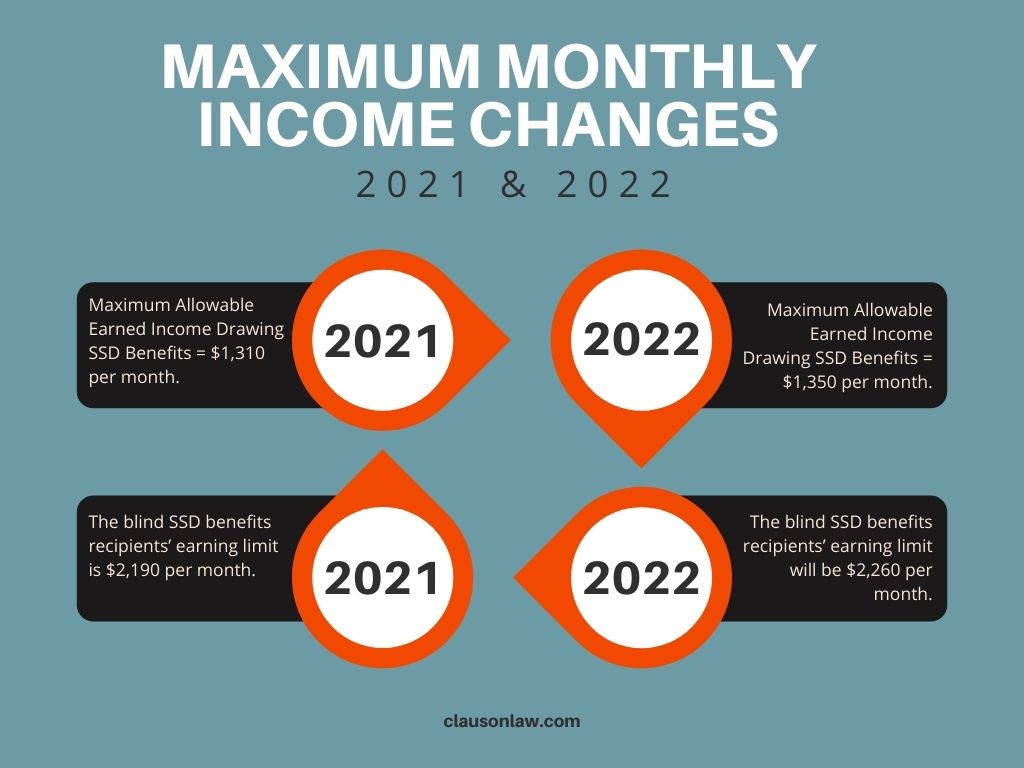
The Social Security Administration (SSA) implements what are known as “earnings limits” for beneficiaries who continue to work while receiving benefits, but only until they reach their full retirement age (FRA). These limits are designed to balance the system’s solvency and its objective of providing a safety net for those who have fully retired.
The Rationale Behind Earnings Limits
The core philosophy behind earnings limits is to ensure that Social Security benefits are primarily directed towards those who are no longer substantially employed. The system was never intended to fully replace a worker’s pre-retirement income but rather to provide a base level of financial security. For individuals who continue to earn above a certain threshold, the assumption is that their need for the full benefit is reduced, at least temporarily. It’s important to remember that any benefits withheld due to exceeding earnings limits are not “lost” forever; they are generally added back to your benefit amount once you reach your full retirement age.
How Earnings Limits Are Calculated
The earnings limit thresholds are adjusted annually to reflect changes in the national average wage index. The rules for how much you can earn before your benefits are reduced vary depending on whether you are before your Full Retirement Age (FRA) or in the year you reach your FRA. Once you reach your FRA, these earnings limits disappear entirely.
-
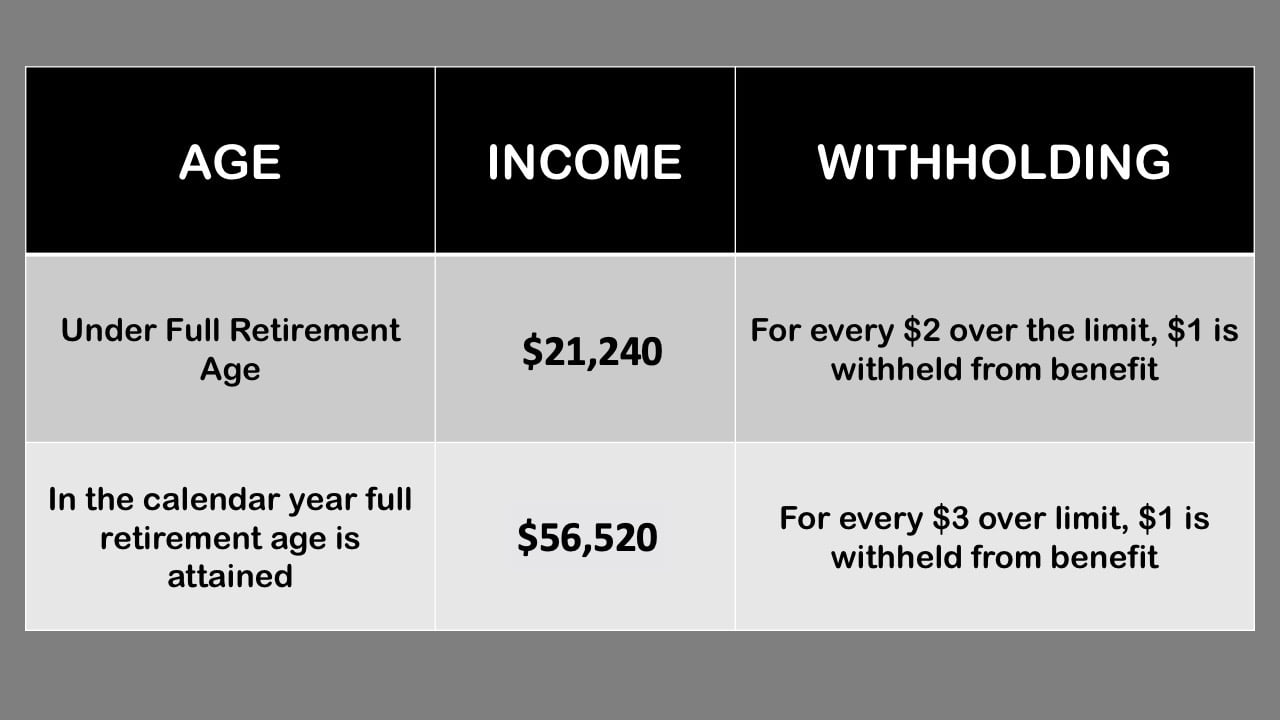
Before Full Retirement Age (FRA): If you are younger than your FRA for the entire year, the SSA will deduct $1 from your benefits for every $2 you earn above a specific annual limit. For example, in 2024, this limit is $22,320. If you earn $24,320, which is $2,000 above the limit, the SSA would withhold $1,000 in benefits ($2,000 / 2).
-
During the Year You Reach FRA: A different, more generous limit applies during the year you will reach your FRA. In this scenario, the SSA will deduct $1 from your benefits for every $3 you earn above a much higher annual limit, up to the month before you reach your FRA. For 2024, this limit is $59,520. Once you hit your FRA month, the earnings limit no longer applies, and you can earn as much as you like without any reduction in benefits.
-
After Full Retirement Age: There are no earnings limits whatsoever once you reach your FRA. You can earn any amount of income from work, and it will not affect your Social Security benefit payments. Your benefits will not be reduced, regardless of how much you earn.
What Counts as “Earned Income”?
It’s crucial to distinguish between “earned income” and other forms of income for Social Security purposes. The earnings limit only applies to wages earned from employment or net earnings from self-employment. It does not apply to:
-
Pension payments
-
Annuities
-
Investment income (e.g., dividends, interest, capital gains)
-
Rental income (unless you are a real estate professional)
-
Government benefits (e.g., VA benefits)
This distinction is vital for strategic financial planning, as it means you can have substantial passive income without it impacting your Social Security checks.
Navigating Earnings Limits: Impact on Your Benefits
Understanding the precise impact of earnings limits is key to making informed decisions about working in retirement. The rules are not uniform across all age groups and situations.
Impact Before Full Retirement Age (FRA)
If you claim Social Security benefits early (anytime between age 62 and your FRA) and continue to work, you are subject to the lower annual earnings limit. For every dollar you earn above this limit, your benefits will be reduced by 50 cents. This reduction is applied to your monthly benefit amount until the total withheld amount equals the penalty. The SSA often withholds entire monthly payments until the earnings limit is accounted for. For instance, if you’re projected to exceed the limit significantly, you might not receive any checks for several months at the beginning of the year.
Impact During the Year You Reach FRA
The rules become more lenient in the year you attain your FRA. You can earn a significantly higher amount before benefits are affected, and the reduction rate is less severe ($1 for every $3 earned above the limit). Critically, this higher limit only applies to earnings before the month you reach your FRA. From the month you reach your FRA onward, there is no earnings limit at all. This “grace year” can be a strategic window for some individuals to work more intensively without forfeiting too much of their Social Security income.
What Happens After You Reach FRA?
This is where the flexibility truly kicks in. Once you’ve reached your Full Retirement Age, the earnings test vanishes. You can work full-time, part-time, start a business, or take on any paying endeavor, and your Social Security benefits will remain untouched. Furthermore, any benefits that were withheld from you before you reached FRA due to exceeding the earnings limits are not simply gone. The SSA will factor those withheld amounts back into your benefit calculation, essentially giving you credit for them in the form of a higher monthly payment once you are past your FRA. This adjustment typically happens automatically.
The Benefit “Withholding” Mechanism
The SSA usually withholds entire monthly checks rather than partial amounts. If you expect to exceed the earnings limit, it’s often best to inform the SSA. They can then adjust your payments, potentially withholding checks at the beginning of the year, to prevent an overpayment situation that you would later have to repay. At the end of the tax year, the SSA will reconcile your actual earnings with their projections and make any necessary adjustments.
Strategies for Maximizing Income While Receiving Social Security
Given the rules, several strategies can help you maximize your overall income, blending Social Security benefits with earnings from work.
Strategic Timing of Social Security Claiming
One of the most impactful decisions is when to start taking Social Security benefits.
-
Delaying Benefits: If you can afford to delay claiming benefits until your FRA or even up to age 70, you’ll not only avoid the earnings test entirely but also receive higher monthly payments for life. For each year you delay past your FRA, up to age 70, your benefits increase by 8%. If you plan to work extensively in your early retirement years, delaying might be the most financially prudent choice.
-
Claiming Early with Minimal Earnings: If you need the income and plan to work very little, claiming early might be fine. However, if your earnings exceed the limits, the reduction to your early benefits can be substantial.
Diversifying Income Streams (Passive vs. Earned)
To circumvent the earnings limit, focus on generating income that the SSA does not count as “earned income.”
-
Investment Income: Interest from savings accounts, dividends from stocks, and capital gains from selling investments do not count against the earnings limit. Building a robust investment portfolio can provide a significant source of passive income without affecting your Social Security benefits.
-
Rental Property Income: If you own rental properties and are not actively involved in their management to the extent of it being considered a trade or business (i.e., not self-employment), this income is typically passive and not subject to the earnings limit.
-
Annuities and Pensions: Income from private pensions or annuities is not considered earned income by the SSA.
Employer Considerations for Part-Time Work
If you choose to work part-time, discuss your earnings goals with potential employers. Some employers might be willing to structure your compensation to fit within the earnings limits if it’s feasible for them. For example, you might opt for fewer hours or a project-based role that allows you to control your annual earnings. Additionally, understanding the “monthly earnings test” can be useful for individuals who retire mid-year. In their first year of claiming benefits, the SSA might apply a monthly test, allowing full benefits for months you are retired, regardless of total annual earnings, provided you do not earn above a monthly limit or perform substantial services.
Understanding Tax Implications
It’s important to remember that Social Security benefits themselves can be taxable, depending on your “combined income.” Combined income includes your adjusted gross income (AGI), any tax-exempt interest, and half of your Social Security benefits.
-
If your combined income is between $25,000 and $34,000 (single) or $32,000 and $44,000 (married filing jointly), up to 50% of your benefits may be taxable.
-
If your combined income exceeds these higher thresholds, up to 85% of your benefits may be taxable.
Therefore, while managing earnings limits, also consider how your total income (including wages, investments, and Social Security) will impact your tax liability. Strategic tax planning, potentially with the help of a financial advisor, can save you significant money.
Beyond Earnings Limits: Comprehensive Financial Planning
While understanding earnings limits is crucial, it’s just one piece of the larger financial planning puzzle for retirement. A holistic approach ensures long-term security and peace of mind.
The Importance of a Holistic Retirement Plan
Your retirement plan should encompass all aspects of your financial life: savings, investments, income streams (Social Security, pensions, work), expenses, healthcare costs, and estate planning. Don’t view Social Security in isolation. Consider how it integrates with your 401(k), IRA, personal savings, and any other assets. A well-constructed plan aims to provide a sustainable income stream throughout your retirement years, adapting to changes in health, market conditions, and personal goals.
Consulting Financial Advisors
The rules surrounding Social Security, taxes, and investments can be complex and are subject to change. A qualified financial advisor can provide personalized guidance tailored to your specific situation. They can help you:
-
Project future income needs and potential shortfalls.
-
Develop strategies for claiming Social Security optimally.
-
Design an investment portfolio that complements your retirement income.
-
Navigate tax implications of various income sources.
-
Plan for potential healthcare costs, including Medicare.
Exploring Other Retirement Accounts (IRAs, 401(k)s)
Social Security is a foundational element, but it rarely suffices as the sole source of retirement income. Maximize contributions to tax-advantaged retirement accounts like 401(k)s and IRAs throughout your working life. These accounts grow tax-deferred or tax-free (in the case of Roth accounts) and provide a substantial reservoir of funds to draw upon in retirement, independent of Social Security’s earnings limits. Diversifying your retirement savings minimizes reliance on any single income source and provides greater financial flexibility.
Health Insurance Considerations (Medicare)
As you approach and enter retirement, understanding Medicare is paramount. Medicare eligibility begins at age 65 for most people. If you continue to work and have employer-sponsored health insurance, you’ll need to decide whether to enroll in Medicare Part B immediately or delay it. This decision can have significant financial implications and potential penalties if not handled correctly. Factor healthcare costs, including Medicare premiums, deductibles, and out-of-pocket expenses, into your overall retirement budget.
Real-World Scenarios and Case Studies
To illustrate how these rules apply, consider a few common scenarios:
The Part-Timer Nearing FRA
Sarah, age 63, started claiming Social Security benefits early. Her Full Retirement Age is 67. She works part-time, earning $28,000 in 2024. The earnings limit for someone under FRA is $22,320. Sarah exceeds the limit by $5,680 ($28,000 – $22,320). The SSA will withhold $1 for every $2 earned above the limit, so $2,840 ($5,680 / 2) will be withheld from her benefits over the year. Sarah needs to decide if the additional earnings are worth the benefit reduction or if she should reduce her hours.
The Entrepreneur Post-FRA
John, age 68, reached his FRA last year. He runs a successful consulting business, earning $100,000 annually. Because John is past his FRA, his Social Security benefits are completely unaffected by his business income. He receives his full monthly benefit, and his earnings test is non-existent.

Planning for Unexpected Income Surges
Maria, age 65, will reach her FRA in August 2024. She took early retirement and started collecting benefits. In April, a former employer offered her a lucrative short-term contract, which she expects will pay $65,000 by July. The special earnings limit for the year she reaches FRA is $59,520 (in 2024). Maria will earn $5,480 ($65,000 – $59,520) above this limit before her FRA month. For this excess, $1 for every $3 will be withheld, amounting to $1,826.67 ($5,480 / 3). She can still take on more work from August onwards without any further impact.
In conclusion, understanding “how much income can I make while on Social Security” is a critical component of successful retirement planning. By grasping the nuances of earnings limits, distinguishing between earned and unearned income, and employing strategic planning, you can effectively blend work and benefits to create a financially secure and fulfilling retirement. Always consider consulting with the Social Security Administration directly or a qualified financial advisor for personalized advice specific to your circumstances.
aViewFromTheCave is a participant in the Amazon Services LLC Associates Program, an affiliate advertising program designed to provide a means for sites to earn advertising fees by advertising and linking to Amazon.com. Amazon, the Amazon logo, AmazonSupply, and the AmazonSupply logo are trademarks of Amazon.com, Inc. or its affiliates. As an Amazon Associate we earn affiliate commissions from qualifying purchases.