
The automotive landscape has undergone a seismic shift over the last decade, transitioning from a heavy reliance on internal combustion engines to a future defined by electrification. At the center of this revolution is Tesla, a brand that once represented an unattainable luxury for most. However, as the company has scaled its production and optimized its supply chain, the question of “what is the cheapest Tesla” has become a central focus for budget-conscious consumers looking to enter the world of sustainable transport.
When discussing the cheapest Tesla, we must look beyond the initial sticker price. True affordability in the electric vehicle (EV) sector is a multi-faceted equation involving purchase price, government incentives, operational savings, and long-term depreciation. This guide analyzes the current financial landscape of Tesla ownership, identifying the most accessible entry points and the economic strategies required to make an EV fit into a modern financial plan.
The Entry Point: Understanding the Model 3 Purchase Price
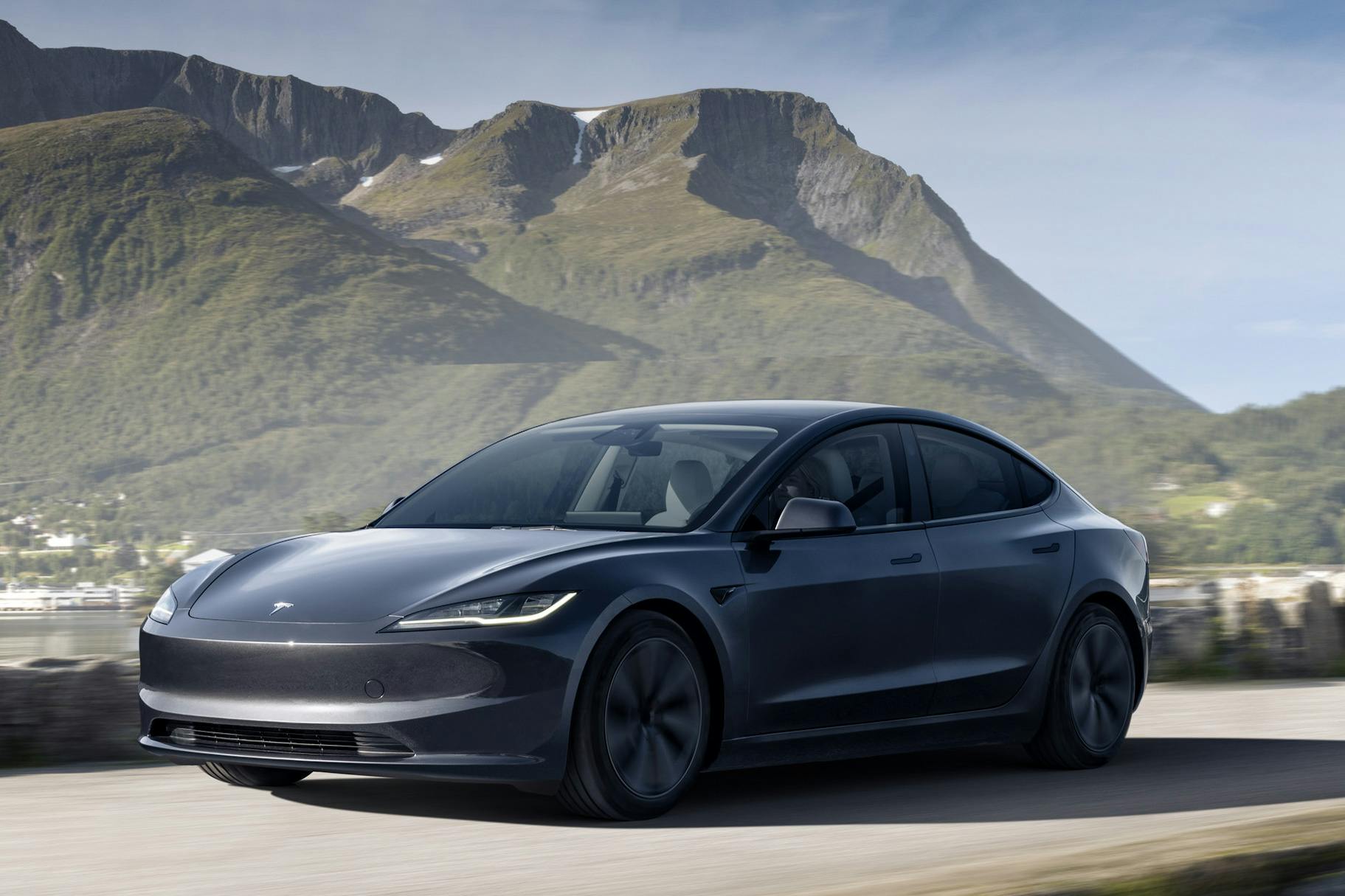
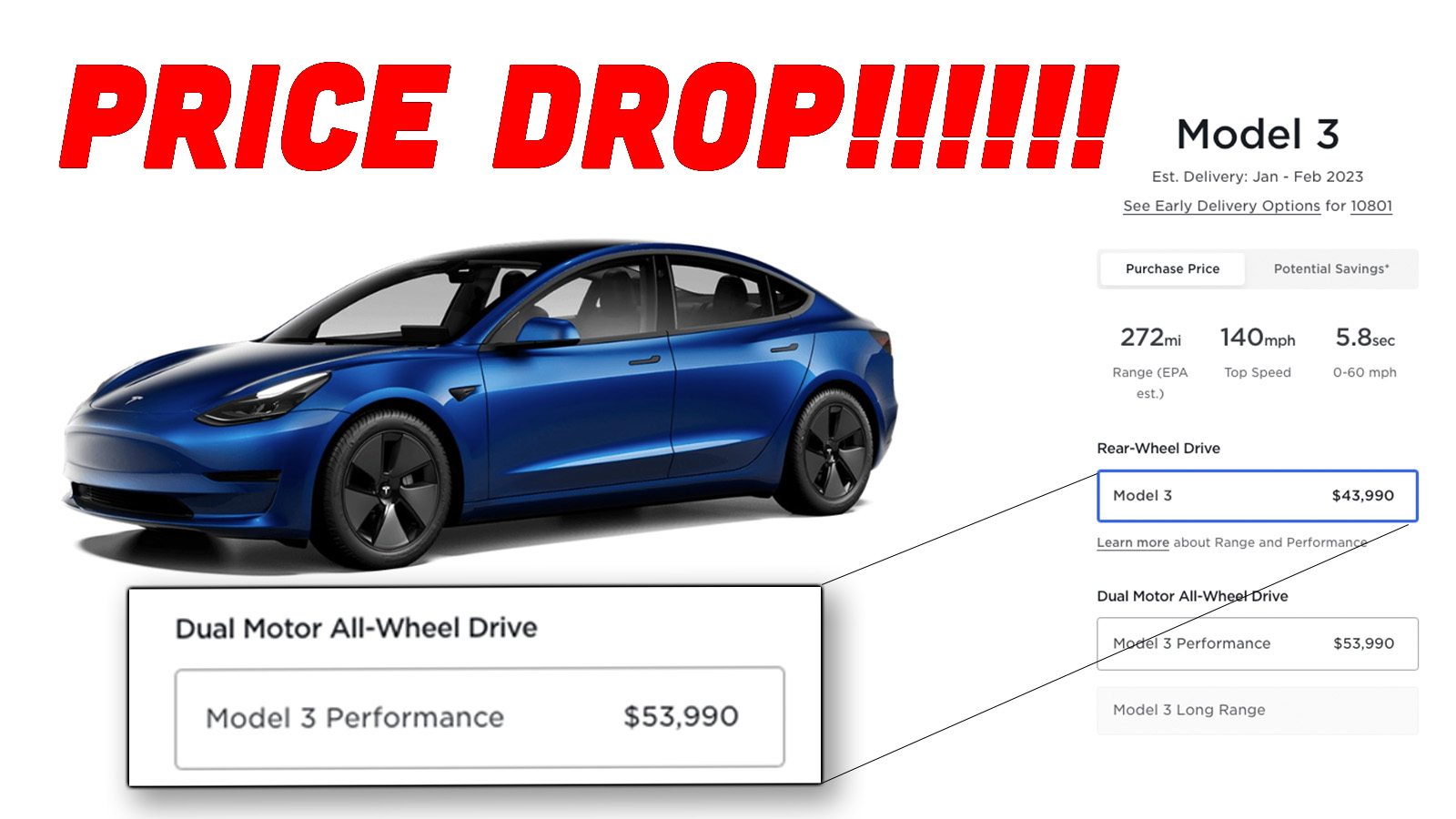
As of the current market cycle, the title for the “cheapest Tesla” belongs firmly to the Model 3 Rear-Wheel Drive (RWD). Originally envisioned as the “car for the masses,” the Model 3 has undergone various price fluctuations due to supply chain dynamics and competitive pressure. Despite these changes, it remains the most affordable pathway into the Tesla ecosystem.
The Rear-Wheel Drive (RWD) Standard Range
The Model 3 RWD serves as the base trim level. Economically, this version is designed to provide the core Tesla experience—including the minimalist interior, advanced Autopilot hardware, and superior software integration—without the added cost of a second motor or a long-range battery pack. For a buyer focusing strictly on the lowest MSRP (Manufacturer’s Suggested Retail Price), this is the baseline.
Currently, the Model 3 RWD typically hovers in the high-$30,000 to low-$40,000 range before any incentives. While this is significantly higher than a budget compact gasoline car, the value proposition changes when you factor in the technology and performance that come standard. From a financial planning perspective, the Model 3 RWD is the most logical choice for commuters who have access to home charging and do not require the extreme range of more expensive variants.
The Impact of Region and Delivery Fees
When calculating the “cheapest” option, many buyers overlook the “Destination Fee.” Tesla applies a non-negotiable delivery and documentation fee (usually around $1,390) to every vehicle purchase. Furthermore, pricing can vary slightly by region due to local taxes and registration fees. To find the absolute cheapest new Tesla, buyers should keep a close eye on “Inventory” vehicles. Tesla often discounts cars that are already in stock at local delivery centers to meet quarterly sales targets. These “Existing Inventory” units can sometimes be found for $2,000 to $4,000 less than a custom-ordered vehicle, representing the pinnacle of new-car affordability within the brand.
Leveraging Incentives and Tax Credits to Lower Net Cost
The “sticker price” of a Tesla is rarely the “final price” for a savvy investor or consumer. In many markets, particularly the United States, government intervention plays a massive role in making EVs financially competitive with traditional vehicles.
Federal EV Tax Credits (Section 30D)
Under the current U.S. tax code, specifically the Inflation Reduction Act, certain Tesla models qualify for a federal tax credit of up to $7,500. This is a critical component of the “Money” aspect of Tesla ownership. For a Model 3 to qualify, it must meet specific battery component and mineral sourcing requirements, which can change as Tesla adjusts its supply chain.
For the consumer, this credit is often available as a “point-of-sale” discount, meaning the $7,500 is taken directly off the purchase price at the time of delivery, rather than waiting for tax season. This effectively drops the price of a $40,000 Model 3 to $32,500, placing it in direct competition with mid-range sedans from Toyota or Honda. However, it is important to note that income caps apply ($150,000 for individuals, $300,000 for married couples), making this a targeted financial tool for middle-income households.
State-Level Rebates and Local Perks
Beyond federal assistance, many states—such as California, Colorado, and Massachusetts—offer additional rebates. In some instances, these can stack with federal credits, potentially shaving another $2,000 to $5,000 off the price. Furthermore, local utility companies often provide “hidden” financial benefits, such as rebates for installing a Level 2 home charger or discounted electricity rates for overnight charging. When these localized financial incentives are aggregated, the “cheapest Tesla” can reach a net cost that rivals entry-level gasoline vehicles.

The “Hidden” Savings: Total Cost of Ownership (TCO) vs. Sticker Price
In personal finance, the purchase price is only one part of the story. The true “cheapness” of a vehicle is determined by its Total Cost of Ownership (TCO). This is where Tesla, even with a higher upfront cost, often outperforms cheaper internal combustion engine (ICE) vehicles over a 5-to-10-year horizon.
Fuel Savings: Electricity vs. Gasoline
The most immediate financial gain comes from the “fuel” source. On average, charging an electric vehicle costs about one-third to one-fourth the price of fueling a gasoline car per mile. For an individual driving 15,000 miles per year, this can result in annual savings of $1,000 to $2,000 depending on local electricity rates and the price of gas. Over five years, this $5,000 to $10,000 in savings effectively reduces the net cost of the Tesla, making the “expensive” electric car cheaper than a “cheap” gas car in the long run.
Reduced Maintenance and Long-term Reliability
Teslas have significantly fewer moving parts than traditional cars. There are no oil changes, spark plugs, timing belts, or smog checks. While tires and cabin air filters still need replacement, the regenerative braking system drastically extends the life of brake pads and rotors—often lasting well over 100,000 miles. For a budget-conscious owner, the elimination of unpredictable, high-cost engine repairs is a major financial advantage. When you calculate the NPV (Net Present Value) of these saved maintenance costs, the Model 3 becomes an even more attractive financial asset.
The Secondary Market: Is a Used Tesla the Better Financial Move?
If the price of a brand-new Model 3 is still outside a buyer’s budget, the used market offers an even more aggressive entry point. As the first generations of Model 3s and older Model S units age, they enter a price bracket that appeals to the value-driven investor.
Depreciating Assets and the “Used Model 3” Sweet Spot
All cars are depreciating assets, and Tesla is no exception. A 3-to-4-year-old Model 3 with 50,000 miles can often be found in the $20,000 to $25,000 range. At this price point, the Tesla becomes accessible to a much wider demographic. Interestingly, used EVs under $25,000 purchased from a dealer may qualify for a federal used EV tax credit of up to $4,000, further incentivizing the secondary market. This “double dip” of depreciation and tax credits makes a used Model 3 arguably the smartest financial move for someone seeking the absolute lowest capital outlay.
Certified Pre-Owned (CPO) vs. Private Sale
When shopping for the cheapest used Tesla, buyers face a choice: buy directly from Tesla’s used inventory or from a private party. Tesla’s own used inventory (CPO) often carries a slight premium but includes an additional limited warranty, which can mitigate the financial risk of out-of-warranty repairs. Conversely, private sales or third-party dealers might offer lower prices but require more rigorous due diligence regarding battery health and vehicle history. From a risk-management perspective, spending an extra $1,000 for a Tesla-backed warranty often proves to be the more fiscally responsible choice.
Financing and Leasing Strategies for the Budget-Conscious
The final pillar of finding the cheapest Tesla involves the cost of capital. How you pay for the car is just as important as the price you pay.
Comparing Interest Rates and Loan Terms
In a high-interest-rate environment, the “cheapness” of a car can be eroded by a bad loan. Tesla often partners with major lenders to offer competitive rates, but savvy buyers should always secure “outside” financing from credit unions before visiting the Tesla website. Credit unions often offer rates 1% to 2% lower than national banks, which can save thousands of dollars over a 72-month loan term. Additionally, keeping the loan term to 48 or 60 months, while resulting in higher monthly payments, reduces the total interest paid, making the car cheaper in the absolute sense.
The Pros and Cons of Tesla Leasing
For those who prioritize low monthly payments over equity, leasing a Model 3 can be the most accessible way to drive a Tesla. Tesla’s lease payments are often significantly lower than loan payments. However, from a wealth-building perspective, leasing is generally less efficient because you do not own the asset at the end of the term, and Tesla famously does not allow lessees to buy out the car at the end of the lease for certain models. For a consumer focused on “Money” and long-term net worth, purchasing a used or new Model 3 and holding it for 8+ years is almost always the superior financial strategy compared to a cycle of perpetual leasing.
In conclusion, identifying the “cheapest” Tesla requires a shift from viewing a car as a simple purchase to viewing it as a long-term financial commitment. While the Model 3 RWD is the cheapest by sticker price, the intersection of federal tax credits, fuel savings, and low maintenance creates a value proposition that often surpasses much cheaper gasoline alternatives. Whether buying new to take advantage of the latest incentives or scouring the used market for a sub-$25,000 bargain, the path to affordable Tesla ownership is more accessible than ever for those who do the math.
aViewFromTheCave is a participant in the Amazon Services LLC Associates Program, an affiliate advertising program designed to provide a means for sites to earn advertising fees by advertising and linking to Amazon.com. Amazon, the Amazon logo, AmazonSupply, and the AmazonSupply logo are trademarks of Amazon.com, Inc. or its affiliates. As an Amazon Associate we earn affiliate commissions from qualifying purchases.