
New York City has long been defined by its skyline, its financial prowess, and its cultural output. However, over the last decade, a new narrative has taken hold of the five boroughs: the rise of “Silicon Alley.” While San Francisco may have the historical legacy of the tech boom, New York City has successfully integrated technology into its existing industrial pillars—finance, fashion, media, and real estate—to create an ecosystem that is uniquely resilient and incredibly diverse. For the tech professional, the digital nomad, or the innovation enthusiast, “what to do in New York” is no longer a question of sightseeing, but of exploring one of the most sophisticated tech hubs in the world.

The Evolution of the New York Tech Ecosystem
To understand how to navigate New York today, one must understand the tectonic shifts that occurred in its economy. The transition from a city dominated by traditional media and finance to a global leader in artificial intelligence (AI), fintech, and biotechnology was not accidental.
From Media Hub to AI Frontier
Historically, New York’s tech scene was born out of a need to modernize the publishing and advertising industries. Today, that foundation has evolved into a powerhouse of AI and machine learning. As you walk through the Flatiron District or Soho, you aren’t just passing historical architecture; you are passing the headquarters of firms that are defining the future of Generative AI. The city’s tech-related “to-do” list starts with recognizing that NYC is currently the second-largest tech ecosystem globally, attracting billions in venture capital that rivals the traditional dominance of the West Coast.
The Rise of Silicon Alley
The term “Silicon Alley” originally referred to a small cluster of companies in the 1990s centered around the Flatiron District. Today, the “Alley” has expanded to encompass the entire city, from the fintech labs of the Financial District to the biotech incubators in Kips Bay and the hardware startups at the Brooklyn Navy Yard. For the visiting technologist, this means the city functions as a living laboratory where software meets physical infrastructure in real-time.
Strategic Innovation Hubs: Where to Connect and Collaborate
When planning what to do in New York from a tech perspective, visiting the physical locations where innovation happens is essential. These hubs serve as the nerve centers for networking and witnessing the cutting edge of urban technology.
Cornell Tech and Roosevelt Island’s Digital Infrastructure
Roosevelt Island, once a quiet residential strip, has been transformed by the Cornell Tech campus. This is a must-visit for anyone interested in how academia interacts with industry. The campus is designed as a “bridge” between technical research and commercial application. Walking through the Emma and Georgina Bloomberg Center, one can observe some of the most sustainable architecture in the city, powered by one of the largest geothermal well fields in the United States. It is a testament to how NYC is leveraging tech to solve the climate crisis.
Chelsea and the Google-Meta Corridor
The transformation of Chelsea and the Meatpacking District into a high-tech corridor is perhaps the most visible change in the city’s landscape. Google’s massive presence at 111 Eighth Avenue and its newer Pier 57 offices have anchored a neighborhood that now serves as the East Coast headquarters for almost every major tech titan. Exploring this area provides insight into the “campus-in-a-city” model, where tech giants integrate seamlessly into the urban fabric rather than isolating themselves in suburban parks.
Brooklyn Navy Yard: The Future of Urban Manufacturing
For those interested in hardware, robotics, and sustainable manufacturing, the Brooklyn Navy Yard is the premier destination. This 300-acre site is home to New Lab, a massive workspace for companies specializing in “frontier tech.” Here, you can see startups working on everything from autonomous delivery drones to modular housing units. It represents the “maker” side of New York’s tech identity—proving that the city still knows how to build physical things, albeit with the help of advanced software.
Smart City Infrastructure: Experiencing Tech in the Wild
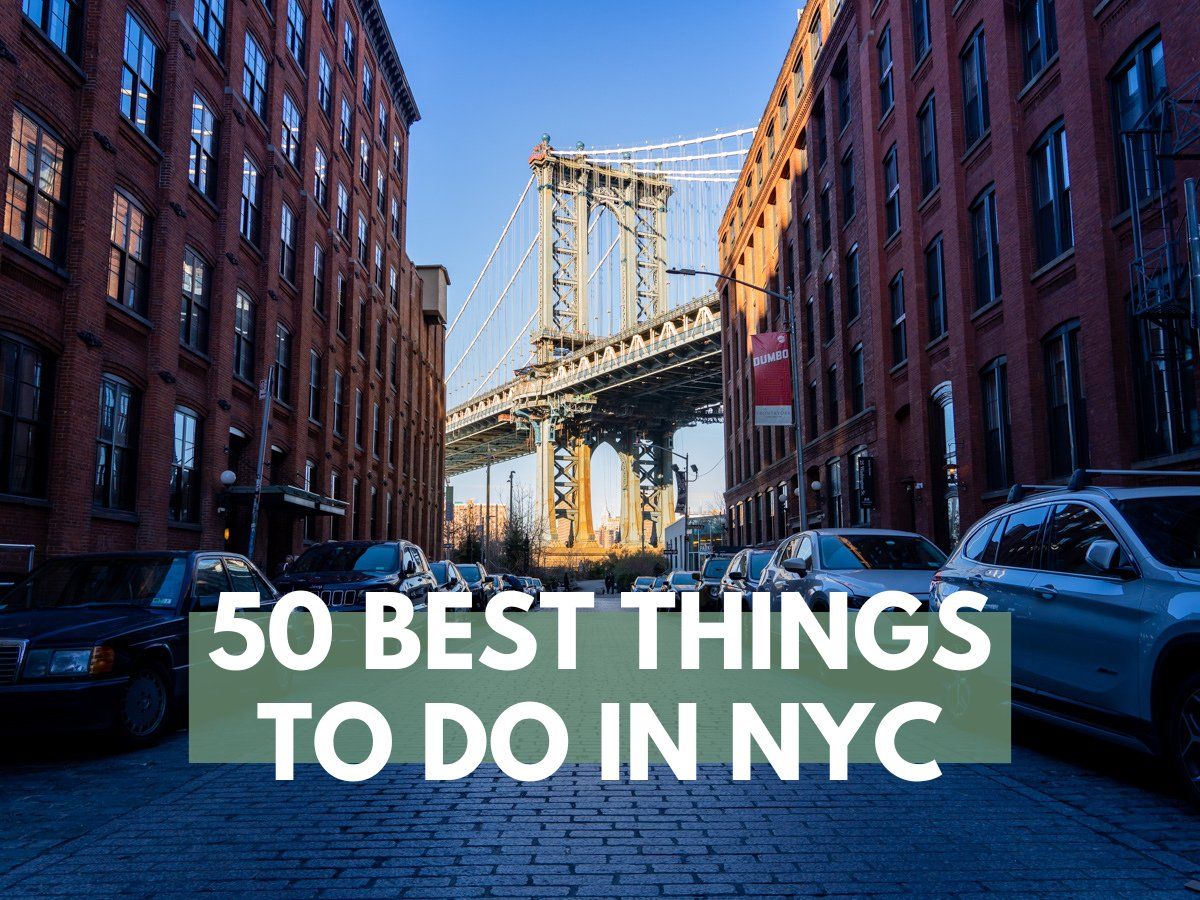
New York City acts as a massive test bed for “Smart City” initiatives. For a tech-savvy visitor, the most interesting things to do involve observing how the city uses data and connectivity to manage millions of residents and tourists daily.
LinkNYC and the Gigabit Connectivity Network
As you navigate the streets, you will notice the LinkNYC kiosks. These are not just public Wi-Fi stations; they are sophisticated pieces of urban tech that provide free gigabit Wi-Fi, phone calls, and environmental sensors. They represent a major step in the city’s goal to bridge the digital divide. Analyzing these kiosks offers a look into how municipal governments are partnering with private tech firms to monetize urban data while providing essential public services.
The Hudson Yards Experiment: Data-Driven Urbanism
Hudson Yards is more than just a luxury real estate development; it was marketed as the “first quantified community” in the United States. The entire area is wired with sensors designed to monitor air quality, traffic patterns, and energy consumption. For those interested in the “Internet of Things” (IoT) and urban planning, a walk through Hudson Yards is a lesson in how big data can be used to optimize every aspect of city life, from trash collection to power distribution.
OMNY and the Modernization of Transit
Even the act of taking the subway is a tech experience. The rollout of OMNY (One Metro New York) represents a massive shift in contactless payment systems and IoT integration. This system, which handles millions of transactions daily across one of the world’s most complex transit networks, is a masterclass in deploying scalable technology in a high-pressure environment.
Essential Tools and Apps for the Modern Digital Nomad in NYC
To truly experience New York as a tech professional, one must utilize the digital layer that sits atop the physical city. The “what to do” is often dictated by the “what to use.”
Mobility-as-a-Service: Navigating with Precision
New York is the ultimate testing ground for mobility apps. Beyond the standard Google Maps, power users rely on Citymapper for its superior data on subway delays and “best carriage” features. Furthermore, the integration of Citi Bike (owned by Lyft) into the city’s transport grid shows how micro-mobility and data analytics can solve the “last-mile” problem in a dense urban environment. For the visitor, using these apps provides a window into the efficiency of New York’s multimodal transport tech.
Networking and Event Discovery Platforms
The tech social scene in NYC is relentless. To find the most relevant meetups—whether for AI developers, blockchain enthusiasts, or venture capital networking—platforms like Luma, Meetup, and Eventbrite are indispensable. In New York, the most valuable “tech” activities often happen in the back of a bar in Williamsburg or a rooftop in Soho during a “Tech Tuesday” mixer.
The Future Outlook: AI and the Next Decade of New York Tech
The trajectory of New York City’s tech scene suggests that the next decade will be defined by the “AI-ification” of its core industries. As the city looks forward, its focus is shifting from simply hosting tech companies to becoming a leader in ethical and applied AI.
Policy and Innovation: The NYC AI Blueprint
New York is one of the few global cities to have an official AI Action Plan. This policy framework aims to ensure that AI is deployed responsibly across city agencies. For those interested in the intersection of tech and governance, the city’s approach to algorithmic transparency and digital privacy serves as a global model. This makes the city a primary destination for “GovTech” (Government Technology) startups and researchers.
Sustaining the Momentum in a Competitive Global Market
The question of what to do in New York eventually leads to the business side of the equation. With the presence of the New York Stock Exchange and Nasdaq, the city remains the global capital of “Fintech.” The convergence of Wall Street’s capital and Silicon Alley’s code has created a cycle of investment that is hard to replicate. As the city continues to invest in life sciences and green tech, it is positioning itself as a diversified hub that isn’t reliant on a single sector.
In conclusion, “what to do in New York” for the tech professional is to witness the seamless integration of digital innovation into one of the world’s oldest and most complex urban environments. It is a city that doesn’t just use technology; it reshapes it to fit the demands of millions of people, thousands of businesses, and an ever-changing global economy. Whether you are exploring the labs of Cornell Tech or networking in Chelsea, you are participating in the evolution of a city that has firmly established itself as a premier global technology capital.
aViewFromTheCave is a participant in the Amazon Services LLC Associates Program, an affiliate advertising program designed to provide a means for sites to earn advertising fees by advertising and linking to Amazon.com. Amazon, the Amazon logo, AmazonSupply, and the AmazonSupply logo are trademarks of Amazon.com, Inc. or its affiliates. As an Amazon Associate we earn affiliate commissions from qualifying purchases.