
Navigating the complexities of a mortgage can be one of the most significant financial decisions an individual or family makes. Beyond the excitement of homeownership, understanding the intricate mechanisms of your loan terms is paramount to securing your financial future. One such mechanism that often arises in discussions about mortgage financing is the concept of “buying down” your interest rate, typically through the purchase of mortgage points. This strategy involves paying an upfront fee to reduce the interest rate on your loan, potentially leading to substantial savings over the life of the mortgage. However, the decision of how much to buy down your interest rate is not one-size-fits-all; it requires careful calculation, consideration of personal financial circumstances, and a clear understanding of your long-term housing plans.
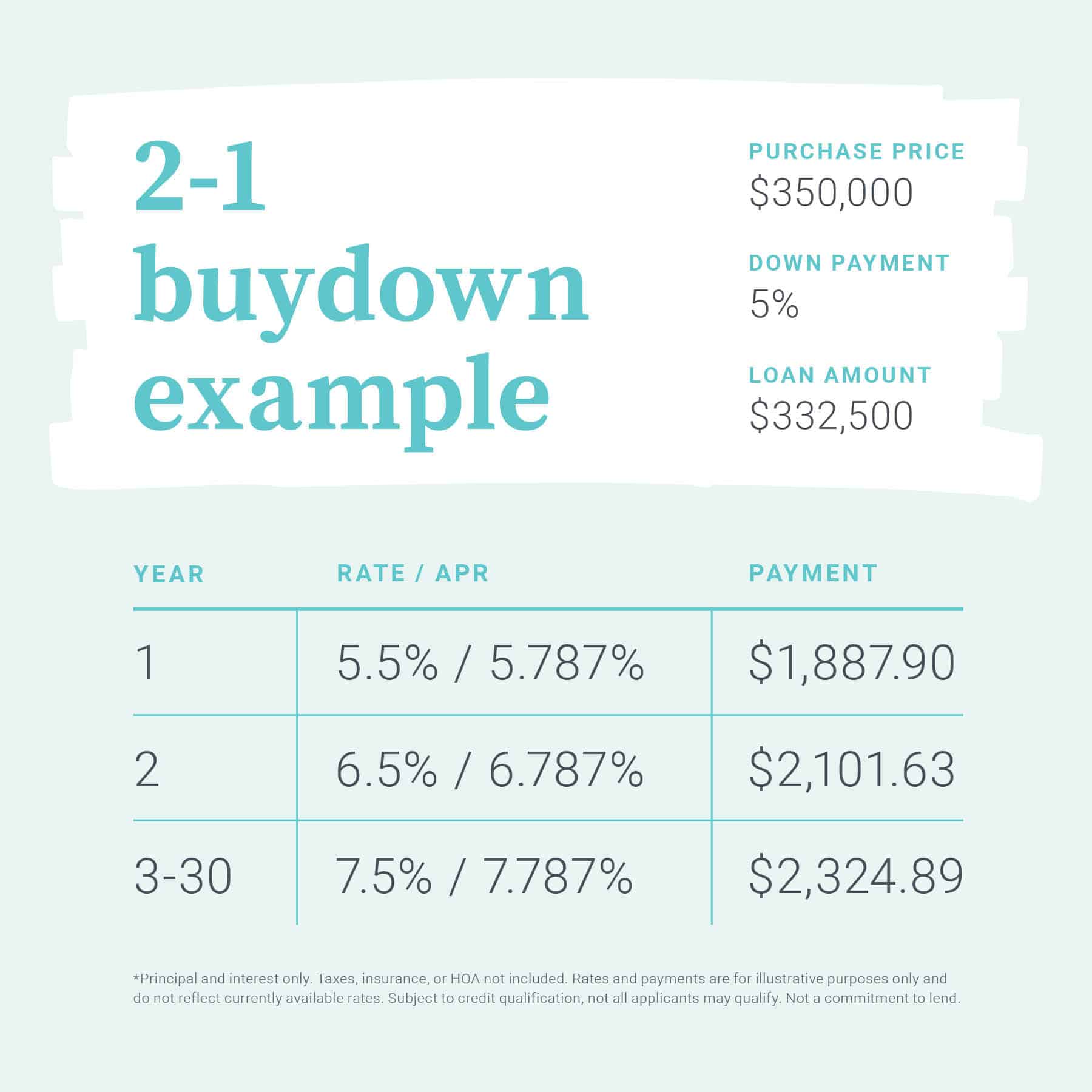
This comprehensive guide will delve into the mechanics of mortgage points, explore the factors influencing the decision to buy down your rate, help you calculate the critical break-even point, and provide insights into when this strategy makes strategic financial sense—and when it might not.
Understanding Mortgage Points and Rate Buy-Downs
At its core, buying down an interest rate is a transaction where a borrower pays an upfront fee to their lender in exchange for a lower interest rate on their loan. These fees are commonly known as “mortgage points” or “discount points.”
What Are Mortgage Points?
Mortgage points are essentially prepaid interest. Each point typically costs 1% of the total loan amount. For instance, on a $300,000 mortgage, one point would cost $3,000. These points are paid at closing and directly reduce the interest rate applied to your loan. The exact reduction varies by lender and market conditions but is often in the range of 0.125% to 0.25% per point.
It’s crucial to distinguish between “discount points” and “origination points” (or origination fees). While both are paid at closing and are calculated as a percentage of the loan amount, origination points are fees charged by the lender for processing the loan, whereas discount points specifically reduce the interest rate. This article focuses on discount points, which are designed to lower your interest rate.
The Mechanics of Rate Reduction
When you buy down your interest rate, you are effectively paying a portion of the interest upfront. This reduces the lender’s risk or compensates them for offering a lower yield over the loan’s term. The lower interest rate then translates into smaller monthly mortgage payments. Over the entire life of a 15-year or 30-year mortgage, even a seemingly small reduction in the interest rate can result in tens of thousands of dollars in savings.
Consider a $300,000 loan at 7.0% interest versus 6.75% interest. A 0.25% reduction might be achieved by paying one point ($3,000). The monthly payment difference might seem minor, but compounded over 360 months, the total interest paid difference becomes substantial. This initial payment upfront is an investment, and like any investment, its wisdom depends on the potential return and your investment horizon.
Calculating the Break-Even Point: Is it Worth It?
The decision to buy down your interest rate hinges on a critical calculation: the break-even point. This is the amount of time it will take for the savings from your lower monthly payments to equal the upfront cost of the points.
The Fundamental Calculation
To calculate your break-even point, you need two pieces of information:
- The total cost of the mortgage points.
- The monthly savings achieved by buying down the rate.
The formula is straightforward:
Months to Break Even = Total Cost of Points / Monthly Savings
Let’s use an example:
- Loan Amount: $300,000
- Original Interest Rate: 7.0%
- Monthly Payment at 7.0%: Approximately $1,995.91
- Cost to Buy Down Rate by 0.25% (1 point): $3,000
- New Interest Rate: 6.75%
- New Monthly Payment at 6.75%: Approximately $1,950.56
- Monthly Savings: $1,995.91 – $1,950.56 = $45.35
Using the formula:
Months to Break Even = $3,000 / $45.35 ≈ 66.15 months
So, in this scenario, it would take roughly 66 months, or just over 5.5 years, to recoup the initial $3,000 investment through lower monthly payments.
Factors Influencing Your Break-Even Analysis
While the break-even calculation is fundamental, several other factors can influence whether buying down your rate is a wise move for your specific situation.
Loan Term
The length of your mortgage significantly impacts the total savings from a lower interest rate. A 30-year mortgage, with its longer payment period, offers more time for the monthly savings to compound, making the break-even point more likely to be surpassed. For a 15-year mortgage, the break-even point might be reached sooner due to larger monthly savings, but the overall window to realize long-term savings is shorter.
Planned Ownership Period
This is perhaps the most crucial factor. If you plan to sell the home or refinance your mortgage before you reach your break-even point, buying down the rate will result in a net financial loss. Conversely, if you plan to stay in the home for many years beyond the break-even point, the savings can be substantial. For example, if you sell in 3 years in the above example, you’ve spent $3,000 for only 36 months of $45.35 savings ($1,632.60 total savings), resulting in a loss of $1,367.40.
Interest Rate Environment
In a high-interest rate environment, buying down your rate can yield more significant monthly savings and thus often a shorter break-even period. When interest rates are already very low, the incremental savings from buying down the rate might be less impactful, making the break-even point longer and potentially less attractive.
Opportunity Cost of Funds
Consider what else you could do with the money you’d spend on points. Could that $3,000 be better used as part of your down payment (if it means avoiding private mortgage insurance, for example), invested in a high-yield savings account or the stock market, or used to build a larger emergency fund? If your funds could generate a higher return or address a more pressing financial need, buying down the rate might not be the optimal choice.
Beyond the Math: Considering Personal Financial Goals
While the numbers are essential, personal financial goals and peace of mind also play a role. Some individuals prioritize lower monthly payments for better cash flow management, even if the break-even point is a bit longer. Others might prefer to keep more cash on hand for flexibility. The decision should align with your broader financial strategy and comfort level.
When Buying Down Your Rate Makes Strategic Sense
There are specific scenarios where purchasing mortgage points is a highly strategic financial move, maximizing long-term savings and financial stability.

Long-Term Homeownership Plans
If you envision living in your home for well beyond the break-even point—say, 10, 15, or even 30 years—then buying down your interest rate becomes highly advantageous. Over a prolonged period, the accumulated monthly savings will far exceed the initial cost of the points, leading to significant net savings on your total interest paid. This strategy is particularly effective for those establishing a permanent residence or anticipating long-term stability.
High Interest Rate Environments
When prevailing interest rates are high, buying down your rate can deliver substantial benefits. In such an environment, even a quarter or half-point reduction in your interest rate can translate into a much larger monthly saving compared to when rates are already low. The higher the initial rate, the more “bang for your buck” you often get from each discount point, potentially leading to a quicker break-even and greater long-term value.
Stable Financial Position with Available Cash
This strategy is best suited for borrowers who have a strong financial footing, meaning they have sufficient funds for a down payment, closing costs, an emergency fund, and still have extra cash available. If you’re stretching to cover basic closing costs or your emergency fund is thin, using available cash for points might not be the most prudent decision. However, if you have ample liquidity and are looking for ways to reduce long-term debt costs, buying down the rate can be an excellent option.
Desire for Predictable Lower Monthly Payments
Beyond the overall savings, a lower interest rate means a lower monthly mortgage payment. For some homeowners, achieving the lowest possible fixed monthly payment is a priority for budgeting and cash flow management. This provides greater financial predictability and can free up funds for other investments, savings, or discretionary spending each month, enhancing overall financial comfort.
When Buying Down Your Rate May Not Be Advisable
Despite its potential benefits, buying down your interest rate isn’t always the best strategy for everyone. Certain circumstances can make this option less appealing or even financially detrimental.
Short-Term Ownership Plans
If you anticipate selling your home or refinancing your mortgage within a few years—specifically, before you reach your calculated break-even point—then buying down your rate is generally not recommended. In such cases, the upfront cost of the points will outweigh the cumulative monthly savings, resulting in a net financial loss. This applies to individuals who may be relocating for work, those who plan to upgrade to a larger home soon, or those expecting significant changes in their financial situation that would necessitate a refinance.
Limited Upfront Cash
If your available cash is limited, prioritizing a larger down payment (to avoid Private Mortgage Insurance or reduce your loan-to-value ratio), building a robust emergency fund, or simply covering essential closing costs should take precedence over buying down your interest rate. Diverting scarce funds to points when you have more critical immediate financial needs can leave you vulnerable to unexpected expenses or prevent you from securing more favorable loan terms in other areas.
Alternative Investment Opportunities
Consider the opportunity cost. If you have a clear alternative investment or debt repayment strategy that could yield a higher or more immediate return than the savings generated by buying down your rate, then that alternative might be the better choice. For instance, if you have high-interest consumer debt (like credit card balances), paying those off with the same funds would likely offer a far superior “return” than buying mortgage points. Similarly, if you have a strong, well-researched investment opportunity with a higher expected rate of return, allocating funds there might be more beneficial.
Already Low-Interest Rates
In periods where market interest rates are already very low, the impact of buying down your rate might be minimal. The reduction in your monthly payment for each point purchased could be negligible, leading to a very long break-even period. In such scenarios, the “return on investment” for buying points diminishes, making it less attractive compared to simply taking the prevailing low rate without additional upfront costs.
The Tax Implications of Mortgage Points
Understanding the tax implications of mortgage points can further influence your decision, as they can sometimes offer additional financial benefits.
Deductibility for Primary Residences
For primary residences, mortgage points paid to acquire your main home are generally tax-deductible in the year you pay them. This is because they are considered prepaid interest. The IRS provides specific guidelines, which typically include that the loan must be secured by your main home, the points must be paid to acquire the loan (not for refinancing), and they must be customary in your area. This deduction can help offset some of the upfront costs.
Refinances and Investment Properties
The rules differ for refinanced loans or loans on investment properties. For refinances, the points are typically not fully deductible in the year paid. Instead, they must be amortized (deducted incrementally) over the life of the loan. For example, on a 30-year refinance, you would deduct 1/30th of the points each year. Similar amortization rules often apply to points paid on mortgages for rental or investment properties.
Consulting a Tax Professional
Tax laws can be complex and are subject to change. It is always advisable to consult with a qualified tax professional to understand how mortgage points will affect your specific tax situation. They can provide personalized advice and ensure you claim all eligible deductions appropriately.
Conclusion
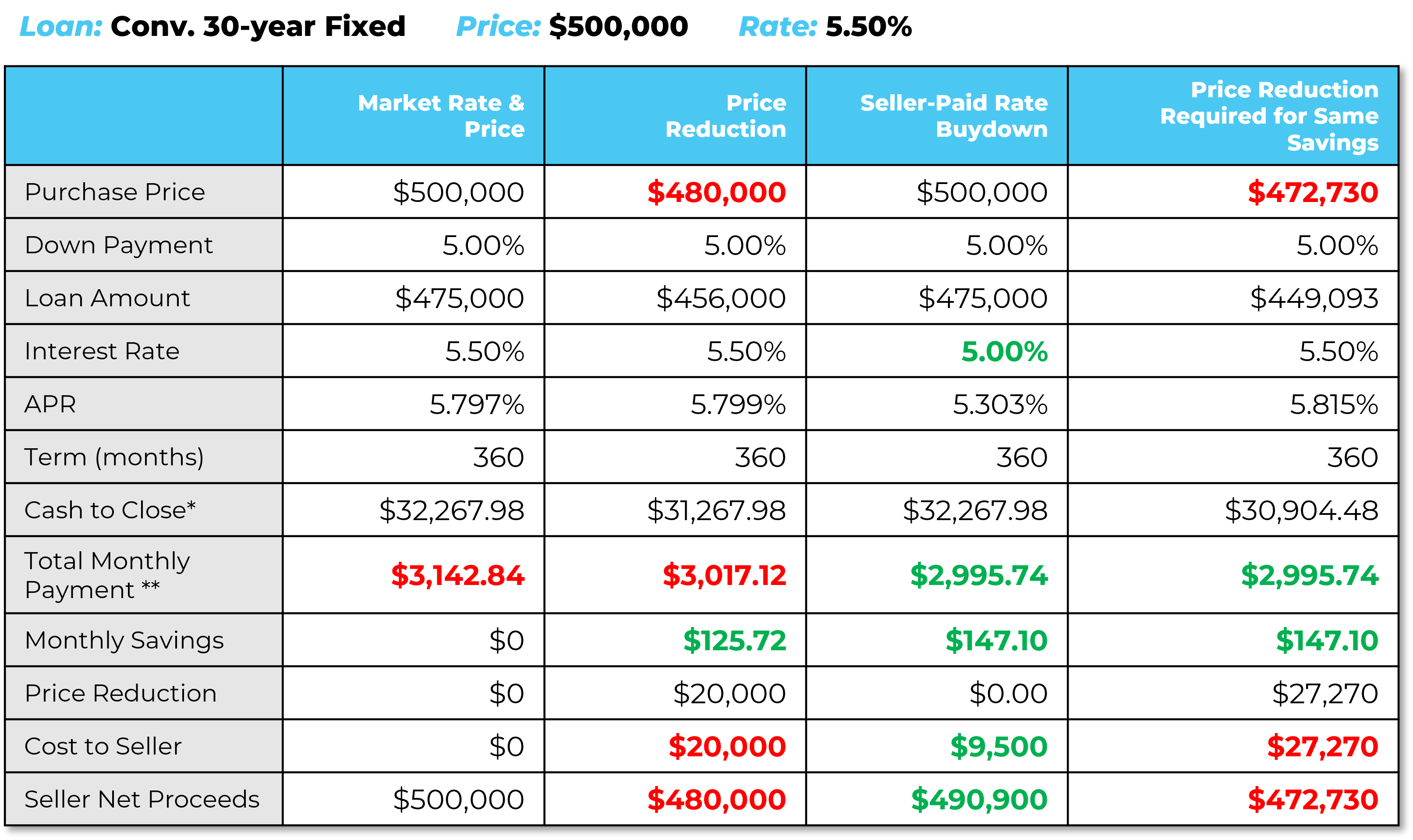
The decision of how much to buy down your interest rate is a nuanced financial calculation, not a universal recommendation. It involves a careful weighing of upfront costs against long-term savings, tempered by your individual financial goals, stability, and future plans. While the allure of a lower monthly payment and substantial lifetime savings is powerful, it’s essential to perform a thorough break-even analysis, consider your planned tenure in the home, and assess the opportunity cost of your funds.
For those planning to stay in their homes for many years, especially in a higher interest rate environment and with ample cash reserves, strategically buying down your interest rate can be a highly effective way to reduce your overall cost of homeownership. However, if your stay is anticipated to be short, your cash is tight, or better alternative investments exist, it might be wiser to accept the slightly higher interest rate and allocate your funds elsewhere.
Ultimately, arming yourself with knowledge and performing diligent calculations, ideally in consultation with your mortgage lender and a trusted financial advisor, will empower you to make an informed decision that aligns perfectly with your personal financial strategy.
aViewFromTheCave is a participant in the Amazon Services LLC Associates Program, an affiliate advertising program designed to provide a means for sites to earn advertising fees by advertising and linking to Amazon.com. Amazon, the Amazon logo, AmazonSupply, and the AmazonSupply logo are trademarks of Amazon.com, Inc. or its affiliates. As an Amazon Associate we earn affiliate commissions from qualifying purchases.