
The question “what is the blood alcohol level to be drunk” is more complex than it initially appears. Beyond simply a numerical threshold, it delves into physiology, legal frameworks, and, increasingly, the role of technology in understanding, measuring, and managing the effects of alcohol. In an age where data-driven insights and smart devices permeate nearly every aspect of our lives, the intersection of alcohol consumption and technology has never been more relevant. From personal breathalyzers and smartphone apps to advanced AI tools and wearable sensors, technology is transforming how individuals and society approach alcohol impairment, moving beyond anecdotal observation to precise, real-time data. This article explores the technological landscape surrounding blood alcohol levels, examining how innovation is enhancing our ability to monitor, predict, and ultimately, make safer choices.
Understanding BAC: The Foundation of Digital Measurement
Before delving into the technological tools, it’s crucial to grasp the fundamental concept of Blood Alcohol Content (BAC). BAC represents the percentage of alcohol in a person’s bloodstream. It is the gold standard for measuring intoxication, influencing everything from legal driving limits to workplace safety policies. Technology’s contribution begins with demystifying this complex physiological process and translating it into actionable data.
The Science Behind BAC
When alcohol is consumed, it is absorbed into the bloodstream primarily through the stomach and small intestine. From there, it circulates throughout the body, affecting the brain and other organs. The liver metabolizes alcohol at a relatively constant rate, but until it’s fully processed, alcohol continues to circulate. BAC is typically expressed as a percentage, for example, 0.08% means there are 0.08 grams of alcohol per 100 milliliters of blood. This scientific principle is the bedrock upon which all digital and analog BAC measurement technologies are built, requiring precise sensors and algorithms to interpret chemical reactions or physiological changes.
Legal and Practical Definitions of “Drunk”
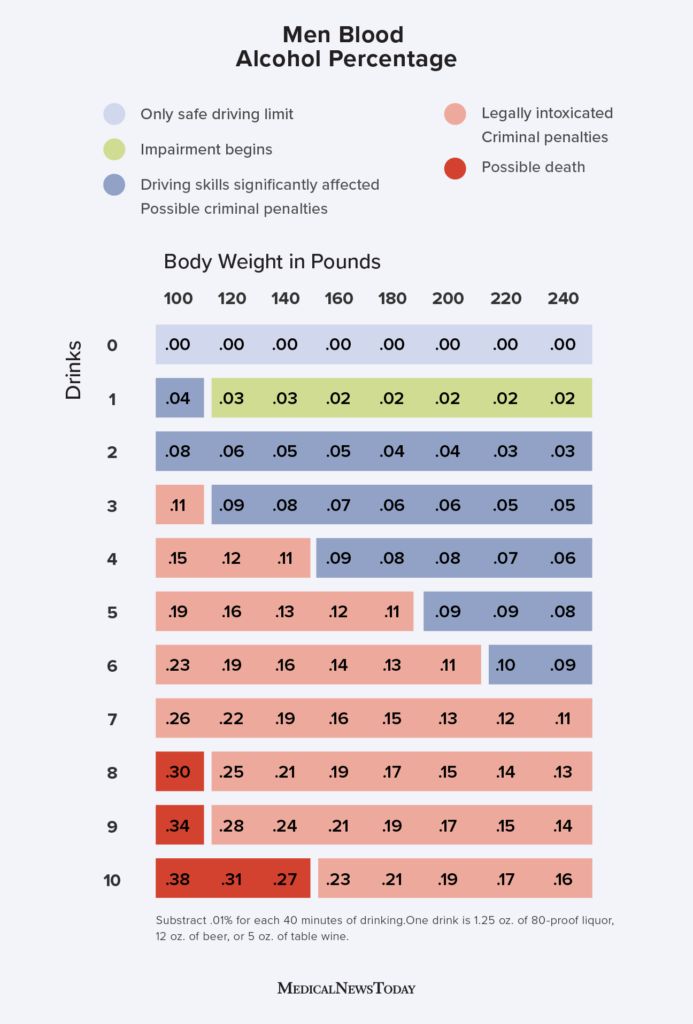
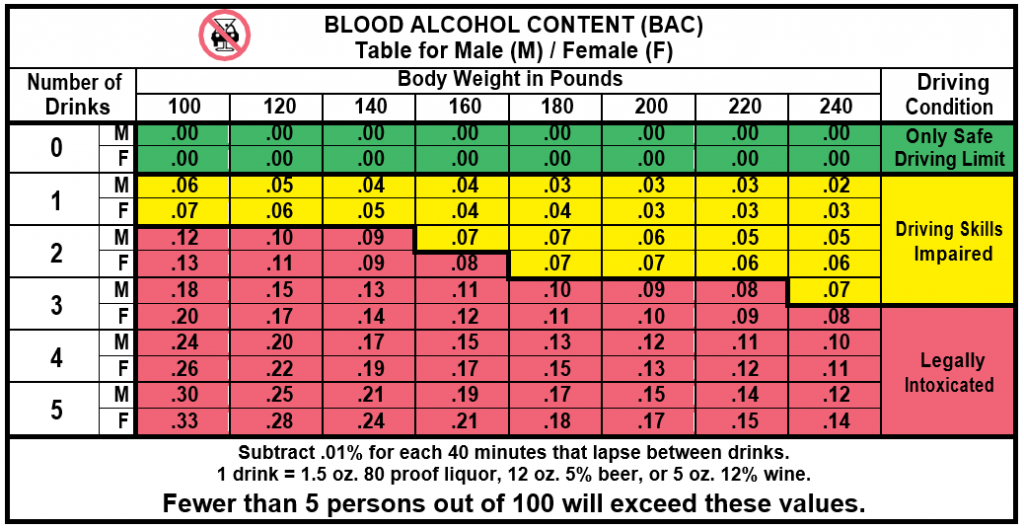
The legal definition of “drunk” varies globally, but a common standard in many countries, including the United States, is a BAC of 0.08% for driving a motor vehicle. At this level, cognitive and motor skills are significantly impaired, increasing the risk of accidents. However, impairment can begin at much lower BACs, and individual tolerance varies. Technologies often aim not just to identify legal drunkenness but also to empower users to understand their personal level of impairment and make informed decisions, regardless of strict legal thresholds. This emphasis on personal awareness goes beyond merely avoiding legal trouble; it promotes a culture of responsible consumption.
Factors Influencing BAC Absorption
Several factors influence how quickly and intensely alcohol affects an individual, impacting their BAC. These include body weight, sex, metabolism, amount of food consumed, medications, and the speed of drinking. Modern digital BAC calculators and monitoring apps often integrate these variables into their algorithms, allowing users to input personal data for more accurate estimations. While not a substitute for direct measurement, these tools leverage computing power to provide a more personalized projection of one’s BAC trajectory, helping users anticipate potential impairment.
The Rise of Personal BAC Monitoring Technologies
The evolution of technology has democratized BAC measurement, moving it from the exclusive domain of law enforcement and medical professionals into the hands of consumers. This shift has given individuals unprecedented insights into their own alcohol levels, fostering greater awareness and, ideally, safer practices.
Breathalyzers: From Law Enforcement to Consumer Gadgets
The most well-known personal BAC monitoring technology is the breathalyzer. Originally developed for police use, these devices measure the alcohol content in a breath sample, which correlates directly with BAC. Modern consumer breathalyzers have become incredibly compact, affordable, and user-friendly. High-quality personal breathalyzers use fuel cell sensor technology, similar to those used by law enforcement, providing accuracy that was once only available in professional-grade equipment. These gadgets often connect wirelessly to smartphones, allowing users to track their BAC over time, visualize trends, and even share data (if they choose) for personal safety or accountability. Tutorials on their proper use, calibration, and understanding their limitations are readily available, making them accessible tools for responsible drinking.
Wearable Sensors and Emerging Detection Methods
Beyond traditional breathalyzers, innovation is leading to more discreet and continuous alcohol monitoring solutions. Wearable sensors are an exciting frontier. Devices such as transdermal alcohol sensors, worn on the wrist or ankle, continuously measure alcohol vapor released through the skin. While these often measure Transdermal Alcohol Content (TAC) which correlates with BAC, they offer a less intrusive, passive monitoring experience. Emerging technologies are exploring even more novel methods, including smart patches that analyze sweat, smart rings or watches that detect physiological changes associated with intoxication (like heart rate variability or skin conductance), and even sophisticated cameras that analyze pupil dilation or eye movements. These advancements promise a future where real-time, continuous alcohol monitoring could become as common as tracking steps or heart rate, offering invaluable data for both personal health and public safety.
Smartphone Apps and Digital BAC Calculators
The ubiquity of smartphones has also spurred the development of numerous BAC-related applications. While some apps merely provide theoretical BAC calculators based on user input (like drinks consumed, time, weight), others integrate directly with external breathalyzers via Bluetooth. These integrated solutions offer a powerful combination: the precision of a physical sensor with the analytical and tracking capabilities of a smartphone. Apps can graph BAC over time, estimate when a user will return to sobriety, store a history of readings, and even provide educational resources about alcohol’s effects. Some advanced apps incorporate features like designated driver finding services, taxi hailing, or even simulated impairment tests to visually demonstrate the effects of different BAC levels. These digital tools are crucial in providing immediate, actionable insights, making the concept of “being drunk” less abstract and more quantifiable for the individual.
Leveraging Data and AI for Public Health and Safety
Beyond individual monitoring, the aggregation and analysis of BAC-related data, powered by AI and machine learning, hold immense potential for public health and safety initiatives. This moves the discussion from personal responsibility to societal impact, where technology can inform policy, predict risks, and develop large-scale interventions.
Aggregated Data for Policy Making and Prevention
When anonymized BAC data from personal devices, law enforcement records, and research studies are aggregated, it provides invaluable insights for public health officials and policymakers. Such data can reveal patterns in alcohol consumption, identify high-risk demographics or geographical areas, and assess the effectiveness of prevention campaigns. For instance, analyzing trends in BAC levels across different age groups can inform targeted educational programs, while correlating BAC data with accident statistics can justify stricter regulations or increased enforcement in specific areas. This Big Data approach allows governments and organizations to move beyond anecdotal evidence, basing their strategies on robust, empirically derived information.
Predictive Analytics in Drunk Driving Prevention
Artificial intelligence is increasingly being deployed in predictive analytics models to identify and mitigate risks associated with impaired driving. By analyzing vast datasets – including traffic patterns, historical accident data, BAC trends, weather conditions, and even social media sentiment – AI algorithms can predict when and where drunk driving incidents are most likely to occur. This enables law enforcement to deploy resources more effectively, for example, by increasing patrols during predicted high-risk times or locations. Furthermore, advanced vehicle technologies, like smart ignition interlock devices that require a sober breath sample to start a car, are becoming more sophisticated, potentially integrating AI to detect attempts to bypass the system or even predict impairment based on driving patterns before a breath test is required.
AI-Driven Interventions and Support Systems
AI is also being explored for its potential in creating personalized interventions and support systems. For individuals struggling with alcohol misuse, AI-powered chatbots or virtual assistants could provide non-judgmental support, track progress, offer coping strategies, and connect users to professional help. For broader public safety, AI could power dynamic messaging campaigns, delivering targeted warnings or safe transportation options to individuals detected (through anonymized data) as being in high-risk situations. The ethical implications of such pervasive monitoring are significant, but the potential for proactive, personalized safety interventions is undeniable.
The Intersection of Technology, Privacy, and Responsible Use
While technology offers powerful tools for understanding and managing BAC, its implementation raises important questions regarding privacy, data security, and the responsibility of both users and developers.
Data Security and Privacy Concerns in Health Tracking
The collection of personal health data, especially sensitive information like alcohol consumption habits and BAC levels, necessitates robust data security measures. Users need assurances that their information is encrypted, anonymized where appropriate, and protected from breaches or misuse. Developers of BAC monitoring apps and devices must adhere to strict data privacy regulations (like GDPR or HIPAA) and be transparent about how data is collected, stored, and utilized. The risk of this data being used for purposes other than personal health and safety, such as by insurance companies or employers, underscores the critical need for strong ethical guidelines and regulatory oversight.
Accuracy, Calibration, and User Responsibility
The effectiveness of any technological tool hinges on its accuracy and proper use. Personal breathalyzers, for instance, require regular calibration to maintain their precision, and users must follow instructions meticulously for reliable readings. Over-reliance on technology without understanding its limitations or the nuances of alcohol’s effects can be dangerous. A digital BAC calculator, for example, is an estimation tool, not a definitive measure of impairment. Technology should be seen as an aid to decision-making, not a replacement for common sense and personal responsibility. Educational components within apps and device manuals are vital to ensure users understand these critical distinctions.
The Role of Technology in Fostering Safer Choices
Ultimately, the goal of alcohol-related technology is to empower individuals to make safer, more informed choices. By providing objective data about one’s BAC, these tools can counteract subjective feelings of sobriety and highlight the realities of impairment. They can serve as a deterrent to drunk driving, encourage responsible pacing of drinks, and promote self-awareness regarding one’s limits. Technology can shift the conversation from punitive measures to preventative education, creating a culture where understanding and managing one’s alcohol level is a standard practice, akin to monitoring other health metrics.
The Future of Alcohol Monitoring: Innovation on the Horizon
The trajectory of technological advancement suggests an even more integrated and sophisticated future for alcohol monitoring, promising both greater convenience and new ethical considerations.
Non-Invasive Continuous Monitoring
Imagine a future where a smart contact lens or a tiny subcutaneous sensor continuously monitors your BAC, feeding real-time data to your smart device without any conscious interaction. Research is actively exploring these highly non-invasive methods, aiming for solutions that are imperceptible and provide constant, granular data. Such technologies could offer unparalleled insights into an individual’s metabolism of alcohol and could be invaluable for research, clinical applications, and perhaps even for individuals seeking to manage chronic conditions.
Integration with Smart Ecosystems (Vehicles, Homes)
The integration of BAC monitoring into broader smart ecosystems is a significant area of development. Smart cars are already incorporating features like ignition interlocks. In the future, vehicles might use a combination of sensors and AI to detect driver impairment proactively, not just through breath tests but also by analyzing driving patterns, eye movements, and reaction times. Similarly, smart home devices could be designed to interact with BAC data, perhaps by locking smart liquor cabinets if a certain BAC is detected, or by integrating with home security systems to ensure a safe environment. This level of pervasive integration presents both remarkable safety potential and complex questions about autonomy and surveillance.

Ethical Considerations for Ubiquitous Tracking
As technology becomes more capable of ubiquitous and continuous alcohol tracking, the ethical framework surrounding its use becomes paramount. Who owns this data? How is consent managed? What are the implications for personal freedom and privacy if such data could be used to restrict access to services or public spaces? Balancing the clear benefits of preventing harm with the fundamental rights of individuals will be a critical challenge. Developers, policymakers, and society at large will need to engage in thoughtful dialogue to establish guidelines that maximize safety while protecting individual liberties.
In conclusion, the question “what is the blood alcohol level to be drunk” has evolved from a simple legal inquiry into a complex technological challenge. From personal gadgets that demystify BAC to AI systems that predict and prevent harm, technology is providing unprecedented tools for understanding, managing, and mitigating the risks associated with alcohol consumption. As these innovations continue to advance, they promise a future of greater awareness, enhanced safety, and more informed personal choices, underpinned by a commitment to responsible development and ethical use.
aViewFromTheCave is a participant in the Amazon Services LLC Associates Program, an affiliate advertising program designed to provide a means for sites to earn advertising fees by advertising and linking to Amazon.com. Amazon, the Amazon logo, AmazonSupply, and the AmazonSupply logo are trademarks of Amazon.com, Inc. or its affiliates. As an Amazon Associate we earn affiliate commissions from qualifying purchases.