
In an increasingly crowded global marketplace, where consumers are bombarded with choices and marketing claims, the ability for a brand to establish trust and convey genuine quality is paramount. This is where independent third-party certifications become invaluable. Among the most recognized and respected of these is NSF certification, a mark that has quietly but profoundly influenced consumer purchasing decisions and brand strategies for decades. Far more than just a label, NSF certification represents an unwavering commitment to public health, safety, and rigorous quality standards, acting as a powerful beacon of integrity for brands across diverse industries.

For any brand striving for excellence, market leadership, and enduring consumer loyalty, understanding the depth and significance of NSF certification is not merely an exercise in compliance; it’s a strategic imperative. It’s about building a brand identity founded on verifiable trustworthiness, differentiating products in a sea of alternatives, and laying a solid foundation for sustainable growth. This article delves into the essence of NSF certification, exploring its origins, its stringent processes, and the profound advantages it confers upon brands in the competitive arena.
The Genesis and Authority of NSF International
To truly grasp the strategic value of NSF certification for a brand, one must first appreciate its foundational principles and the global authority behind it. NSF International began with a singular, vital mission, which has since expanded to encompass a vast array of product categories and services.
From Public Health Roots to Global Standards
NSF was initially established in 1944 as the National Sanitation Foundation at the University of Michigan School of Public Health. Its initial focus was born out of a critical need: to standardize sanitation and food safety requirements for restaurants and other public health sectors, where varying local standards created confusion and risks. This public health genesis is crucial because it underlines the organization’s intrinsic purpose: to protect and improve human health worldwide.
Over the decades, NSF’s scope broadened dramatically. It evolved from a domestic public health initiative into NSF International, an independent, not-for-profit organization that develops public health standards and certification programs across an impressive spectrum of industries. Today, NSF International operates globally, with offices and laboratories located in North America, South America, Europe, Asia, and Africa. Its expertise spans water quality, food safety, health sciences (including dietary supplements and medical devices), consumer products, and sustainability. This extensive reach and diverse portfolio solidify its position as a leading global authority in public health and safety standards.
What NSF Certification Truly Represents
At its core, NSF certification is a declaration that an independent, third-party organization has thoroughly tested a product and/or audited its manufacturing processes, confirming that it complies with specific, rigorous public health standards. This is not a self-declaration by a manufacturer; it’s an objective validation.
Specifically, an NSF certification typically entails:
-
Product Testing: Products are tested against national and international standards for safety, performance, and integrity. This can involve contaminant removal testing for water filters, material safety evaluations for food service equipment, or ingredient verification for dietary supplements.
-
Material and Formulation Review: Experts meticulously review product formulations and raw material sourcing to ensure there are no harmful contaminants or undeclared ingredients.
-
Unannounced Facility Audits: Manufacturing facilities are subject to regular, unannounced inspections to verify that processes and quality control systems are consistently maintained and that the product continues to be manufactured to the same standards.
-
Re-testing and Ongoing Surveillance: Certification is not a one-time event. Products are continually re-tested, and facilities re-audited annually to ensure ongoing compliance.
This comprehensive and continuous oversight is what gives the NSF mark its profound weight. For a brand, it translates into a powerful, credible statement of quality and safety that resonates deeply with discerning consumers and regulatory bodies alike.
Why NSF Certification is Indispensable for Brands
In today’s hyper-competitive and increasingly transparent market, the intangible asset of trust has become a brand’s most valuable currency. NSF certification serves as a powerful mechanism for brands to acquire, build, and maintain this trust, alongside offering significant strategic advantages.
Building Unwavering Consumer Trust and Credibility
Consumers are savvier than ever before. They are wary of unsubstantiated marketing claims and demand proof of quality and safety, especially concerning products that impact their health and well-being. This is precisely where NSF certification shines as a brand asset. When a consumer sees the NSF mark on a product, it bypasses the need for them to research complex regulations or chemical analyses. Instead, they receive an immediate, universally understood signal of assurance.
For a brand, this means that the NSF mark acts as a shortcut to credibility. It instills confidence in skeptical purchasers, assuring them that an independent expert has verified the product’s safety and performance claims. This third-party validation is far more impactful than any self-proclaimed quality statement, fostering an invaluable bond of trust that is difficult for competitors to replicate without similar external verification.
Navigating Regulatory Compliance and Market Access
Beyond consumer trust, NSF certification plays a crucial role in enabling brands to operate smoothly within a complex web of national and international regulations. Many government bodies and public health agencies recognize or incorporate NSF standards into their own regulatory frameworks. For example, in the U.S., many plumbing codes require products to be certified to NSF/ANSI standards. Internationally, NSF certification can often facilitate quicker market entry into countries that respect its rigorous standards.
For a brand looking to expand its reach or simply ensure continued legal operation, NSF certification can act as a “passport.” It minimizes the risk of non-compliance, which can lead to costly fines, product recalls, or outright market bans. By proactively pursuing and maintaining NSF certification, brands demonstrate their commitment to regulatory adherence, thereby streamlining their operations and securing their access to vital markets.
Enhancing Brand Reputation and Competitive Edge
A brand’s reputation is its most fragile yet most potent asset. NSF certification significantly bolsters a brand’s reputation by publicly demonstrating a commitment to the highest standards of quality, safety, and transparency. This dedication positions the brand as a responsible, ethical, and consumer-focused entity.
In highly competitive sectors, the NSF mark serves as a powerful differentiator. Imagine two similar products on a shelf: one bearing the NSF mark, the other without. The certified product immediately gains an advantage. This edge can justify a premium price point, attract more discerning customers, and contribute to greater market share. It signals that the brand is not just meeting industry standards, but actively exceeding them, thereby cementing its position as a leader and innovator committed to consumer well-being.
The Rigorous Path to NSF Certification: A Brand’s Commitment
Achieving NSF certification is not a superficial exercise; it is a profound commitment that requires significant investment, transparency, and adherence to strict protocols. The rigor of the process itself contributes substantially to the value of the final certification for a brand.
Understanding the Certification Process

The journey to NSF certification is comprehensive and multifaceted, typically involving several key stages:
-
Application and Initial Review: A brand applies for certification, providing detailed product information, specifications, and manufacturing processes.
-
Product Evaluation and Testing: This is often the most intensive phase. NSF scientists and engineers meticulously review formulations, material compositions, and toxicological data. Products undergo extensive laboratory testing to verify performance claims (e.g., a water filter’s ability to reduce specific contaminants) and safety (e.g., leaching of harmful chemicals from materials).
-
Facility Audit: NSF auditors conduct unannounced, on-site inspections of manufacturing facilities. They scrutinize quality control systems, ensure Good Manufacturing Practices (GMPs) are followed, and verify that the production process consistently yields products that meet NSF standards. This includes raw material traceability, hygiene protocols, and finished product inspection.
-
Certification and Listing: If both the product and the manufacturing facility meet all requirements, the product is certified and listed in NSF’s online directory, providing public verification of its status.
This intricate process ensures that every aspect of the product, from its constituent materials to its manufacturing environment, aligns with stringent public health standards.
Ongoing Audits and Maintaining Standards
Crucially, NSF certification is not a one-time achievement. To maintain the integrity of the mark, NSF conducts continuous surveillance. This includes:
-
Annual Re-testing: Products are re-tested annually to ensure they continue to meet the original certification standards.
-
Unannounced Inspections: Manufacturing facilities remain subject to unannounced inspections, sometimes multiple times a year, to ensure ongoing compliance with quality systems and manufacturing practices.
-
Review of Changes: Brands are required to inform NSF of any changes to product formulation, materials, or manufacturing processes, which may trigger additional testing or audits.
This perpetual oversight mechanism is critical. It assures consumers and regulators that the NSF mark remains a guarantee of consistent quality and safety over time, rather than a snapshot of a single point in the past. For a brand, it means cultivating a culture of continuous quality improvement and unwavering adherence to standards.
Beyond Compliance: A Commitment to Excellence
While meeting compliance is a significant driver, brands that pursue NSF certification often view it as more than just a regulatory hurdle. It becomes a testament to their inherent commitment to product excellence and consumer well-being. By voluntarily subjecting their products to such rigorous, independent scrutiny, brands demonstrate a proactive approach to quality assurance that goes above and beyond minimal industry requirements. This level of commitment speaks volumes about a brand’s values, transforming the certification process into a strategic investment in its long-term reputation and consumer loyalty.
The Strategic Brand Advantages of Bearing the NSF Mark
Integrating NSF certification into a brand’s strategy yields a cascade of advantages that profoundly impact its market presence, consumer perception, and overall business resilience.
Differentiating Products in Crowded Markets
In virtually every product category, the market is saturated with options. For consumers, distinguishing between genuinely high-quality, safe products and those making unsubstantiated claims can be challenging and time-consuming. The NSF mark acts as an immediate and powerful differentiator. In sectors like water filtration systems, sports nutrition supplements, or food preparation equipment, the NSF logo instantly communicates reliability and safety. This visual cue simplifies the consumer’s decision-making process, often directing them towards the certified product amidst a sea of unverified alternatives. For a brand, this means cutting through the noise and directly appealing to the consumer’s inherent desire for trustworthiness and verified performance.
Fostering Consumer Loyalty and Advocacy
Trust is the bedrock of loyalty. When consumers experience peace of mind and satisfaction with an NSF-certified product, their confidence in the brand deepens. This positive experience transcends the transactional relationship; it fosters emotional loyalty. Customers who trust a brand are more likely to become repeat purchasers, explore other products within the brand’s portfolio, and, crucially, become brand advocates. They will recommend the certified product to friends, family, and through online reviews, generating invaluable word-of-mouth marketing that is both authentic and highly effective. In an age where peer recommendations hold immense sway, this organic advocacy is a goldmine for brand growth and market penetration.
Mitigating Brand Risk and Protecting Reputation
In today’s interconnected world, a single product defect or safety concern can spiral into a public relations crisis overnight, severely damaging a brand’s reputation and bottom line. NSF certification serves as a robust risk mitigation strategy. By rigorously testing products and auditing manufacturing processes, NSF helps identify and address potential safety issues before products reach the market.
Should an unforeseen issue arise, a brand with NSF certification can demonstrate due diligence and a proactive commitment to safety standards. This can be crucial in managing public perception and regulatory responses, potentially reducing the severity of backlash and helping to safeguard the brand’s hard-earned reputation. It communicates to stakeholders that the brand has invested in stringent quality control, thereby reinforcing its credibility even under adverse circumstances.
Looking Ahead: NSF Certification in an Evolving Brand Landscape
The brand landscape is constantly shifting, driven by new consumer expectations, technological advancements, and a growing emphasis on sustainability. NSF certification continues to evolve alongside these trends, remaining a vital tool for brands navigating future challenges and opportunities.
Adapting to New Consumer Demands for Transparency
Modern consumers demand unprecedented levels of transparency from brands. They want to know not just what’s in their products, but where the ingredients come from, how the product was manufactured, and its environmental impact. NSF certification directly addresses this need by providing verifiable, third-party assurance about product contents and production quality. As “clean label” trends and ethical sourcing become increasingly important, brands leveraging NSF certification can clearly demonstrate their commitment to verifiable claims, fostering a deeper level of trust and resonance with a transparency-focused consumer base.
The Role of Certification in Sustainable Brand Development
Sustainability is no longer a niche concern; it’s a core expectation for many consumers and investors. NSF International has expanded its efforts to include sustainability standards and certifications, such as those for environmental product declarations or sustainable plastics. For brands, integrating NSF sustainability certifications into their strategy allows them to build a more holistic brand narrative that appeals to environmentally conscious markets. It demonstrates a commitment not just to product safety, but also to responsible environmental stewardship, further enhancing brand value and aligning with broader corporate social responsibility (CSR) goals.
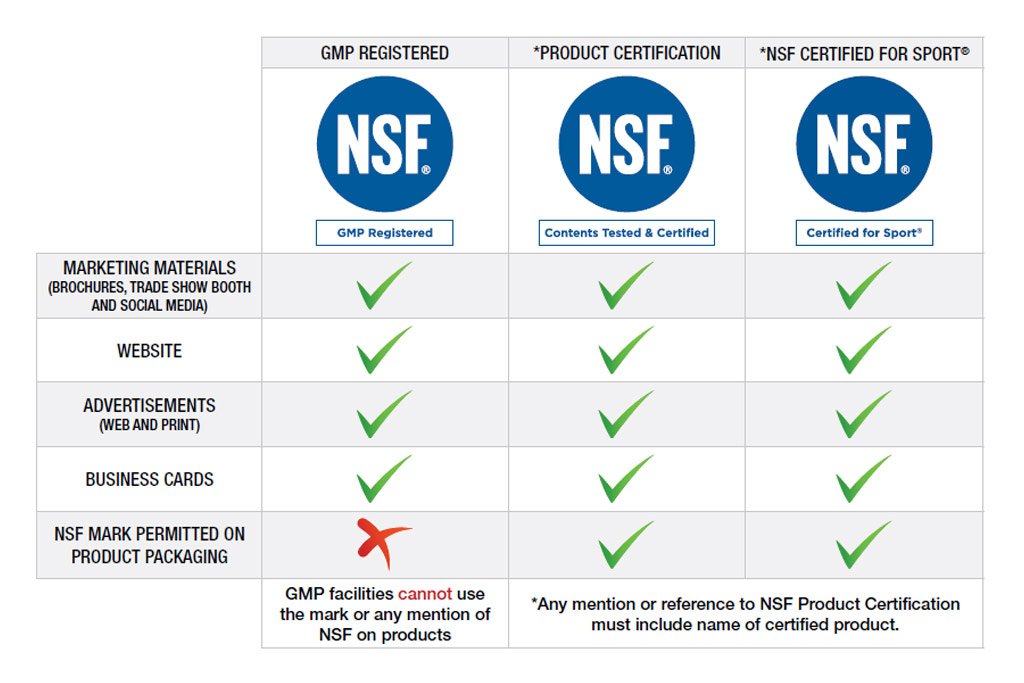
NSF as a Global Standard-Bearer for Brand Integrity
As global supply chains become more complex and e-commerce transcends national borders, the need for universally recognized standards of product safety and quality becomes even more pronounced. NSF International, with its global presence and recognition by regulatory bodies worldwide, continues to serve as a critical standard-bearer for brand integrity. For brands operating on an international scale, NSF certification can simplify cross-border trade, build global consumer confidence, and ensure consistent brand messaging regarding quality and safety, regardless of geographical location. It reinforces the idea that true brand integrity is built on verifiable excellence that transcends local specificities.
In conclusion, NSF certification is far more than a simple stamp of approval; it is a strategic asset that profoundly influences a brand’s ability to compete, grow, and thrive. By offering a rigorous, independent verification of product safety and quality, NSF empowers brands to build unwavering consumer trust, navigate complex regulatory landscapes, differentiate themselves effectively, and protect their invaluable reputation. For any forward-thinking brand, embracing NSF certification is not merely a choice for compliance, but a conscious investment in its enduring legacy of quality and integrity.
aViewFromTheCave is a participant in the Amazon Services LLC Associates Program, an affiliate advertising program designed to provide a means for sites to earn advertising fees by advertising and linking to Amazon.com. Amazon, the Amazon logo, AmazonSupply, and the AmazonSupply logo are trademarks of Amazon.com, Inc. or its affiliates. As an Amazon Associate we earn affiliate commissions from qualifying purchases.