
The modern kitchen is no longer just a place for food preparation; it has evolved into a hub of integrated technology. Among the most critical gadgets in this ecosystem is the over-the-range (OTR) microwave. Combining the functionality of a high-powered microwave with the ventilation capabilities of a range hood, these devices represent a significant feat of space-saving engineering. However, choosing the “best” one requires a deep understanding of the underlying technology, from inverter heating systems to AI-driven sensor cooking and smart home connectivity.
The Evolution of Kitchen Tech: Why OTR Microwaves Matter
Over-the-range microwaves were originally conceived as a solution for compact urban kitchens where counter space was at a premium. However, in the last decade, they have transitioned from simple heating boxes to sophisticated technological centers. This evolution is driven by the need for multi-functional hardware that can handle ventilation, lighting, and precision cooking simultaneously.
Space-Saving Engineering and Ergonomics
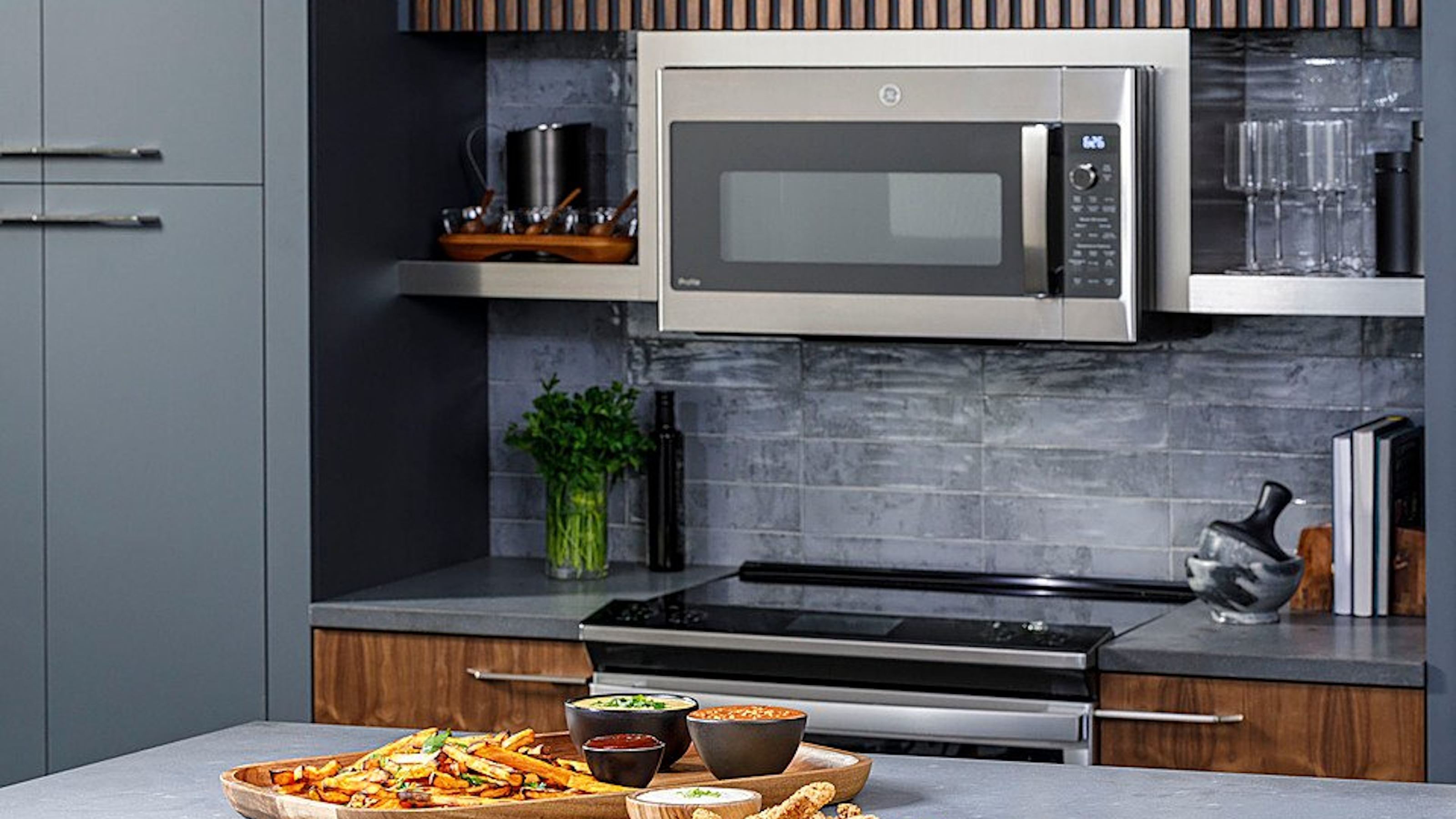
The primary technological appeal of an OTR unit is its dual-purpose design. By mounting the microwave above the cooktop, manufacturers utilize vertical space that would otherwise be occupied by a standalone vent hood. This requires specialized chassis engineering to ensure the electronics can withstand the heat, steam, and grease rising from the range below. Modern units use advanced thermal shielding and high-grade stainless steel to protect the internal circuitry, ensuring longevity in a high-heat environment.
Integrated Ventilation Systems
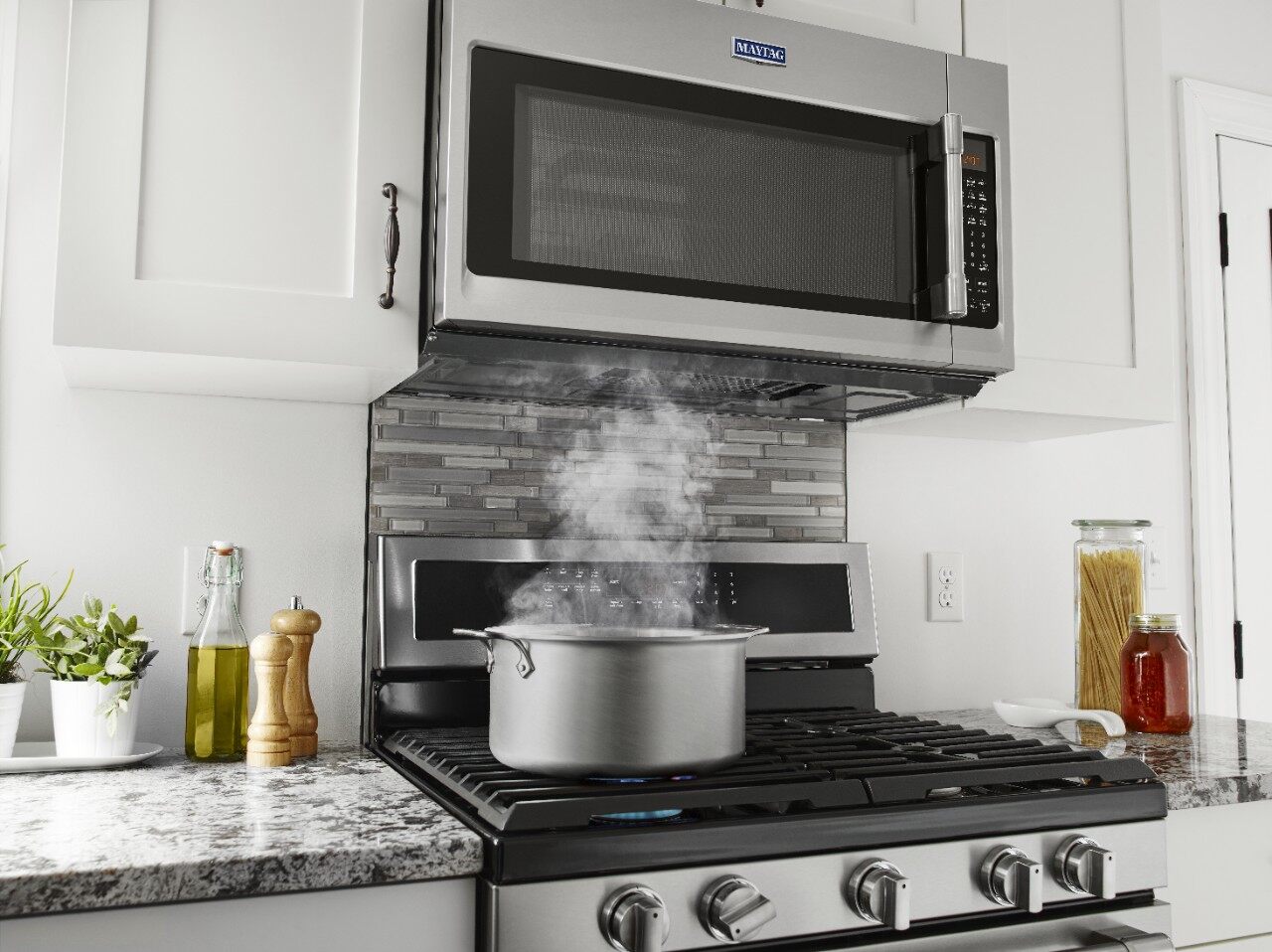
A critical component of OTR technology is the CFM (Cubic Feet per Minute) rating of the integrated exhaust fan. Unlike countertop models, OTR microwaves must act as a pneumatic system, pulling smoke and odors through a series of charcoal or mesh filters. High-end tech in this category now includes “QuietDesign” acoustic insulation and multi-speed fans that can move between 300 and 400 CFM, balancing powerful suction with low decibel output.
Key Technical Specifications to Consider
When evaluating the performance of these gadgets, we must look beyond the exterior finish. The internal hardware determines whether a microwave provides consistent results or leaves your food with “cold spots.”
Wattage and Heating Efficiency
Wattage is the primary metric for raw power. Most premium OTR microwaves operate between 1,000 and 1,100 watts. Higher wattage translates to faster cooking times and more efficient molecular agitation of water molecules in food. However, the type of power delivery is equally important. Traditional microwaves use transformers that cycle on and off to simulate lower power levels. In contrast, advanced “Inverter Technology” provides a continuous stream of power at varying intensities. This allows for delicate tasks like melting chocolate or defrosting meat without “cooking” the edges—a major leap in culinary precision.
Interior Capacity and Turntable Mechanics
The internal volume, usually measured in cubic feet (ranging from 1.7 to 2.2 cu. ft.), dictates the size of the cookware the unit can accommodate. Technologically, the turntable is more than just a spinning plate; modern units feature recessed turntables and “S-wave” patterns in the microwave distribution system to ensure even coverage. Some high-tech models even offer an “On/Off” toggle for the turntable to accommodate large, rectangular glass dishes that would otherwise hit the walls, relying instead on a rotating internal antenna to distribute the waves.
The Rise of Smart Features and AI Integration
We are currently in the era of the “Internet of Things” (IoT), and the microwave has not been left behind. The integration of software into kitchen appliances has transformed the user experience from manual input to automated intelligence.
Wi-Fi Connectivity and App Control
Top-tier models from brands like LG, Samsung, and GE Profile now feature robust Wi-Fi stacks. This allows the appliance to sync with a smartphone app (such as SmartThings or ThinQ). Users can remotely monitor the cooking progress, adjust the ventilation speed, or even preheat the convection element from another room. Furthermore, these units often integrate with voice assistants like Amazon Alexa or Google Assistant, enabling hands-free operation—a significant utility when the chef’s hands are covered in flour or oil.
Sensor Cooking Technology
Perhaps the most “intelligent” feature in modern microwaves is the humidity sensor. Rather than relying on a timer—which is often a guess—sensor cooking uses internal hardware to detect the steam emitted by food as it heats. The onboard microprocessor analyzes this data in real-time to calculate the exact remaining cook time. This prevents the over-drying of proteins and ensures that vegetables are steamed to the correct texture. Some newer models have even integrated “Scan-to-Cook” technology, where a user scans the barcode of a packaged food item via an app, and the microwave automatically downloads the specific power levels and timing required for that exact product.
Top Contenders in the Current Market
Navigating the landscape of available gadgets requires a look at the specific hardware configurations that currently lead the market.
Best Overall Performance: The Inverter Leaders
Brands that focus on Inverter Technology currently dominate the high-performance segment. These units are prized for their ability to maintain a steady temperature. In technical benchmarks, these microwaves outperform traditional models in “simmering” tests, proving that they are more than just popcorn machines; they are legitimate cooking tools for the tech-savvy home chef.
Best for Smart Home Integration
For those building a fully connected ecosystem, units that offer “Chef Connect” or similar Bluetooth synchronization are the gold standard. These gadgets can communicate directly with the range below them. For example, when the cooktop burners are turned on, the microwave’s Bluetooth module triggers the ventilation fan and the surface lights automatically. This level of automation represents the pinnacle of current kitchen software integration.
Best Ventilation Power and Filtration
For heavy-duty cooking, some models prioritize the “range hood” aspect of the hardware. These units often feature dual-stage filtration and high-velocity fans. From a technical standpoint, these are designed with “Extending Vents” that pop out to cover the front burners of the range more effectively, solving a common engineering flaw where OTR units fail to capture steam from the front of the stove.
Installation and Technical Maintenance
An OTR microwave is a complex piece of hardware that requires precise installation to function as both a kitchen gadget and a safety device.
Venting Configurations: External vs. Recirculating
From an engineering perspective, there are two ways to handle the air moved by the microwave. “External venting” requires the unit to be physically ducted to the outside of the home, which is the most efficient way to remove heat and moisture. “Recirculating” or “Ductless” configurations involve the air being pulled through a charcoal filter and pushed back into the kitchen. High-end units are designed with convertible blowers, allowing the user to rotate the motor housing depending on the home’s technical infrastructure.

Long-term Reliability and Software Updates
As microwaves become more reliant on software, the “firmware” of the appliance becomes a factor. Smart microwaves can receive Over-the-Air (OTA) updates to improve sensor accuracy or add new cooking presets. However, this also introduces a new layer of maintenance. Ensuring your kitchen’s Wi-Fi signal is strong enough to reach the microwave’s internal antenna is now just as important as keeping the grease filters clean. For the hardware itself, regular maintenance of the magnetron and checking the door seal for microwave leakage remain the standard for technical longevity.
In conclusion, the “best” over-the-range microwave is not a one-size-fits-all answer. It is the unit that best aligns with your technological needs—whether that is the precision of inverter heating, the convenience of AI sensor cooking, or the seamless automation of a connected smart home. By viewing the OTR microwave as a sophisticated piece of technology rather than a simple appliance, consumers can make an informed decision that enhances both their kitchen’s efficiency and their culinary capabilities.
aViewFromTheCave is a participant in the Amazon Services LLC Associates Program, an affiliate advertising program designed to provide a means for sites to earn advertising fees by advertising and linking to Amazon.com. Amazon, the Amazon logo, AmazonSupply, and the AmazonSupply logo are trademarks of Amazon.com, Inc. or its affiliates. As an Amazon Associate we earn affiliate commissions from qualifying purchases.