
In the hyper-competitive landscape of the global beauty industry, few products have achieved the “holy grail” status of micellar water. What began as a niche solution for the specific environmental challenges of 1990s Paris has evolved into a multi-billion-dollar category that sits on the vanity of nearly every skincare enthusiast worldwide. However, the success of micellar water is not merely a triumph of chemical engineering; it is a masterclass in brand strategy, market positioning, and the psychological art of “problem-solving” marketing. To understand what micellar water is, one must look beyond the bottle and examine the strategic narrative that transformed a simple suspension of surfactants into a global lifestyle essential.
The Origin Story: From French Pharmacy Secret to Global Brand Heritage
The narrative of micellar water is inextricably linked to the concept of “French Girl Beauty”—a brand identity built on effortless elegance and minimalist sophistication. To understand the brand power of micellar water, we must first analyze its heritage.
The Bioderma Heritage: Positioning the “Original”
In 1995, the Laboratoire Dermatologique Bioderma launched Sensibio H2O. At the time, the brand was targeting a very specific problem: the harsh, “hard” tap water in Paris, which was notorious for irritating sensitive skin. Bioderma’s strategy was not to compete with soap-and-water cleansing but to position itself as a medical-grade alternative. By selling exclusively through pharmacies (the parapharmacie model), Bioderma established an immediate brand identity rooted in trust, expertise, and dermatological safety. This “white coat” branding allowed the product to command a premium price and fostered a sense of clinical necessity.
Cult Status and the Power of Exclusivity
For nearly two decades, micellar water remained a “pro-secret.” Its brand identity was bolstered by makeup artists and fashion models who used it backstage at Paris Fashion Week. This created an organic, high-value endorsement loop. In branding terms, this is known as “scarcity marketing.” Because it wasn’t widely available outside of France, the product gained a cult-like status. When international consumers finally gained access, they weren’t just buying a cleanser; they were buying a piece of Parisian professional expertise. This legacy remains a core pillar for brands today that use “French-inspired” or “clean” labels to tap into that original sense of prestige.
Product Positioning and the Logic of Convenience
The meteoric rise of micellar water is a testament to how effective brand positioning can redefine a routine. Brands did not just sell a liquid; they sold a transformation of time and effort.
Redefining the Skincare Routine: The “All-in-One” Value Proposition
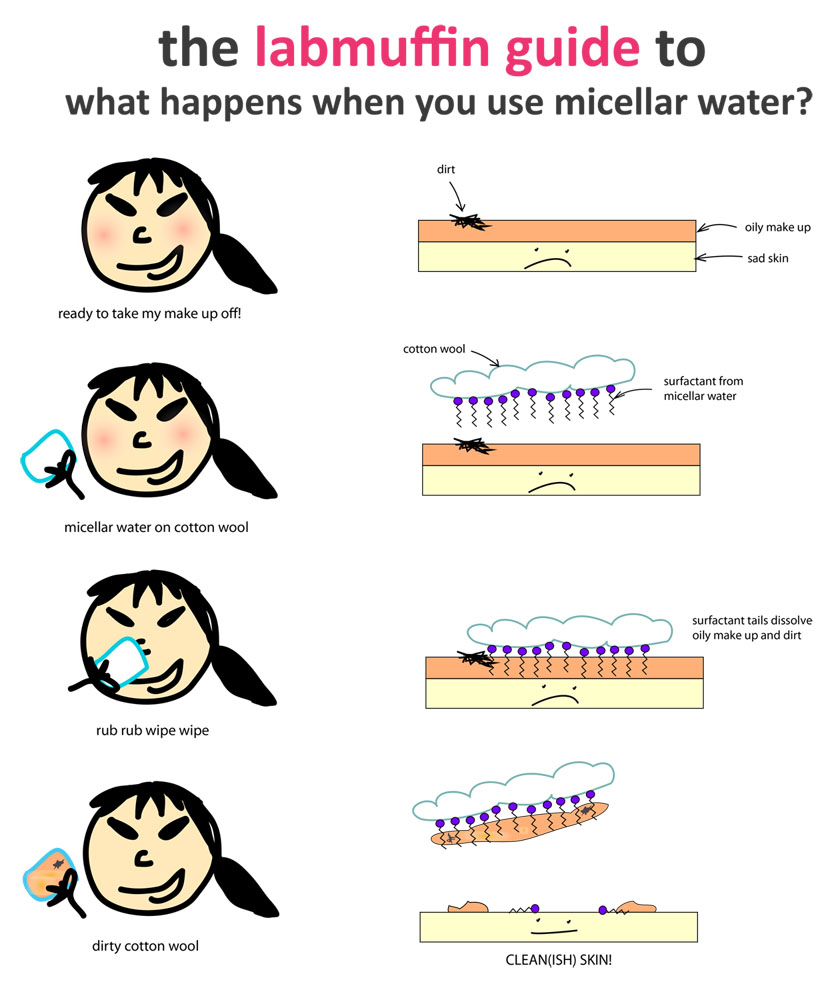
The primary strategic move for micellar water brands was the disruption of the “Three-Step System” (cleanse, tone, moisturize). By positioning micellar water as a “3-in-1” solution—cleanser, makeup remover, and toner—brands tapped into the consumer desire for efficiency. In a fast-paced digital world, “convenience” is a high-value brand asset. The messaging shifted from the chemistry of micelles (tiny oil molecules suspended in water) to the psychological relief of “one-swipe” cleaning. This repositioning expanded the market from those with sensitive skin to anyone looking to save five minutes at the end of a long day.
Emotional Branding: The Gentle Solution for Modern Living
Modern branding often succeeds by identifying a modern “villain.” For micellar water, the villains were harsh surfactants and the “scrubbing” associated with traditional face washing. Brands leveraged emotional marketing to position micellar water as an act of self-care rather than a chore. The language used—”magnetic,” “gentle,” “soothing,” and “refreshing”—appealed to the wellness-conscious consumer. By framing the product as “gentle enough for a baby but tough on waterproof mascara,” brands successfully bridged the gap between efficacy and luxury.
The Marketing Pivot: Mass Market Adoption and Scaling
The second wave of micellar water’s success came when the concept moved from the pharmacy to the drugstore aisle. This required a radical shift in brand strategy to maintain the product’s allure while appealing to a massive, price-sensitive audience.
Garnier’s Strategic Democratization: How to Scale a Niche Concept
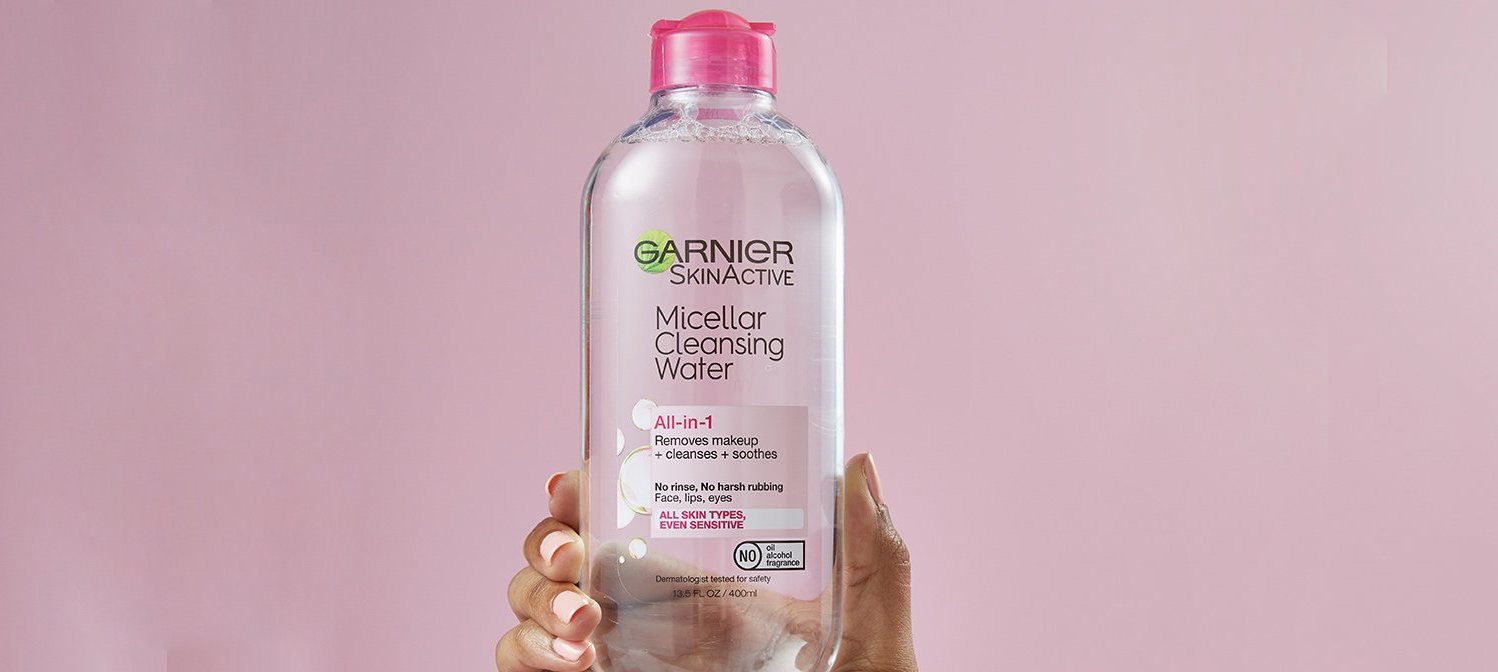
The most significant turning point in the micellar water story was arguably Garnier’s entry into the market. Garnier took a high-end, niche concept and “democratized” it. Their strategy was twofold: accessibility and variety. By launching different versions for different skin types (all-in-one, mattifying, oil-infused), they ensured that the product could capture every possible market segment. This is a classic “category growth” strategy where a brand moves from a specialized niche to a broad-market solution, effectively making the product a household staple.
Digital Influence and the Rise of the “Hero Product”
As micellar water scaled, it became the perfect “hero product” for the burgeoning era of social media marketing. Its visual simplicity—clear liquid in a clean bottle—lent itself to the “Aesthetic” or “Shelfie” culture of Instagram and Pinterest. Brands utilized micro-influencers to demonstrate the “magic” of the product in short-form videos. The visual proof of a dirty cotton pad after one swipe became a viral marketing tool. This peer-to-peer validation bypassed traditional advertising, turning micellar water into a viral sensation that sustained itself through user-generated content and digital word-of-mouth.
Brand Diversification and the Future of the Category
As the market for micellar water approaches saturation, brands are forced to innovate to maintain their competitive edge. The future of micellar water lies in how brands adapt to the changing values of the global consumer.
Line Extensions: Beyond the Face
To continue driving revenue, brands have begun to apply the “micellar” brand name to other categories. We now see micellar shampoos, micellar body washes, and even micellar wipes. From a brand strategy perspective, this is “brand equity leveraging.” Because consumers already trust the “micellar” name to mean “gentle yet effective cleaning,” they are more likely to try new products within that umbrella. This allows brands to cross-sell and increase the “lifetime value” of a customer who originally only came for a facial cleanser.
Sustainability and Ethics as the New Brand Frontier
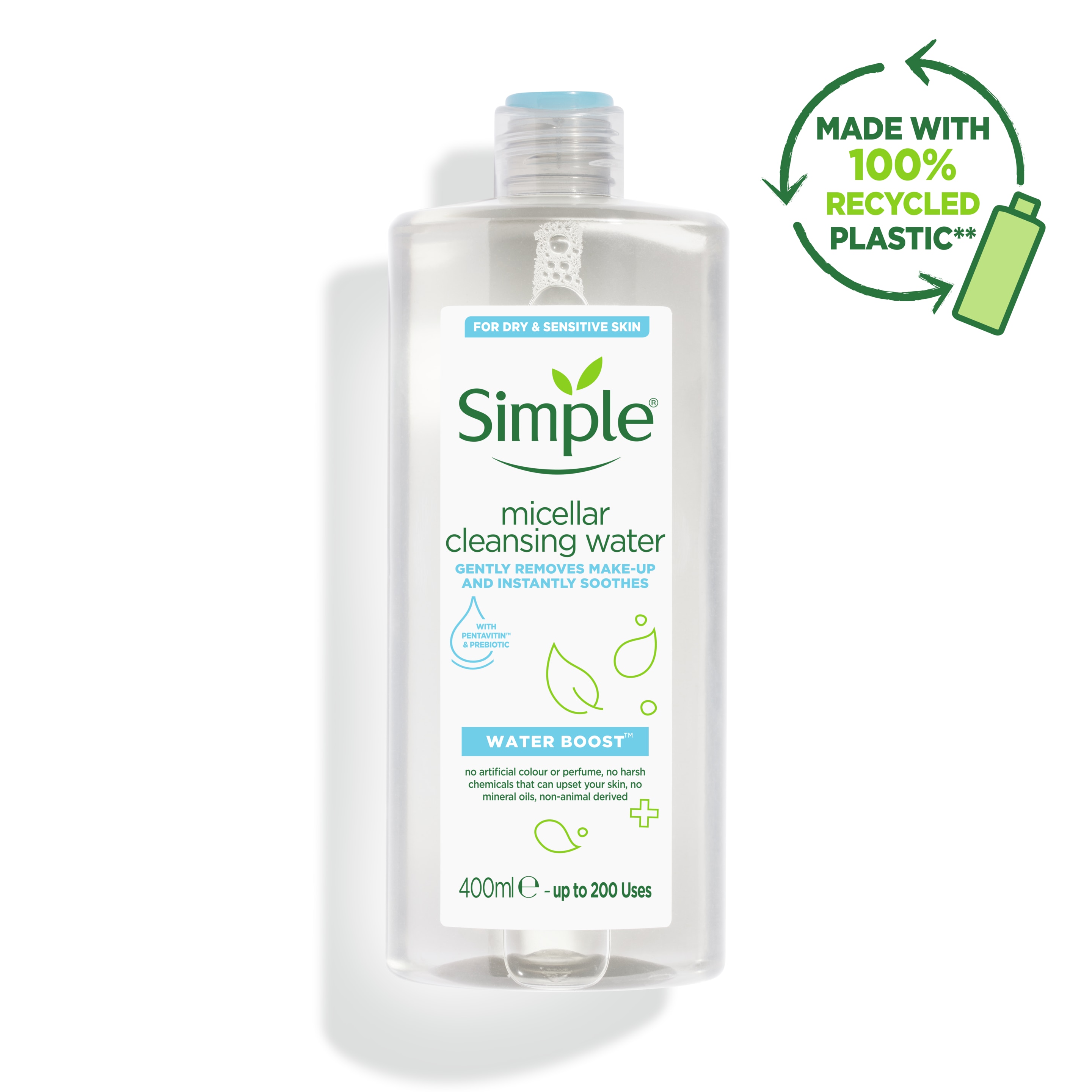
The greatest challenge facing micellar water brands today is the environmental impact of its primary delivery method: the disposable cotton pad. Forward-thinking brands are now pivoting their identity toward sustainability. We are seeing the rise of reusable “eco-pads” sold alongside micellar water, and brands shifting toward 100% recycled plastic packaging. In the modern market, a brand’s corporate identity is just as important as the product’s efficacy. Brands that fail to address the “waste” aspect of the micellar routine risk losing the Gen Z and Millennial demographics, for whom ethical consumption is a non-negotiable brand attribute.
The “Skin-Tech” Integration
Looking ahead, the integration of technology and branding will likely see micellar water evolve further. We are seeing the emergence of “smart” formulations that claim to protect against blue light or urban pollution. By rebranding micellar water as a “protective shield” rather than just a cleanser, brands are tapping into the “Tech-Beauty” trend. This strategic pivot ensures the product remains relevant in an increasingly digital and urbanized world, shifting the focus from “cleaning the past” (makeup removal) to “protecting the future” (skin health).
Conclusion: The Brand is the Solution
In summary, micellar water is far more than a bottle of specialized water. It is a profound example of how a brand can take a scientific principle—the micelle—and wrap it in a narrative of French luxury, modern convenience, and professional trust. Its success was not an accident but a result of meticulous positioning: starting as a niche pharmacy secret, scaling through mass-market democratization, and now evolving into a sustainability-focused lifestyle choice.
For the modern marketer or brand strategist, micellar water serves as a blueprint for category creation. It proves that by identifying a universal pain point (the friction of cleansing) and offering a frictionless solution (the “one-swipe” promise), a brand can create a product that doesn’t just enter a market but completely redefines it. As we look to the future, the brands that continue to dominate the micellar space will be those that can balance their heritage of “gentle efficacy” with the modern demand for ethical, tech-forward, and eco-conscious innovation.
aViewFromTheCave is a participant in the Amazon Services LLC Associates Program, an affiliate advertising program designed to provide a means for sites to earn advertising fees by advertising and linking to Amazon.com. Amazon, the Amazon logo, AmazonSupply, and the AmazonSupply logo are trademarks of Amazon.com, Inc. or its affiliates. As an Amazon Associate we earn affiliate commissions from qualifying purchases.